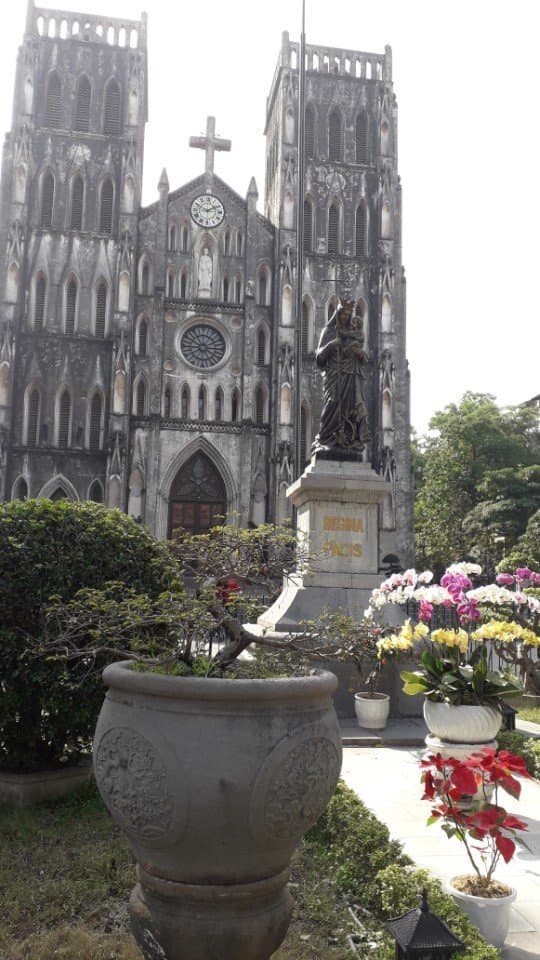
Hanoi
Chaotic charm where ancient traditions meet street food paradise
Hanoi hits you like a motorbike horn at 6am - loud, persistent, and oddly charming. Vietnam's capital throws 1,000 years of history at your face while serving up the world's best pho on plastic stools. The Old Quarter's narrow streets pulse with street vendors, ancient temples hide behind French colonial facades, and somehow it all works together in beautiful chaos. This isn't a city that coddles tourists - it challenges them. And that's exactly why you'll fall in love with it.
Best Months
JAN · FEB · MAR · APR · OCT · NOV · DEC
~24°C · moderate crowds
Culture & Context
THOUSAND YEARS, PLASTIC STOOLS
Hanoi runs on a different clock to most Asian capitals. The city wakes up obscenely early. By 6am, Hoan Kiem Lake is already full of elderly locals doing tai chi, vendors pushing carts, and people eating breakfast.
It quiets down around midday when the heat hits, then cranks back up at dusk. The street is social infrastructure here. People eat, drink, conduct business, and socialize on tiny plastic stools on the pavement.
Sidewalks aren't really for walking; they're for parking motorbikes, running noodle stalls, and drinking coffee. So walk on the road, with purpose, and don't panic. That's the key to crossing streets too.
Traffic doesn't stop for you, but it flows around you if you move steadily. Freeze and you'll cause a pileup. Hanoi is the political and cultural heart of Vietnam, distinct from Ho Chi Minh City in ways that locals feel intensely.
Northerners have a reputation for being more reserved initially. They warm up, but don't expect the same instant friendliness you might get in the south. Take that as context, not a verdict.
The city has more than 1,000 years of history as a capital. Buddhism, Confucian values, and French colonial legacy all layer on top of each other here. You see it in the architecture, the food, the festivals, and the way people organize their days around family meals and ancestor worship.
English is common in the Old Quarter and tourist areas but falls off sharply outside those zones. Carry Google Translate offline. Tipping is not traditional in Vietnamese culture, but it's appreciated in tourist-facing restaurants and by drivers.
A 10% tip at a sit-down restaurant is generous and welcomed.
Local Customs
BARGAIN WITH A SMILE
Remove shoes before entering homes and most pagodas or temples. Look for a pile of shoes at the entrance as a sign.. Dress modestly at religious sites.
Shoulders and knees covered. A lightweight scarf does the job and doubles as sun protection.. Bargaining is expected and even enjoyed at markets like Dong Xuan.
Prices quoted to foreigners can be 2–3x local rates. Start at roughly half the asking price and go from there, always with a smile.. Always agree on a price before getting in a cyclo or using an unlicensed motorbike taxi.
Get the number in writing if possible.. Pointing with a single finger is considered rude. Use an open hand or your whole arm to gesture instead..
The traditional greeting involves a slight nod or bow rather than a handshake, though handshakes are common in business settings. Older locals may bow slightly — reciprocate.. Never photograph military installations, government buildings, or anything that looks sensitive.
The rules are enforced.. Street food stalls that are busy with locals are reliably safer and tastier than empty ones. Volume turnover means fresher ingredients..
Don't drink tap water. Anywhere. Hotels, restaurants, everywhere.
Stick to bottled water (5,000 VND / $0.20 at any corner shop) or boiled water.. Losing face (for you or for a local) is a big deal.
Arguing loudly in public, expressing frustration openly, or embarrassing someone in front of others will close doors fast. Keep disagreements calm and private.
Safety
SAFE BUT SCAM-SAVVY
Hanoi is genuinely safe by the standards of any major global city. Violent crime against tourists is rare. The U.
S. State Department typically rates Vietnam at Level 1 or 2 (exercise normal or increased caution). That said, scams are common and worth knowing about upfront.
The shoe-shine trick is a classic in the Old Quarter: someone grabs your shoe off your foot and starts cleaning it before you've agreed to anything, then demands 200,000–500,000 VND. A proper shine should cost 20,000–30,000 VND max. Don't stop walking if someone starts eyeing your shoes.
Taxi scams at Noi Bai Airport are well-documented. Criminals have posed as drivers and forced victims to withdraw cash at ATMs. Use Grab or Be (Vietnam's two main ride-hailing apps in 2026) for fixed, tracked fares.
If using a metered taxi, stick to Hanoi Taxi, Mai Linh, or Taxi Group. The fruit basket and donut photo scam: a vendor approaches with products, offers a photo op, then demands payment. Just walk away.
Fake tour agencies in the Old Quarter sell low-quality Ha Long Bay cruises. Book through reputable licensed agencies with physical offices and current TripAdvisor certificates. Gambling scams exist: a 'friendly local' invites you to their home for cards and you are set up to lose.
Never accept gambling invitations from strangers. Traffic is the real daily risk. Vietnam has one of the highest motorbike ownership rates in the world.
Cross streets by moving steadily and slowly — the traffic flows around you. Freeze and it doesn't. Pickpocketing happens in the Old Quarter and around markets, especially at night.
Keep phones and wallets in front pockets or a cross-body bag. Don't drink tap water anywhere. Bottled water is 5,000 VND at every corner store.
Avoid ice at unlicensed stalls. Air quality in Hanoi can be poor, especially in cooler months when pollution sits low. Sensitive travelers or anyone with respiratory issues should consider a face mask on high-traffic days.
Getting Around
GRAB BIKES & METRO
Getting from Noi Bai Airport to the city: Don't get in an unmarked taxi at arrivals. Use Grab (the app), or take the Route 86 express bus for just 30,000 VND ($1.20).
The bus takes about 45–60 minutes and drops near Hoan Kiem Lake. A Grab car to the Old Quarter runs roughly $7–10 and is tracked. The Hanoi Metro has two operating lines in 2026: Line 2A (Cat Linh to Ha Dong) and Line 3 (Nhon to Hanoi Station).
Fares start at 9,000 VND ($0.34) per trip, with a day pass at 40,000 VND ($1.52).
A monthly pass runs 280,000 VND ($10.62). Important: as of early 2026, all ticket vending machines are out of service.
Buy QR-code tickets at station counters or through the Hanoi Metro app. The Grab app integrates metro route planning, which helps for connections. For getting around the city day-to-day, Grab bikes (xe om) are the fastest and cheapest option at around $1–2 for most Old Quarter trips.
Grab cars are slightly more. City buses cost just 7,000 VND ($0.30) and cover most major routes, running 5am–10pm.
New metro lines (Line 2 and Line 5) are under construction as of 2026 and will improve connectivity significantly in coming years. Train from Hanoi to Sapa costs around $32/person for a shared cabin and is a perfectly decent overnight option. For Ha Long Bay day trips, book through the hostel or a trusted local agency in the Old Quarter for better rates than booking online.
Useful Phrases
Explore Neighborhoods

Explore the Region
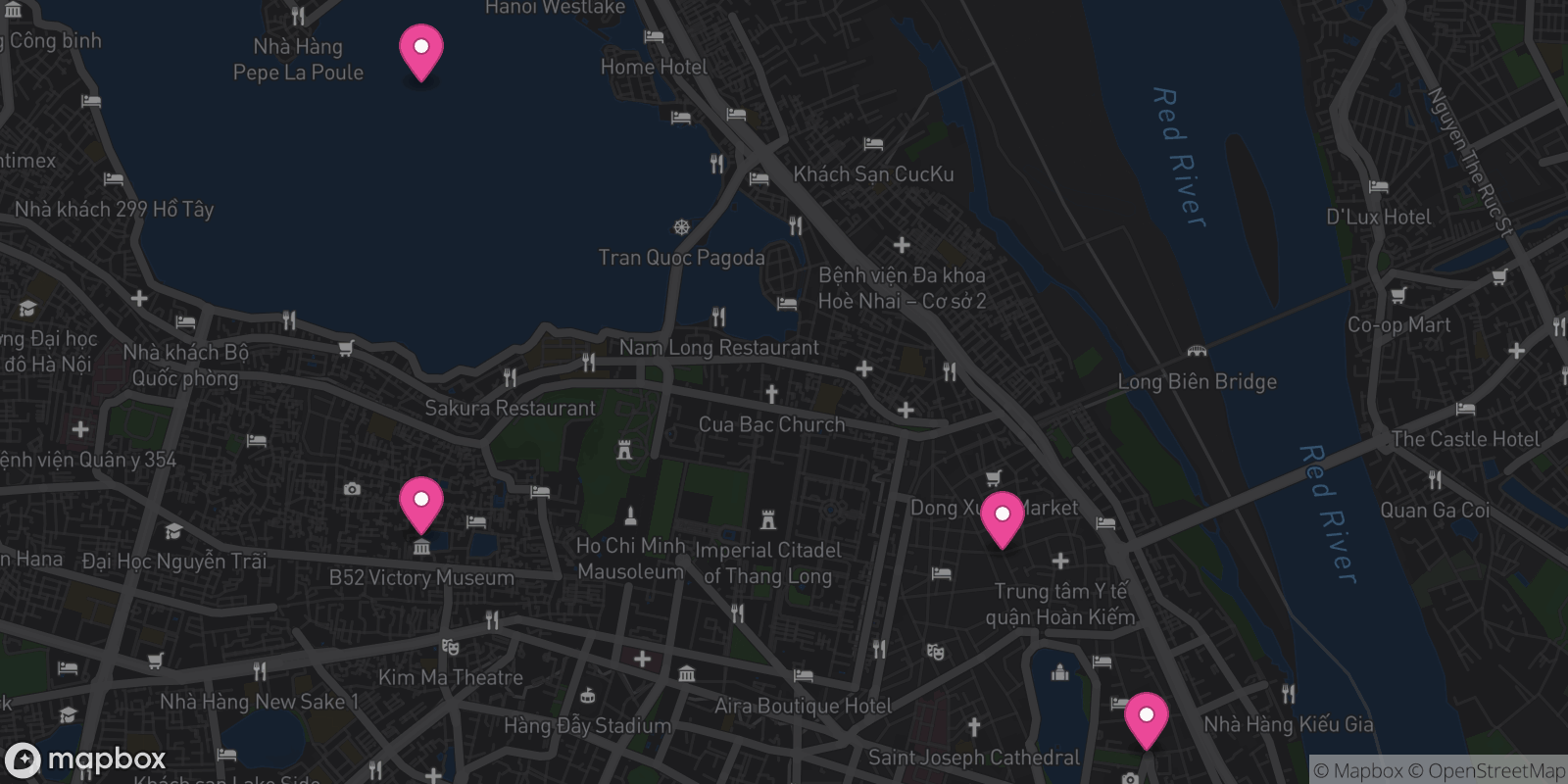
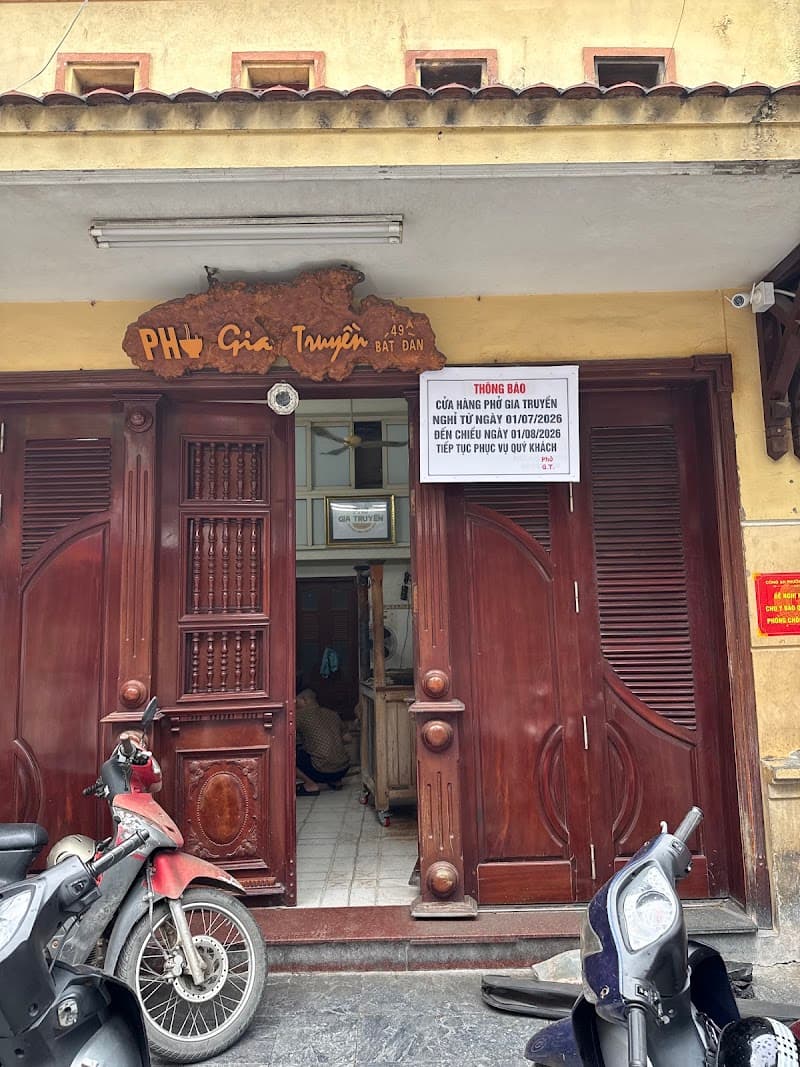
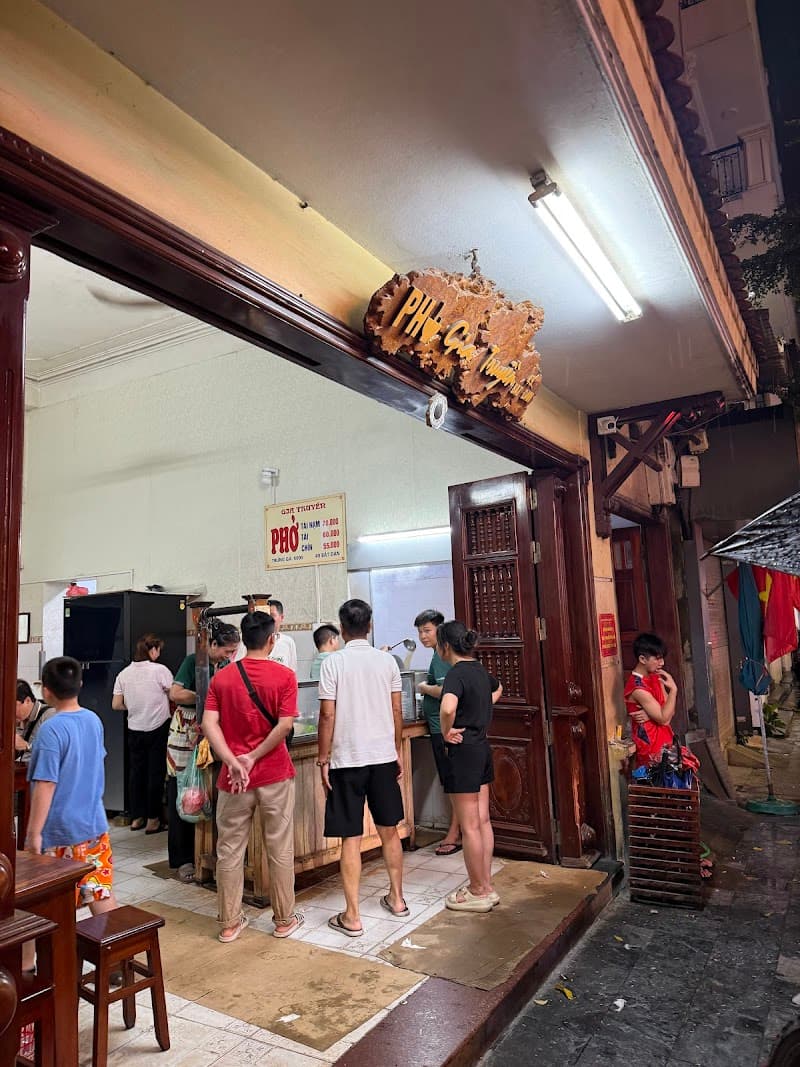

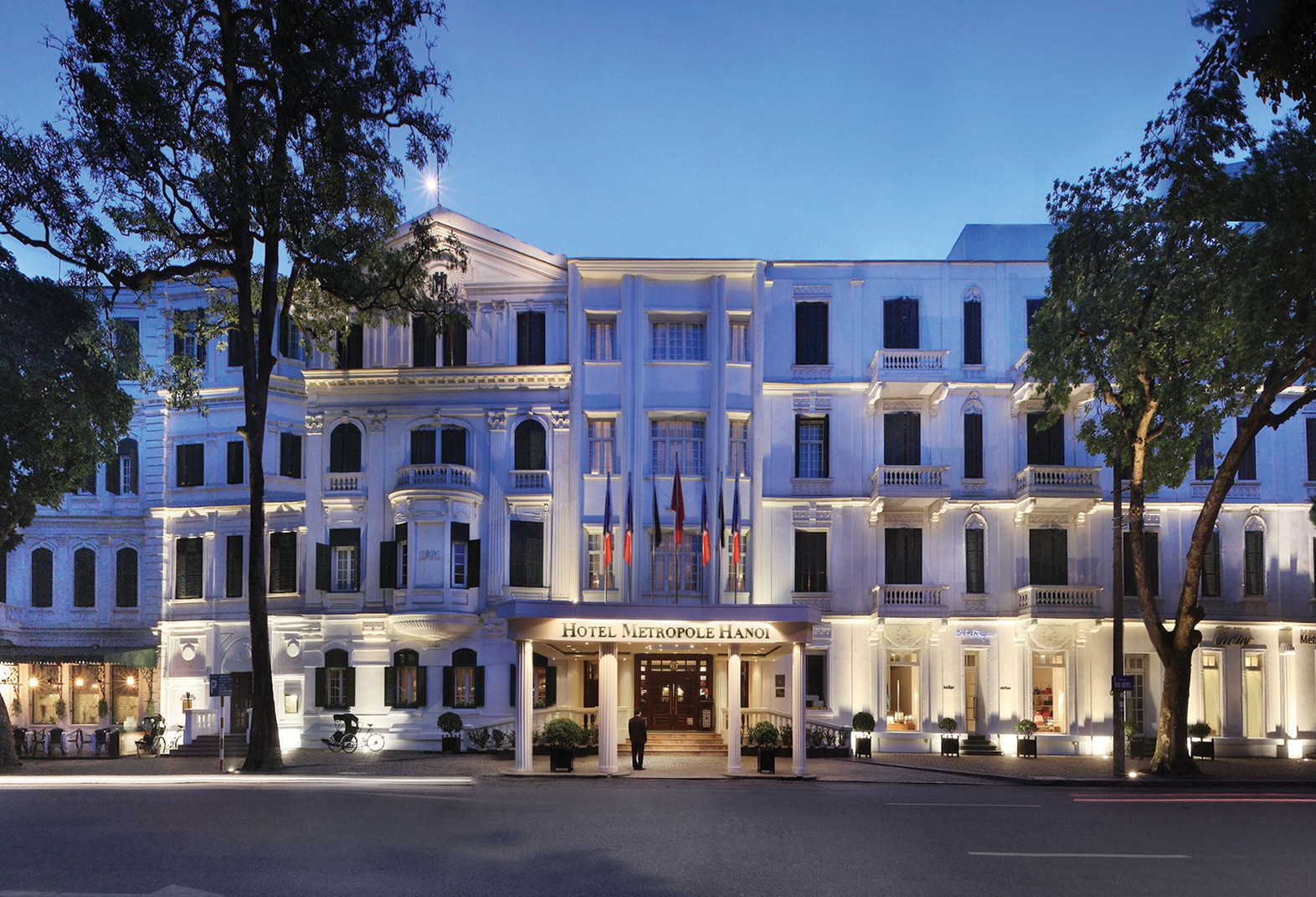
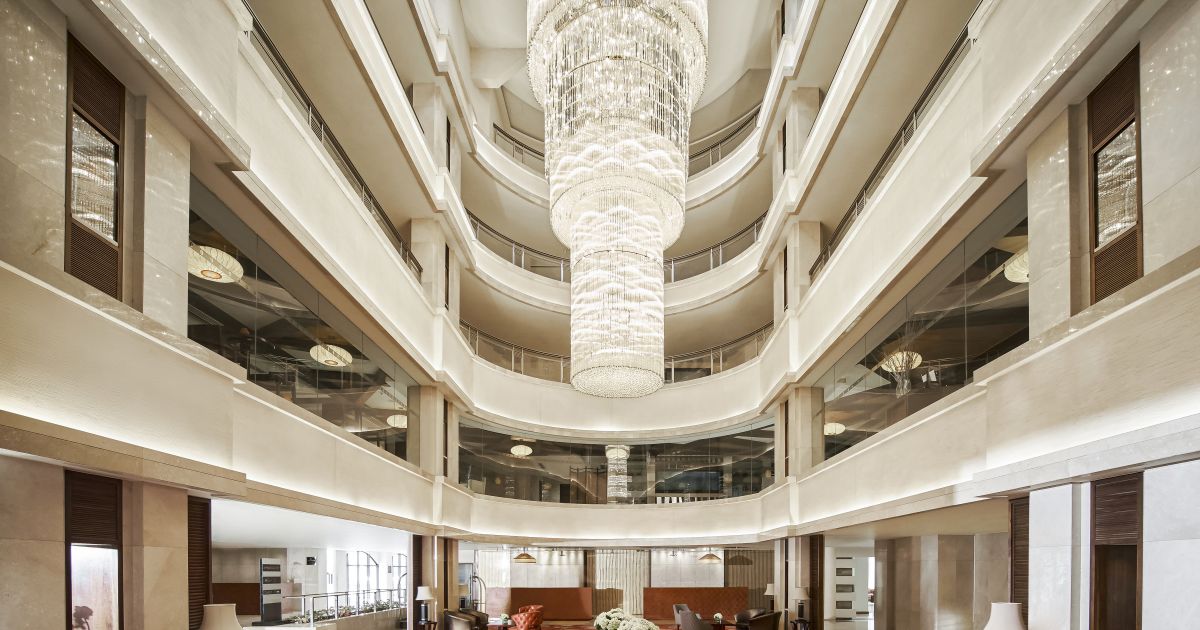
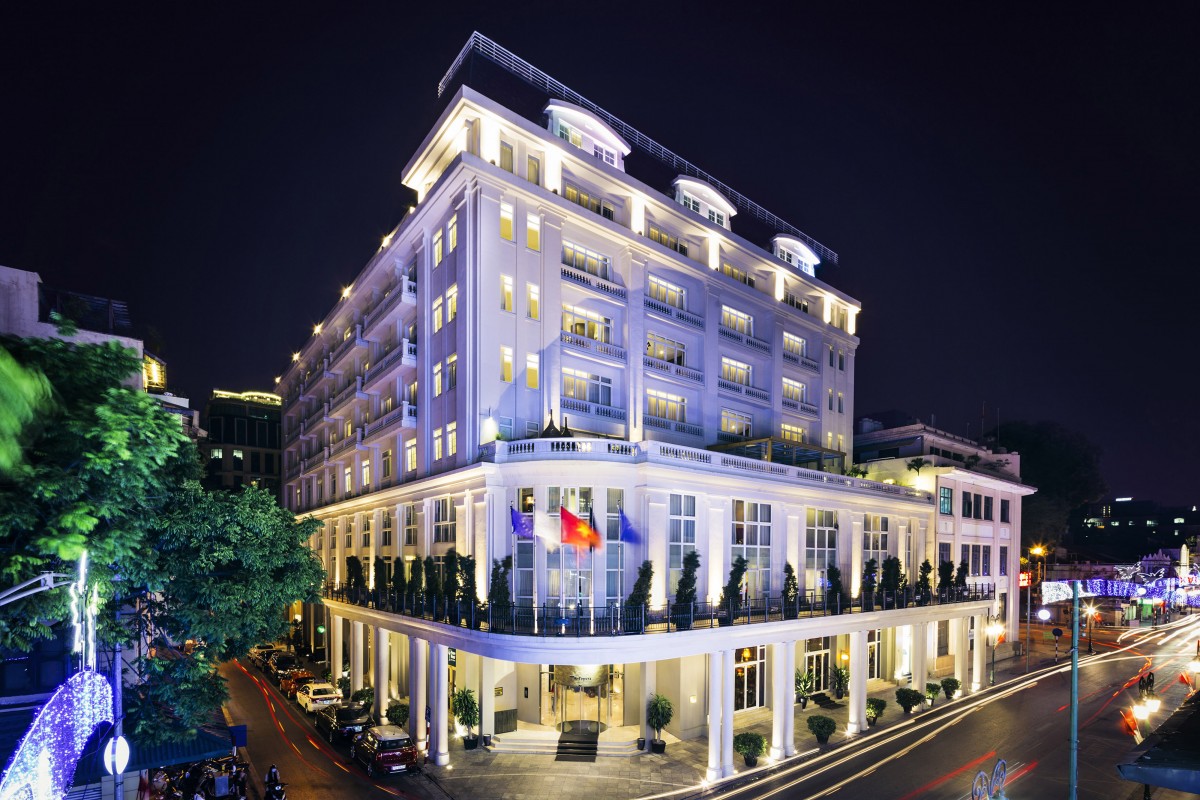
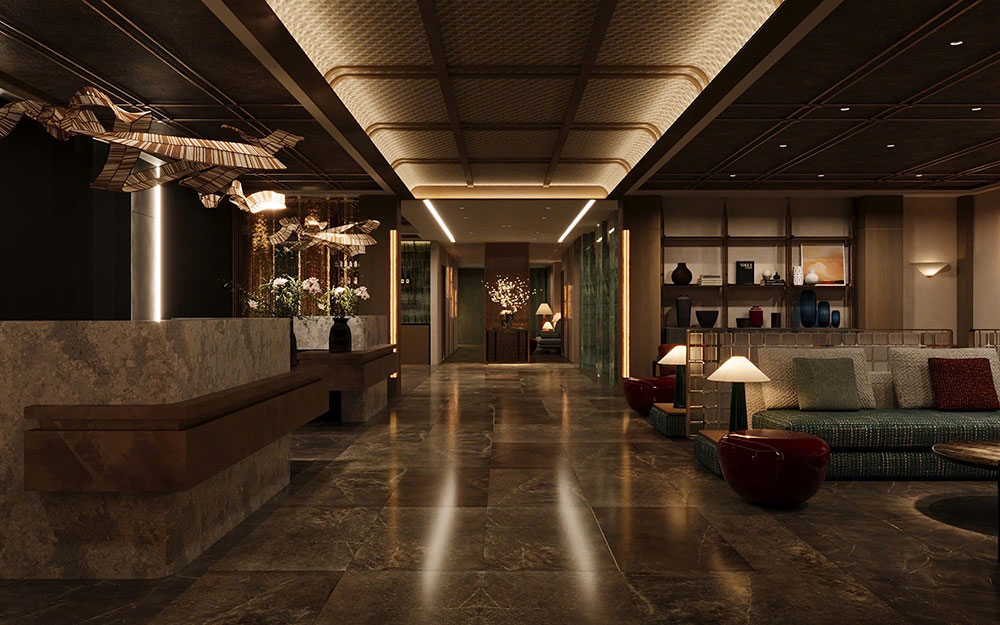
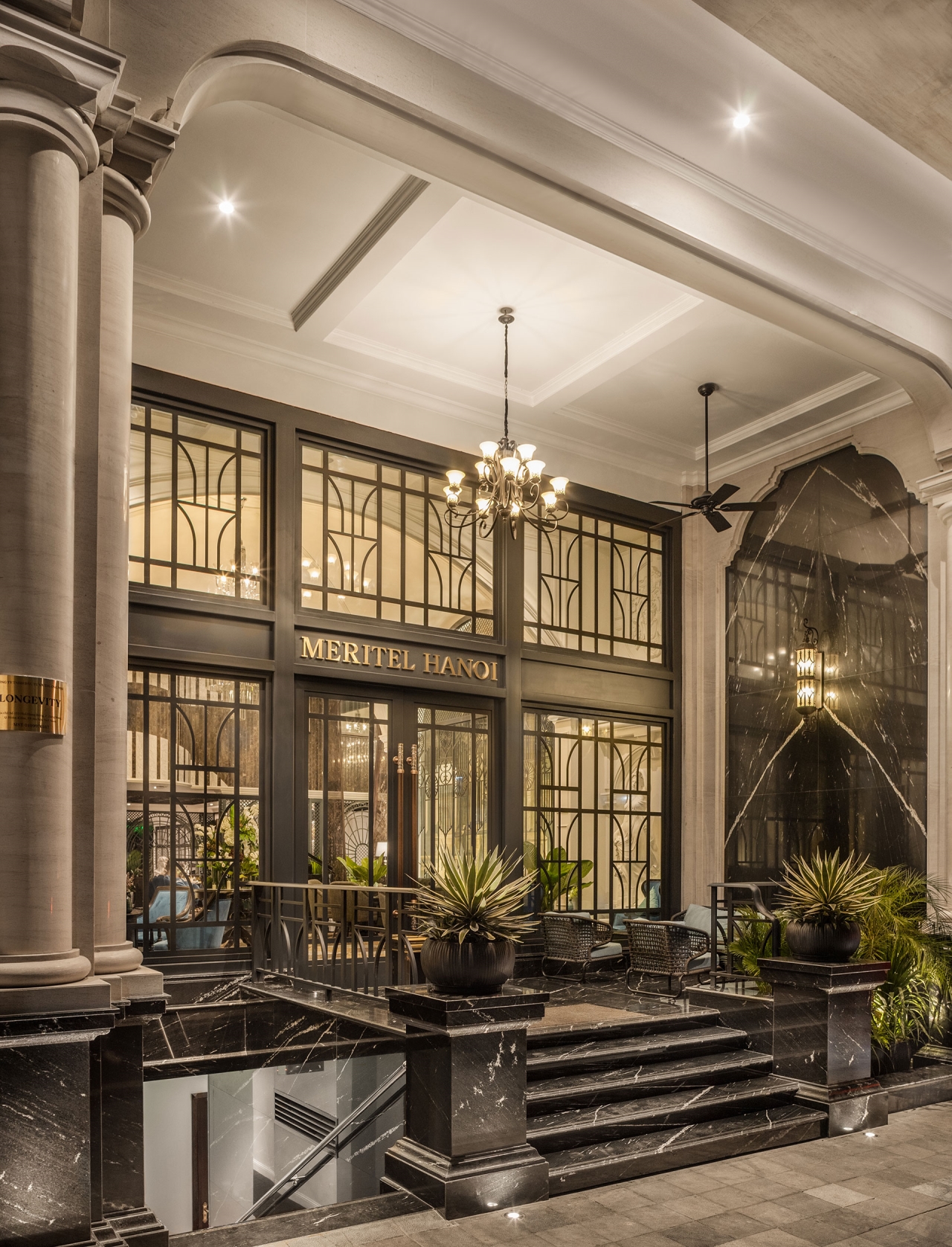
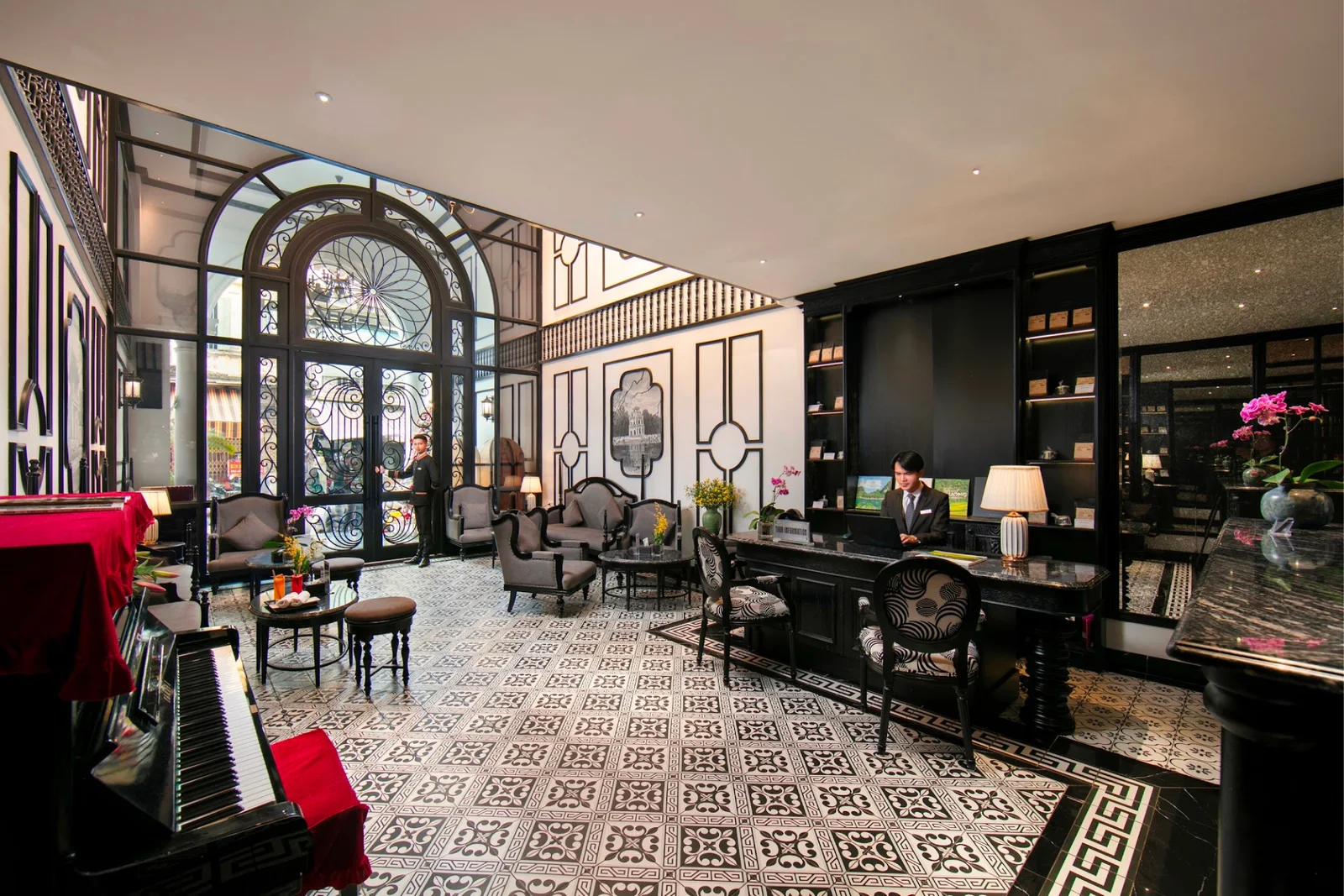
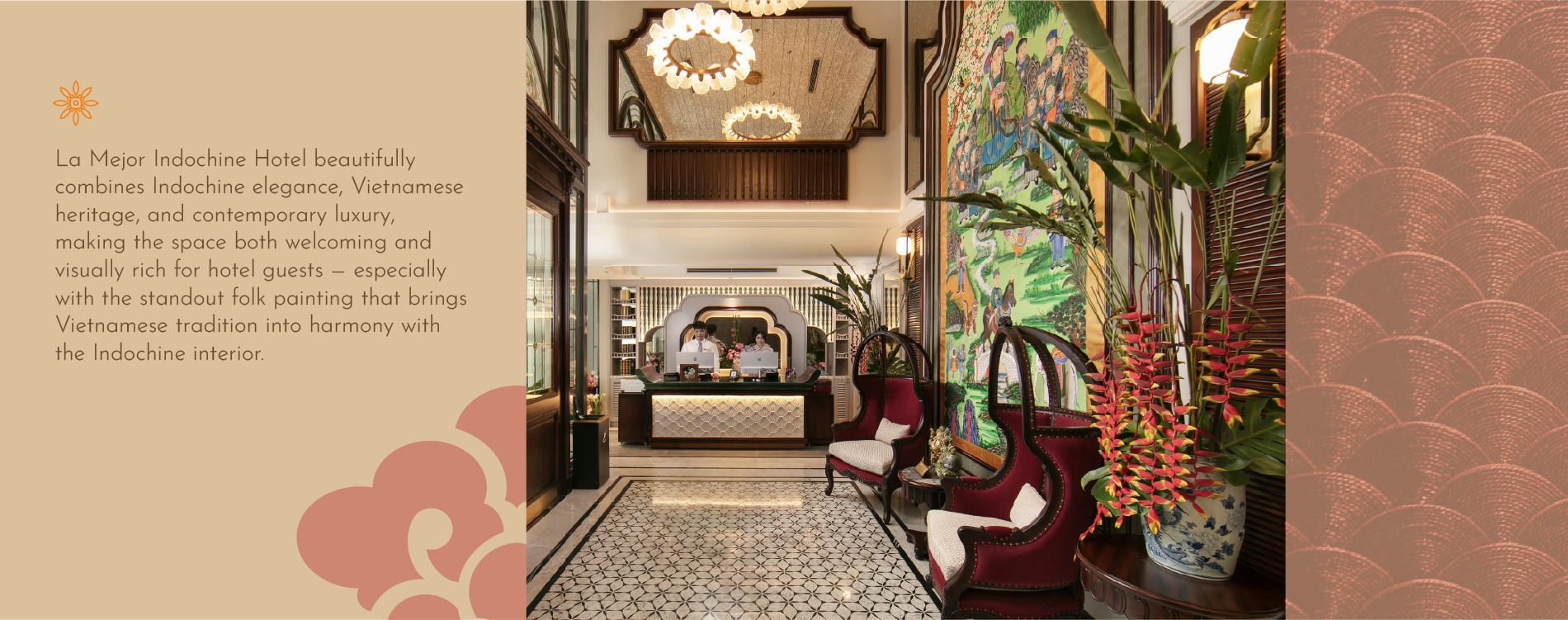
Where to Stay in Hanoi
9 recommended properties


Things to Do in Hanoi
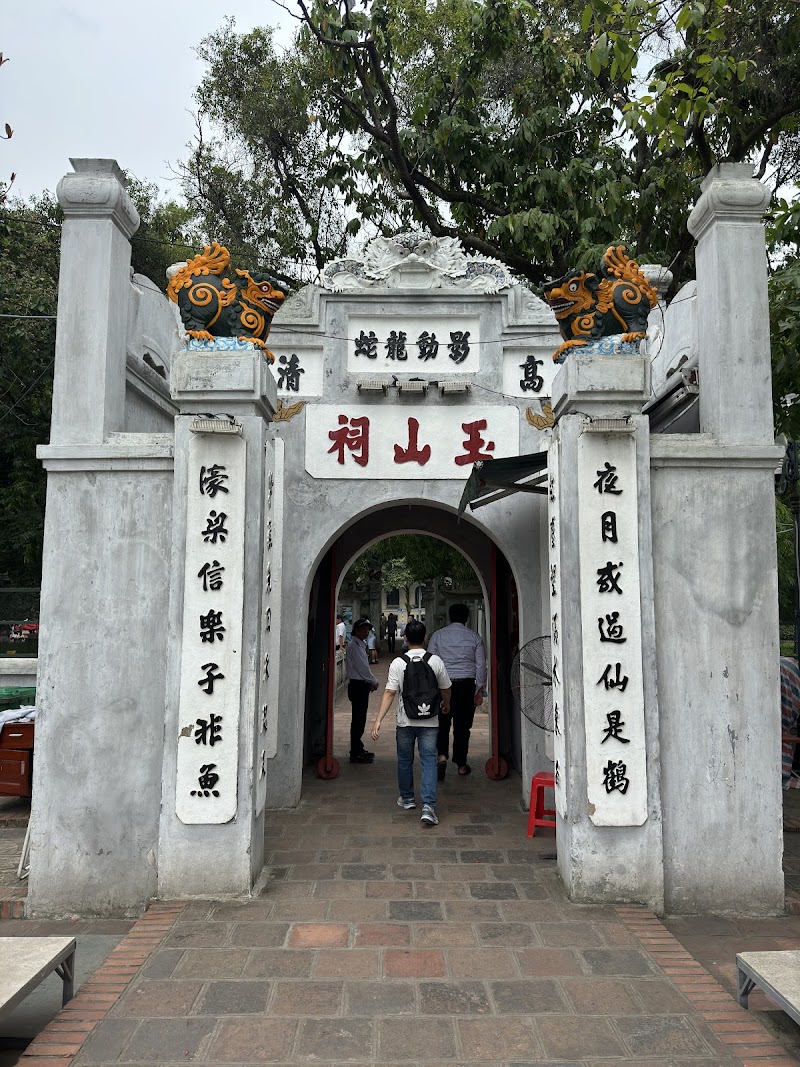
Hoan Kiem Lake and Ngoc Son Temple
Hoan Kiem District · 90 min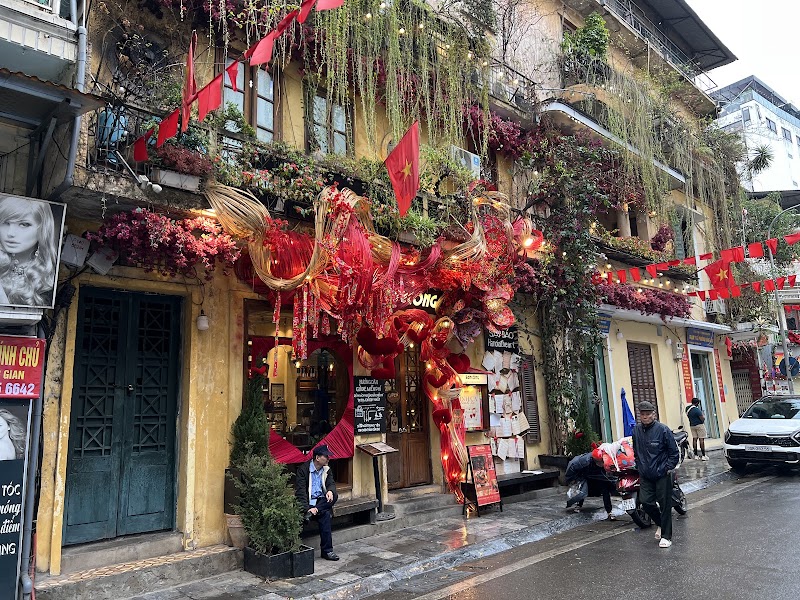
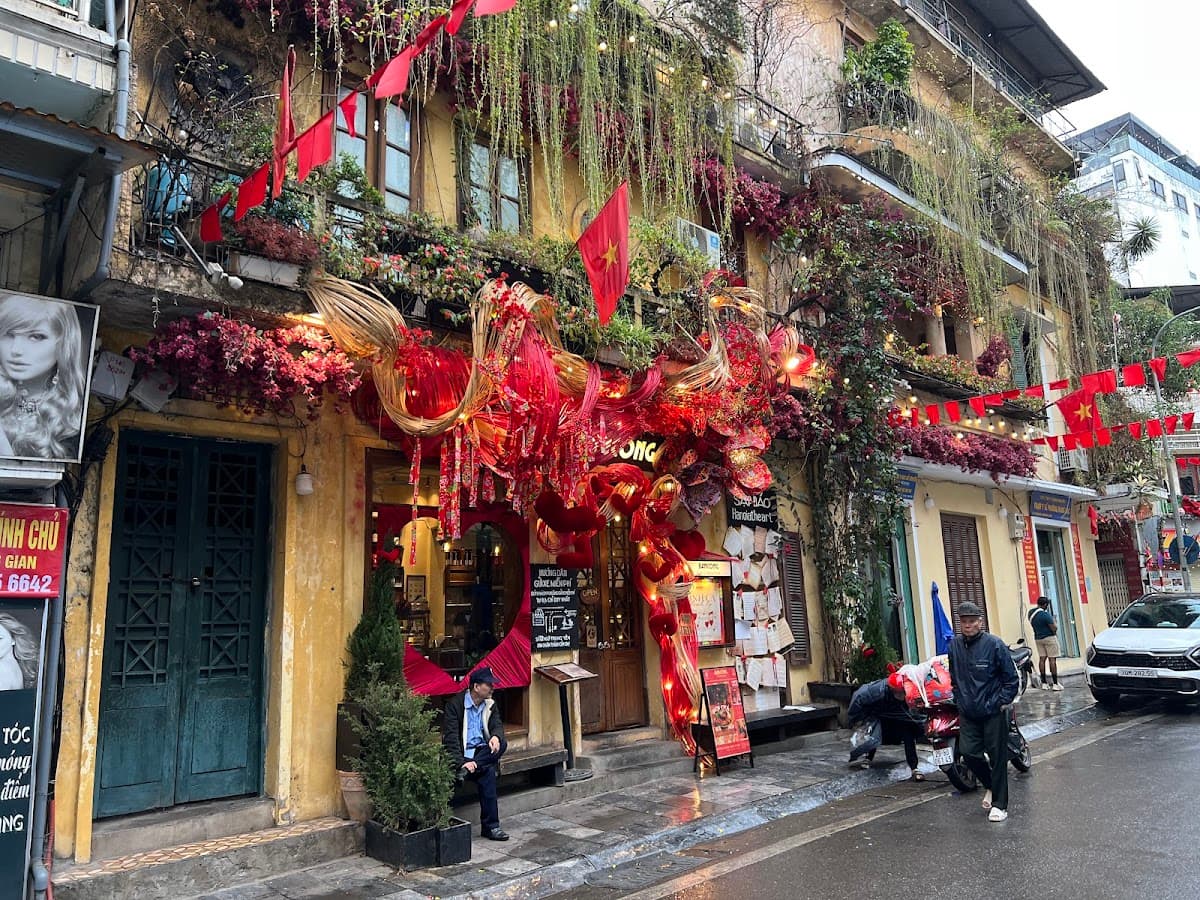
Old Quarter Street Walk
Old Quarter · 120 min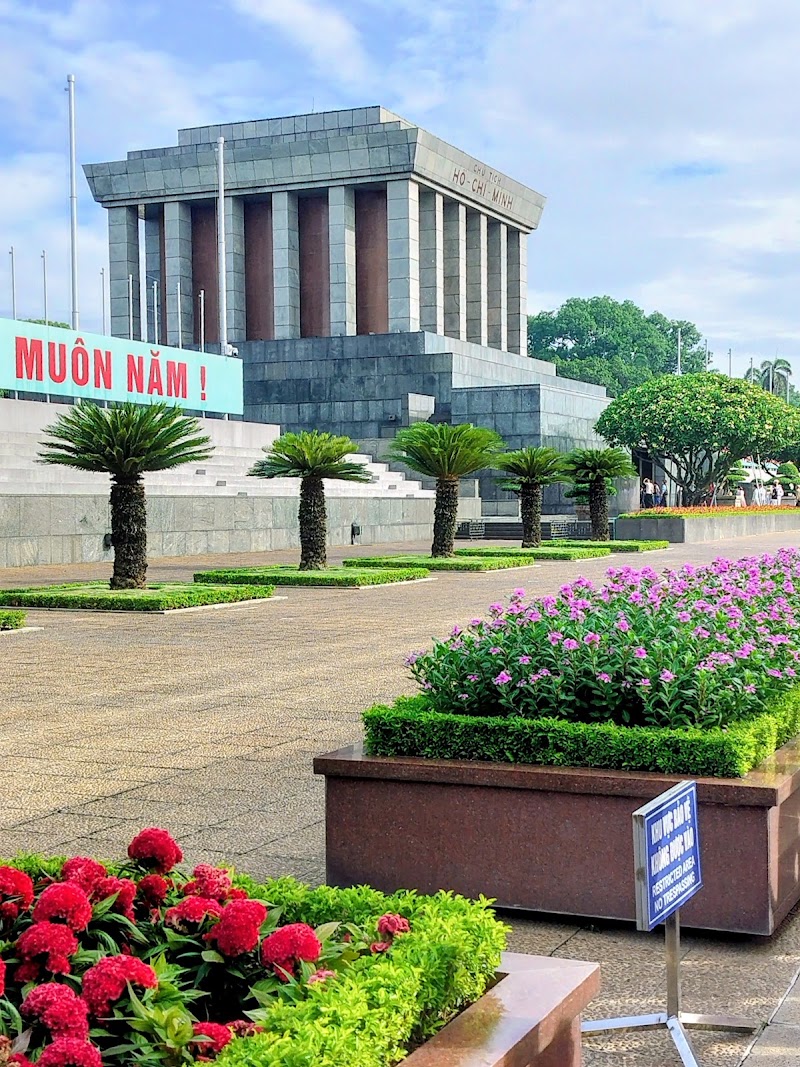
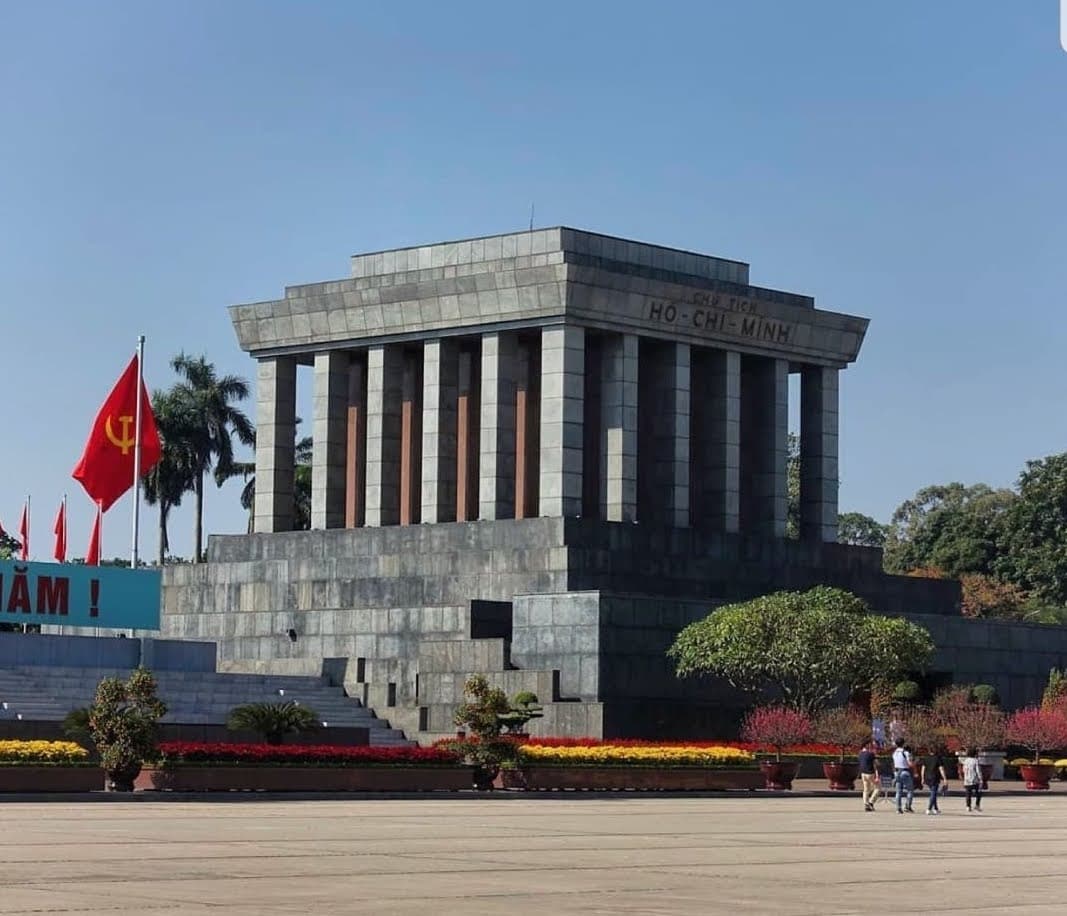
Ho Chi Minh Mausoleum Complex
Ba Dinh District · 120 minMoney-Saving Tips
- 1.Street food costs 20,000-50,000 VND ($0.80-$2) per meal - eat where locals eat for the best prices and flavors
- 2.Grab rides cost half the price of hotel taxis - download the app and pay in cash to avoid card fees
- 3.Bargain at markets but not at restaurants - food prices are already rock bottom and haggling insults the cook
- 4.ATMs charge 22,000 VND withdrawal fees - take out larger amounts to minimize charges
- 5.Bia hoi (fresh beer) costs 8,000-15,000 VND versus 50,000+ VND for bottled beer in tourist areas
- 6.Buy a local SIM card at the airport for 100,000 VND - hotel WiFi is unreliable and data roaming expensive
Travel Tips
- •Pack earplugs - Hanoi never sleeps and motorbike horns start at 5am
- •Download Google Translate with Vietnamese offline - menus rarely have English
- •Carry tissues and hand sanitizer - public restrooms vary wildly in cleanliness
- •Wear closed-toe shoes - sidewalks double as kitchens and the Old Quarter floods when it rains
- •Learn basic Vietnamese numbers - vendors respect the effort and prices drop
- •Book restaurants in advance for dinner - popular spots fill up by 7pm
- •Keep your bag zipped and in front - pickpockets work the tourist areas
- •Tip 10% at sit-down restaurants but not at street stalls - different rules for different venues