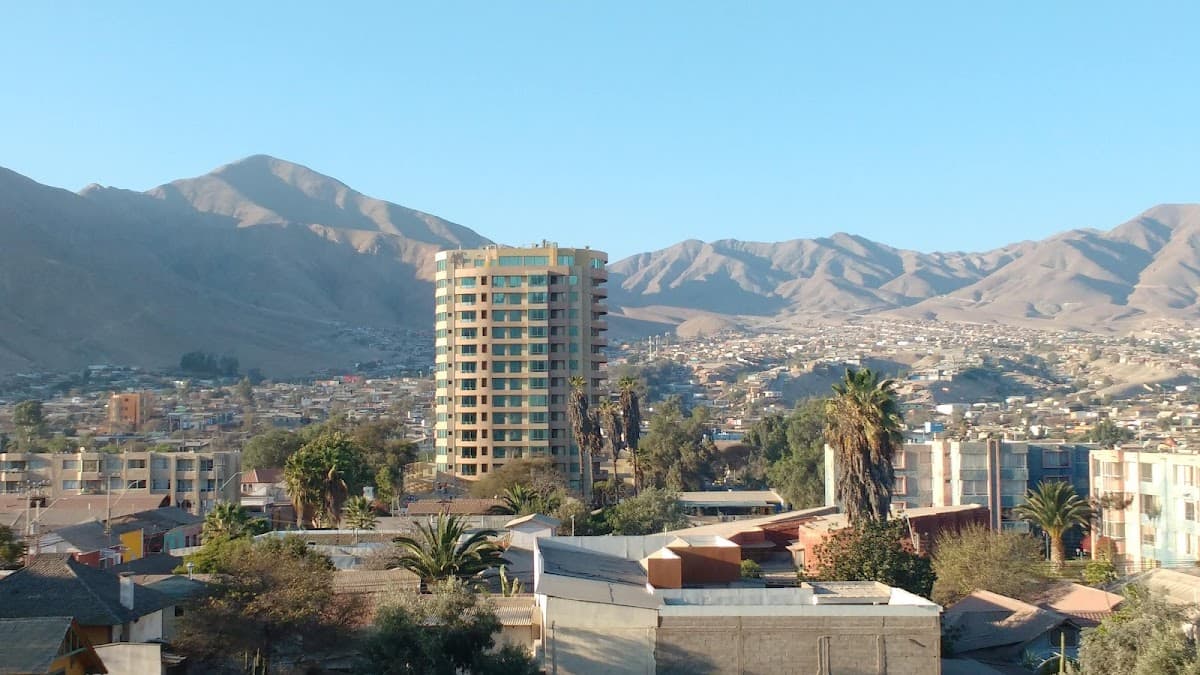
Atacama
Earth's driest desert reveals otherworldly landscapes and starscapes
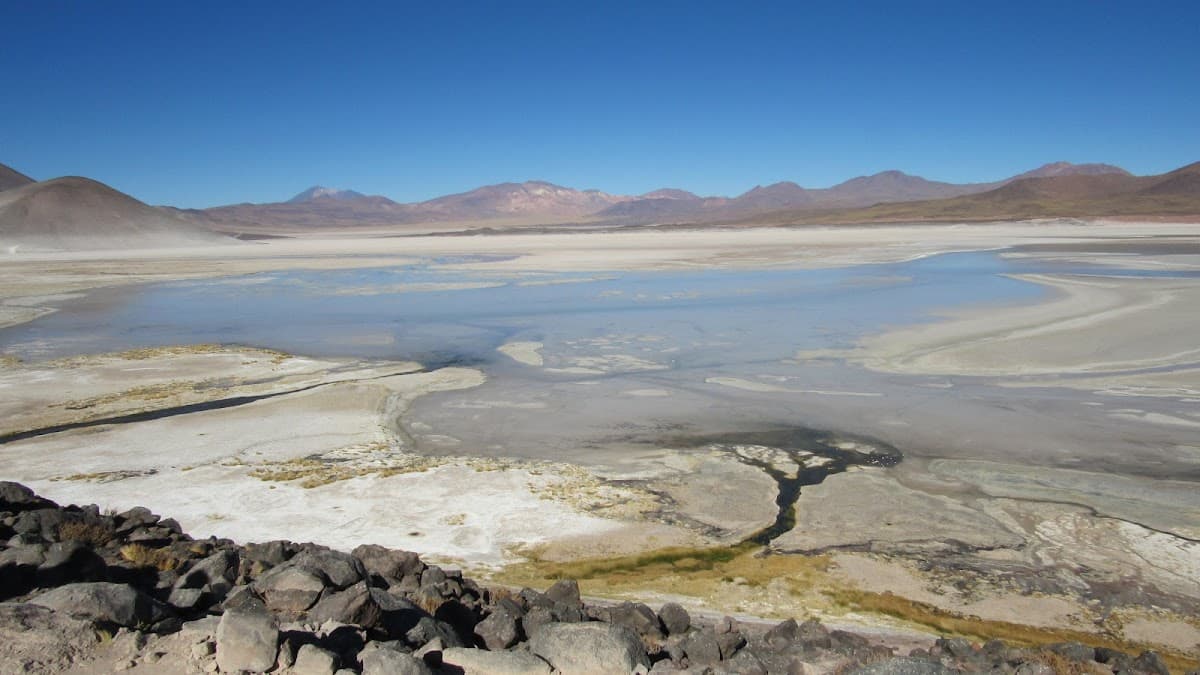
The Atacama Desert doesn't mess around. This is Earth's driest non-polar desert, where some weather stations have never recorded rainfall. But here's the thing — that extreme dryness creates something magical. You'll find landscapes so alien that NASA tests Mars rovers here, salt flats that stretch to infinity, and night skies so clear you can see the Milky Way with your naked eye. Based in San Pedro de Atacama, you're looking at flamingo-filled lagoons, geysers shooting steam at sunrise, and valleys that look like they belong on another planet. The high altitude hits hard at 2,400 meters, and the temperature swings are brutal — scorching days, freezing nights. But if you can handle the extremes, the Atacama rewards you with some of the most otherworldly scenery on the planet.
Explore Cities
Explore the Region
Money-Saving Tips
- 1.Book tours directly with operators in San Pedro rather than through your hotel - you'll save 20-30% on markup
- 2.Bring cash in Chilean pesos - ATMs are scarce and charge hefty fees, plus many small operators don't accept cards
- 3.Pack all the gear you need before arriving - everything costs 2-3x more in San Pedro than in Santiago due to remote location
- 4.Stay in hostels during shoulder season (April-May, Sept-Oct) when prices drop but weather is still excellent
- 5.Buy water and snacks in bulk at the supermarket rather than from tour operators who charge premium prices
- 6.Consider multi-day tours that include accommodation - they're often cheaper than booking separately
- 7.Avoid eating at restaurants right on Caracoles Street - walk one block over for the same food at local prices
Travel Tips
- •Start taking altitude sickness medication 24 hours before arriving - San Pedro sits at 2,400m and many tours go higher
- •Pack layers for extreme temperature swings - shorts for 30°C days, winter jacket for below-freezing nights
- •Bring high SPF sunscreen and reapply constantly - the thin air and reflective salt flats create brutal UV exposure
- •Download offline maps before heading out - cell service disappears quickly outside San Pedro
- •Carry more water than you think you need - the dry air dehydrates you faster than normal climates
- •Book stargazing tours for your first clear night - weather can change quickly and ruin later opportunities
- •Respect photography restrictions at indigenous sites - some lagoons and villages prohibit cameras
- •Bring cash for entrance fees to national parks and reserves - cards aren't accepted at remote locations
Frequently Asked Questions
Explore Atacama
Ready to explore Atacama?
Get a personalized itinerary in seconds with Takeoff.
Free on iOS. No credit card required.