Atacama Desert
Earth's driest desert reveals otherworldly landscapes and starscapes
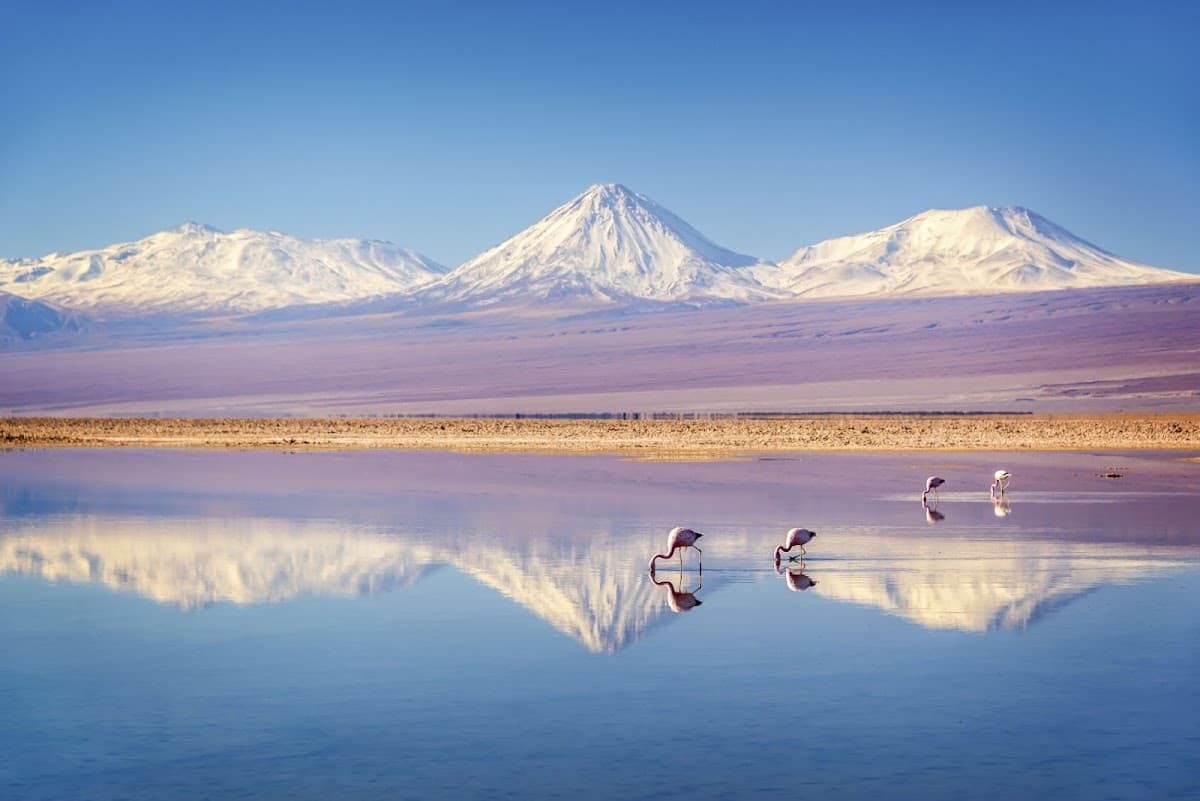
The Atacama Desert doesn't just challenge your expectations—it obliterates them. This 600-mile stretch of northern Chile receives less rainfall than Antarctica, creating a landscape so alien that NASA tests Mars rovers here. But here's what the science books don't tell you: standing in the Valley of the Moon at sunset, watching shadows creep across formations that look like they belong on another planet, you'll understand why this place draws travelers from across the globe. The air is so clear and dry that you can see the Milky Way with your naked eye, making it one of the world's premier stargazing destinations. And despite being the driest place on Earth, the Atacama pulses with life—flamingo-filled salt flats, steaming geysers, and indigenous communities who've called this desert home for centuries.
Itineraries coming soon
We're working on adding amazing itineraries for Atacama Desert. In the meantime, try the app to create your own!
Money-Saving Tips
- 1.Book geyser tours the night before to secure early morning spots - they fill up fast and cost the same regardless of when you book
- 2.Buy water and snacks in Calama before heading to San Pedro - prices double in the tourist town
- 3.Split costs on 4WD rentals with other travelers - most attractions require groups anyway for safety
- 4.Eat lunch at local markets instead of restaurants - a full meal costs $4 vs $15 at tourist spots
- 5.Pack your own altitude sickness medication - pharmacies in San Pedro charge premium prices for basic remedies
- 6.Choose tours that combine multiple attractions in one day - individual site visits add up quickly
- 7.Stay in hostels with kitchen access - restaurant meals get expensive after a few days
- 8.Negotiate multi-day tour packages - operators often discount when you book 3+ activities together
Travel Tips
- •Arrive 2-3 days early to acclimatize to the altitude - many attractions sit above 12,000 feet
- •Download offline maps before leaving WiFi zones - GPS signals can be spotty in remote areas
- •Pack both summer and winter clothes regardless of season - temperature swings are extreme
- •Bring high-SPF sunscreen and reapply constantly - the thin air offers no UV protection
- •Start geyser tours at 4 AM - the steam is most visible in cold morning air
- •Book stargazing tours during new moon phases for the clearest night sky views
- •Carry cash - most small towns don't accept cards and ATMs are scarce outside San Pedro
- •Respect photography restrictions at indigenous sites - some locations prohibit cameras entirely
- •Stay hydrated but don't overdo it - altitude sickness can worsen with too much water consumption
- •Book accommodations in advance during peak season - San Pedro has limited lodging options
Frequently Asked Questions
Explore Atacama Desert
Ready to explore Atacama Desert?
Get a personalized itinerary in seconds with Takeoff.
Free on iOS. No credit card required.