Basque Country
Culinary excellence meets ancient culture and coastline
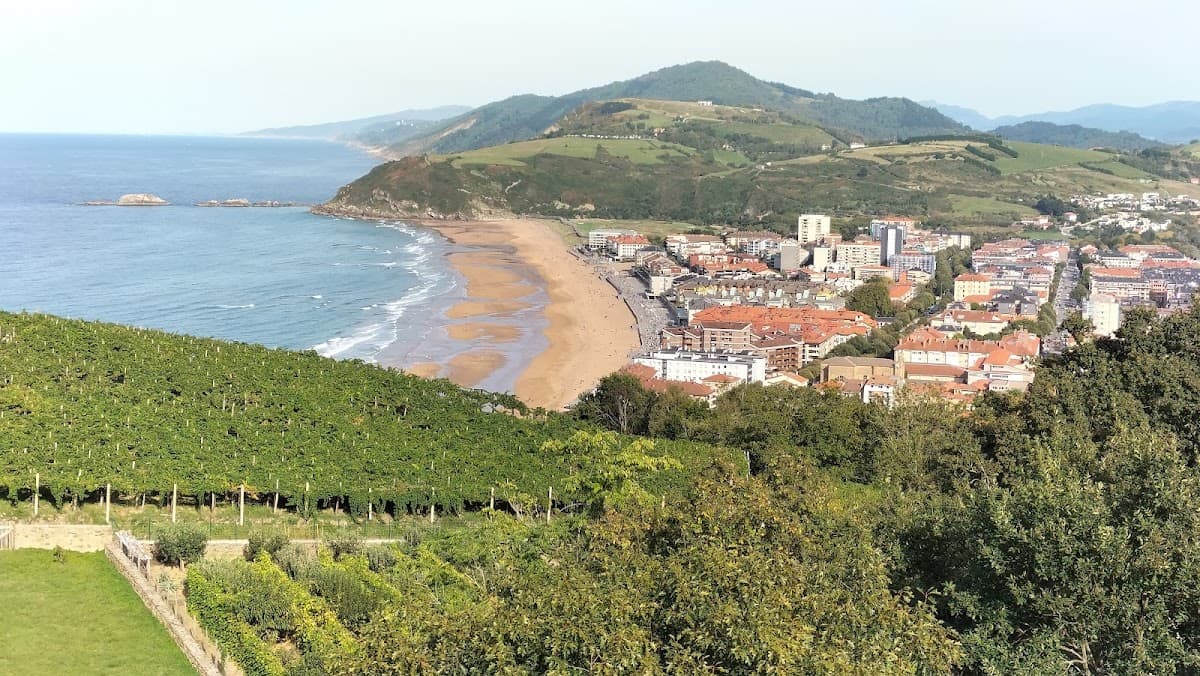
The Basque Country doesn't play by Spain's rules. Here, ancient stone villages dot green hills that roll straight into the Bay of Biscay. Chefs earn more Michelin stars per capita than anywhere else on Earth. And locals speak Euskera, a language that predates Latin by millennia.
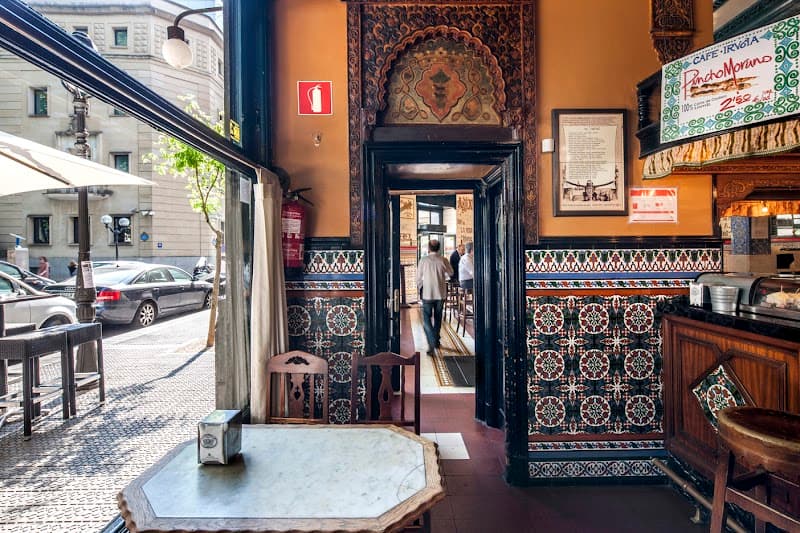
This isn't your typical Spanish getaway. Sure, you'll find incredible beaches along the Costa Vasca. But you'll also stumble into pintxos bars where the counter groans under plates of culinary art, each costing just €2. The region splits between three provinces - Gipuzkoa, Bizkaia, and Álava - each with its own personality.
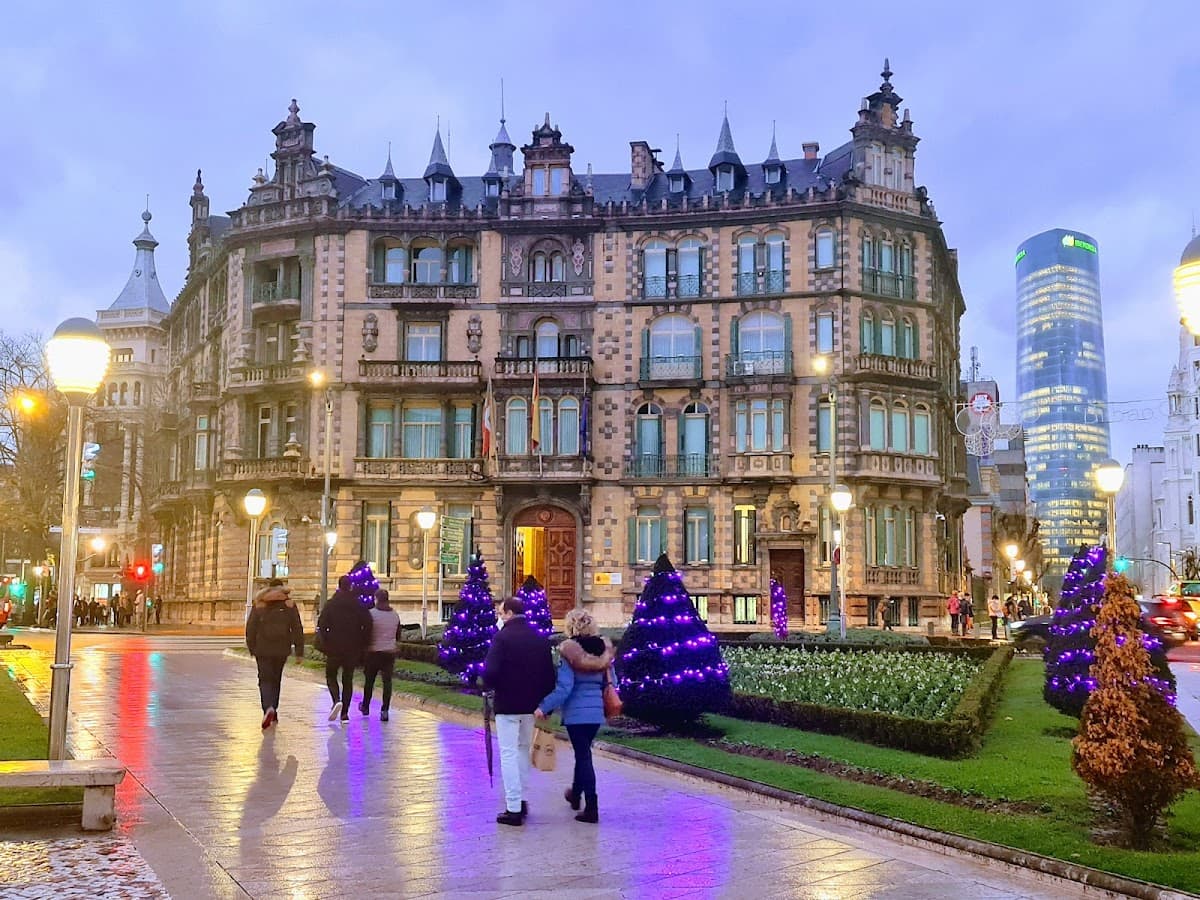
San Sebastián draws food pilgrims to its constellation of starred restaurants. Bilbao reinvented itself as an art capital around the titanium curves of the Guggenheim. Smaller towns like Getaria and Hondarribia preserve centuries-old traditions while serving some of the best seafood you'll ever taste.
Explore Cities
Explore the Region
Basque Country Itineraries
Money-Saving Tips
- 1.Skip expensive hotel restaurants - the best pintxos cost €2-3 each at local bars
- 2.Buy a Basque Country tourism card for discounts on museums and attractions
- 3.Shop at local markets like Mercado de la Ribera in Bilbao for fresh produce and cheese
- 4.Many beaches offer free parking if you arrive before 10 AM
- 5.Lunch menus (menú del día) at non-touristy restaurants cost €12-18 for three courses
- 6.Txakoli wine costs half the price when bought directly from producers
- 7.Public transport day passes save money if you're making multiple trips
- 8.Avoid restaurants directly on La Concha beach - walk two blocks inland for better prices
Travel Tips
- •Learn basic Basque greetings - locals appreciate the effort even if they speak Spanish
- •Make restaurant reservations well in advance, especially for Michelin-starred places
- •Carry cash - many pintxos bars don't accept cards for small purchases
- •Pack layers and rain gear regardless of season - weather changes quickly
- •Try different pintxos at each bar rather than eating a full meal at one place
- •Visit beaches early morning or late afternoon to avoid crowds and find parking
- •Download the EuskoTren app for real-time public transport information
- •Ask for recommendations at your hotel - locals know the best hidden spots
Frequently Asked Questions
Explore Basque Country
BUILD YOUR
BASQUE COUNTRY PLAN
Insider picks, smart timing, and a plan ready when you are.
Start Planning