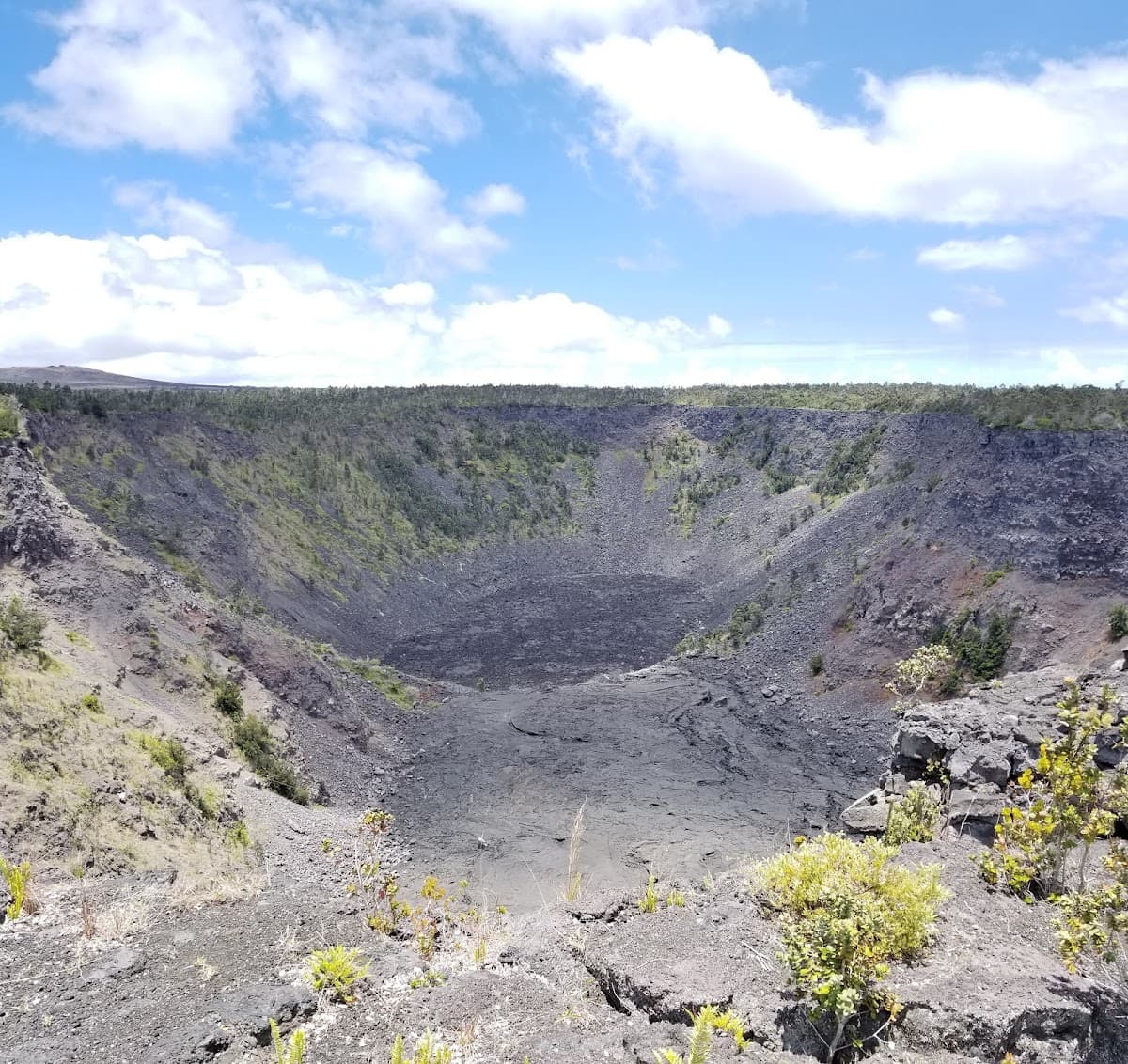
Big Island Volcanoes Region
Witness Earth's raw power in volcanic wonderland
The Big Island's Volcanoes Region puts you face-to-face with Earth's creative forces. Here, molten lava meets the Pacific Ocean in dramatic explosions of steam, while ancient craters tell stories spanning millions of years. This isn't your typical Hawaiian vacation spot with white sand beaches and mai tais. Instead, you'll walk across hardened lava fields that crunched under your boots just decades ago, peer into glowing volcanic vents, and witness landscapes so otherworldly that NASA trains astronauts here. The region centers around Hawaii Volcanoes National Park, where Kilauea volcano has been actively reshaping the island since 1983. But beyond the headline attraction, you'll find quirky volcanic towns, black sand beaches, and some of the most unique dining experiences on the planet.
Itineraries coming soon
We're working on adding amazing itineraries for Big Island Volcanoes Region. In the meantime, try the app to create your own!
Money-Saving Tips
- 1.Hawaii Volcanoes National Park charges $30 per vehicle for 7 days - buy the annual pass for $55 if you're staying more than a week
- 2.Fill up your gas tank in Hilo before heading to the park - gas stations near the volcanoes charge 30-50 cents more per gallon
- 3.Pack your own snacks and water for park visits - the Volcano House restaurant charges resort prices ($18 sandwiches)
- 4.Stay in Volcano Village B&Bs instead of hotels - you'll pay $120-150/night vs $300+ at Volcano House
- 5.Visit the Sunday Pahoa farmers market for cheap tropical fruits - dragon fruit costs $2 here vs $8 in grocery stores
- 6.Rent a 4WD vehicle only if you plan to access active lava flows - standard cars handle all paved park roads fine and cost $40/day less
Travel Tips
- •Download offline maps before visiting - cell service is spotty throughout the volcanic region, especially inside the national park
- •Bring warm clothes even in summer - temperatures drop to 50°F at Kilauea's summit and it can be windy and rainy
- •Start your park visit early (7-8am) to secure parking at popular viewpoints like Kilauea Overlook
- •Check USGS Hawaiian Volcano Observatory website daily for current volcanic activity and road closures
- •Pack a flashlight for night lava viewing - park lighting is minimal and trails can be dark
- •Wear closed-toe shoes with good grip - volcanic rock is sharp and can slice through flip-flops easily
- •Bring plenty of water for hiking - the dry volcanic air and high elevation cause dehydration quickly
- •Respect all barriers and warning signs - volcanic gases can be deadly and ground can collapse without warning
Frequently Asked Questions
Explore Big Island Volcanoes Region
Ready to explore Big Island Volcanoes Region?
Get a personalized itinerary in seconds with Takeoff.
Free on iOS. No credit card required.