Subregion
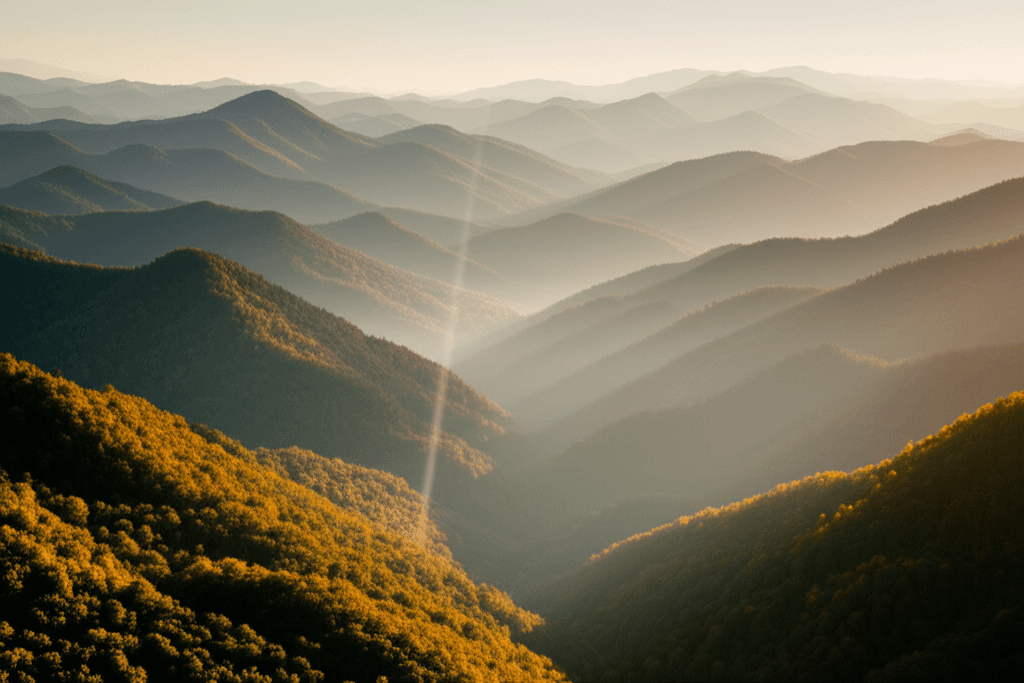
Blue Ridge Mountains
America's oldest mountain range draped in misty blue
The Blue Ridge Mountains stretch 615 miles from Georgia to Pennsylvania, earning their name from the bluish haze that drifts across their ancient peaks. At 1.2 billion years old, these are some of the planet's most weathered summits, worn smooth by time and wrapped in forests that explode with color each fall. You'll find mountain towns where banjo music spills from porches, craft breweries tucked into valleys, and hiking trails that lead to waterfalls older than the Appalachians themselves. The pace here moves slower than the rest of America – and that's exactly the point.
Explore Cities
Explore the Region

Cities
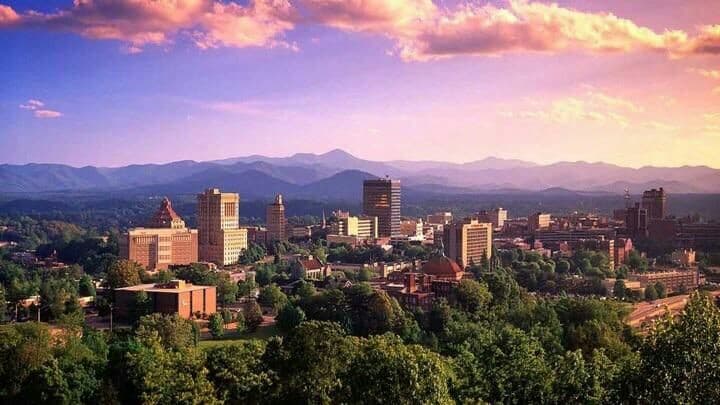
1 destination
Blue Ridge Mountains Itineraries

The Blue Ridge Mountains form the eastern edge of the larger Appalachian range, running through six states with their highest peaks in North Carolina. Mount Mitchell tops out at 6,684 feet – the tallest point east of the Mississippi. The range divides into distinct sections: Virginia's Shenandoah region with its famous Skyline Drive, North Carolina's Great Smoky Mountains where tourism meets wilderness, and Georgia's shorter but steep southern terminus. Two national parks bookend the range – Shenandoah in Virginia and Great Smoky Mountains straddling the North Carolina-Tennessee border. But here's what makes the Blue Ridge special: unlike the jagged Rockies or volcanic Cascades, these mountains roll in gentle waves, their slopes covered in dense deciduous forests that create that signature blue mist. The Cherokee called them Shaconage – 'place of the blue smoke' – long before European settlers arrived.
Money-Saving Tips
- 1.Buy the America the Beautiful Annual Pass ($80) if visiting multiple national parks – pays for itself in two visits to Shenandoah and Great Smoky Mountains
- 2.Book Asheville accommodations outside downtown core – places like Black Mountain or Weaverville offer 30-40% savings with 20-minute drives
- 3.Pack lunches for Blue Ridge Parkway drives – roadside dining options are limited and overpriced at tourist overlooks
- 4.Visit state parks instead of national parks for similar views without entrance fees – Virginia's Hungry Mother and North Carolina's Grandfather Mountain State Park offer great alternatives
- 5.Time brewery visits during happy hours – most Asheville breweries offer $1-2 off pints from 3-6pm weekdays
- 6.Avoid peak foliage weekends in October – same views available Monday-Thursday with half the crowds and lodging costs
Travel Tips
- •Download offline maps before exploring remote areas – cell service disappears in mountain valleys and GPS can't help
- •Check Blue Ridge Parkway road conditions before driving – sections above 4,000 feet close frequently in winter
- •Bring layers even in summer – temperatures drop 3-5 degrees per 1,000 feet of elevation, and mountain weather changes fast
- •Book dinner reservations in Asheville 2-3 days ahead – the city's restaurant scene draws visitors from across the Southeast
- •Start hikes early to avoid afternoon thunderstorms – most mountain storms develop after 2pm from May through September
- •Carry cash in small mountain towns – many local businesses don't accept cards, especially at farmers markets and craft fairs
Frequently Asked Questions
Peak foliage typically runs from late September through early November, with higher elevations changing first. The best colors usually hit around October 10-20, but timing varies by elevation and weather. Check local foliage reports before traveling, as peak season can shift by 1-2 weeks depending on rainfall and temperature.
Explore Blue Ridge Mountains
Ready to explore Blue Ridge Mountains?
Get a personalized itinerary in seconds with Takeoff.
Free on iOS. No credit card required.