COUNTRY GUIDE
Bosnia and Herzegovina
Ottoman meets Austro-Hungarian in the Balkans
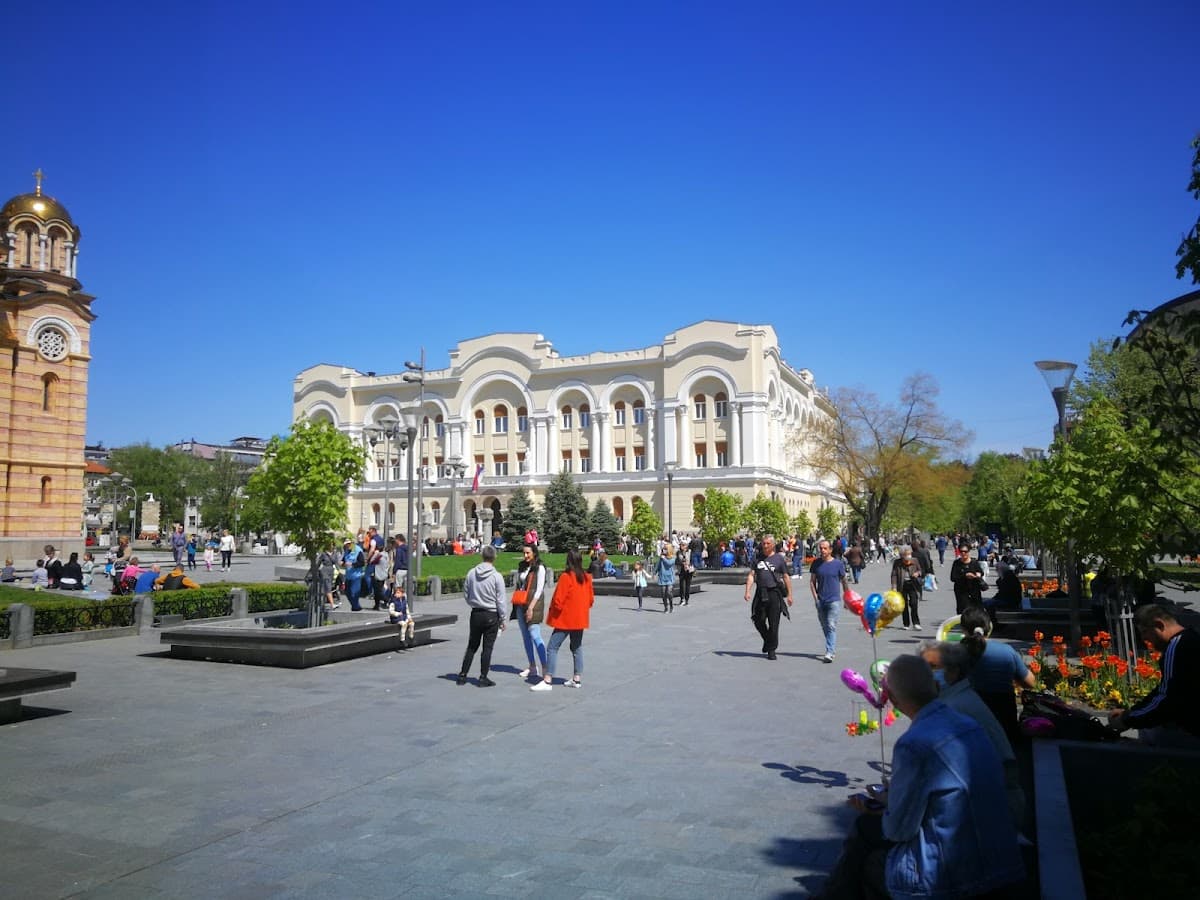
Look, Bosnia and Herzegovina isn't on everyone's radar yet. And that's exactly why you should go. This is where Ottoman minarets share skylines with Austro-Hungarian facades, where you can sip Turkish coffee in the morning and Austrian schnitzel for dinner. The scars of the 1990s conflict are still visible, but they tell an important story alongside centuries of cultural crossroads. Your money goes far here — a beer costs about 2 euros, and you can eat like royalty for 15. But here's the thing: this country rewards curious travelers who dig deeper than the Instagram spots.
Explore Cities


Explore the Region
Cities
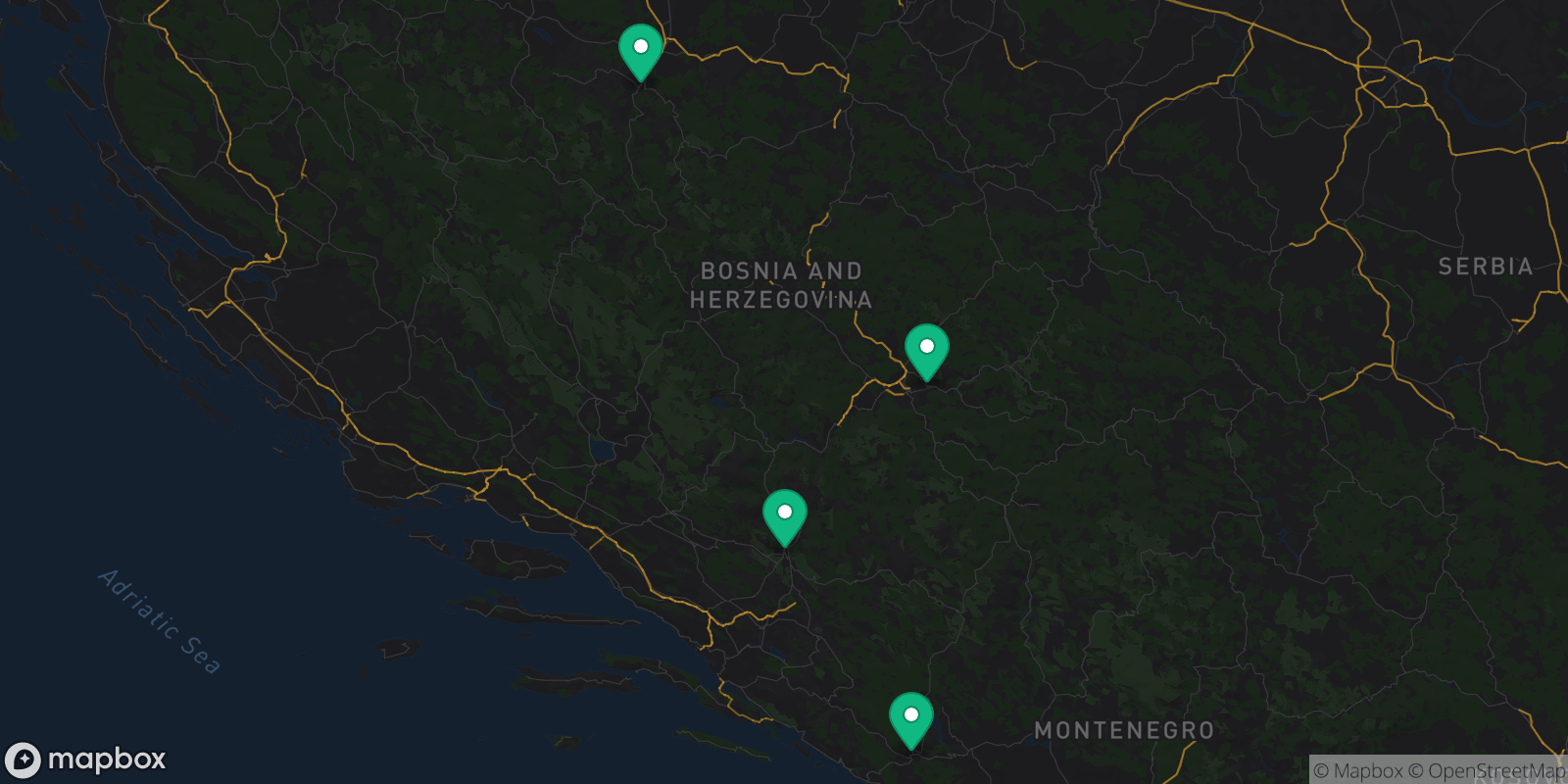
4 destinations
Bosnia and Herzegovina Itineraries
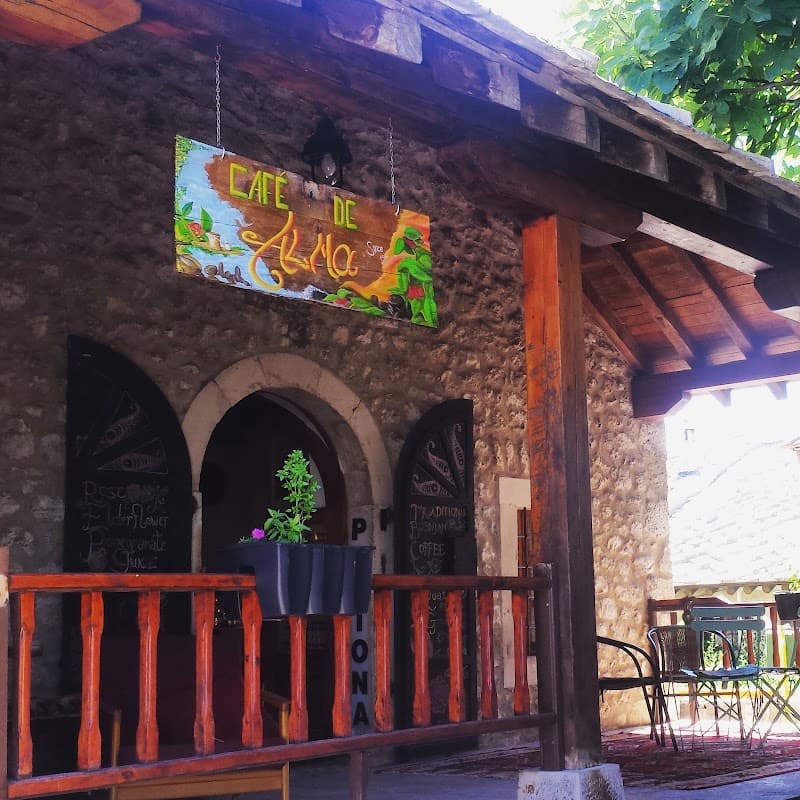
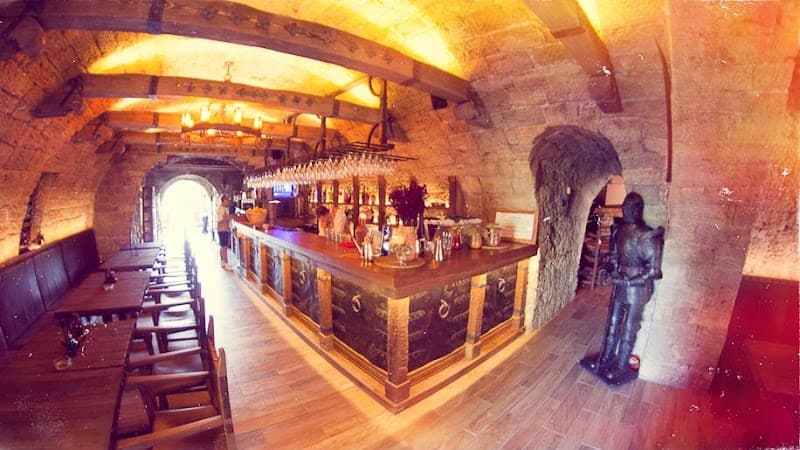
Sarajevo's Baščaršija district puts you in the heart of Ottoman-era streets. The guesthouses here cost 25-40 euros and you're walking distance from Gazi Husrev-bey Mosque and the Latin Bridge. But the tram noise can be brutal at 6am. Mostar's Old Town gets you close to the famous bridge, though summer crowds make it feel like a theme park. For something different, try Travnik — it's where the Ottoman viziers lived, and you'll have the medieval fortress mostly to yourself. Banja Luka offers the best value for families, with parks and affordable hotels, though it lacks the historic charm of other cities.
Money-Saving Tips
- 1.Cash is king — many places don't take cards, especially outside Sarajevo
- 2.ATMs charge high fees, so withdraw larger amounts less frequently
- 3.Bargaining works at markets and with taxi drivers, but not in restaurants
- 4.Accommodation costs 50% less than neighboring Croatia
- 5.Local buses cost under 1 euro for city rides, much cheaper than taxis
- 6.Restaurant meals cost 8-15 euros for hearty portions that often serve two
- 7.Buy groceries at Bingo or Konzum supermarkets for the best prices
Travel Tips
- •Learn basic Bosnian greetings — locals appreciate the effort and open up more
- •Don't photograph people without asking, especially older generations
- •Dress modestly when visiting mosques — cover arms and legs
- •Landmines still exist in rural areas — stick to marked paths and roads
- •Tipping 10% is standard in restaurants, round up for taxi drivers
- •Download offline maps — cell service can be spotty in mountains
- •Pack layers — mountain weather changes quickly even in summer
Frequently Asked Questions
Yes, it's generally very safe. Crime rates are low and locals are helpful to tourists. The main safety concern is unexploded landmines in rural areas, so stick to marked paths when hiking. Cities like Sarajevo and Mostar are as safe as any European capital.
BUILD YOUR
BOSNIA AND HERZEGOVINA PLAN
Insider picks, smart timing, and a plan ready when you are.
Start Planning