Bukchon
Seoul's preserved hanok village between ancient palaces
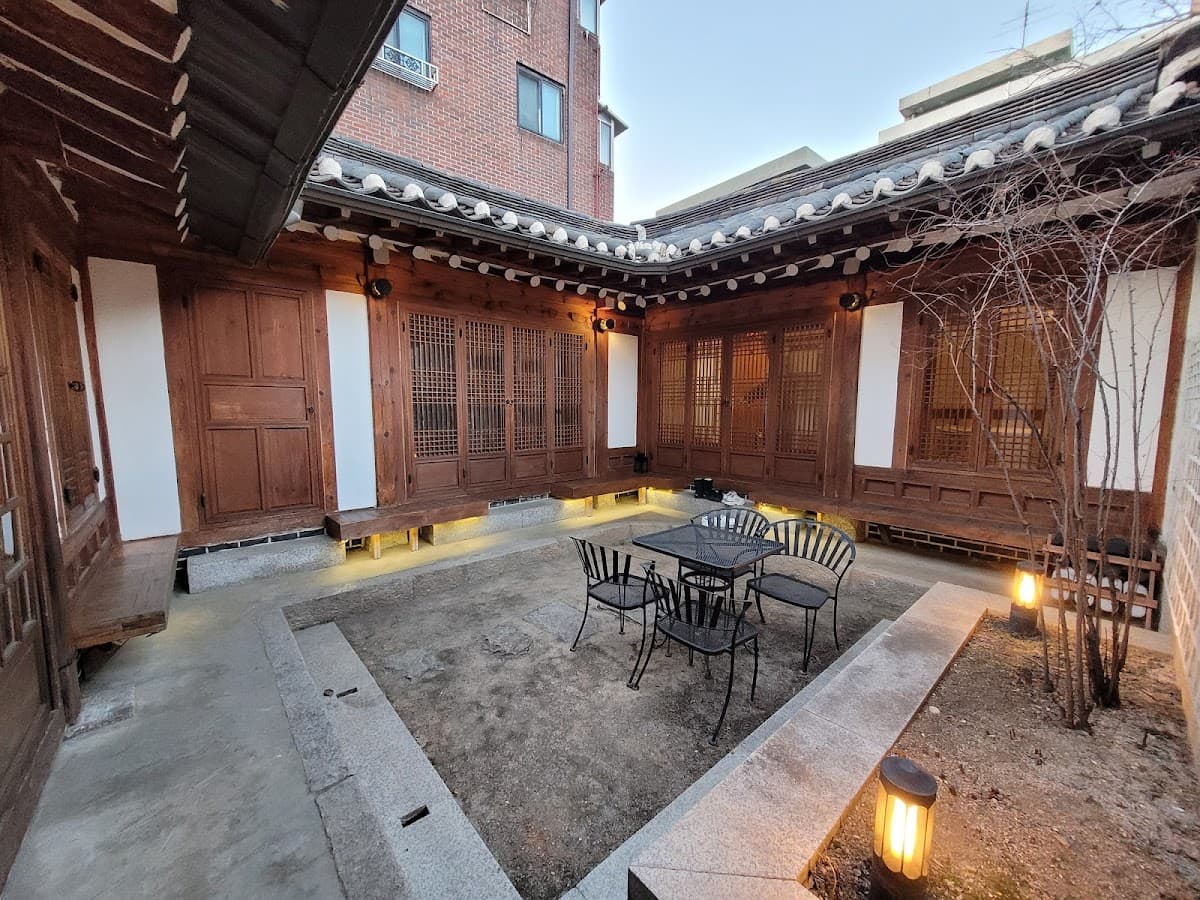
Bukchon sits like a time capsule between Seoul's grandest palaces, where 600-year-old hanok houses line narrow stone paths. This isn't a tourist recreation — real families live in these traditional wooden homes with their curved rooflines and paper-screen doors. You'll find art galleries tucked into courtyards, tea houses serving ceremonial drinks, and viewpoints that frame the modern city beyond ancient eaves. The neighborhood feels quieter than the rest of Seoul, but it's far from sleepy. Local artisans run workshops where you can try traditional crafts, while small museums showcase everything from embroidery to Korean alcohol brewing.
Itineraries coming soon
We're working on adding amazing itineraries for Bukchon. In the meantime, try the app to create your own!
Money-Saving Tips
- 1.Many hanok guesthouses offer overnight stays for 80,000-120,000 won, cheaper than Seoul hotels with unique cultural immersion
- 2.Traditional tea houses charge 8,000-15,000 won per person but allow unlimited sitting time — perfect for long conversations
- 3.Free walking tours depart from Anguk Station daily at 10am and 2pm, covering Bukchon and nearby Insadong
- 4.Craft workshops range from 15,000-35,000 won and include materials — better value than buying finished souvenirs
- 5.Visit on weekday mornings for fewer crowds and better photo opportunities without paying for private tours
Travel Tips
- •Respect residential privacy — many hanok are private homes, so avoid peering into courtyards or making noise
- •Wear comfortable walking shoes for steep stone pathways and uneven surfaces throughout the village
- •Visit early morning (8-9am) or late afternoon (4-5pm) for the best light and fewer tour groups
- •Combine with nearby Changdeokgung Palace or Insadong for a full day of traditional Korean culture
- •Download offline maps — GPS can be unreliable in the narrow alleys between traditional buildings
- •Bring cash for small tea houses and craft workshops that may not accept cards
- •Learn basic Korean greetings — locals appreciate the effort in this traditional neighborhood