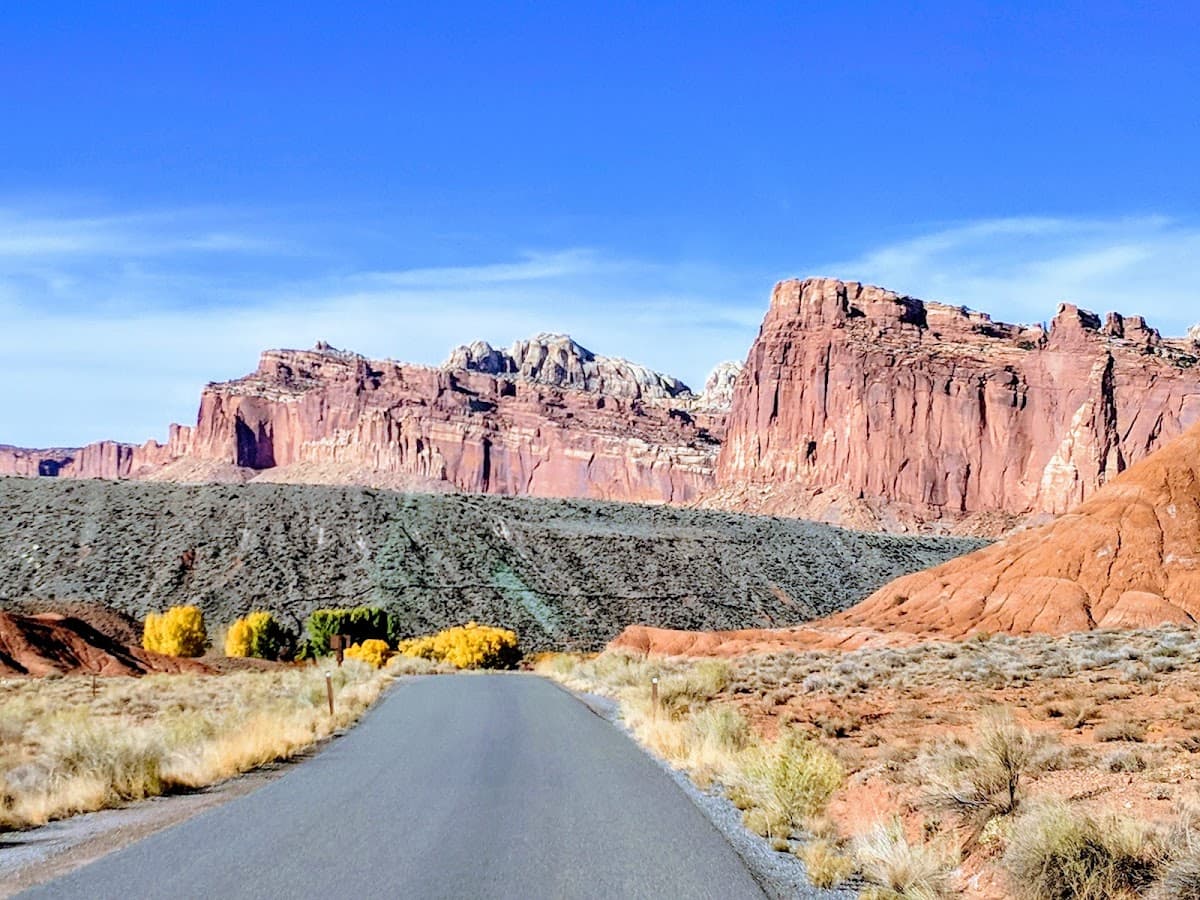
Capitol Reef National Park
Utah's hidden gem of colorful cliffs and pioneer history
Look, Capitol Reef gets overshadowed by its flashier Utah neighbors. While crowds pack Zion and Arches, this park sits quietly in south-central Utah, waiting. The Waterpocket Fold stretches 100 miles here — a massive wrinkle in the earth that creates some of the most striking red rock formations you'll see anywhere. But here's what makes Capitol Reef special: it's not just about the rocks. Mormon pioneers settled Fruita in the 1880s, and their orchards still bloom every spring. You can hike slot canyons in the morning and pick apples in the afternoon. The park covers 378 square miles, yet most visitors stick to the scenic drive. Smart travelers know the real magic happens when you venture beyond the pavement.
Itineraries coming soon
We're working on adding amazing itineraries for Capitol Reef National Park. In the meantime, try the app to create your own!
Money-Saving Tips
- 1.The $30 annual park pass pays for itself after two visits - much better deal than the $15 daily fee
- 2.Pick fruit from the historic orchards in Fruita for just $1 per pound during harvest season
- 3.Camp at Fruita Campground ($30/night) instead of hotels in Torrey to save $100+ per night
- 4.Fill up gas tanks in Torrey - prices jump $0.50 per gallon in smaller towns around the park
- 5.Pack lunch and plenty of water since the only food in the park is seasonal pie at Gifford Farmhouse
- 6.Visit in shoulder seasons (April-May, Sept-Oct) for lower accommodation rates and perfect weather
Travel Tips
- •Start hiking early morning in summer - afternoon temperatures regularly hit 95°F+ in July and August
- •Download offline maps before entering the park - cell service is spotty to nonexistent in most areas
- •Check the Fruita Schoolhouse schedule - ranger programs happen daily during peak season
- •Bring a headlamp for slot canyon hikes like Cohab Canyon where shadows create near-darkness
- •Stop at the petroglyphs panel near the visitor center - it's an easy 10-minute walk with 1,000-year-old rock art
- •Drive the scenic road early morning or late afternoon for the best light on the red rock formations
- •Pack layers year-round - desert temperatures can swing 40°F between morning and afternoon
- •Respect the historic orchards in Fruita - only pick fruit during designated harvest seasons with payment
Frequently Asked Questions
Explore Capitol Reef National Park
BUILD YOUR
CAPITOL REEF NATIONAL PARK PLAN
Insider picks, smart timing, and a plan ready when you are.
Start Planning