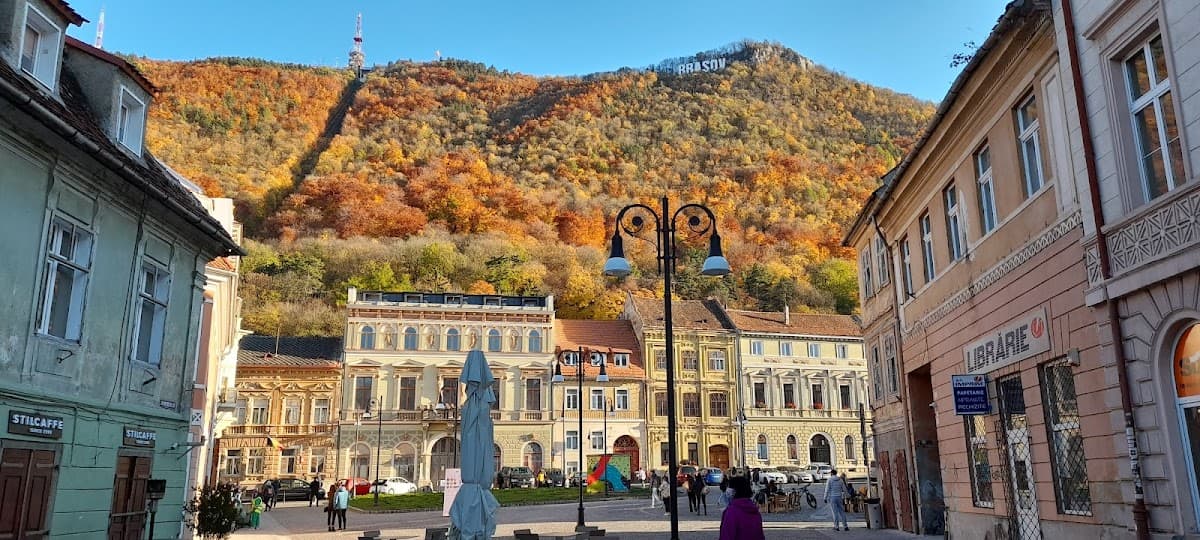
Carpathian Mountains
Europe's wild heart of ancient forests and medieval legends
The Carpathians stretch like a massive horseshoe across Central and Eastern Europe, but their wildest heart beats in Romania. Here's where brown bears still roam freely, where medieval fortresses perch on impossible cliffs, and where shepherds drive their flocks through valleys that haven't changed in centuries. Look, this isn't the Alps with their groomed trails and luxury chalets. The Carpathians are rougher, wilder, and frankly more mysterious. You'll find Europe's largest populations of wolves and bears, forests that feel primeval, and mountain villages where time moves at the pace of horse-drawn carts. But that's exactly the point.
Itineraries coming soon
We're working on adding amazing itineraries for Carpathian Mountains. In the meantime, try the app to create your own!
Money-Saving Tips
- 1.Mountain huts (cabane) cost 20-40 RON per night and include basic meals – much cheaper than hotels in tourist towns
- 2.Local buses to trailheads cost under 10 RON, but schedules are limited – check departure times in advance
- 3.Many hiking trails are free, though some national parks charge small entrance fees (5-10 RON)
- 4.Village markets offer fresh cheese and produce at fraction of restaurant prices – perfect for trail provisions
- 5.Țuică (plum brandy) costs 15-25 RON per bottle in villages vs 40+ RON in tourist areas
- 6.Guided bear watching tours run 150-300 RON per person – worth it for safety and wildlife expertise
Travel Tips
- •Carry bear spray and make noise on trails – brown bears are common and encounters do happen
- •Download offline maps before heading into mountains – cell service disappears quickly
- •Pack layers even in summer – mountain weather changes dramatically with elevation
- •Book mountain huts in advance during peak season (July-August) – they fill up fast
- •Learn basic Romanian phrases – English isn't widely spoken in mountain villages
- •Bring cash – many mountain huts and village shops don't accept cards
- •Check weather forecasts obsessively – Carpathian storms can be dangerous
- •Respect wildlife viewing rules – maintain 50+ meter distance from bears and wolves
Frequently Asked Questions
Explore Carpathian Mountains
Ready to explore Carpathian Mountains?
Get a personalized itinerary in seconds with Takeoff.
Free on iOS. No credit card required.