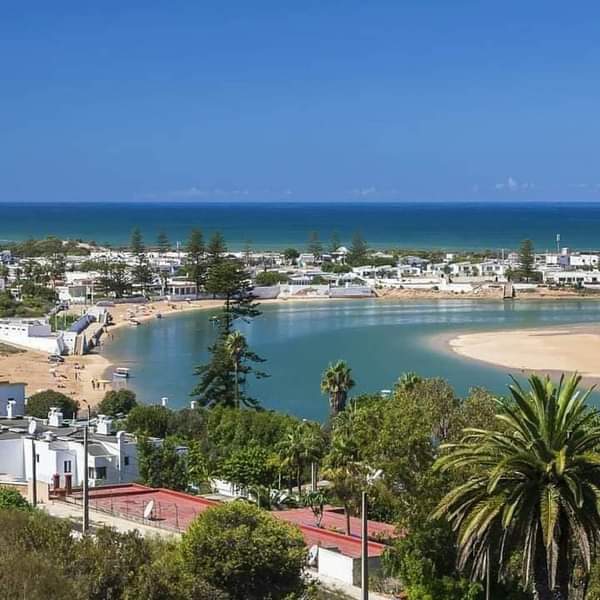
Casablanca-Settat
Morocco's economic heart blending modernity with Atlantic charm
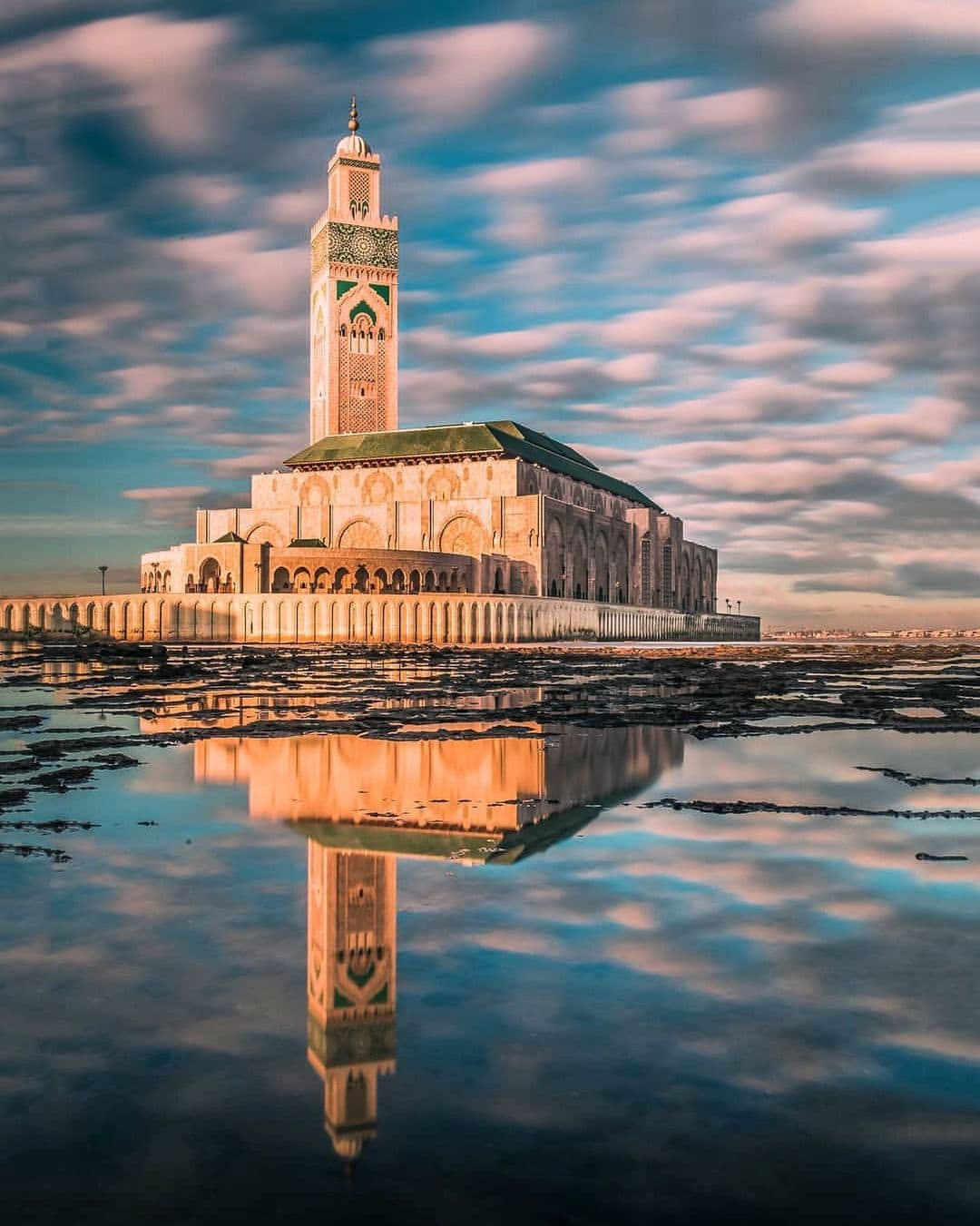
Casablanca-Settat isn't your typical Moroccan fantasy of snake charmers and souks. This is Morocco's economic engine — a region where glass skyscrapers reflect the Atlantic waves and business deals happen over mint tea. The Hassan II Mosque dominates Casablanca's skyline, its minaret piercing 200 meters into the sky, while just 30 minutes north, Mohammedia's beaches offer a quieter coastal escape. Here's the thing: this region works best for travelers who want Morocco with modern conveniences. You'll find excellent restaurants in Casablanca's Maarif district, Art Deco architecture along Boulevard Mohammed V, and surprisingly good surfing spots near Bouznika. But don't expect the medieval charm of Fez or the mountain drama of the Atlas. Casablanca-Settat trades mystique for efficiency, and sometimes that's exactly what you need.
Local Knowledge
Culture & Context
Casablanca — or just "Casa" as locals call it — is Morocco's economic engine and its most cosmopolitan city. Forget the film: it's not romantic and foggy. It's a massive, fast-moving Atlantic port city of over 4 million people where Art Deco French colonial buildings stand next to glass office towers and traditional bakeries sit next to hip cafes. The European influence here runs deep. French is used constantly in business and signage, and younger Casablancans switch between Darija, French, and English mid-sentence. This makes it easier to navigate than Fez or Marrakech, but also means it can feel less distinctly "Moroccan" to some visitors. That's both its strength and its mild disappointment. The real culture lives in the markets, the neighborhood cafes where men nurse mint tea for hours, and the Friday afternoon energy around the Hassan II Mosque. Moroccan culture runs on ritual greeting — skipping a proper "Salam" when you walk into a shop feels genuinely rude. Dress conservatively outside the beach and tourist zones. Alcohol is available in licensed establishments (bars, hotel restaurants) but drinking in public is illegal. LGBTQ+ relationships are illegal in Morocco, and travelers should be aware of this. Same-sex couples should exercise discretion. Morocco set a tourism record of 19.8 million visitors in 2025, and Casablanca is increasingly part of that story as 2030 World Cup infrastructure investment pours into the city.
Safety
Casablanca is generally safe for tourists. Violent crime against visitors is rare, and Morocco's dedicated Tourist Police (Brigade Touristique) is present in all major tourist areas and responds quickly to complaints. The realistic risks are petty theft and scams, not violence. Pickpocketing is most common in the Old Medina and crowded markets. Use a crossbody bag, keep your phone out of your back pocket, and stay alert in large crowds. Avoid the areas of Hay Mohammadi and the outer port districts after dark — there's no tourist reason to be there anyway. Solo female travelers can and do visit Casablanca safely, but verbal harassment (catcalling, persistent approaches) is more common here than in most European cities. Dress modestly, avoid walking alone at night in unfamiliar areas, and use Careem or Careem rather than flagging random taxis late at night. Always insist on the meter in petit taxis or agree on a price before getting in — this prevents the most common tourist rip-off. Unofficial 'guides' who offer to show you around typically steer you toward commission shops. Ignore them politely and keep walking. LGBTQ+ relationships are illegal in Morocco; same-sex couples should exercise discretion. Alcohol in public is illegal. Keep your dirham withdrawals at reputable ATMs (Al Barid Bank is a safe bet) and don't flash cash in busy markets. Tap water is treated but stick to bottled to avoid stomach issues.
Getting Around
Mohammed V International Airport (CMN) is the main entry point, 30km southeast of the city center. The Airport Express train (Train Navette Rapide) runs directly from the airport to Casa Voyageurs station in about 45 minutes for 45 MAD — much cheaper than a taxi and surprisingly reliable. The city's tram network now has four lines (T1, T2, T3, T4) covering 72.5 km. A single ride is 8 MAD (flat rate). Weekly passes cost 60 MAD and monthly passes are 230 MAD. The tram is air-conditioned and connects the Hassan II Mosque, Casa Port station, and the main shopping and residential districts. Bring coins for the ticket machines in suburban stations. The tram gets packed during rush hour and delays do happen. Red petit taxis are the go-to for point-to-point trips. Base fare is 7.5 MAD, rising with distance. Always, always ask for the meter (say "sh3al l kontor, 3afak"). A cross-city ride should cost 25-40 MAD. The Careem app works well here, allows card payment, and removes the meter argument entirely. For intercity travel, ONCF trains are excellent. Casablanca to Marrakech: 80-100 MAD, about 2.5 hours. Casablanca to Rabat: 40-60 MAD, about 1 hour. The Al Boraq high-speed train to Tangier takes 2 hours 10 minutes for 150-220 MAD. Book through the ONCF website for promotional fares from 99 MAD. City buses exist but are hard to plan around and poorly signed in English. Skip them unless you have a local to guide you.
Useful Phrases
Hello / Peace be upon you
Thank you — works everywhere, understood across the Arab world
No thank you — your best weapon against persistent vendors
Please — the number you'll use constantly
Goodbye
How are you? (casual) — Moroccans rattle off greetings fast; this one is key
OK / Yes / Agreed — a handy all-purpose confirmation
Enough / That's fine / Stop — say it to a waiter pouring water or tea when you want them to stop
Local Customs
- •Always greet people with 'Salam' when entering a shop, café, or taxi. Skipping it feels abrupt to locals and won't do you any favors on price.
- •Bargaining is expected in the medina and souks. Start low, stay friendly, and be prepared to walk away. This isn't confrontational — it's the game.
- •Tipping 5-10% at restaurants is appreciated but not mandatory. Round up for taxi drivers if the ride was smooth.
- •Dress modestly when visiting the Hassan II Mosque or Quartier Habous. Arms, shoulders, and legs covered. Loose clothing, not skin-tight.
- •Ask before photographing people, especially in the medina. Many prefer not to be photographed. Respect the 'no' quickly and move on.
- •Mint tea is more than a drink — accepting it is a gesture of friendship. Refusing it in a shop or home can come across as cold.
- •Tap water is technically treated but most travelers stick to bottled water to be safe. Restaurants will always have it.
- •Cash is king. Many smaller restaurants, market stalls, and taxis only take cash. ATMs from Al Barid Bank typically don't charge extra local fees. Maximum withdrawal is usually 2,000 MAD (~$200) per transaction.
- •The dirham is a closed currency — you can only get it inside Morocco. Exchange a small amount at the airport if needed, but city center rates are better. Don't try to take dirhams out of the country.
Explore Cities
Explore the Region
Casablanca-Settat Itineraries

Money-Saving Tips
- 1.Negotiate taxi fares before getting in - meters often don't work or aren't used
- 2.The Casa Tramway at 6 MAD beats taxis for getting to Ain Diab beach
- 3.Eat lunch at local restaurants in Bourgogne neighborhood for authentic food at half the tourist prices
- 4.Hotel prices drop 40% between December and February despite decent weather
- 5.Train tickets to Rabat cost 35 MAD versus 400+ MAD for a taxi
- 6.Buy fresh seafood directly from fishermen at Mohammedia's port for the best prices
- 7.Many museums offer free entry on the first Sunday of each month
- 8.Street food at the central market costs under 20 MAD for a filling meal
Travel Tips
- •The Hassan II Mosque requires modest dress - bring a scarf to cover shoulders and long pants
- •Download the Casa Tramway app to avoid confusion with ticket machines
- •ATMs are everywhere but notify your bank before traveling to avoid card blocks
- •French and Arabic dominate - basic French phrases help significantly
- •Coastal roads get foggy in early morning - plan beach trips for after 10 AM
- •Mohammed V Airport train runs every hour - check schedules to avoid long waits
- •Restaurants often close between 3-7 PM - plan meal times accordingly
- •Tipping 10% is standard at restaurants, 5-10 MAD for taxi drivers
Frequently Asked Questions
Explore Casablanca-Settat
Ready to explore Casablanca-Settat?
Get a personalized itinerary in seconds with Takeoff.
Free on iOS. No credit card required.