Cascade Range
Pacific Northwest's volcanic peaks and pristine wilderness corridors
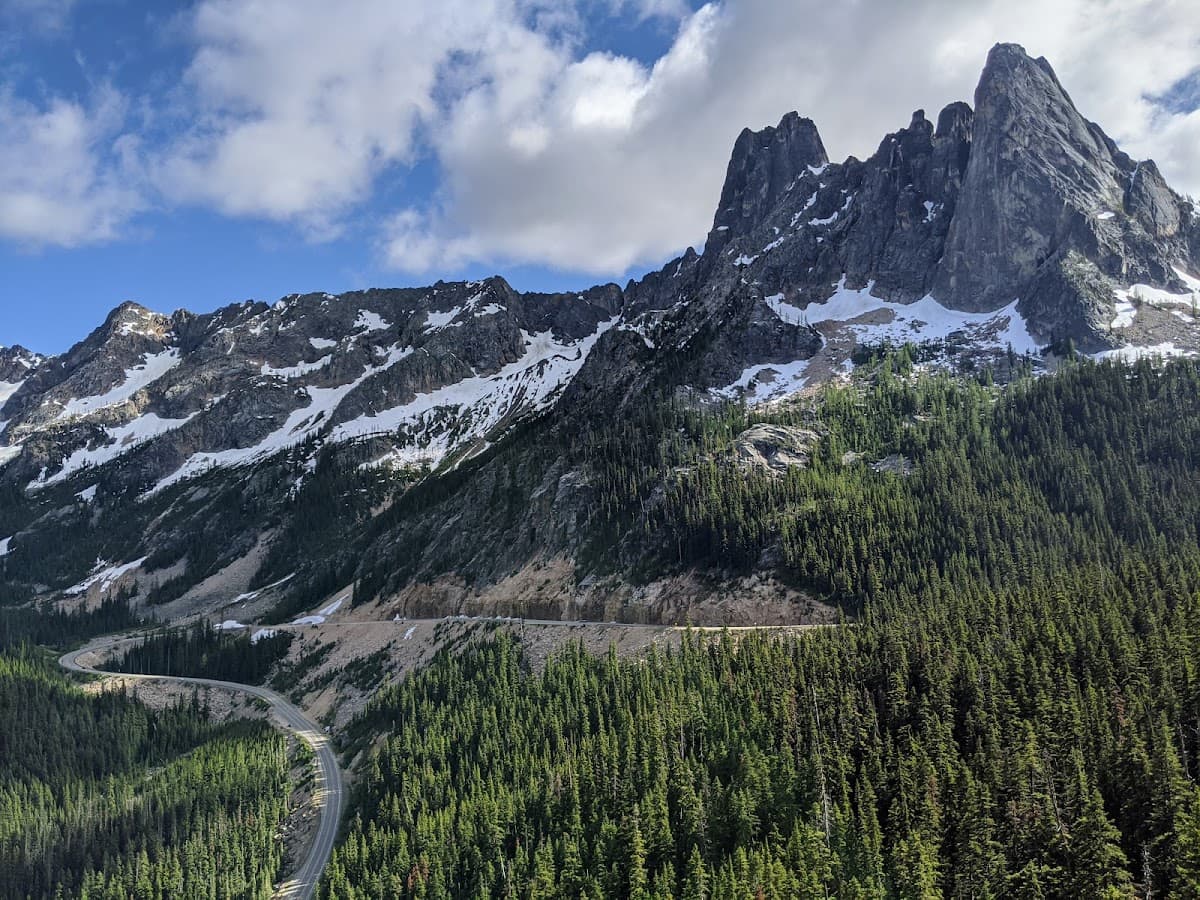
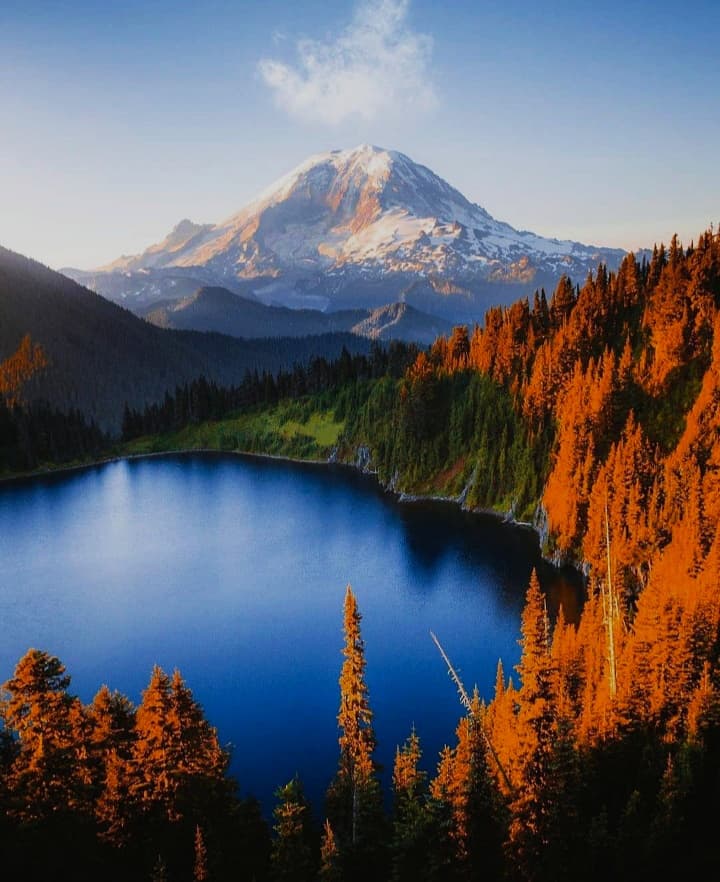
The Cascade Range runs like a volcanic spine through the Pacific Northwest, creating some of the most dramatic landscapes in North America. Here's the thing about the Cascades – they're not just mountains, they're active volcanoes that have shaped everything from the coffee culture in Seattle to the wine valleys of Oregon. You'll find glacier-carved peaks, ancient forests, and wilderness areas so remote that cell service becomes a distant memory. But that's exactly the point. The range stretches from Northern California to British Columbia, offering everything from day hikes through old-growth forests to multi-day backpacking adventures above the treeline. Mount Rainier dominates the Washington skyline at 14,411 feet, while Mount Hood provides Oregon with its iconic postcard shot. Between them lie dozens of lesser-known peaks, each with their own character and challenges.
Explore Cities
Explore the Region
Money-Saving Tips
- 1.Buy a $30 America the Beautiful Annual Pass instead of paying individual entrance fees at Mount Rainier ($30) and other national parks
- 2.Camp at established Forest Service campgrounds ($15-25/night) rather than staying in mountain lodges ($150-300/night)
- 3.Fill up gas tanks in larger towns like Bend or Leavenworth where prices run $0.20-40 less per gallon than at mountain stations
- 4.Pack all meals and snacks – mountain town restaurants charge premium prices and options are limited anyway
- 5.Buy a Northwest Forest Pass online ($30 annual) rather than paying daily fees ($5) if you plan multiple trips
- 6.Visit during shoulder seasons (June, September) when lodging rates drop 30-40% compared to peak summer months
Travel Tips
- •Download offline maps before heading out – cell service disappears quickly in the mountains and GPS can fail
- •Check road conditions on state DOT websites the night before departure – mountain passes close unexpectedly
- •Pack layers including rain gear even in summer – weather changes rapidly at elevation
- •Carry bear spray in designated grizzly habitat areas of the North Cascades
- •Start hikes early (6-7 AM) to secure parking and avoid afternoon thunderstorms
- •Bring a water filter – mountain streams provide excellent water but always purify first
- •Keep your gas tank above half full when driving mountain roads – stations are sparse and elevations reduce fuel efficiency
Frequently Asked Questions
Explore Cascade Range
Ready to explore Cascade Range?
Get a personalized itinerary in seconds with Takeoff.
Free on iOS. No credit card required.