Central Valley
California's agricultural heartland with wine country charm nearby
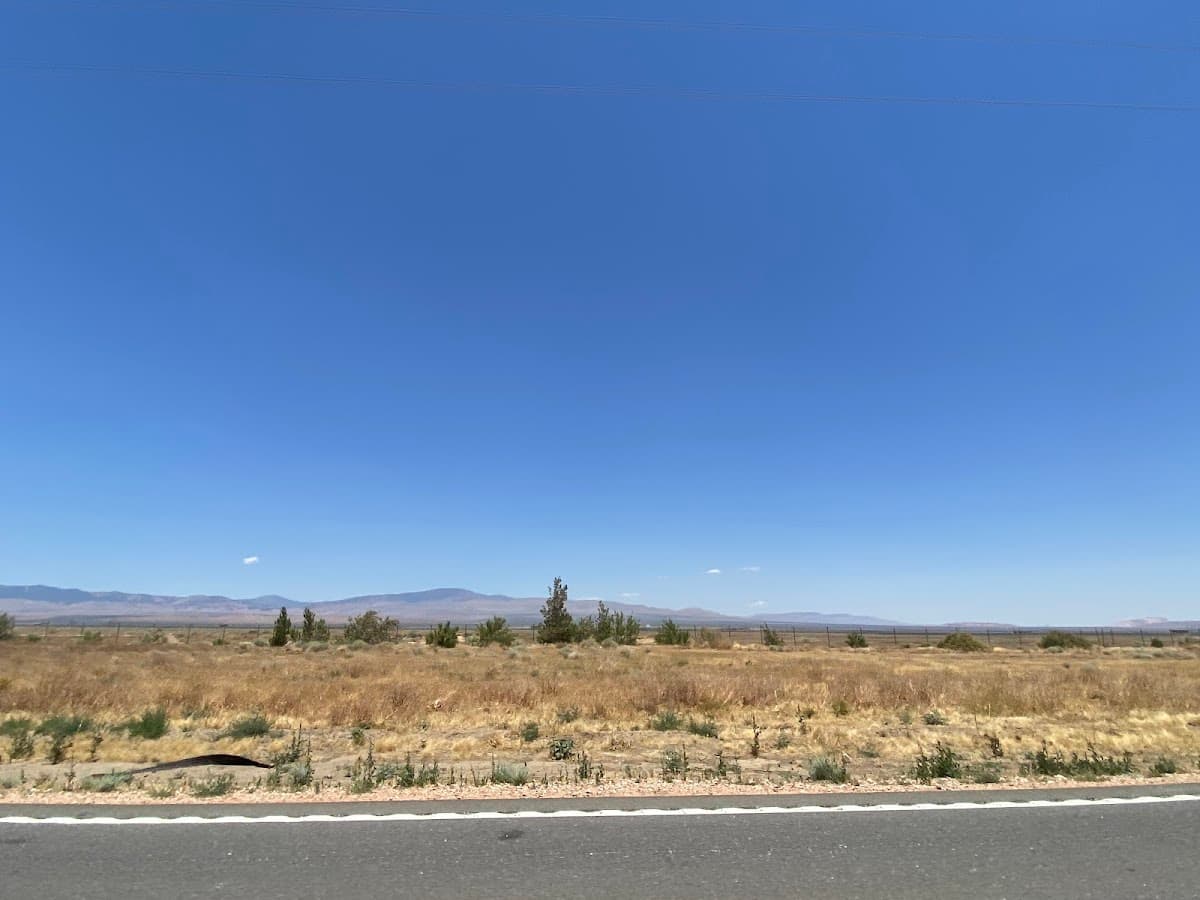
Look, the Central Valley doesn't get the Instagram love of Napa or the coastal hype of Big Sur. But here's what it does have: some of California's most authentic farm-to-table dining, surprising wine discoveries, and prices that won't make your wallet weep. Stretching from Bakersfield to Redding, this 450-mile agricultural powerhouse feeds much of America while quietly developing its own food and wine scene. You'll find craft breweries in converted barns, family-run wineries that have been perfecting their craft for generations, and restaurants where the chef literally walks to the back garden for tonight's vegetables. The pace is slower here, the people are friendlier, and you can actually afford to eat well without living on ramen for the rest of the month.
Explore Cities
Explore the Region
Money-Saving Tips
- 1.Gas up in smaller towns - prices can be 20-30 cents cheaper than highway stops
- 2.Many wineries waive tasting fees if you buy a bottle, and Central Valley wines cost half what Napa charges
- 3.Farm stands along country roads sell produce at fraction of grocery store prices - cash only
- 4.Happy hours at local breweries often include free appetizers and $3-4 pints
- 5.State and county parks charge $5-10 for day use versus $35+ at national parks nearby
- 6.Farmers markets accept EBT and often have double-value programs for fresh produce
Travel Tips
- •Download offline maps - cell service is spotty between towns and rural wineries
- •Carry water in your car year-round; summer temperatures regularly exceed 105°F
- •Book accommodations early during harvest season (August-October) when wine tourism peaks
- •Avoid Highway 99 during morning and evening commutes - it's truck-heavy and slow
- •Many family wineries close Mondays and Tuesdays, especially in smaller towns
- •Tule fog in winter can reduce visibility to near zero - check conditions before driving
- •Farmers markets happen early (7 AM start) to beat the heat in summer months
- •Most restaurants close early on Sundays; plan dinner accordingly in smaller towns
Frequently Asked Questions
Explore Central Valley
Ready to explore Central Valley?
Get a personalized itinerary in seconds with Takeoff.
Free on iOS. No credit card required.