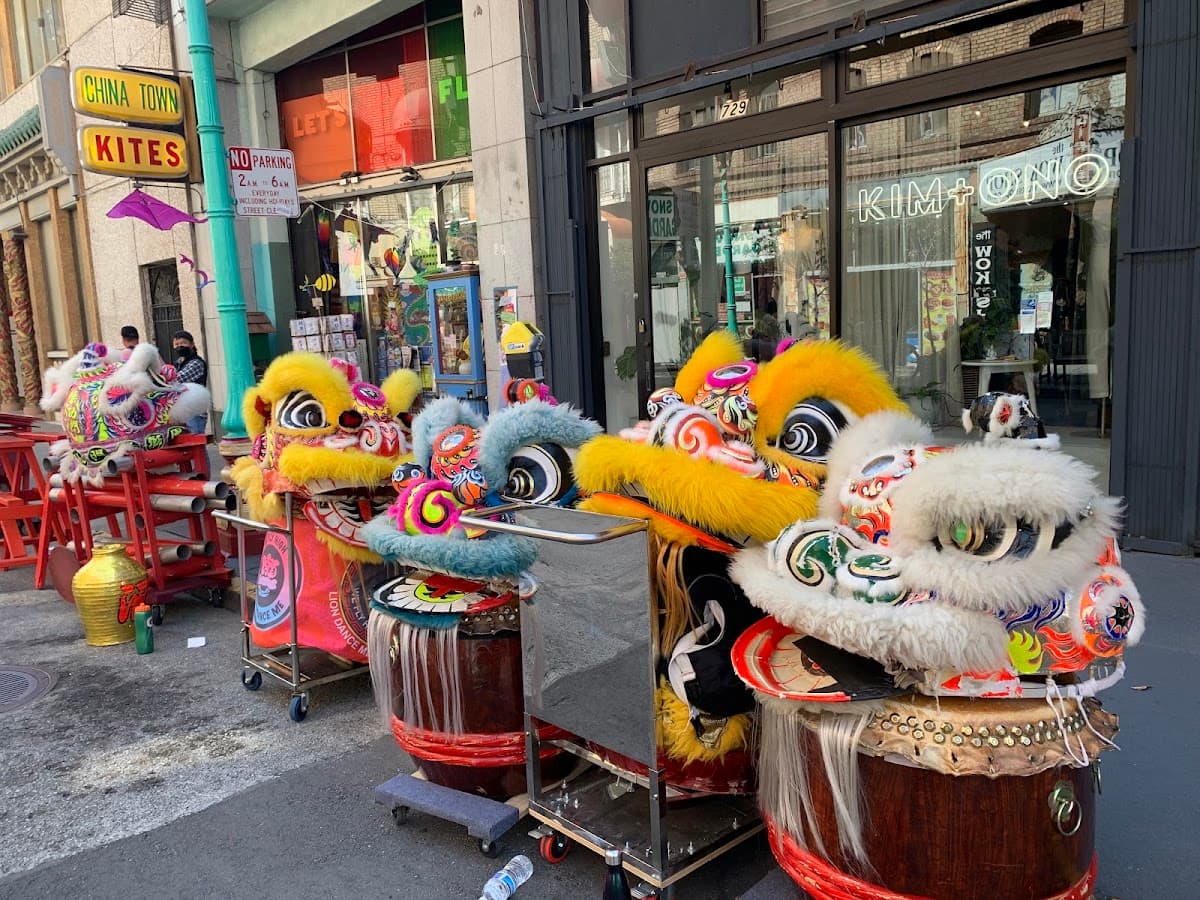
Chinatown
Authentic Asian cultural district with street food and markets
Step through the ornate gates and you're transported. Chinatown pulses with the energy of a dozen Asian cultures packed into a few city blocks. Red lanterns sway overhead while vendors call out prices in Mandarin and Cantonese. The air smells like roasted duck, incense, and possibility.
This isn't some sanitized theme park version of Asia. It's the real deal — families shopping for groceries, elderly men playing xiangqi in Portsmouth Square, teenagers slurping noodles after school. Sure, there are tourist traps, but duck into the right alley and you'll find the kind of hole-in-the-wall restaurant that locals have been keeping secret for decades.
Itineraries coming soon
We're working on adding amazing itineraries for Chinatown. In the meantime, try the app to create your own!
Money-Saving Tips
- 1.Bring cash — many small shops and food stalls don't accept cards
- 2.Buy groceries at Stockton Street markets for snacks at half the price of tourist areas
- 3.Happy hour at dim sum places runs 2-5pm with 20% discounts on most dishes
- 4.Free samples are common at tea shops — try before you buy expensive oolong
- 5.Parking meters are free after 6pm and all day Sunday
- 6.Chinese New Year celebrations in February are free and spectacular
- 7.Many herbal medicine shops offer free consultations if you're genuinely interested
Travel Tips
- •Learn basic Mandarin greetings — shop owners appreciate the effort even if your pronunciation is terrible
- •Carry hand sanitizer — you'll be touching a lot of surfaces in crowded markets
- •Download a translation app for reading menu items and signs
- •Wear layers — narrow streets trap heat in summer but create wind tunnels in winter
- •Bring a reusable bag for shopping — plastic bags cost extra at most stores
- •Visit on weekday mornings to see the neighborhood at its most authentic
- •Don't photograph people without asking — especially elderly residents
- •Keep your bag zipped and in front of you in crowded areas