Colorado Plateau
America's red rock wonderland of canyons and mesas
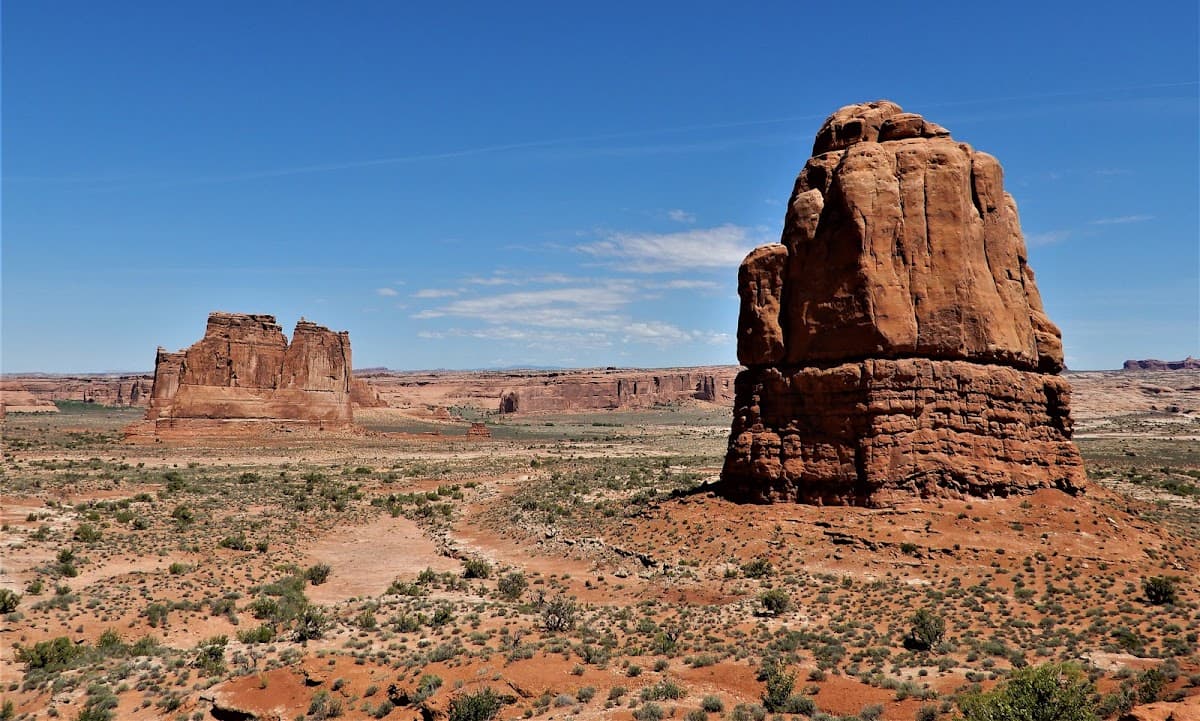
The Colorado Plateau stretches across four states like a geological playground painted in rust and amber. Here's where the earth shows off — carving slot canyons so narrow you can touch both walls, stacking sandstone into impossible arches, and sculpting mesas that rise from the desert floor like ancient fortresses. This isn't just scenery you drive past. It's terrain that demands you get out, hike in, and crane your neck at formations that took millions of years to perfect. And the best part? Most visitors stick to the famous spots, leaving plenty of red rock solitude for those willing to venture a bit further.
Explore Cities
Explore the Region
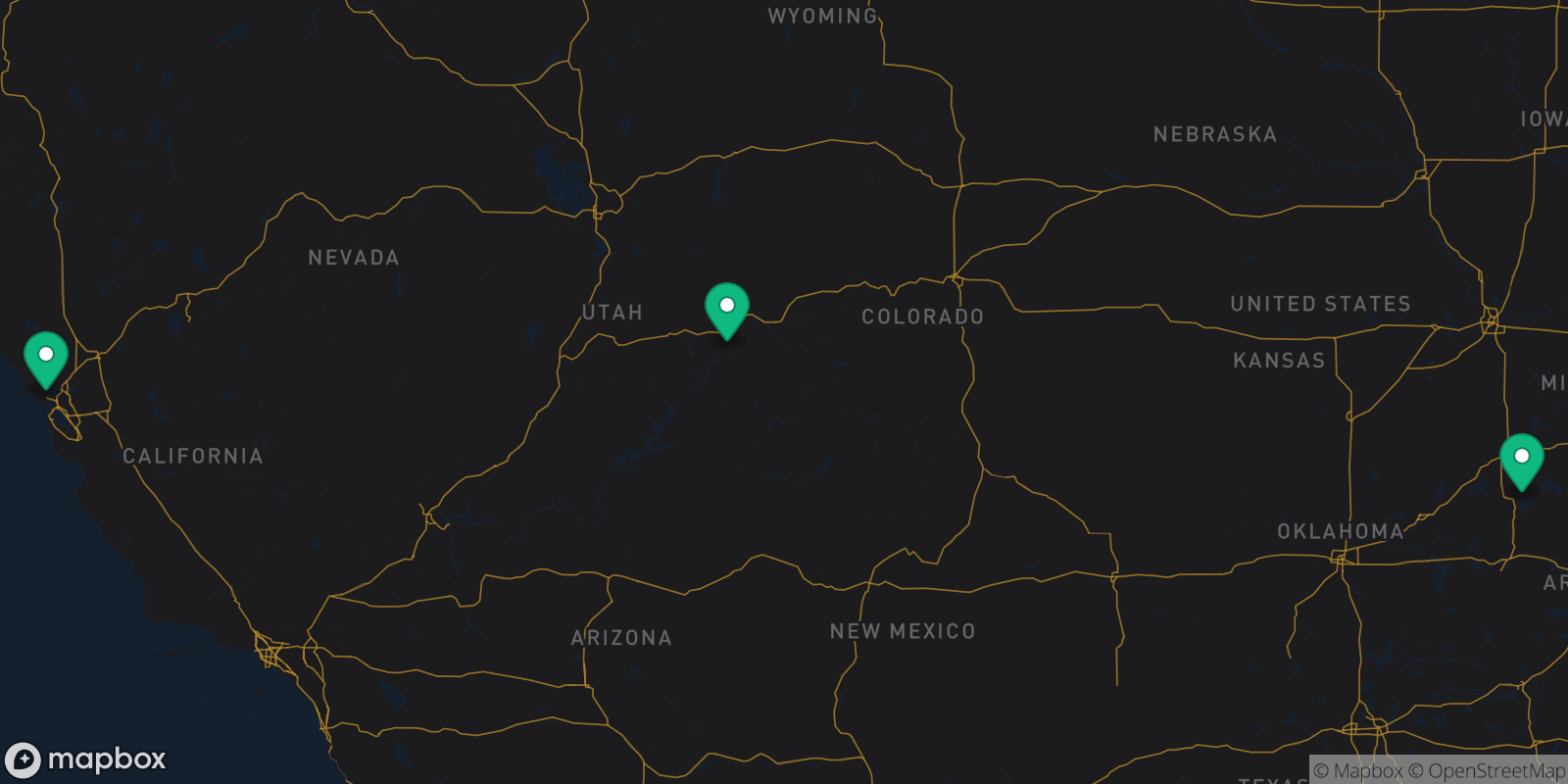
Colorado Plateau Itineraries

Money-Saving Tips
- 1.Buy an America the Beautiful Annual Pass for $80 — it pays for itself after visiting 3 national parks
- 2.Camp at free BLM sites instead of paying $30+ for developed campgrounds
- 3.Shop for groceries in larger towns like Moab or Page before heading to remote areas
- 4.Fill up your gas tank whenever you see a station — prices jump $0.50+ per gallon in remote areas
- 5.Visit during shoulder seasons (April-May, September-October) for lower accommodation prices
- 6.Pack plenty of water and snacks — convenience stores in small towns charge premium prices
- 7.Book accommodations well in advance for peak seasons to avoid price gouging
Travel Tips
- •Always carry more water than you think you need — desert air dehydrates you faster than expected
- •Check weather and road conditions before heading to remote areas, especially in winter
- •Download offline maps — cell service disappears quickly outside main towns
- •Start hikes early to avoid afternoon heat and crowds at popular spots
- •Respect cryptobiotic soil crusts — they take decades to form and minutes to destroy
- •Pack layers — desert temperatures can swing 40 degrees between day and night
- •Tell someone your hiking plans when exploring remote areas alone
- •Bring a headlamp even for day hikes — slot canyons can be surprisingly dark
Frequently Asked Questions
Explore Colorado Plateau
Ready to explore Colorado Plateau?
Get a personalized itinerary in seconds with Takeoff.
Free on iOS. No credit card required.