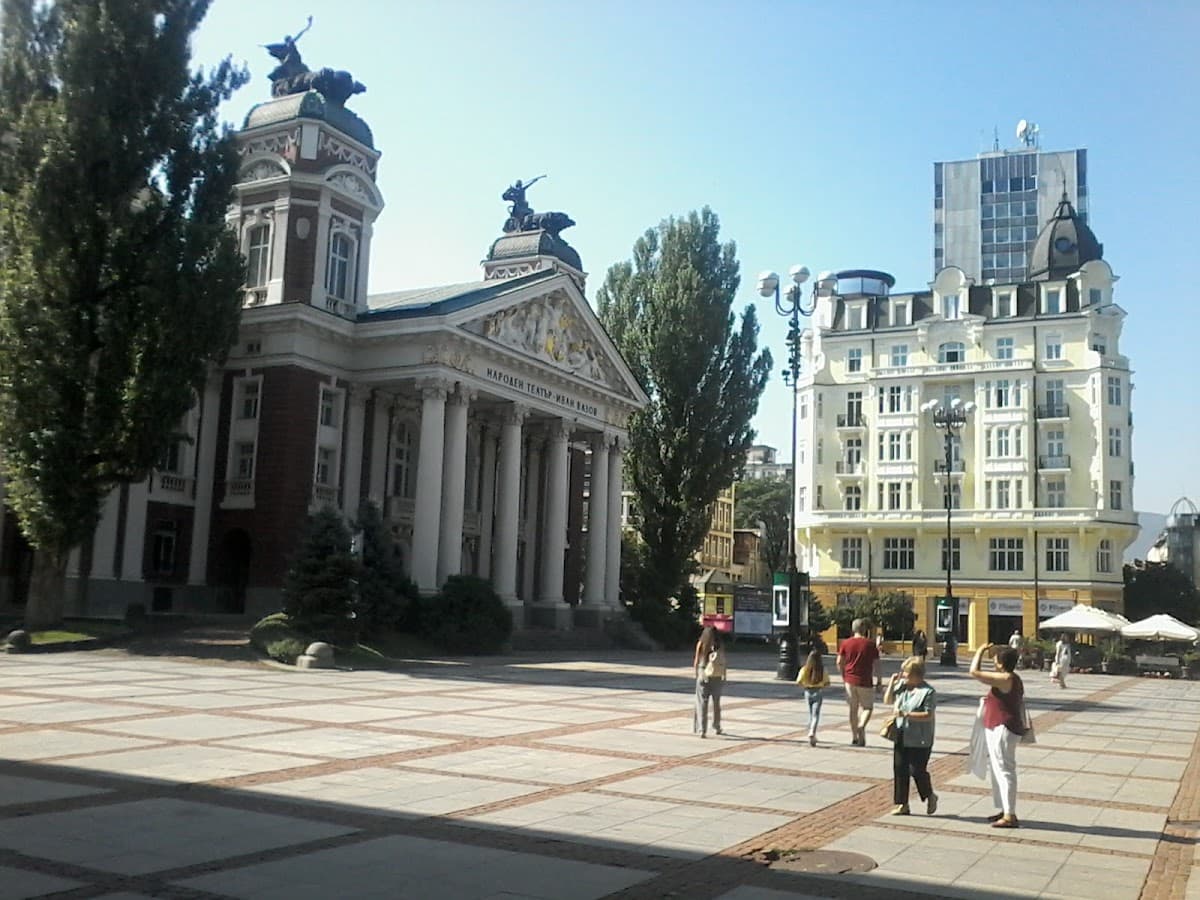
Sofia
Affordable European Capital Rich in History and Culture
Sofia doesn't shout for attention like Paris or Rome, but that's exactly why you should visit. Bulgaria's capital serves up 2,000 years of history at prices that won't drain your travel fund. You'll find Roman ruins literally underfoot in the metro stations, Ottoman mosques sharing blocks with Soviet monuments, and craft cocktail bars tucked into communist-era buildings. The city center spans just a few square kilometers, making it perfect for wandering. And here's the best part — a decent dinner costs €15, not €50.
Best Months
APR · MAY · JUN · SEP · OCT
~21°C · moderate crowds
Culture & Context
SEVEN MILLENNIA COLLIDE
Sofia carries about 7,000 years of history in a fairly compact city. Walk ten minutes from the Alexander Nevsky Cathedral and you'll pass Roman ruins, Ottoman baths, Soviet-era apartment blocks, and a craft coffee shop all on the same stretch. The city is the economic and cultural center of Bulgaria, home to 1.
2 million people, and it's been through enough political upheaval that Sofianets tend to have a sardonic, dry sense of humor about life. Bulgaria officially adopted the euro on January 1, 2026, becoming the 21st eurozone member. The switchover has been a mixed bag for locals: prices in some categories jumped 20-50% around the transition, and many residents are unhappy about it even if it simplifies things for visitors.
The Cyrillic alphabet, shared across much of Eastern Europe, is used everywhere. Street signs, menus, ATMs — it all comes in Cyrillic first. Some signs in tourist areas include Latin transliterations but don't count on it outside the center.
English is well-spoken among younger Bulgarians and anyone in the tourism or tech sector. Outside central Sofia, it becomes patchier. The city sits at the foot of Vitosha Mountain, which means you can genuinely ski above the capital's skyline in winter and hike in summer — an unusual setup for a European capital.
Air quality in the center can be rough in winter due to wood-burning heating in older buildings, so that's worth knowing if you have respiratory sensitivities.
Local Customs
DIRECT, THEN WARM
Bring a small gift (flowers or chocolates) if you're invited to a Bulgarian's home. Showing up empty-handed is considered a bit rude.. Greet people with a firm handshake and direct eye contact.
Bulgarians tend to read a weak handshake as a sign of disinterest.. Dress modestly when entering churches or monasteries — covered shoulders and knees. Some churches lend scarves at the entrance, but don't count on it..
Photography inside certain Orthodox churches requires a paid permit or is simply not allowed. Check the signs at the entrance and ask before pointing a camera.. Tipping isn't mandatory but 10% in sit-down restaurants is appreciated and increasingly expected in tourist areas.
At cafes, rounding up the bill is fine.. Sharing a meal is a genuine cultural value here. Bulgarians often order more dishes than needed and share everything at the table.
Don't be surprised if food keeps appearing.. Cyrillic alphabet is used everywhere, including street signs and menus. Download a translation app before you arrive — pointing your phone at a menu is genuinely useful here..
Bulgarians can come across as reserved or blunt on first meeting. It's not rudeness, just directness. Once you get past the initial interaction, hospitality tends to be warm and genuine..
Nightlife runs very late. If you're heading to a club, showing up before midnight means you'll be standing in an empty room. Peak hours are 2-3am..
Avoid Euronet ATMs — they add heavy fees. Look for ATMs physically attached to bank buildings, especially UniCredit or DSK.
Safety
WATCH TAXIS & PRICES
Sofia has a lower crime index than Paris, London, and Rome, and the US State Department rates it as a Level 1 destination (exercise normal precautions) with a low terrorism threat. That said, a few specific situations require some awareness. The biggest consistent issue is airport taxis: the legitimate rate from Sofia Airport Terminal 2 to the center is around €10-13.
Yellow Taxi is the official provider at Terminal 2. Unmarked or aggressively soliciting cabs can charge €40 for the same trip. Use the official taxi desk inside arrivals or book via the Taxime or Yellow Taxi app — there's no Uber in Bulgaria.
Pickpocketing happens in crowded areas: Vitosha Boulevard, Alexander Nevsky Cathedral square, and busy tram/bus lines. Cross-body bag, money belt, don't flash expensive gear. Some bars have a history of inflating bills for tourists, particularly in the nightlife areas.
Always check the menu and confirm prices before ordering, especially drinks. Currency exchange scams are real: some offices display "1.195" instead of "1.
95" BGN per euro, which means you get almost half the money you should. Only exchange at banks or official exchange offices. ATM skimming is a known issue — inspect the machine and shield your PIN.
The metro and buses are generally safe, even late at night. The metro runs until midnight. Night buses (N1-N4) run hourly from midnight to 4am, all meeting at Knyaz Alexander Battenberg Square.
Emergency number is 112 for police, ambulance, and fire, with English-speaking operators available.
Getting Around
METRO & TRAM NETWORK
Sofia has four metro lines (M1-M4) with 47 stations total, running from around 5am to midnight. The M4 (yellow line) connects Sofia Airport directly to the city center in about 25 minutes. It's the easiest and cheapest airport transfer.
A taxi from the official Yellow Taxi stand costs around €10-13 — still reasonable, but the metro at €0.80 is a no-brainer if you're traveling light. Since 2023, the whole network has gone mostly digital.
Tap your contactless bank card or phone at the blue validators on every vehicle and at metro gates. If you tap the same card three or more times in one day, the system automatically caps your spending at €2.05 for the day.
Paper tickets still exist (€0.80 for metro, €1 for buses and trams) but are more of a tourist habit than a real system. A 24-hour pass costs €2 and covers everything.
Trams are a solid alternative to the metro and run on dedicated tracks. The bus network covers neighborhoods the metro doesn't reach. Trolleybuses are quiet and electric, useful for central routes.
Avoid peak hours (8-9am and 5-6pm) on buses, as Sofia's traffic jams are genuinely painful. For taxis, use the Taxime or Yellow Taxi apps. Always make sure the meter starts at zero before you move.
For city-to-city travel, buses are generally faster and more reliable than trains within Bulgaria. Intercity buses to Plovdiv, Varna, or the Rila Monastery area leave from the Central Bus Station (accessible by metro).
Useful Phrases
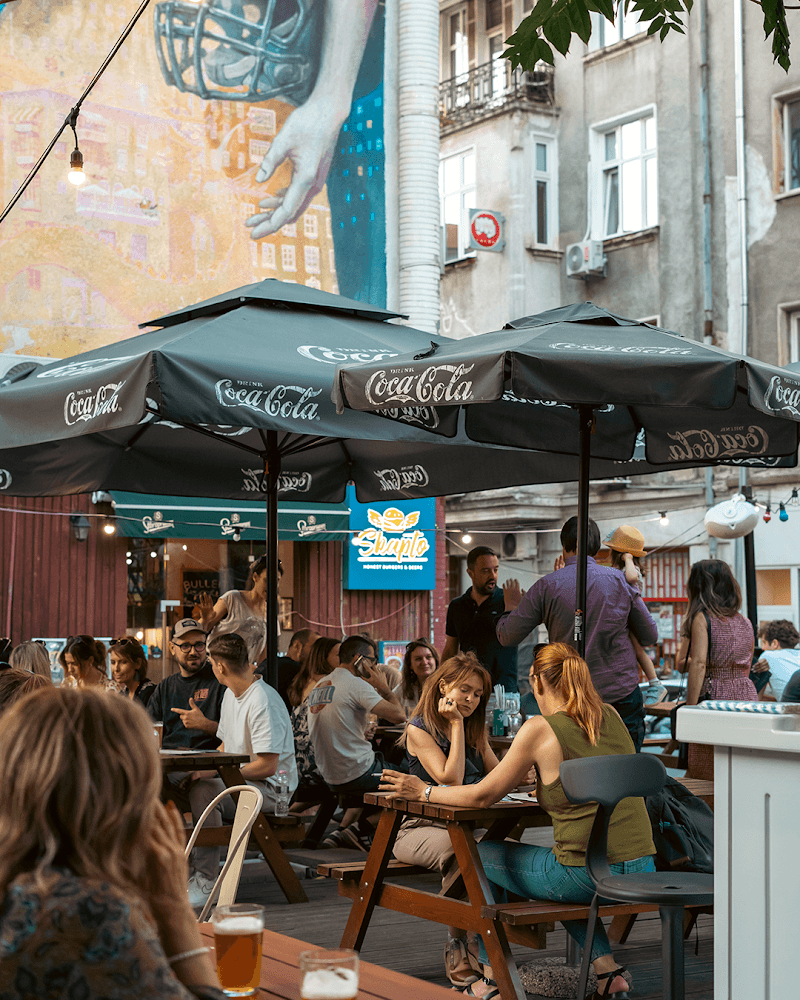
Things to Do in Sofia
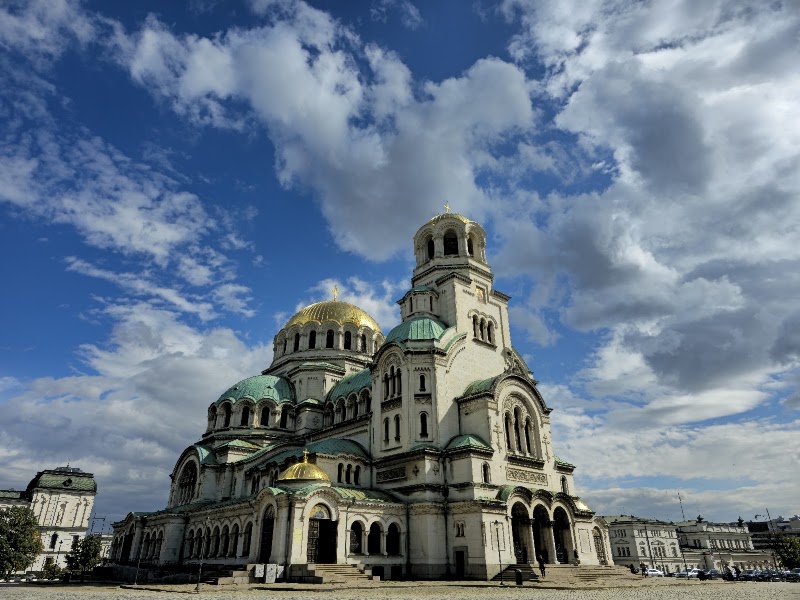
St. Alexander Nevsky Cathedral
Oborishte · 60 min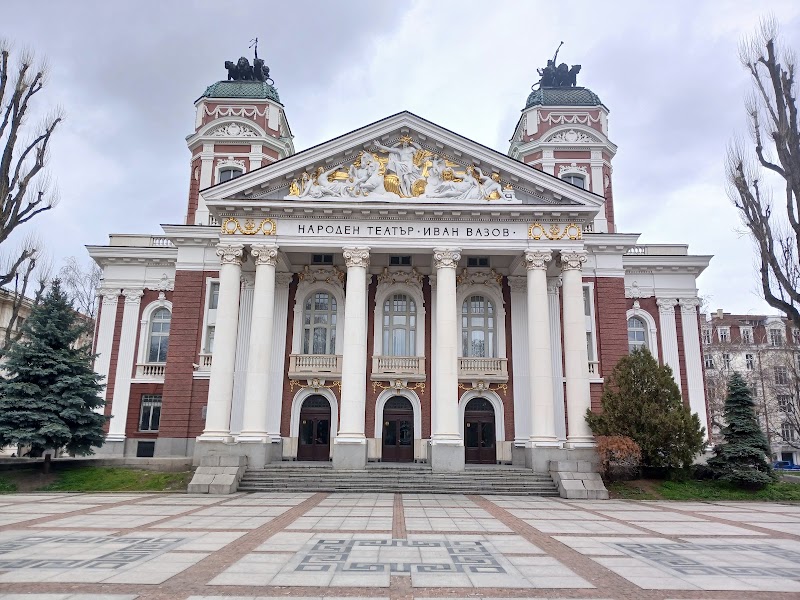
Ivan Vazov National Theatre & City Garden
City Center · 60 min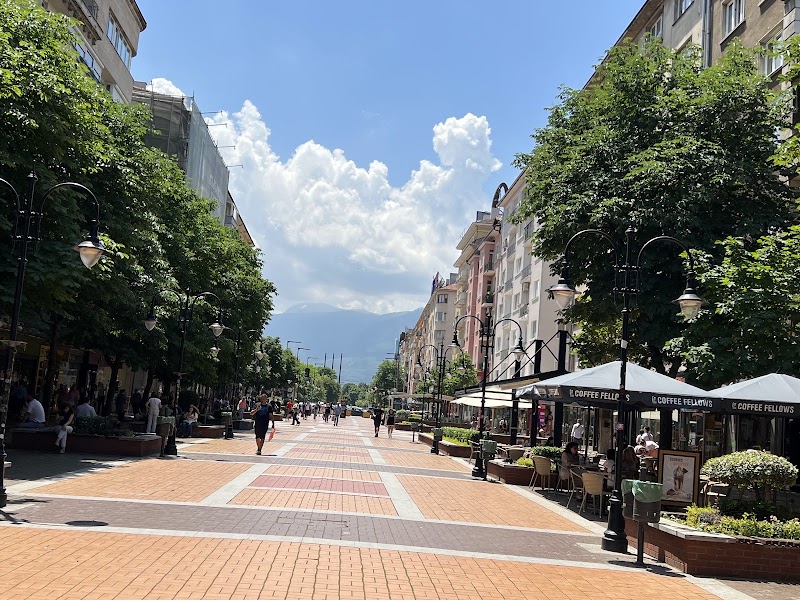
Stroll Vitosha Boulevard
City Center · 60 minMoney-Saving Tips
- 1.Eat lunch at traditional mehanas for 8-12 BGN instead of tourist restaurants charging 25+ BGN for the same dishes
- 2.Buy metro day passes (4 BGN) rather than individual tickets if you're taking more than 3 rides
- 3.Shop at Zhenski Pazar (Women's Market) for fresh produce and local specialties at fraction of supermarket prices
- 4.Drink local rakia and Bulgarian wine — imported spirits cost 3x more and the local stuff is surprisingly good
- 5.Book accommodation outside July-August peak season to save 30-40% on hotel rates
- 6.Use public transport to Vitosha Mountain instead of expensive taxi rides — metro plus bus costs under 3 BGN total
Travel Tips
- •Learn basic Cyrillic alphabet before arriving — many street signs and menus aren't translated
- •Carry cash for small purchases — many cafes and shops don't accept cards under 10 BGN
- •Download offline maps — mobile data can be spotty in the historic center's thick-walled buildings
- •Dress modestly when visiting churches and monasteries — covered shoulders and long pants required
- •Book Boyana Church visits in advance online — they limit daily visitors to protect the medieval frescoes
- •Pack layers for mountain day trips — temperature drops 6°C for every 1000m of elevation gained