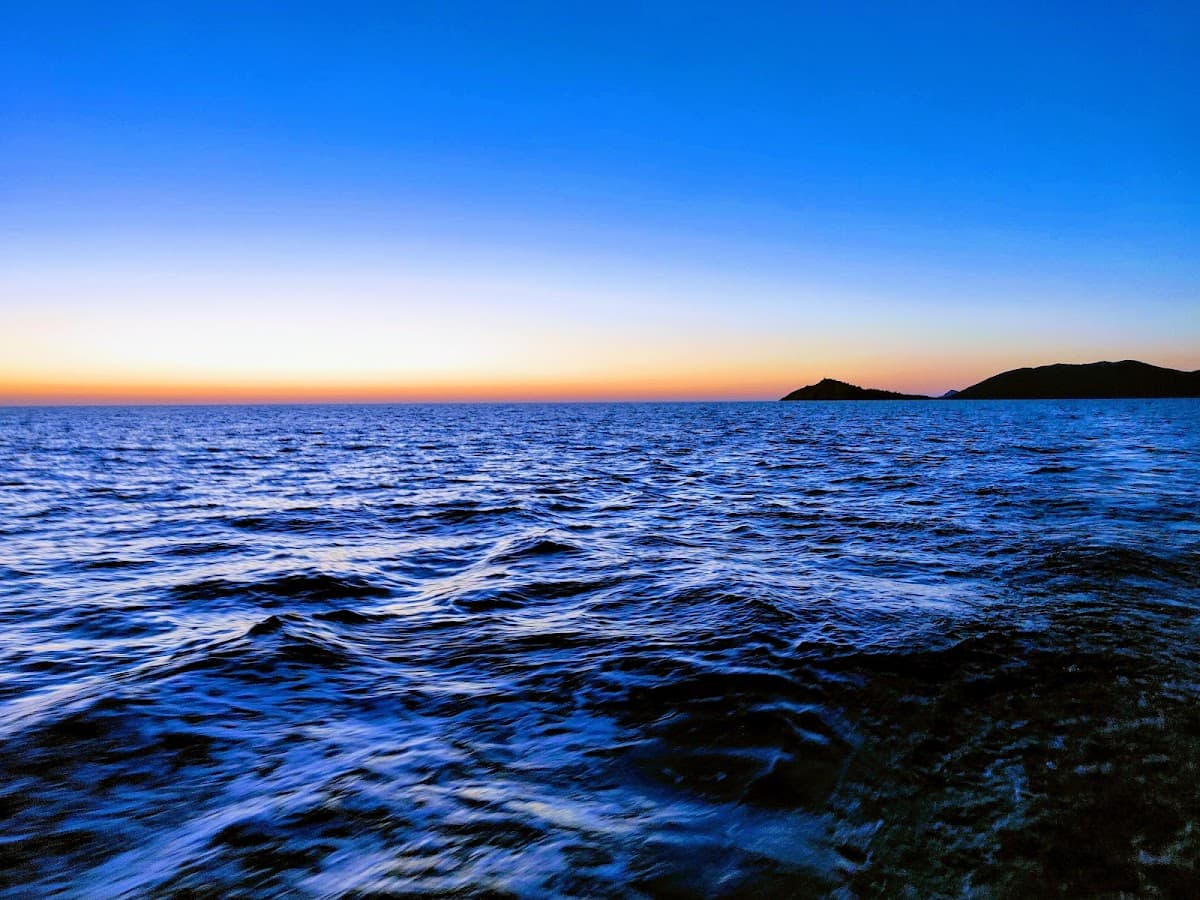
Adriatic Coast
Mediterranean jewel of historic cities and azure waters
The Adriatic Coast isn't just another European beach destination. This stretch of Croatian coastline serves up medieval cities that rise directly from turquoise waters, where you can walk Roman emperor's halls in the morning and swim in crystal-clear coves by afternoon. Here's the thing – while everyone's fighting crowds in Santorini, you're sipping wine on Korčula's stone terraces or exploring Diocletian's Palace in Split. The food alone is worth the trip: fresh sea bass grilled with olive oil from thousand-year-old trees, paired with local Plavac Mali wine. But don't expect pristine beaches everywhere – much of the coast is rocky, which keeps the water impossibly clear but means you'll want water shoes.
Money-Saving Tips
- 1.Book accommodations in shoulder season (May, September) for 30-40% savings over peak summer rates
- 2.Eat lunch at konobas instead of dinner – same food, often half the price
- 3.Buy ferry tickets online in advance for small discounts and guaranteed spots
- 4.Shop for groceries at local markets like Dolac in Zagreb or Green Market in Split
- 5.Drink local wines – Croatian bottles cost 60-80 kunas in restaurants vs 200+ for imports
- 6.Stay in apartments with kitchens on islands where restaurant options are limited and expensive
- 7.Use city tourist cards in Dubrovnik and Split for discounts on attractions and public transport
- 8.Fill up water bottles from public fountains – tap water is safe and tastes good throughout Croatia
Travel Tips
- •Pack water shoes – most beaches are rocky pebbles, not sand
- •Download offline maps before island visits – cell service can be spotty
- •Bring a portable phone charger for long ferry rides between islands
- •Learn basic Croatian greetings – locals appreciate the effort, especially outside tourist zones
- •Book dinner reservations in advance during summer, especially in Hvar and Dubrovnik
- •Carry cash – many small restaurants and shops don't accept cards
- •Start Dubrovnik city walls walk early morning or late afternoon to avoid crowds and heat
- •Check ferry schedules twice – services reduce frequency in shoulder seasons
- •Pack layers even in summer – sea breezes can make evenings chilly
- •Respect local customs when visiting churches – cover shoulders and knees
Frequently Asked Questions
BUILD YOUR
ADRIATIC COAST PLAN
Insider picks, smart timing, and a plan ready when you are.
Start Planning