Gdańsk
Hanseatic grandeur along Poland's amber Baltic coast
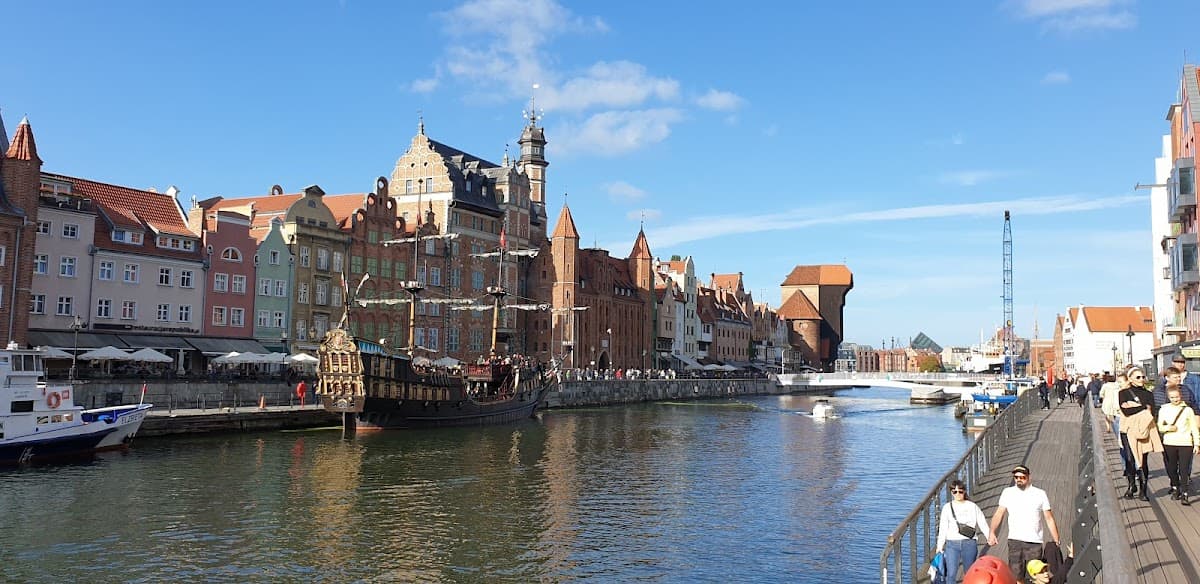
Gdańsk hits different than other European cities. Here's a place where Gothic spires rise from cobblestone streets that have seen centuries of maritime trade, where amber glows in shop windows like captured sunlight, and where you can walk the same waterfront paths that Hanseatic merchants once traveled. The old town feels like a living museum, but without the stuffiness — locals still live and work here, kids play in the squares, and the restaurants serve pierogi alongside craft beer. Sure, it's touristy in summer, but step off Długa Street and you'll find quiet courtyards and neighborhood bars where English is optional and the stories are real.
Best Months
MAY – SEP
~21°C · high crowds
Culture & Context
HISTORY FORGED HERE
Gdańsk has two defining moments baked into its identity: World War II started here, at Westerplatte on September 1, 1939, and the Solidarity movement that dismantled communism across Eastern Europe was born at the Gdańsk Shipyard in 1980. That's a lot of weight for one city to carry. But it wears it well. In 2025, UNESCO designated Gdańsk a City of Literature, recognizing its literary heritage going back to Nobel laureate Günter Grass, whose novel "The Tin Drum" immortalized the city's complicated history.
The Old Town you see today is almost entirely rebuilt. Nearly 90% of the city center was destroyed in WWII. What looks like 17th-century Hanseatic architecture is a meticulous postwar reconstruction, done so well that the seams barely show. This matters because the place genuinely earns its good looks.
Gdańsk is also the amber capital of the world. The Baltic Sea washes it up on the beaches after storms, and the city has traded it for over a thousand years. Mariacka Street is wall-to-wall amber dealers. Goldwasser liqueur, a local specialty since the 16th century, has actual flakes of 22-carat gold floating in it. Order it once, at least.
The city sits at the heart of the "Tri-City" (Trójmiasto), a metro area that also includes Sopot and Gdynia. All three are connected by the SKM commuter train, and locals hop between them constantly. Think of it like a mini-coast where each city has its own personality: Gdańsk for history, Sopot for beach parties and the longest wooden pier in Europe, Gdynia for modernist architecture and maritime museums.
Local Customs
GREET WITH DZIEŃ DOBRY
Say 'Dzień dobry' when entering a shop, stepping into an elevator, or sitting in a waiting room. It's social glue here. Skipping it reads as rude, not just indifferent..
When someone sneezes, say 'Na zdrowie.' It's practically mandatory. You'll hear it everywhere and people expect it..
Poles can seem cool or reserved on a first interaction. That's not hostility, it's just the baseline. Try even one Polish word and the temperature in the room usually shifts..
Tipping isn't automatic here. Around 10% in restaurants is appreciated; rounding up is common. You won't offend anyone by not tipping, but you will make a friend if you do..
Carry small change. Small shops, newsagents, and even the occasional fast food spot will refuse to break large notes (100+ PLN). Coins matter more than you think..
Exchange money at a Kantor, not at the airport or hotels. Kantors near tourist attractions also tend to offer worse rates, so walk a block or two off the main drag for better deals.. If you're visiting churches (St.
Mary's Basilica, St. Bridget's Church), dress modestly. Shoulders covered, knees covered.
It's a working religious site, not a backdrop.. Jaywalking is actually enforced here. Wait for the green man.
The City Guard does issue fines, and you won't be able to argue your way out in English.. Don't be surprised if restaurant staff don't come to check on you constantly. In Polish dining culture, that's considered polite.
You flag them down when you're ready.. The Old Town is partially residential. Late-night rowdiness draws complaints and actual police responses.
Keep the volume down after midnight on the residential side streets.
Safety
WATCH YOUR POCKETS
Gdańsk is genuinely one of the safer cities in Poland and compares well against most European capitals. Violent crime against tourists is rare. The real concern is ordinary petty theft: pickpockets work the main train station (Gdańsk Główny), crowded trams, and the busiest tourist stretches of the Old Town during peak season. Keep your bag zipped in front of you on public transport and don't leave jackets or phones unattended on café chairs.
Nowy Port is the one neighborhood to approach thoughtfully at night. It's changing, and a local guide will call it interesting — but after dark, alone, it's not where you want to get turned around. The Motława River waterfront gets quieter and darker after the restaurants close, so use common sense then too.
The Old Town at night is well-lit and generally fine. Most visitors report feeling comfortable walking around after sunset, including solo female travelers. The city consistently scores well on safety perception surveys. Emergency number is 112. For tourist-specific help, there are multilingual tourist police officers in the city center identifiable by language badges. Avoid unofficial taxis and street currency exchanges offering suspiciously good rates.
Getting Around
TRAMS & SKM TRAINS
Gdańsk has no metro, but you won't miss it. The public transport system is reliable and cheap enough that a car is genuinely unnecessary unless you're heading into the countryside.
Trams and buses are managed by ZTM. Most lines run every 20 minutes. Tram line 2 is the one tourists use most — it runs from the Main City through Wrzeszcz, Zaspa, and Przymorze all the way to Jelitkowo beach. A single ticket costs around 4–5 PLN; a monthly pass is 117 PLN. Download the Jakdojade app before you go. It has real-time schedules, route planning, and lets you buy tickets digitally (cheaper than buying from the driver).
The SKM commuter rail (yellow and blue trains) is the Tri-City backbone. It connects Gdańsk Główny station to Sopot in about 20 minutes for 6.50 PLN, and to Gdynia in 33 minutes for 11 PLN. Trains run every 10–15 minutes during the day, then every 30 minutes in the evening. The PKM line branches off from Gdańsk Wrzeszcz station and goes directly to Gdańsk Lech Wałęsa Airport (GDN). It's faster and more reliable than the bus option.
ZTM tickets and SKM tickets are separate systems. If you're doing both in a day, look for a combined MZKZG ticket — valid on buses, trams, and trains across the Tri-City for 72 hours. For airport runs, bus line 210 departs from the PKS station every 30 minutes during peak hours and takes about 30 minutes.
Bolt and Uber both operate here. Use them for late-night trips or when you're carrying bags. Official taxis from Neptun Taxi or Hallo Taxi are also safe — just make sure the meter is running. Electric scooters (Bolt, Lime) are fun for getting around but skip them on cobblestone streets, which is most of the Old Town.
Useful Phrases
Gdańsk Itineraries
View all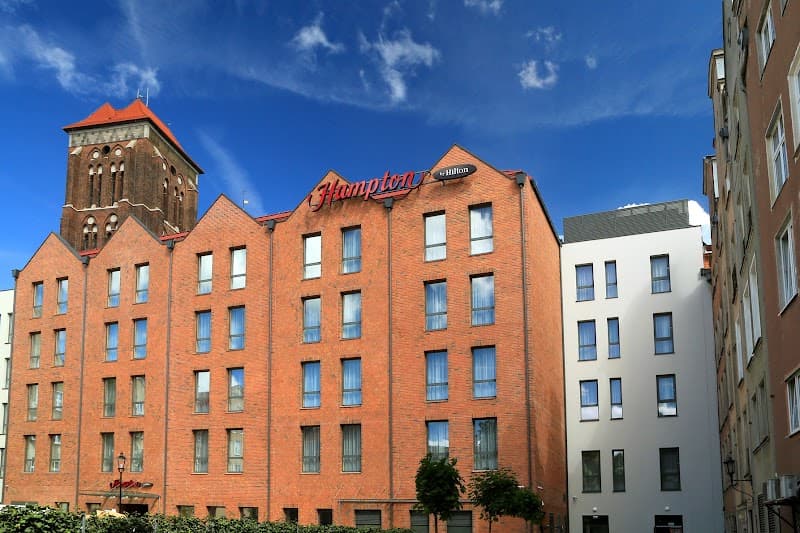
Seven Green Days in Gdańsk’s Historic Waterfront
Week · $$$

Gdańsk by Foot: Canals, History, and Green Hideaways
Weekend · $$$
Green Corners & Baltic Breezes: 3 Days in Gdańsk
Day Trip · $$$

Romantic Jungle Vibes & Baltic Sunsets in Gdańsk
Weekend · $$$
Romantic Gdańsk: Old Town Glow, Green Vistas, Baltic Sunset
Day Trip · $$$

7 Jungle‑Vibe Days in Seaside Gdańsk with Kids
Week · $$$
Where to Stay in Gdańsk
1 recommended properties
Things to Do in Gdańsk
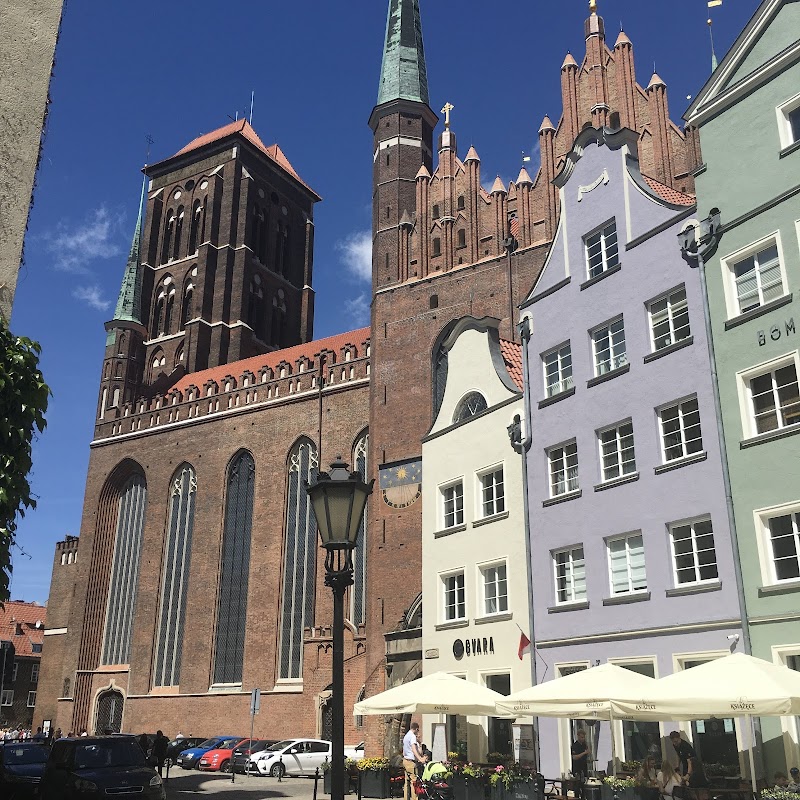
Mariacka Street & St. Mary’s Basilica Area
Śródmieście (Old Town) · 90 min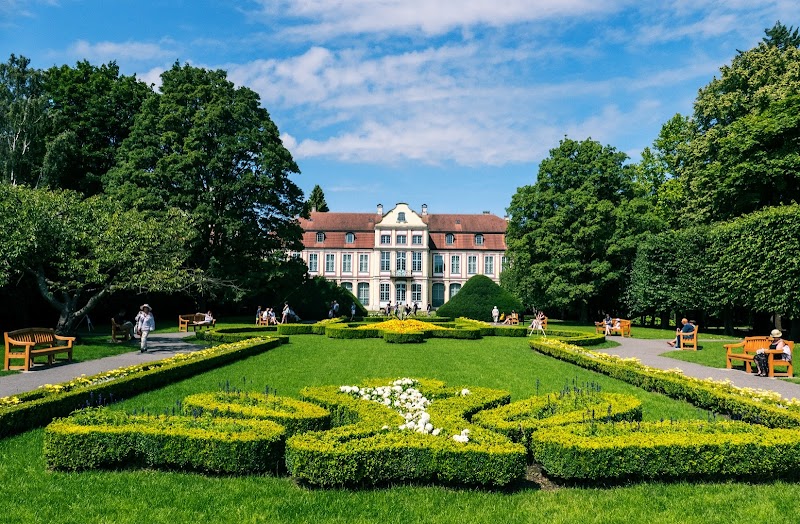
Park Oliwski (Oliwa Park) & Gardens
Oliwa · 120 min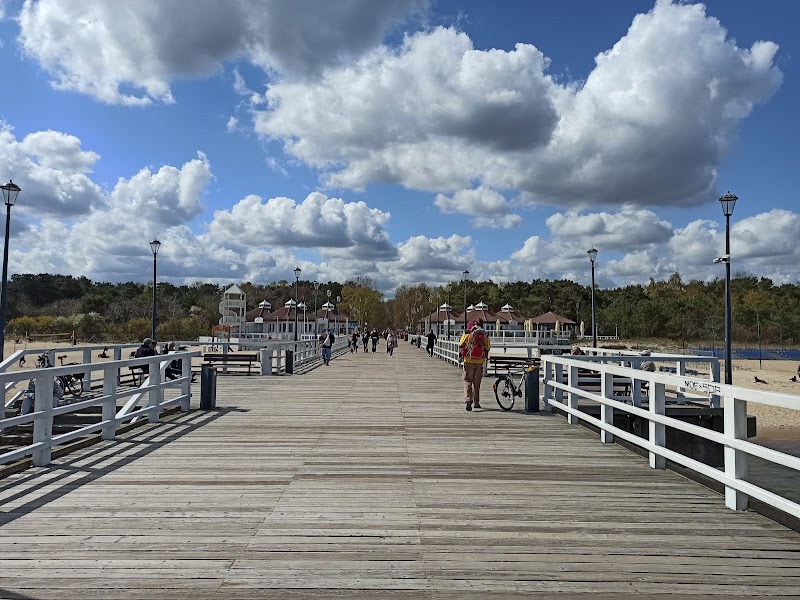
Sopot Beach & Pier (Molo)
Sopot · 150 minMoney-Saving Tips
- 1.Buy a Gdańsk Tourist Card for 89 PLN (72 hours) — includes public transport and discounts at 30+ attractions
- 2.Eat lunch at milk bars (bar mleczny) for traditional Polish food under 20 PLN per meal
- 3.Shop for amber at the Dominican Market on weekends — better prices than tourist shops on Długa Street
- 4.Book accommodation in Wrzeszcz district and commute by tram — save 50% on hotel costs
- 5.Use the free WiFi at McDonald's on Długa Street instead of buying a local SIM card for short visits
- 6.Buy groceries at Biedronka supermarkets — cheapest option for snacks and drinks
- 7.Take the free walking tour from the Neptune Fountain (tips expected but not required)
- 8.Drink at student bars in Wrzeszcz — beer costs 8-12 PLN vs 18-25 PLN in Old Town
Travel Tips
- •Download the ZTM Gdańsk app for real-time public transport — works in English and shows delays
- •Bring comfortable walking shoes — Old Town cobblestones are brutal on feet after a few hours
- •Learn basic Polish greetings — locals appreciate the effort, especially outside tourist areas
- •Book restaurants in advance during summer — popular spots fill up by 7 PM
- •Carry cash — many smaller shops and restaurants don't accept cards, especially outside Old Town
- •Pack layers year-round — Baltic weather changes quickly and wind off the sea cuts through light clothing
- •Visit St. Mary's Basilica early morning to avoid crowds and climb the tower for city views
- •Use the SKM train for day trips to Sopot and Gdynia — much faster than buses and runs frequently
- •Shop for amber at certified dealers — look for the amber certificate to avoid fake pieces
- •Book accommodation with parking if driving — Old Town is mostly pedestrian and parking costs 4 PLN per hour