Kosovo
Europe's youngest nation with ancient Balkan soul
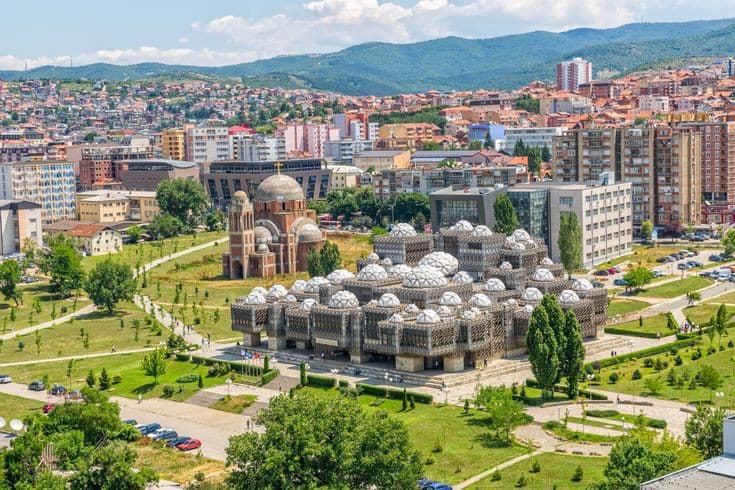
Kosovo feels like discovering Europe's best-kept secret. This young nation — only declared independence in 2008 — carries centuries of history in its Ottoman-era bazaars and medieval monasteries. You'll find Pristina's buzzing café culture costs a fraction of Western European prices, while the Rugova Mountains offer hiking trails that rival the Alps without the crowds. Here's the thing: most travelers still skip Kosovo entirely, which means you'll have UNESCO sites, traditional restaurants, and mountain peaks largely to yourself. The infrastructure is solid, the people are incredibly welcoming, and your budget will stretch further than almost anywhere else in Europe.
Culture & Context
HIPPOCRATES' ISLAND — BIKES, RUINS & BODRUM VIEWS
Kos sits in the southeastern Aegean, just 4km from the Turkish coast at Bodrum. That proximity is not incidental — it shapes everything about the island's character. Layers of Ancient Greek, Roman, Byzantine, Ottoman, and Italian occupation left behind a streetscape that genuinely reads like an open-air museum. Kos Town was actually rebuilt after a 1933 earthquake by Italian colonizers, so the wide boulevards and neoclassical facades feel European in a strangely un-Greek way.
But the island's deepest identity is Hippocratic. This is the birthplace of Hippocrates, father of modern medicine, and the island leans into it hard. The Asklepieion healing sanctuary 4km from Kos Town draws physicians from around the world on something close to pilgrimage. The ancient Plane Tree of Hippocrates in the town center — about 500 years old, even if legend claims 2,400 — marks the spiritual center of the place.
Here's the other thing Kos is known for: it's flat. Remarkably, unusually flat for a Greek island. That made cycling the default local transport long before anyone thought to market it. A 13km dedicated cycling path runs from Faros Beach to Psalidi. Rent a bike for a few euros and you can genuinely cover the whole northern coast without breaking a serious sweat. That said, peak summer (July–August) turns the tourist strips rowdy. Kardamena especially draws a hard-drinking British crowd. Plan accordingly.
cultural_context_headline: HIPPOCRATES & BIKE PATHS
Local Customs
Philoxenia runs deep here.
Locals — particularly outside the main tourist strips — will offer coffee, directions, and conversation freely. Reciprocate with genuine interest rather than treating it as a transaction..
Meals are communal and slow. Dinner rarely starts before 9pm. Ordering meze (small shared plates) is the norm.
Don't rush the waiter for the bill — it's considered rude to bring it without being asked.. Tip 5–10% at restaurants for good service. Rounding up the taxi fare to the nearest euro is standard.
Neither is mandatory, but both are appreciated.. Cover shoulders and knees when entering churches or monasteries. Swimwear is strictly for the beach and pool — don't walk through Kos Town in a bikini..
Greeks greet with a warm 'Kalimera' (good morning) or 'Kalispera' (good evening) when entering any shop or engaging a stranger. Skipping this comes across as abrupt.. The moutza gesture (open palm thrust toward someone) is deeply offensive in Greece — don't do it, even as a joke..
Name days are celebrated more than birthdays. If a local tells you it's their name day, 'Chronia Polla' (many years) is the right response.
Safety
GENERALLY VERY SAFE — USE TOURIST COMMON SENSE
Kos has a low crime rate and is considered one of Greece's safer tourist destinations. The main risks are the same as any busy Mediterranean island: pickpocketing in crowded market areas and the Kos Town harbor strip, opportunistic bag theft at beach bars, and overly aggressive scooter rental shops. There is no Uber on the island, so stick to official metered taxis or pre-booked transfers.
Sun and sea are the more realistic hazards. Summer temperatures regularly exceed 35°C. Dehydration is a genuine concern, especially if you're cycling or hiking to Zia village. The Thermes hot springs near Agios Fokas are popular, but the thermal water is very hot — enter carefully, and watch the rocky entry points.
Public intoxication is frowned upon culturally, even where it's common practice among tourists in Kardamena. The emergency number for all services is 112. Kos has a hospital and several health clinics. Tap water is technically safe to drink, though most locals and visitors stick to bottled.
safety_headline: VERY SAFE, WATCH YOUR STUFF
Getting Around
BIKES FIRST, BUSES SECOND, SCOOTERS THIRD
The island earned its "cycling island" nickname for good reason. Kos Town and the flat northern coast are genuinely best explored by bicycle. Rental shops are everywhere, charging roughly €5–10/day. The dedicated 13km bike path from Faros Beach to Psalidi is well-maintained.
For longer trips across the island, the KTEL public bus network connects Kos Town with Mastichari, Kardamena, Kefalos, and the airport. A one-way ticket costs about €2. The bus stop is 50m from the airport terminal — buy tickets from the driver. Taxis from the airport to Kos Town run about €25–40 depending on traffic and luggage.
Car rental makes sense for families or anyone planning to hit remote beaches in the southwest. Roads are not heavily trafficked outside Kos Town, and locations and archaeological sites are well signposted. Scooters and quads are popular, but road conditions outside main routes can be rough.
Ferry connections are excellent. Kalymnos is 30–45 minutes away; Bodrum, Turkey is just 20–30 minutes by international ferry. Daily ferries also connect to Rhodes, Leros, Patmos, and Piraeus (Athens, 9–11 hours). Kos International Airport (KGS) has year-round flights to Athens and heavy seasonal European charter and low-cost traffic in summer.
transport_headline: CYCLE THE FLAT NORTH
Useful Phrases
Explore Cities
Explore the Region
Money-Saving Tips
- 1.Eat at traditional restaurants rather than hotels - a full meal costs €5-8 versus €15+ at tourist spots
- 2.Buy bus tickets directly from drivers to avoid booking fees at stations
- 3.Stay in family guesthouses instead of hotels - they're half the price and include breakfast
- 4.Shop at local markets for snacks and water - supermarkets charge tourist prices
- 5.Book accommodation directly with owners rather than booking sites to skip commission fees
- 6.Use shared taxis (furgons) between towns - they cost €1-3 versus €20+ for private taxis
- 7.Visit wineries directly for tastings rather than through tour companies
- 8.Pack hiking gear if possible - rental equipment in mountain areas is limited and expensive
Travel Tips
- •Download offline maps - cell service gets spotty in mountain areas and border regions
- •Learn basic Albanian phrases - English isn't widely spoken outside Pristina and tourist areas
- •Carry cash in euros - many smaller businesses don't accept cards
- •Respect photography rules at religious sites - some monasteries prohibit photos inside
- •Check current border situations if traveling from Serbia - entry points can change
- •Pack layers for mountain trips - weather changes quickly at altitude even in summer
- •Try local SIM cards for data - they're cheap and work better than international roaming
- •Ask locals about current bus schedules - printed timetables aren't always accurate