
Stavanger
Gateway to fjords with vibrant cultural scene and oil wealth
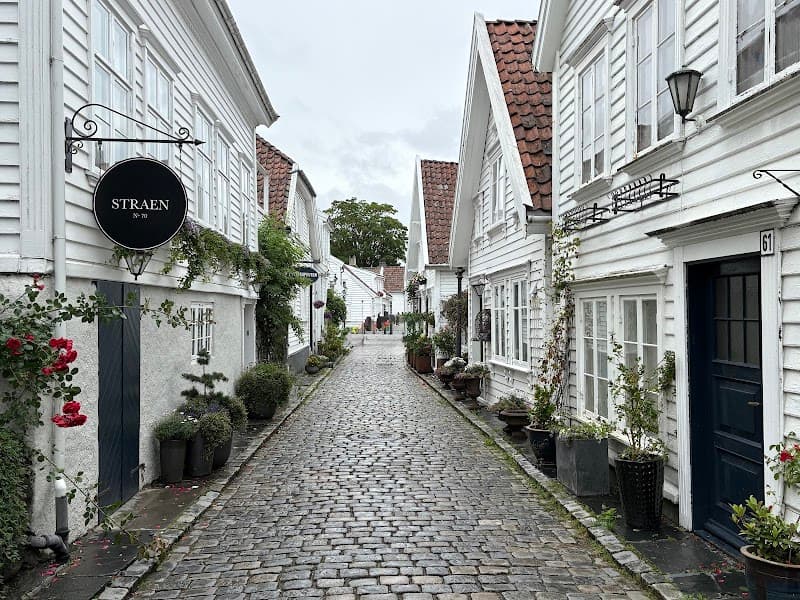
Stavanger hits different than other Norwegian cities. Sure, it's got the fjords and hiking everyone expects, but this oil-rich port town serves up surprises. The old town's white wooden houses look like they belong in a fairy tale, while the harbor buzzes with energy from cruise ships and fishing boats. You'll find world-class restaurants funded by petroleum money sitting next to centuries-old churches. And here's the thing – Stavanger works as your basecamp for some of Norway's most famous natural wonders, including Preikestolen (Pulpit Rock), without the tourist crowds you'd face in Bergen or the Lofoten Islands.
Best Months
JUN – AUG
~20°C · peak crowds
Culture & Context
OIL WEALTH MEETS FISHING HERITAGE
Stavanger is Norway's oil capital, and that shapes everything. The money is real and visible: international restaurants, a proper art scene, and a general polish you don't find in smaller Norwegian towns. But the old town has been kept intact.
Centuries of fishing and canning heritage sit right next to Michelin-starred kitchens. Norwegians here have a reputation for being direct and reserved with strangers. Don't read coldness into it.
They warm up quickly once you make an effort. The Nuart street art festival has slowly turned Stavanger into one of Europe's best outdoor gallery cities, with large-scale murals covering building walls across Storhaug and beyond. The city was European Capital of Culture in 2008 and has handled big international events confidently ever since.
Koselig — the Norwegian version of cozy contentment, similar to Danish hygge — is the operating philosophy for long dark winters here. Candles everywhere, thick wool blankets, and hot drinks. Lean into it.
Local Customs
NO TIPPING, SKÅL WITH RESPECT
Tipping is not mandatory. Service charges are included in the bill. If you want to round up or leave a little extra for exceptional service, that is appreciated but never expected.
Never feel pressured.. Punctuality is taken seriously. If you have a reservation, show up on time..
Buy all wine, spirits, and beer above 4.7% ABV at Vinmonopolet, the state liquor store. Supermarkets only sell low-strength beer.
Vinmonopolet is closed Sundays, and many close early on Saturdays — plan your weekend drinking accordingly.. When making a toast, say 'Skål!' and make brief eye contact with each person at the table before you drink.
Skipping eye contact is considered rude.. Norwegians greet casually. A simple 'hei' and first names are standard even with strangers.
There is no formal address equivalent here.. Tap water is exceptional quality throughout the city. Asking for tap water at a restaurant is completely normal and saves you money..
Hiking trails near Stavanger — especially Preikestolen — require proper footwear and planning. Weather changes fast. Always tell someone where you are going and when you plan to be back..
Gamla Stavanger is a residential neighborhood, not a theme park. People live there. Keep noise down, stay on the paths, and do not peer into windows.
Safety
VERY SAFE, RESPECT NATURE
Stavanger is one of the safer cities you'll visit anywhere. Violent crime is rare. That said, a few things are worth knowing.
Late-night weekend crowds around Vagen can get rowdy when bars close, so just keep moving if things feel off. Use licensed taxi companies rather than hailing random cars — overpriced or unlicensed taxis are the most commonly reported tourist problem here. On public transport, keep a hand on your bag in crowded areas, though pickpocketing is genuinely low risk compared to most European capitals.
Solo women travelers report feeling comfortable day and night, including on evening walks. The bigger risks in this region are actually in nature, not the city: weather on the Preikestolen hike changes fast, and people get into trouble every year by going unprepared or chasing the perfect edge-of-cliff photo. Wear proper hiking footwear, check the weather before you go, and tell your hotel where you're headed.
Tap water is safe — cleaner than most bottled water, in fact. Emergency number is 112 for police, fire, and medical. Medical services: 113 for direct ambulance access.
Getting Around
WALKABLE WITH EXCELLENT TRANSIT
Getting around Stavanger itself is straightforward. The city centre is compact and walkable — Gamle Stavanger, Øvre Holmegate, and the harbour are all within easy reach of each other on foot. For longer distances or island trips, the Kolumbus bus and ferry network covers the region well.
Download the Kolumbus app before you arrive; a single Zone 1 bus ticket costs 47 NOK through the app versus a cash surcharge if you pay on board. A 24-hour pass runs 127 NOK and covers buses, local trains, and several ferry routes to the islands. From the airport, the Flybussen express costs 151 NOK one way (book online to save versus buying on arrival).
Taxis are available but expensive: a short 8km ride runs around 407 NOK. For day trips to Preikestolen, shuttle buses run from the city to the trailhead during summer season. Lysefjord boat cruises depart from the city centre harbour.
Book early or take an early or late departure to avoid the worst of the tourist crowds on summer days.
Useful Phrases
Stavanger Itineraries
View all
Seven Wild Days in Stavanger’s Fjords and Forests
Week · $$$
Stavanger Weekend Escape: Fjords, Old Town, and Coastal Green
Weekend · $$$
Fjords, Waterfalls & Wild Romance in Stavanger
Week · $$$
Wild Fjords & Cozy Streets: A Romantic Stavanger Escape
Weekend · $$$
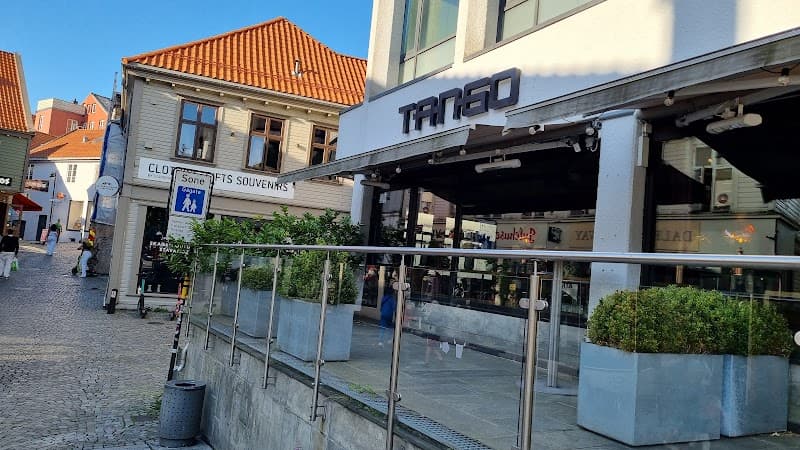
Stavanger Fjords, Colorful Streets, and Family Nature Days
Week · $$$
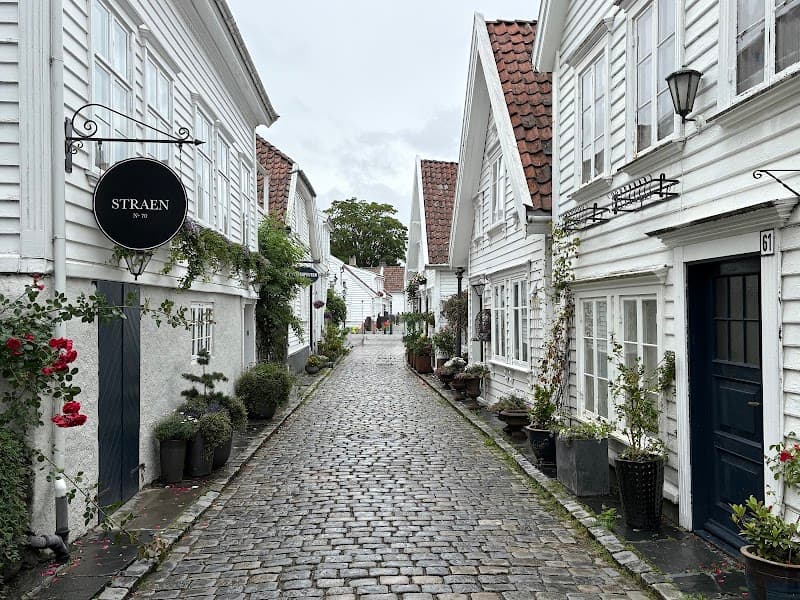
Wild Fjords & Cozy Streets: 3 Days in Stavanger
Weekend · $$$
Things to Do in Stavanger
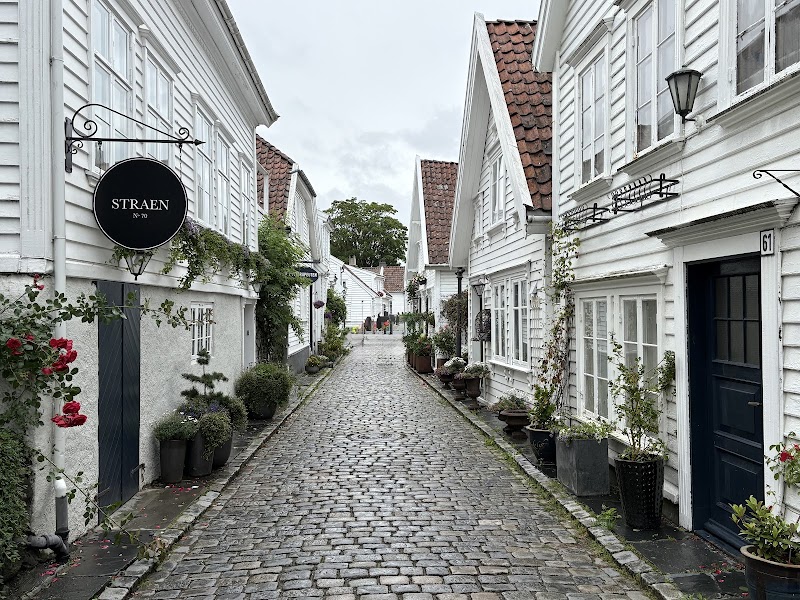
Gamle Stavanger
Old Stavanger · 90 min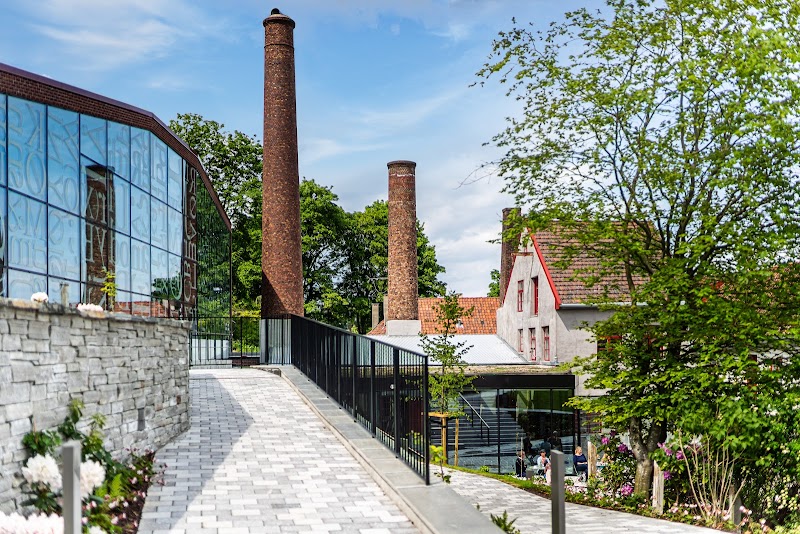
Norwegian Canning Museum
Old Stavanger · 60 min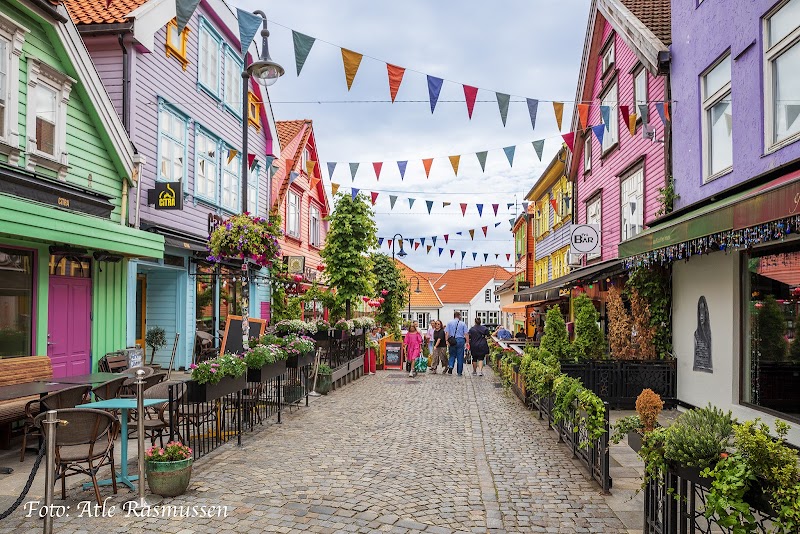
Fargegata Walk
Øvre Holmegate · 75 minMoney-Saving Tips
- 1.Buy groceries at Rema 1000 or Kiwi for the cheapest prices - avoid ICA and Meny unless you need specialty items
- 2.Take the regular car ferry to Tau instead of tourist boats to reach Lysefjord hiking trails - costs 89 NOK vs 400+ NOK for cruise boats
- 3.Pack lunch for hiking trips - trail cafes charge 200+ NOK for basic sandwiches that cost 50 NOK at grocery stores
- 4.Book accommodations for May or September instead of peak summer - save 30-40% on hotels with similar weather
- 5.Use Kolumbus day passes (120 NOK) if taking more than 3 bus rides - single tickets cost 45 NOK each
- 6.Buy alcohol at duty-free when flying in - Norwegian liquor stores charge 300+ NOK for basic bottles
- 7.Eat lunch specials at restaurants instead of dinner - same food for 40-50% less, typically served 11 AM-4 PM
Travel Tips
- •Download the Kolumbus bus app before arriving - paper tickets cost extra and drivers rarely speak English
- •Bring waterproof hiking boots even in summer - Norwegian trails stay muddy and rocky year-round
- •Start Preikestolen hikes before 8 AM to avoid crowds and secure parking - the lot fills completely by 9 AM in peak season
- •Pack layers for unpredictable weather - temperatures can swing 10°C in a single day, especially near the fjords
- •Book restaurants in advance during cruise ship days (check port schedule online) - popular spots fill up fast
- •Learn basic Norwegian phrases - locals appreciate the effort and many older residents prefer Norwegian over English
- •Carry cash for small vendors and public toilets - many places still don't accept cards for purchases under 50 NOK
- •Check trail conditions at DNT (Norwegian Trekking Association) before hiking - mountain weather changes quickly