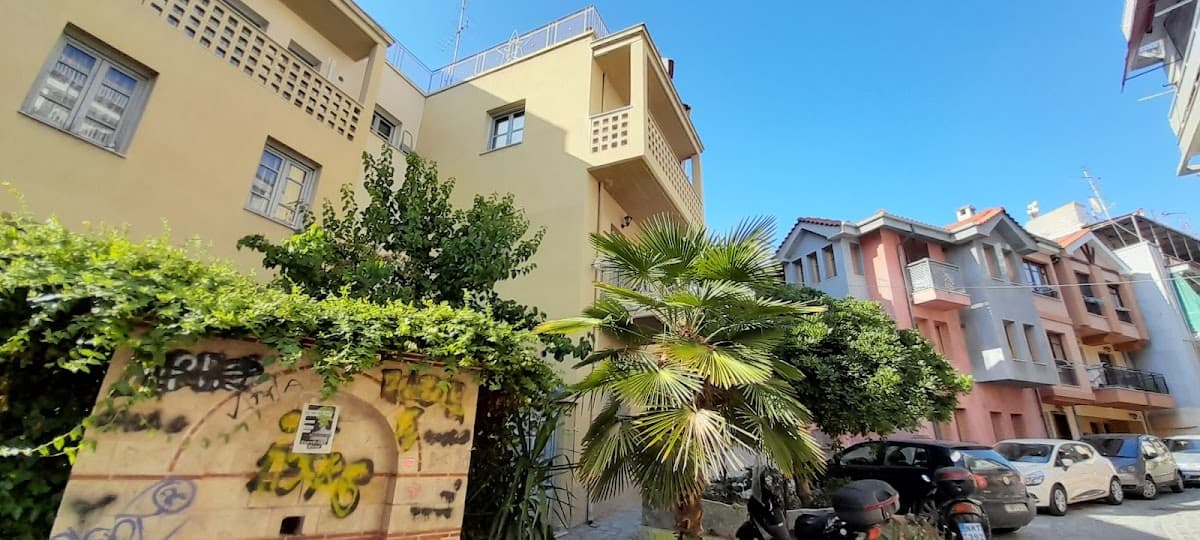
Thessaloniki
Byzantine treasures meet vibrant nightlife in Greece's cultural capital
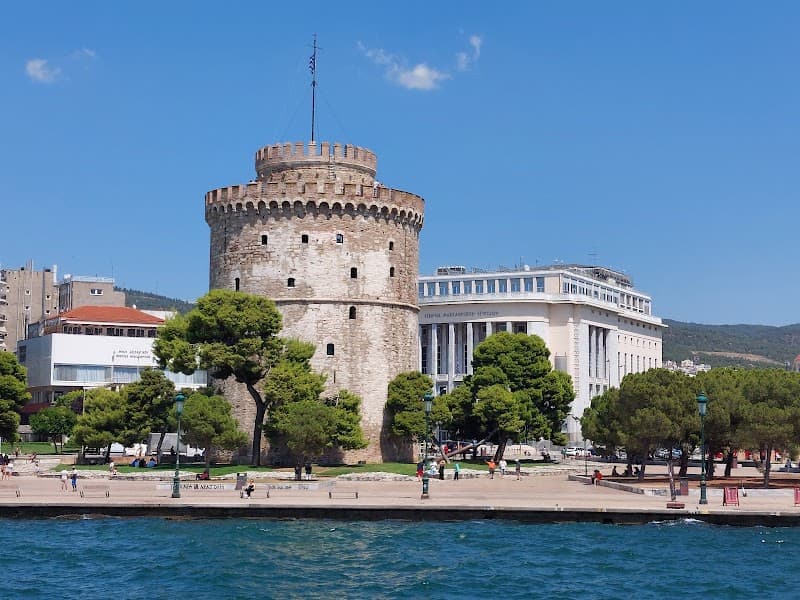
Thessaloniki doesn't try to be Athens. And that's exactly why you'll fall for it. Greece's second city has all the history you want - Roman ruins, Byzantine walls, Ottoman hammams - but without the tourist crowds crushing your morning coffee ritual. Here's a city where university students debate philosophy at 2am in Ladadika's bars, where your grandmother's recipe for bougatsa gets schooled by a corner bakery on Egnatia Street, and where the Thermaic Gulf sunset paints the White Tower gold every single evening.
Look, this isn't some sleepy island getaway. Thessaloniki works for its living, studies late, and parties later. The locals call it "Symprotevousa" - the co-capital - and they mean it. You'll understand why after your first night wandering from a traditional taverna in Ano Poli to a cocktail bar in the port district.
Best Months
APR · MAY · JUN · SEP · OCT · NOV
~23°C · moderate crowds
Culture & Context
Thessaloniki is Greece's second city and has been shaped by more layers of history than almost anywhere in Europe: Ancient Macedonian, Roman, Byzantine, Ottoman, and Jewish communities have all left their mark on the architecture, food, and general attitude of the place.
The city has the largest student population in Greece, thanks to Aristotle University (the country's biggest university), and that keeps prices competitive and energy young. It holds the UNESCO City of Gastronomy designation — the only city in Greece with that title — and locals take their food very seriously.
The Thessaloniki food culture isn't just about eating; it's about the ritual of long meals, shared plates, and tsipouro poured repeatedly until someone calls a taxi. The concept of halara (relaxed, take it easy) defines daily life here in a way that's different from Athens. The pace is slower deliberately.
People sit in cafes for three hours over one coffee. Dinner doesn't start until 9pm. Nobody is in a rush, and showing impatience reads as rude.
Philoxenia — hospitality toward strangers — is practiced genuinely here, not as a tourist industry performance. The Greek Orthodox Church still shapes the cultural calendar: Orthodox Easter (April 12, 2026) is the most significant holiday of the year, with Good Friday street processions carrying candles through neighborhoods. The city's Jewish heritage is also significant — Thessaloniki was once one of the most important Jewish cities in the world before WWII, and traces of that history remain in the architecture and several museum collections.
LGBTQ+ travelers will find the city tolerant and welcoming, especially in Ladadika and Valaoritou.
Local Customs
Coffee is a slow ritual here.
Sit down, order a freddo espresso or frappe, and expect to stay for at least an hour. Nobody will bring you the bill unprompted — that would be rude..
Dinner starts late. Restaurants are quiet before 9 PM. If you show up at 7, you'll be eating alone surrounded by empty tables.
Roll with it and eat when the locals do.. The moutza gesture (palm facing outward, fingers spread) is seriously offensive in Greece. Don't do it, even jokingly..
Don't flush toilet paper. In most of Thessaloniki's older buildings and neighborhoods, the plumbing can't handle it. Use the bin provided..
Dress modestly for churches and monasteries — shoulders and knees covered, for everyone. This applies to the many Byzantine churches scattered across the city center, not just obvious tourist sites.. Philoxenia (love of strangers) is real.
If a local invites you for coffee or offers to show you something, they mean it. Accept graciously.. Tipping is appreciated but not mandatory.
Rounding up or leaving 5–10% for good taverna service is the norm. Don't leave coins on the table — it reads as insulting.. Greeks stand closer during conversation than most Northern Europeans are used to.
Don't back away — it's warmth, not aggression.. Demonstrations happen around Aristotle University and Aristotelous Square, particularly on Feb 28, May 1, Nov 17, and Dec 6. They're usually peaceful but can disrupt transport..
The concept of 'Greek time' is real — don't be surprised if things start 15–30 minutes late. Build buffer into your plans.
Safety
Thessaloniki is a genuinely safe city for most travelers.
The biggest risks are pickpocketing in crowded areas (Aristotelous Square, public transport, markets) and the occasional inflated taxi fare for tourists who don't use apps. Violent crime against tourists is rare.
Use the Beat app for taxis to avoid fare disputes. At ATMs, stick to machines inside bank branches or shopping centers — standalone street ATMs late at night are where skimming occasionally happens. Demonstrations cluster around Aristotle University campus, Aristotelous Square, and Kamara on specific dates (Feb 28, May 1, Nov 17, Dec 6) — they're usually peaceful but can disrupt buses and roads.
Just reroute. Traffic near Egnatia Street is assertive — don't assume cars will stop at crossings. Tap water is safe to drink and meets EU standards, though some travelers with sensitive stomachs prefer bottled.
Emergency number: 112 (EU-wide, English-speaking). Tourist Police: 171. Local police: +30 2310 298400.
Papageorgiou Hospital: +30 2310 993100. The LGBTQ+ scene is relatively open, especially in Ladadika and Valaoritou. Greece legalized same-sex marriage in 2024.
More conservative behavior is expected outside the city center. Air quality is good (average AQI 0–50). No COVID restrictions as of 2026.
Getting Around
The Thessaloniki Metro finally opened in late 2024 after decades of delays.
Line 1 runs 13 stations from the New Railway Station to Nea Elvetia, passing through Venizelou (Aristotelous Square access) and Panepistimio (university area). Operates daily 05:30–23:00.
Single ticket €1.50; monthly pass €30. A Kalamaria extension is in testing and expected to add stations in 2026.
The OASTH bus network covers 75 routes with 604 buses across the metro area, running 5am–12:30am (some lines to 1am). Tickets €0.90 at kiosks (add €0.
10 if you buy on board, and machines don't give change). Airport bus X1 runs 24/7 for €1.80.
From the airport: taxi to center is ~€25 and 30 minutes; the metro connection is the cheapest option at under €2. The city center is only about 2km across — from the White Tower to the Roman Agora — so walking is genuinely viable for most sightseeing. Bikes are rentable from Thessaloniki by Bike for around €2/hour; the waterfront promenade is flat and perfect for cycling.
Taxis via the Beat app start at €3/km and are affordable by Western European standards. From Athens: Hellenic Train takes 4 hours (€25–45) with scenic coastal views; KTEL bus takes 5.5 hours (€35).
Flying in: Thessaloniki Airport (SKG) receives direct flights from major EU cities; budget carriers including Ryanair offer one-way fares from around €30.
Useful Phrases
Thessaloniki Itineraries
View all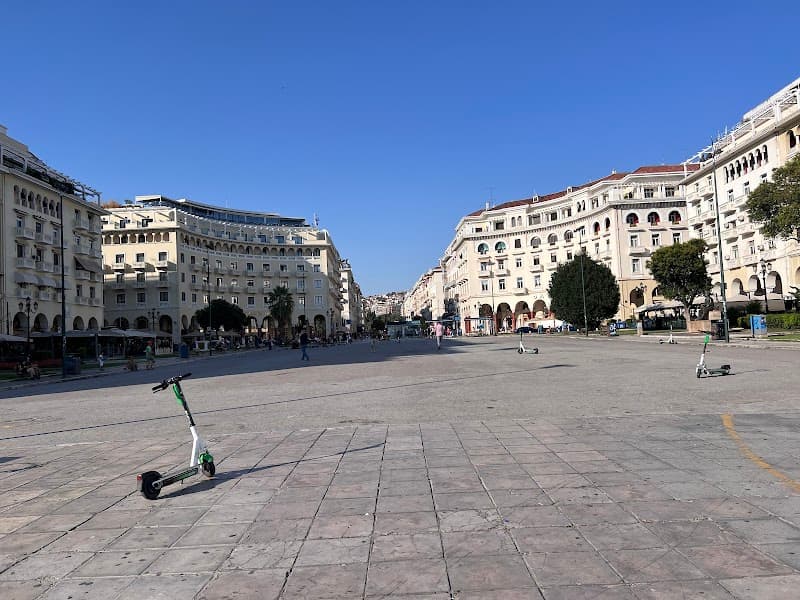
Seven Lush Days in Thessaloniki’s Urban Jungle
Week · $$$
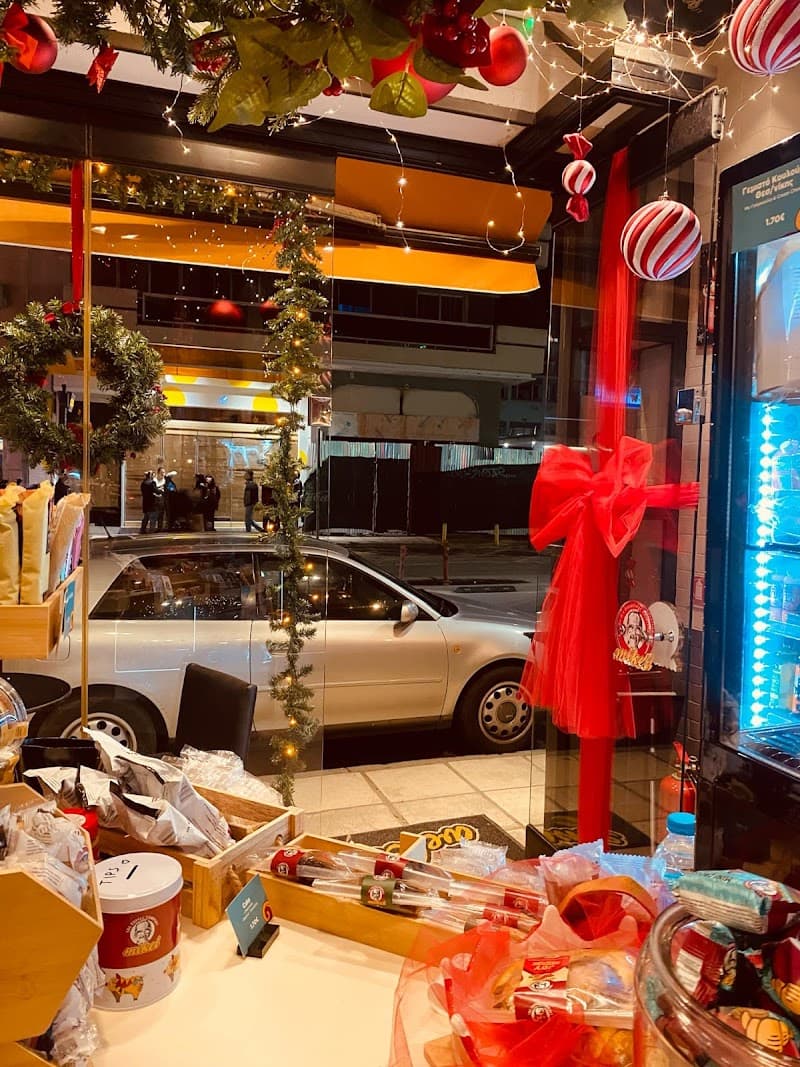
Thessaloniki Jungle Vibes: Sea, Hills & Byzantine Mystique
Weekend · $$$
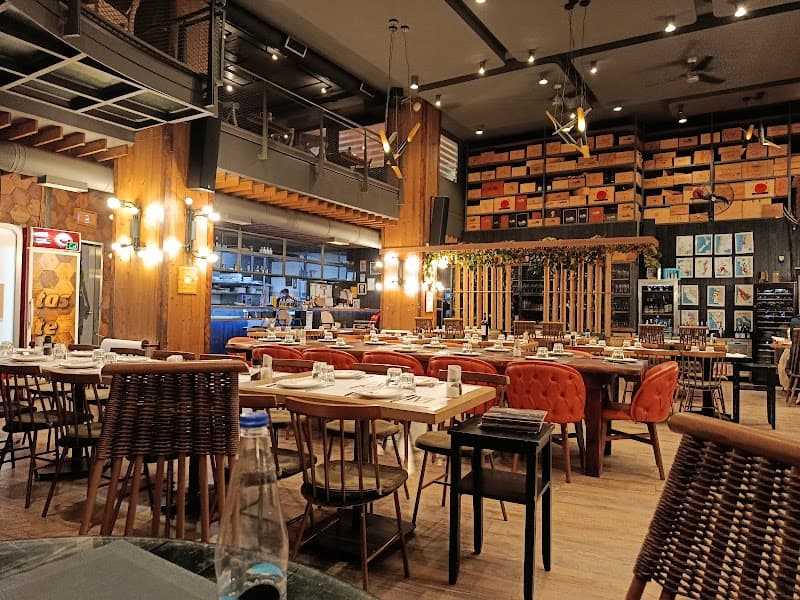
Thessaloniki Wild Greens & Waterfront Weekender
Day Trip · $$$
Seven Romantic Days in Lush & Lively Thessaloniki
Week · $$$
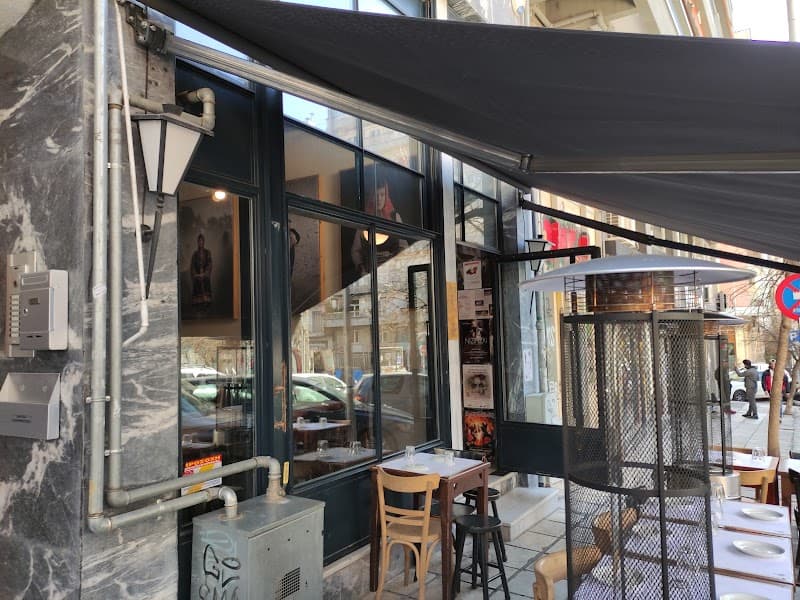
Thessaloniki Weekend Escape: Sea Views, Ruins, and Romantic Streets
Weekend · $$$
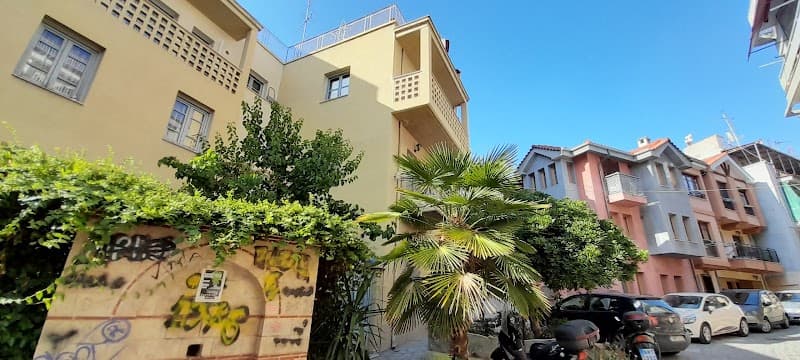
Wild Greens & Seaside Dreams in Thessaloniki
Day Trip · $$$
Things to Do in Thessaloniki
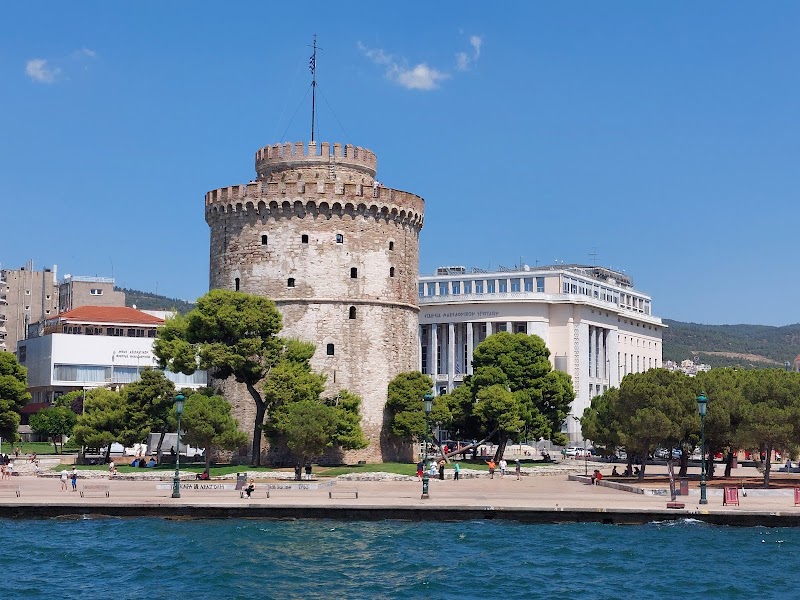
White Tower of Thessaloniki
Waterfront / City Center · 60 min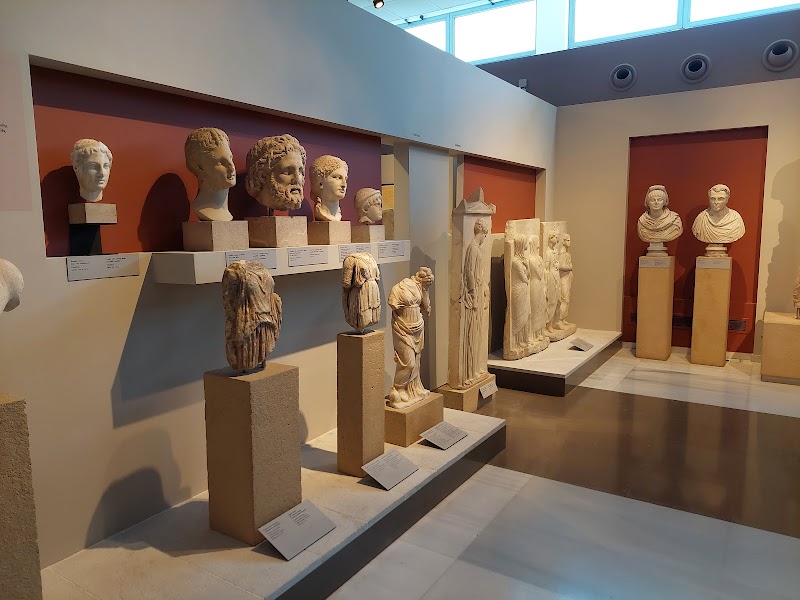
Archaeological Museum of Thessaloniki
City Center / Museum Quarter · 90 min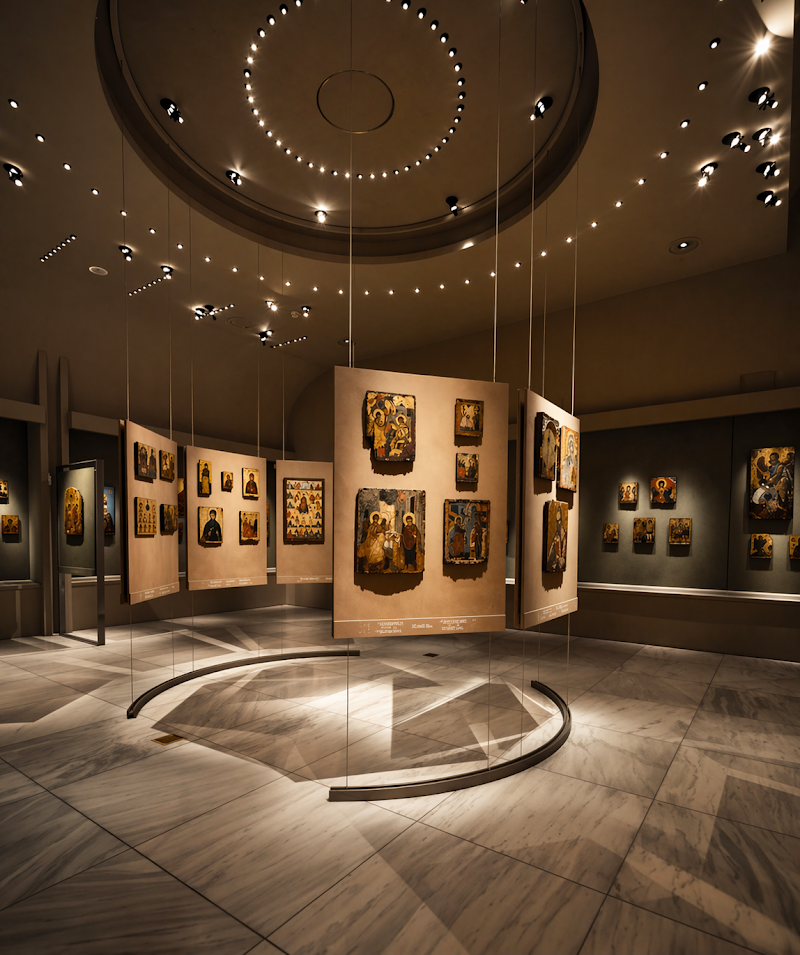
Museum of Byzantine Culture
City Center / Museum Quarter · 90 minMoney-Saving Tips
- 1.Museum combo tickets save €5-8 if you're hitting multiple Byzantine sites - buy at the White Tower
- 2.Lunch before 3pm gets you better prices at tavernas, plus fresher food
- 3.Happy hour runs 6-8pm at most bars in Ladadika - cocktails drop from €8 to €5
- 4.Take the metro from the airport instead of taxis - saves €25 and it's faster
- 5.Shop at Modiano Market in the morning for best selection and prices on local products
- 6.Many museums offer free entry on first Sunday of each month (October-March)
- 7.Street food costs half what restaurant versions do - bougatsa from bakeries runs €2-3
- 8.Buy wine directly from northern Greek wineries during day trips - bottles cost €8-15 vs €25+ in restaurants
Travel Tips
- •Download the OASA Telematics app for real-time bus schedules - routes change frequently
- •Restaurants don't open for dinner until 8pm, bars don't get busy until 10pm
- •Bring comfortable walking shoes - the Old Town's cobblestones and hills will test your ankles
- •Learn basic Greek greetings - locals appreciate the effort more than in touristy islands
- •Book accommodation early for October - it's peak conference season
- •Many shops close 2-5pm for siesta, especially in summer
- •The White Tower elevator often breaks - be prepared to climb if you want the view
- •Parking in city center costs €2-4 per hour - use the Park & Ride lots near metro stations
- •Tipping 10% is standard at restaurants, round up for taxis and coffee
- •ATMs charge fees - withdraw larger amounts to minimize costs
Frequently Asked Questions
Explore Thessaloniki
BUILD YOUR
THESSALONIKI PLAN
Insider picks, smart timing, and a plan ready when you are.
Start Planning