Puglia
Italy's heel serves authentic cuisine and whitewashed trulli
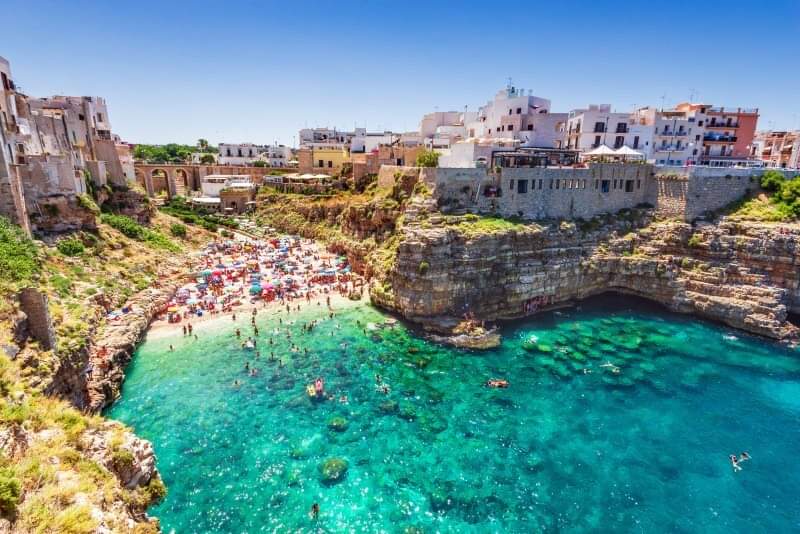
Puglia sits at the bottom of Italy's boot like a well-kept secret that's slowly getting out. This is where Italians vacation when they want to escape the crowds of Tuscany and the Amalfi Coast. The heel of Italy serves up authentic masserie farmhouses, cone-shaped trulli that look like something from a fairy tale, and olive oil so good it makes you question everything you thought you knew about the stuff. Here's the thing: Puglia feels like Italy before mass tourism arrived. Towns like Alberobello still shut down for afternoon riposo, and in Lecce, the baroque architecture glows golden in the evening light. The coastline stretches for 800 kilometers, offering both the Adriatic's calm waters and the Ionian's dramatic cliffs. But don't come expecting Switzerland-level efficiency. Trains run late, restaurants close without warning, and Google Maps sometimes gives up entirely. That's part of the charm.
Money-Saving Tips
- 1.Skip Alberobello's touristy restaurants and drive 10 minutes to Locorotondo for authentic food at half the price
- 2.Buy olive oil directly from producers along the countryside roads - look for 'olio nuovo' signs in November
- 3.Many masserie offer free tastings if you're staying as a guest, saving 15-20 euros per person on organized tours
- 4.Lunch menus cost 12-15 euros compared to 25-30 euro dinners at the same restaurants
- 5.Regional trains cost significantly less than high-speed options, and the scenery is better anyway
- 6.Beach clubs charge 15-25 euros for umbrella and chairs, but many free beaches exist between the paid sections
- 7.Aperitivo hour (6-8 PM) includes free snacks with drinks, essentially becoming dinner for 8-10 euros
Travel Tips
- •Download offline maps before exploring - cell service gets spotty in rural areas between towns
- •Pack layers even in summer - coastal evenings can get surprisingly cool with sea breezes
- •Learn basic Italian greetings - English is less common here than in northern Italian tourist areas
- •Carry cash for small restaurants and parking meters - many places don't accept cards
- •Book accommodations early for September-October when weather is perfect and crowds lighter
- •Respect afternoon riposo from 1-4 PM when most shops and restaurants close completely
- •Wear comfortable walking shoes with good grip - those whitewashed stone streets get slippery
- •Try to time Alberobello visits for early morning or late afternoon to avoid cruise ship crowds from Bari