
Palermo
Sicily's chaotic capital where cultures collide beautifully
Palermo hits you like a sensory overload. Motorbikes weave through medieval streets while vendors hawk arancini from carts that haven't moved in decades. This is Sicily's chaotic capital, where Arab domes sit next to Norman towers, and every corner tells a different story of conquest and culture.
The city doesn't try to impress tourists — it's too busy being itself. Markets overflow with blood oranges and fresh ricotta. Baroque churches hide behind laundry lines. And the food? It's a beautiful mess of influences that somehow works perfectly together.
But here's what makes Palermo special: it feels undiscovered despite being a capital city. You can eat like royalty for €10, explore thousand-year-old palaces for free, and have entire neighborhoods to yourself. The chaos is part of the charm, even when it drives you slightly mad.
Best Months
APR · MAY · JUN · SEP · OCT · NOV
~23°C · moderate crowds
Culture & Context
EUROPEAN PORTEÑO SWAGGER
Palermo is Buenos Aires' largest and most internationally known barrio. It's been chopped into sub-neighborhoods by real estate agents over the years — Palermo Soho, Palermo Hollywood, Palermo Chico, Las Cañitas, and the tongue-in-cheek "Villa Freud" (named for the high concentration of psychoanalysts). The neighborhood has a strongly European feel — late 19th-century casas chorizos rub up against modern towers, and wide, tree-lined streets feel closer to Paris or Barcelona than to Latin America.
Porteños (Buenos Aires locals) eat late — dinner rarely starts before 9pm, restaurants fill up after 10pm, and milongas (tango dance halls) don't really get going until midnight. The city runs on mate (shared yerba mate is a social ritual), a serious steak culture, and a love of psychoanalysis that is genuinely unmatched anywhere else on earth. Tipping is appreciated but not as expected as in the US — 10% is common at restaurants.
Lunfardo, the street slang born from 19th-century Italian immigrant communities, is deeply woven into everyday speech and tango lyrics. The Buenos Aires accent is distinct: "ll" and "y" are pronounced "sh" — so "calle" sounds like "cashe." Argentines are warm, chatty, and very proud of their city.
They appreciate any attempt to speak Spanish, even badly. One important note: do NOT use the verb "coger" — it means something entirely different here than in Spain.
Local Customs
DINNER AT MIDNIGHT
Dinner is never before 9pm. Booking a table at 8pm signals tourist. Locals eat at 10pm..
Greet people with a single cheek kiss — this applies to strangers, new acquaintances, even business meetings.. Mate is shared in a circle using the same bombilla (metal straw). Never add sugar unless offered.
Never move the straw. Wait your turn.. Dress chic and put-together — Palermo has a fashion-conscious crowd.
Showing up in hiking gear or sloppy tourist clothes gets noticed.. Carry your bag cross-body on your chest, or wear your backpack on the front. Locals do it too..
Psychoanalysis is mainstream and openly discussed. Don't be surprised if someone references their therapist in casual conversation.. Sundays in Palermo mean the Plaza Serrano fair (Feria Honduras) — artisans, leather goods, jewelry, and a lively crowd from late morning..
Restaurants add a 'cubierto' (table cover charge) of roughly $1.70 USD — it's standard and not optional.. Cash is useful but increasingly supplemented by apps like Mercado Pago.
Many places now prefer digital payment.. Late-night culture is real — nightclubs in Palermo don't fill up until 2am, and staying until sunrise is normal.
Safety
SAFEST IN SOUTH AMERICA
Palermo is one of Buenos Aires' safest neighborhoods — rated 9/10 by safety researchers, with northern barrios (Palermo, Belgrano, Recoleta) having 70% lower crime rates than southern areas. Argentina holds a US State Department Level 1 rating (same as Canada and Japan) and ranks #46 on the Global Peace Index — #1 in South America. That said, petty crime is real and opportunistic.
The main risks: phone snatching (never hold your phone near a curb or at a busy intersection), pickpocketing in crowds, and the mustard scam (someone spills something on you, an accomplice picks your pocket while they "help"). Carry your bag cross-body on your chest. Don't hang bags on chair backs at cafés — they will vanish.
Use Uber or Cabify at night rather than hailing random taxis; taxi scams at EZE airport are well-documented. Avoid La Boca after dark, and be sharp around the Retiro bus terminal and Constitución train station. Keep expensive electronics discreet — smartphones cost far more here than abroad, making them prime targets.
Violent crime against tourists is statistically rare. Tourist police (English-speaking): 0800-999-5000. Emergency: 911.
US Embassy: +54 (11) 5777-4354.
Getting Around
SUBTE & UBER WALKABLE
Palermo sits on Subte Line D — stops at Plaza Italia, Palermo, and Scalabrini Ortiz put you within walking distance of most of the neighborhood. Get a SUBE card (rechargeable at kiosks, stations, or via app) for buses and the subte — buses do not take cash. Monthly transit runs $16–30 USD with regular use.
Uber and Cabify are widely available, reliable, and cheap — most rides within Palermo or to adjacent barrios cost $3–7 USD. Use apps rather than hailing cabs off the street. From Ezeiza International Airport (EZE), take the Tienda León shuttle to the city center for about $10 — far cheaper than private transfers.
Jorge Newbery domestic airport (AEP) borders Palermo, making it extremely convenient for internal Argentine flights. The neighborhood is highly walkable — Palermo Soho to Palermo Hollywood is a 15-minute flat walk. Biking is viable with EcoBici (Buenos Aires' bike-share system, free for residents, low-cost for visitors) along Av.
del Libertador and the park paths.
Useful Phrases
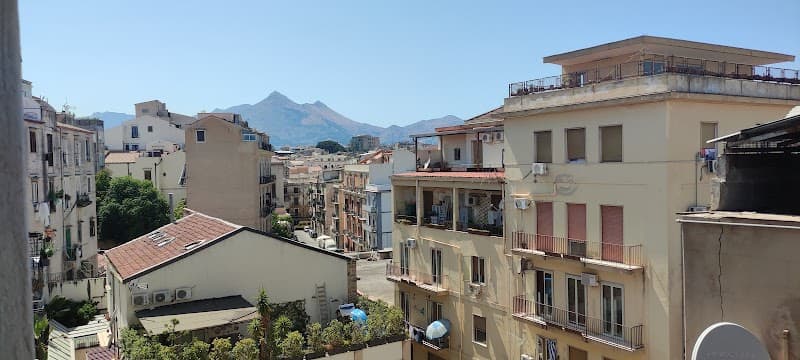
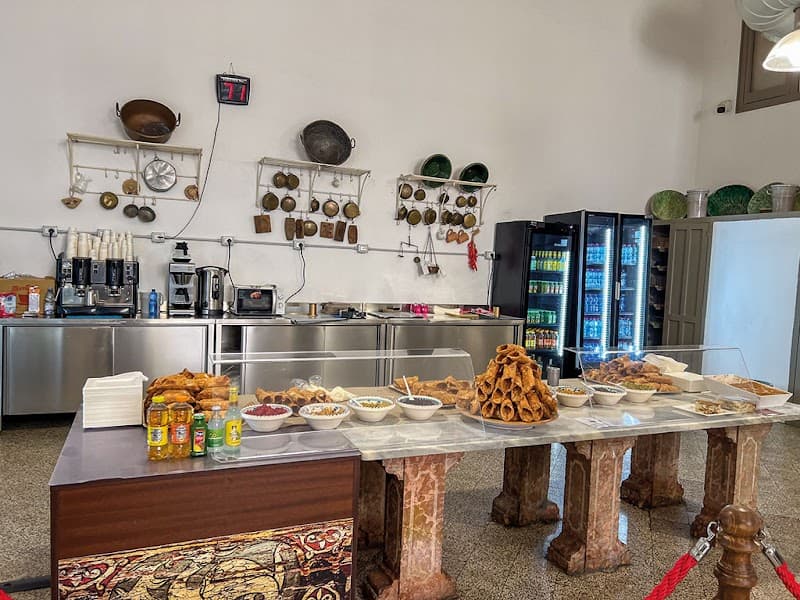
Where to Stay in Palermo
6 recommended properties


Things to Do in Palermo
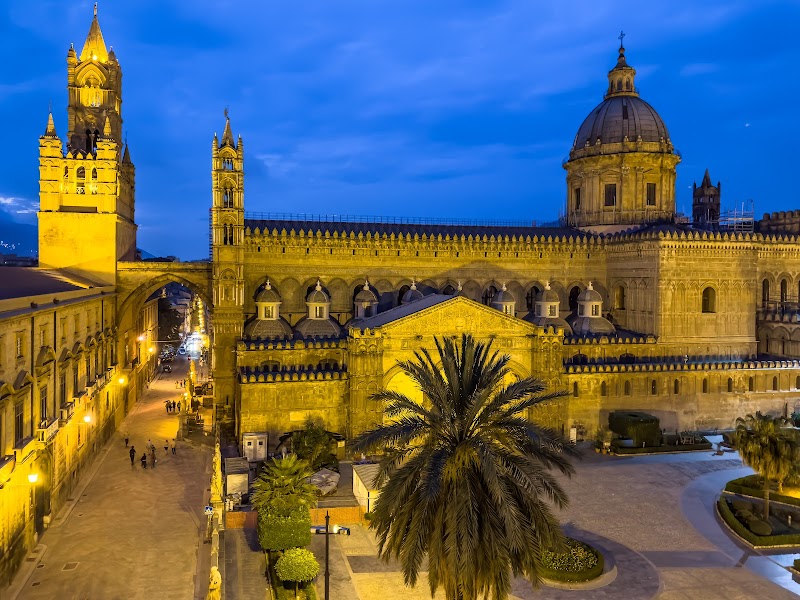
Palermo Cathedral
Historic Center · 75 min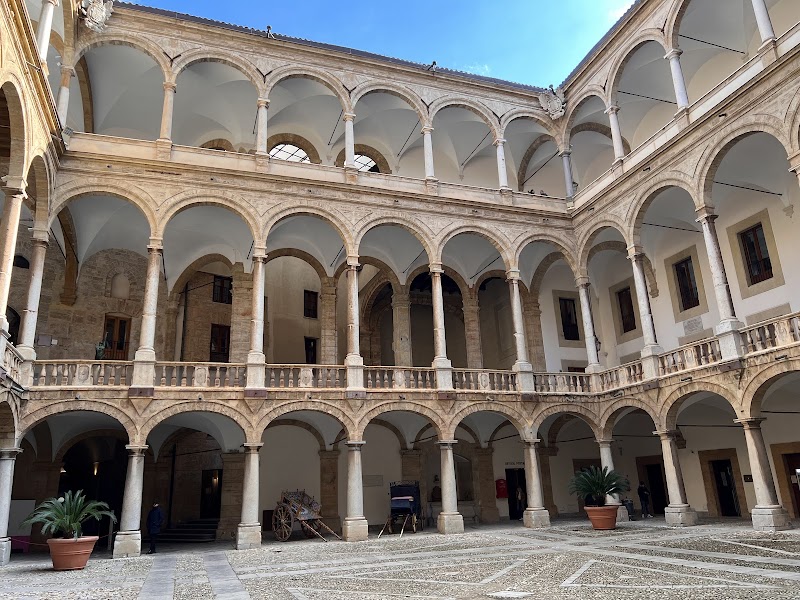
Palazzo dei Normanni and Palatine Chapel
Historic Center · 90 min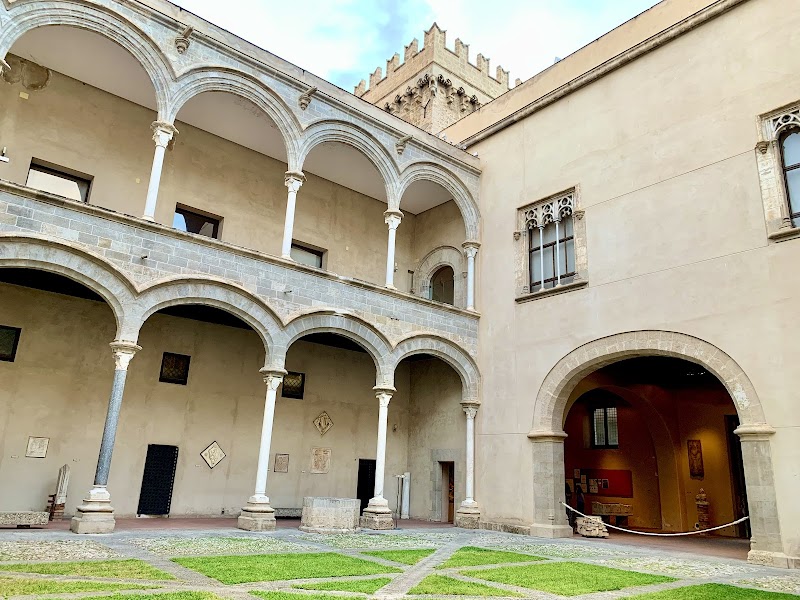
Palazzo Abatellis
Kalsa · 90 minMoney-Saving Tips
- 1.Skip expensive restaurants near Teatro Massimo — eat street food at Ballarò market for €3-5 per meal
- 2.Buy bus tickets at tabacchi shops for €1.40 instead of paying tourist prices
- 3.Many churches and palaces offer free entry on Sunday mornings
- 4.Shop at local markets like Capo for groceries — prices are 50% less than tourist areas
- 5.Book accommodation in shoulder season (April-May, September-October) for half the summer rates
- 6.Aperitivo includes free food — make it your dinner for €8-10 instead of paying restaurant prices
Travel Tips
- •Learn basic Italian numbers for market shopping — vendors appreciate the effort
- •Carry cash — many small restaurants and street vendors don't accept cards
- •Dress modestly when visiting churches — cover shoulders and knees
- •Don't expect punctuality — everything runs on 'island time' here
- •Keep your belongings secure in crowded markets, but don't be paranoid
- •Try to visit major sights early morning or late afternoon to avoid tour groups
- •Download offline maps — GPS can be unreliable in narrow medieval streets