Gran Canaria
Spain's Moorish masterpiece crowned by the magnificent Alhambra
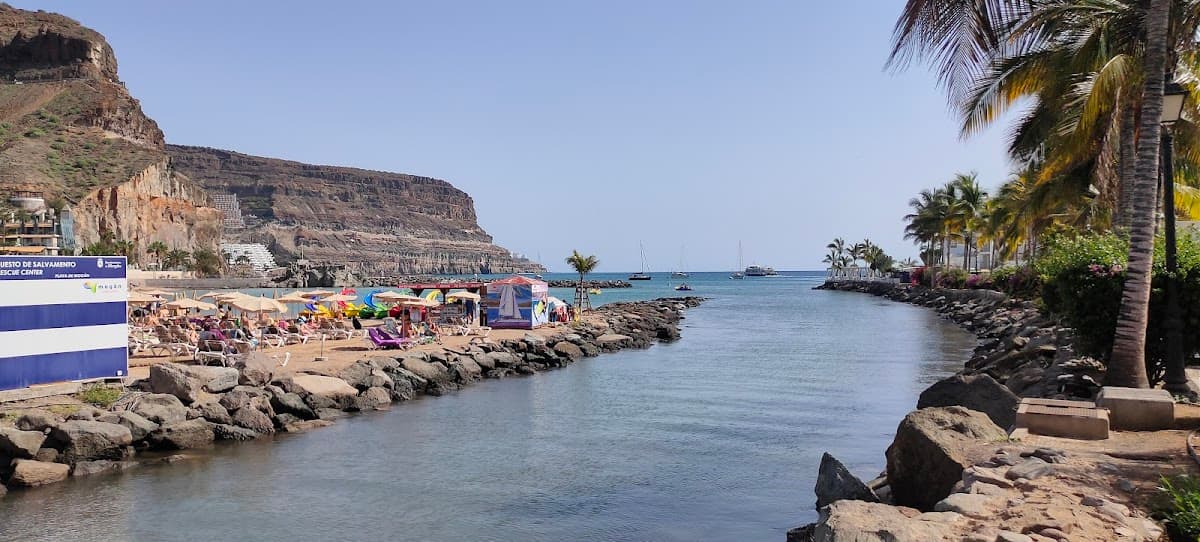
Gran Canaria hits different than the other Canary Islands. Sure, you'll find those postcard beaches everyone talks about, but this circular island serves up volcanic drama, cosmopolitan Las Palmas energy, and mountain villages that feel worlds away from the coast. The south bakes in eternal sunshine while the north stays lush and green. You can surf at Playa de Las Canteras in the morning, hike through pine forests in the afternoon, then catch sunset over sand dunes that look straight out of the Sahara. And here's the thing — it's not just a beach destination trying to be something else. Gran Canaria actually pulls off being both a serious cultural hub and a sun-soaked playground.
Best Months
APR · MAY · JUN · SEP · OCT
~26°C · high crowds
Culture & Context
CARIBBEAN SPANISH, LGBTQ+ PROUD
Gran Canaria speaks Spanish, but not quite the Spanish you learned in school. The dialect leans closer to Caribbean and South American Spanish than to mainland Castilian. Locals don't pronounce the 'c' and 'z' sounds with a lisp.
They drop the 's' at word endings. And they use 'ustedes' instead of 'vosotros'. If you're from mainland Spain, you'll feel like you've landed somewhere slightly sideways.
The island has a very strong LGBTQ+ identity, particularly in the Maspalomas and Playa del Inglés area. Yumbo Centrum is one of Europe's largest LGBTQ+ resort areas. It's not performative tolerance — it's genuinely woven into the fabric of the south.
As of 2025–2026, there are real tensions around overtourism and rising rents. Locals, including some digital nomads who've been there a few years, have witnessed and sympathize with demonstrations aimed at foreign workers who've pushed housing costs to northern European levels. Be aware of this.
Being respectful about the cost-of-living pressure on locals goes a long way. Tipping isn't mandatory or expected, but rounding up a bill is common and appreciated.
Local Customs
LUNCH IS THE MEAL
Bread/alioli baskets at restaurants are not free — they're typically charged at €1.50–2.50 per person.
Politely say 'no gracias' the second they arrive if you don't want them.. Lunch is the big meal of the day, usually between 13:30 and 15:30. Restaurants serving proper food before 13:00 are mostly tourist-facing operations..
Bochinches and guachinches are informal family-run restaurants (sometimes in actual garages or courtyards) serving traditional Canarian food at honest prices. Massive meat platters and house wine around €2.50 a carafe.
Seek them out in the highlands.. Sundays at the Casa de Colón (Columbus House Museum) in Vegueta are free for all visitors — normally €6 adults.. The Canarian dialect means 'c' and 'z' are pronounced like 's', and you'll hear 'ustedes' instead of 'vosotros'.
Don't try to correct it.. Never call the bus a 'bus' around locals. It's a guagua (pronounced WAH-wah).
Using the local word gets you instant goodwill.. Locals eat dinner late — don't be surprised if a restaurant at 20:00 is completely empty. Things pick up after 21:00..
Anti-tourism sentiment has been rising due to the housing crisis. Be respectful, tip when you can, and shop local rather than chain.
Safety
WATCH YOUR BELONGINGS
Gran Canaria is genuinely safe by European standards. Violent crime is low. But petty crime is real and specific.
Pickpockets work Las Canteras beach promenade, the Vegueta tourist circuit, and the Triana shopping area. The beach is the biggest risk — beach theft rose around 8% in 2024 according to Guardia Civil reports, usually a 30-second distraction at the shoreline. Use lockers at La Puntilla or take turns in the water.
Don't leave anything on your towel. The one area to be cautious at night is Parque Santa Catalina and the streets behind the cruise port (Calle Albareda, Calle Ripoche) after 22:00 — rough sleeping and occasional bag-snatching are reported there. Stick to well-lit streets at night.
The Las Canteras promenade from La Puntilla to the Alfredo Kraus Auditorium stays busy and well-lit until at least 23:00 in summer — it's the city's safest evening walk. Official taxis are white with a green light on top. They all use meters.
Never get in an unlicensed cab. The Global bus network runs until around 23:30 on most central routes. Night lines N1 and N3 cover the Las Canteras–Vegueta corridor after that.
Getting Around
GUAGUAS & GLOBAL BUSES
Two bus networks cover the island. Global (blue buses) runs intercity routes connecting every town. Guaguas Municipales (yellow buses) operates within Las Palmas only.
Both accept cash and contactless payment. Try to have coins or small notes for cash — Global drivers won't break a €50, and even €20 is pushing it for short rides. Key airport routes: Bus 60 connects Gran Canaria Airport (LPA) to Las Palmas.
Bus 66 goes from the airport to Maspalomas/Faro. Sample fares in 2026: Puerto de Mogán to Maspalomas is €4.15.
Puerto de Mogán to Las Palmas (San Telmo station) is €8.75. Day trip to Teror from Las Palmas is under €5 return.
Download the GuaguaBus app for timetables. For Las Palmas city, the Bono Guagua card is the yellow electronic card worth loading up if you're staying more than a few days. A car is useful for exploring the interior mountain roads, remote beaches, and the dramatic west coast.
But parking in central Las Palmas is genuinely painful — expensive, scarce, and the streets are tight. Park on the outskirts and take the bus in. Taxis are metered, reliable, and by European standards affordable at roughly €3 per km.
Ferries to Tenerife take about an hour; Fuerteventura under 3 hours.
Useful Phrases
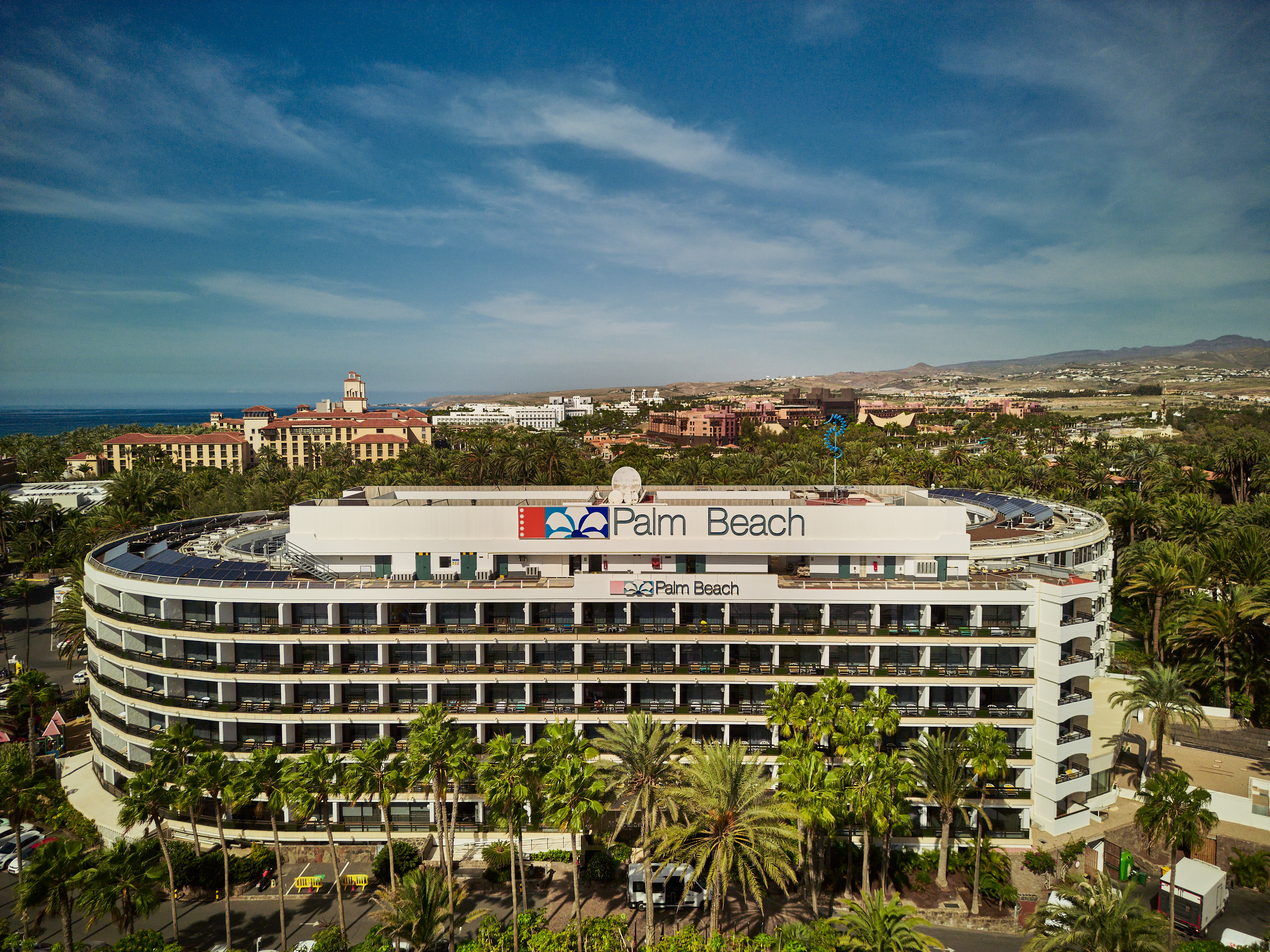
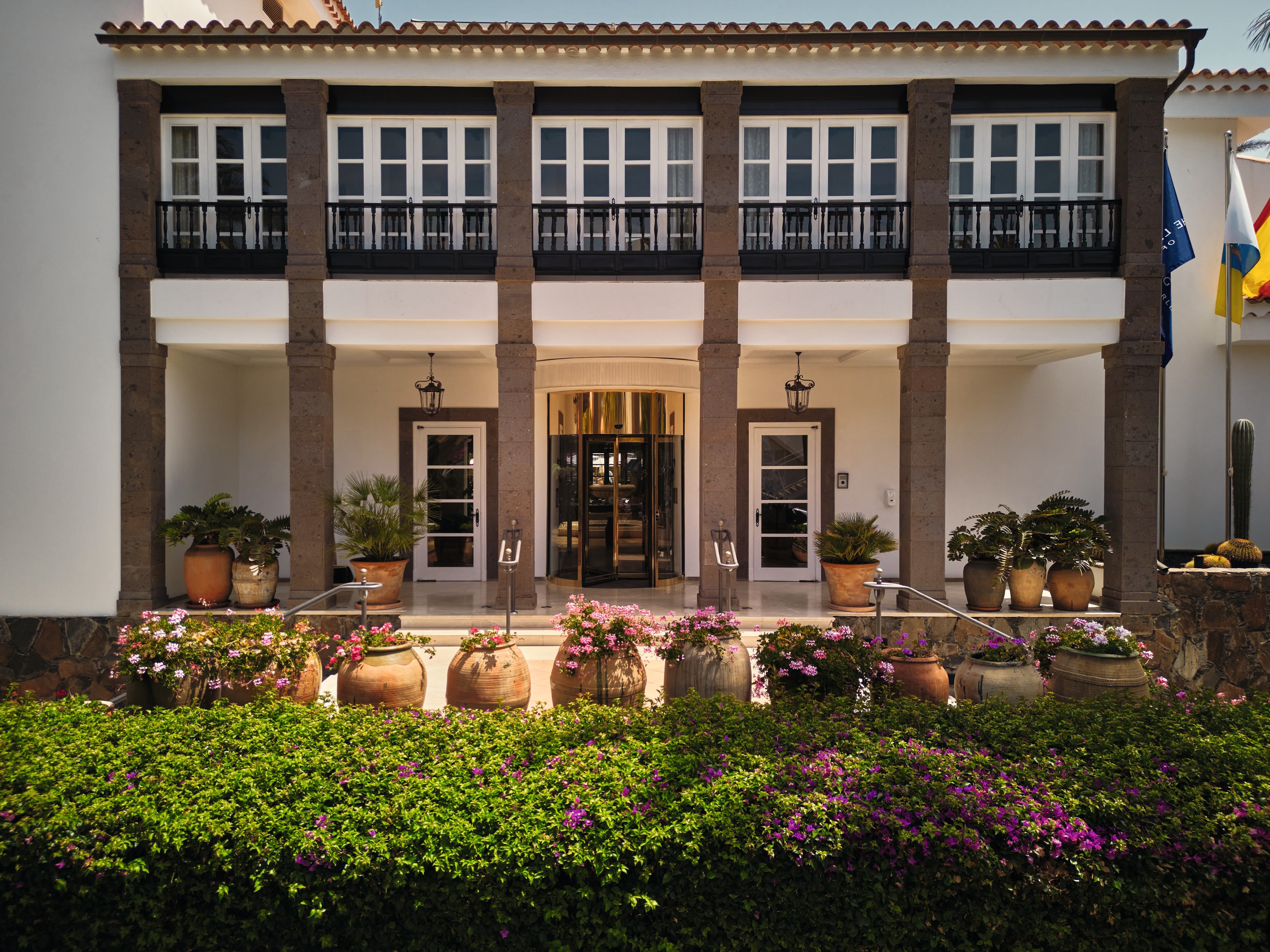
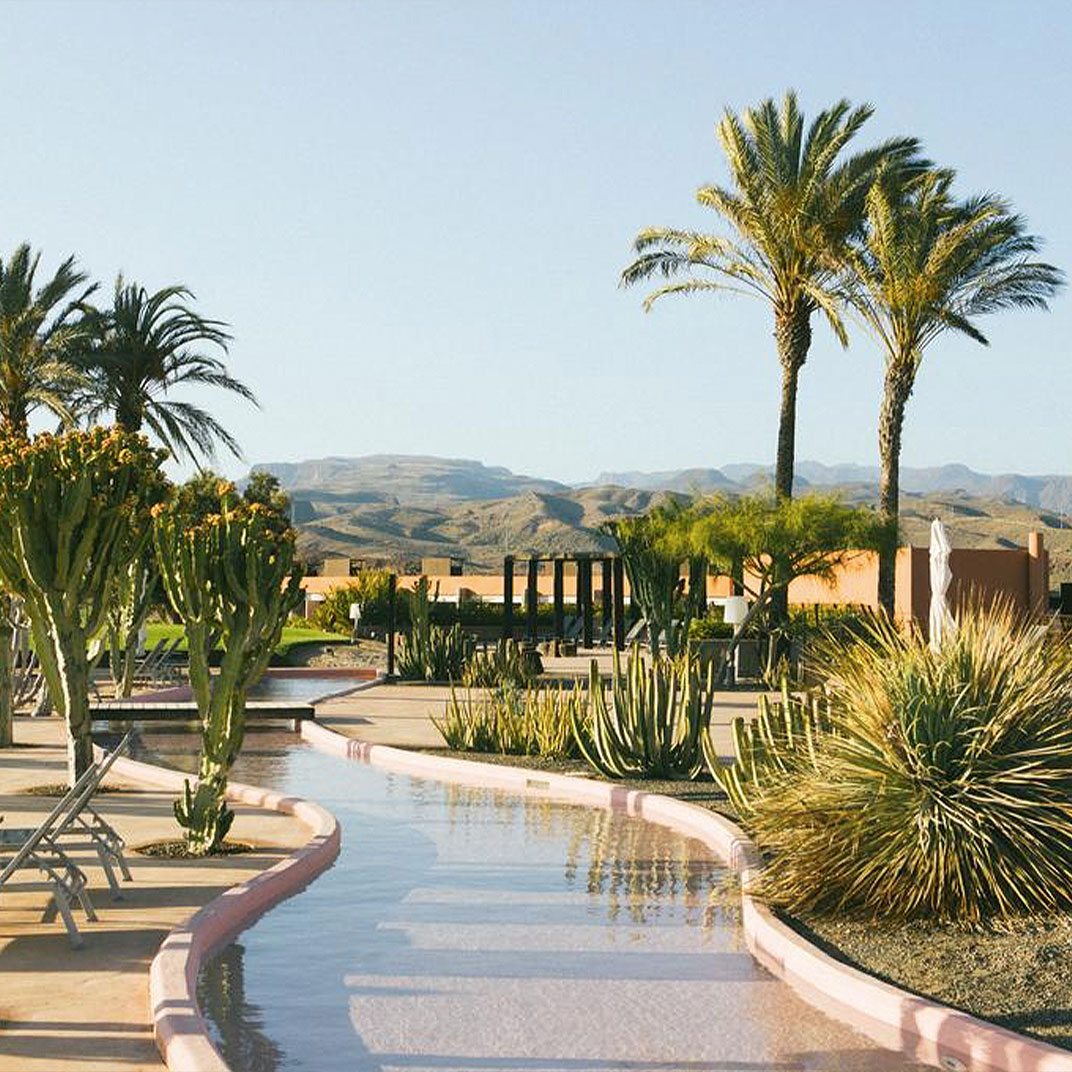
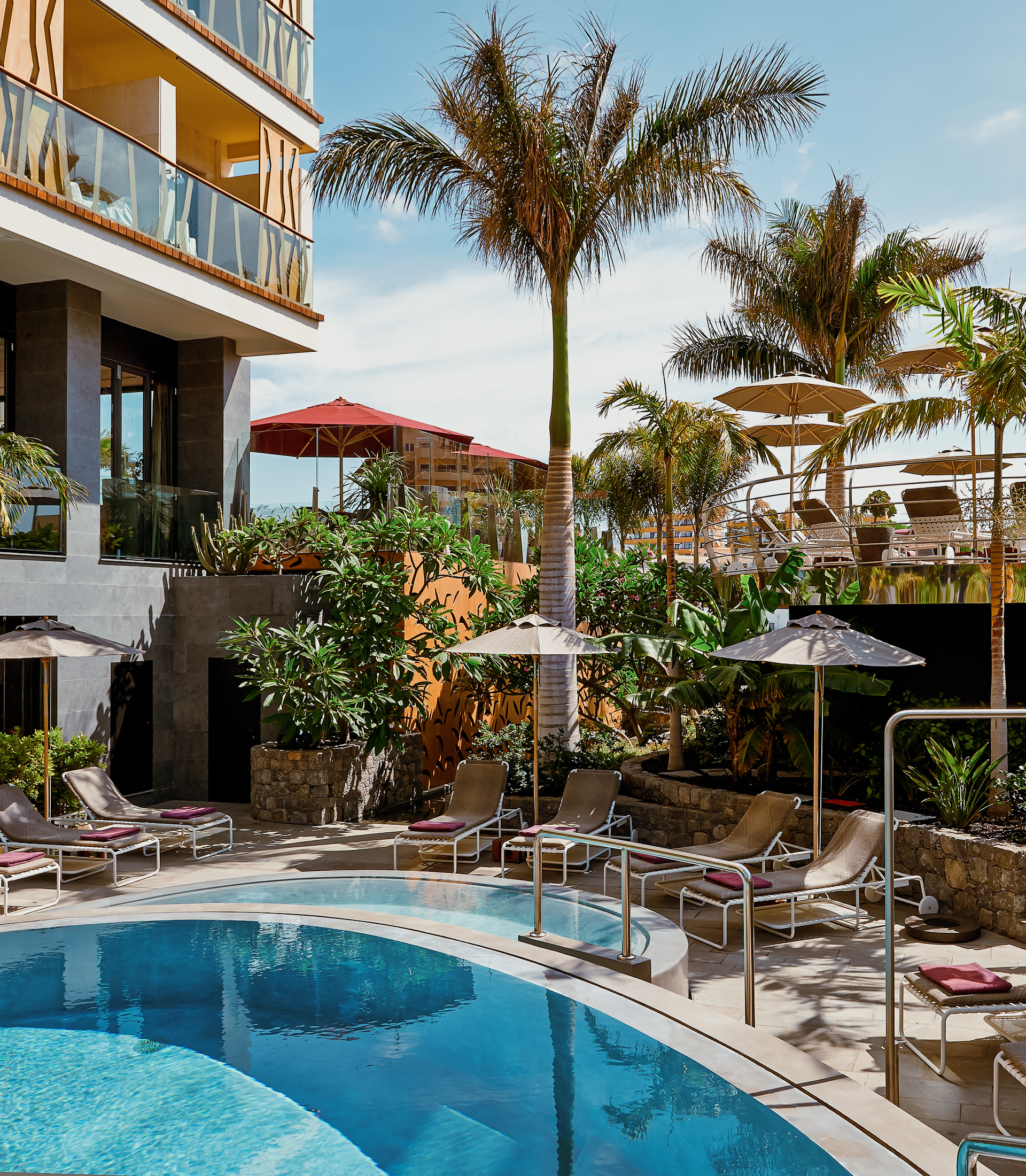
Where to Stay in Gran Canaria
5 recommended properties

Money-Saving Tips
- 1.Buy a 10-ride Global bus card for €8.50 instead of single tickets to save on island transport
- 2.Shop at Mercadona or Hiperdino supermarkets for groceries — eating out for every meal adds up fast
- 3.Visit beaches early morning to avoid paid parking zones that start around 9am in popular areas
- 4.Book accommodation in Las Palmas instead of southern resorts for better rates and authentic local experience
- 5.Take advantage of free museum days — many Las Palmas museums offer free entry on Sundays
- 6.Buy local wines at supermarkets for €3-5 per bottle instead of restaurant markups
- 7.Use the free WiFi at Las Canteras beach bars instead of paying for mobile data roaming
Travel Tips
- •Pack layers — the north can be 10°C cooler than the south on the same day
- •Download the Global bus app for real-time schedules, especially for mountain village routes
- •Bring reef-safe sunscreen — the sun reflects intensely off white sand and volcanic rock
- •Learn basic Spanish phrases — English isn't as widely spoken as in other Canary Islands
- •Book restaurants in advance during winter months when European visitors peak
- •Carry cash for small mountain villages where card payments aren't always accepted
- •Check wind conditions before planning beach days — trade winds can make some beaches uncomfortable
- •Respect local siesta times (2-5pm) when many shops and restaurants close
- •Book car rentals early during peak season — availability gets limited on this popular island
Frequently Asked Questions
Explore Gran Canaria
BUILD YOUR
GRAN CANARIA PLAN
Insider picks, smart timing, and a plan ready when you are.
Start Planning