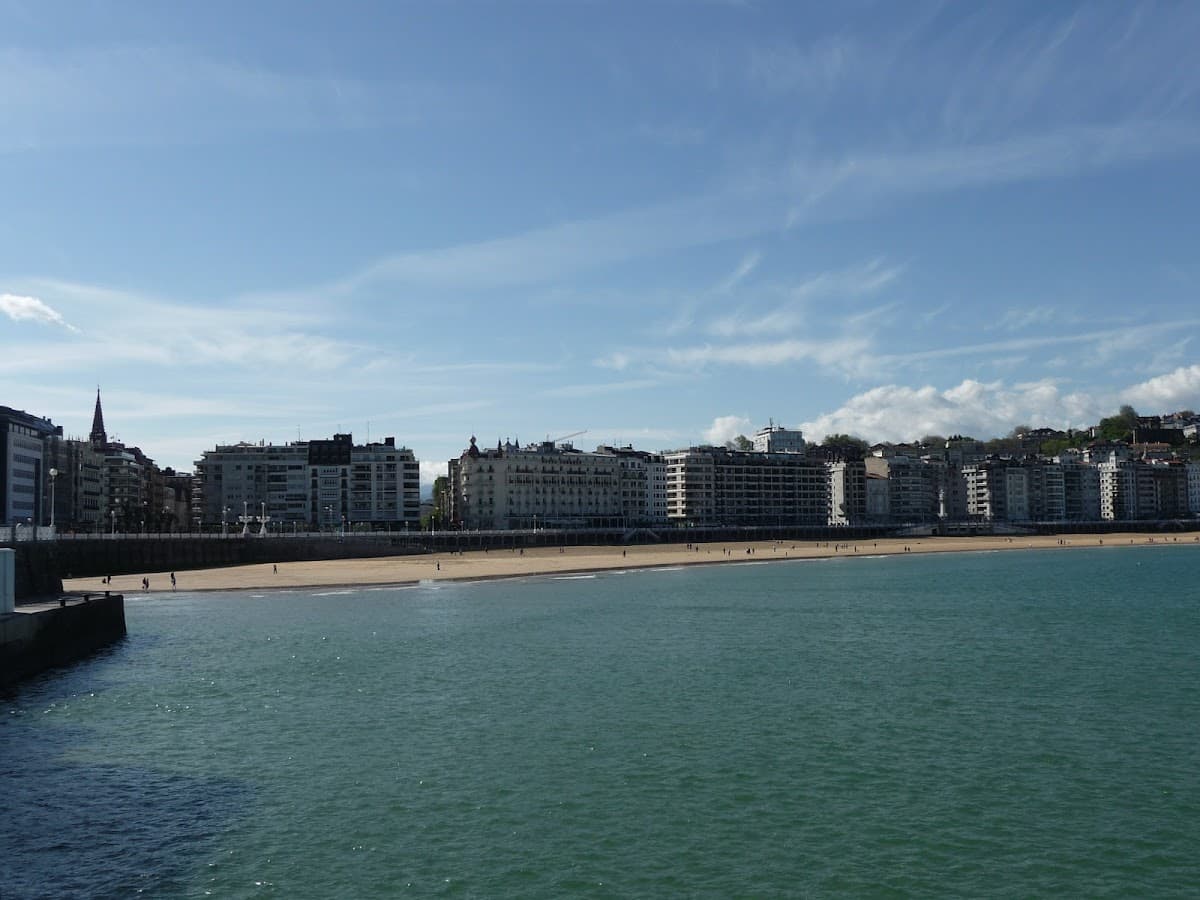
San Sebastián
Basque culinary capital with stunning beaches and culture
San Sebastián hits different. This Basque coastal city packs more Michelin stars per capita than anywhere else on Earth, yet you can still grab incredible pintxos for €3 at a neighborhood bar. La Concha beach curves like a perfect crescent through the city center, while the old town's narrow streets buzz with locals hopping from bar to bar. It's where Spanish beach culture meets world-class gastronomy, and honestly, few places do either as well.
Best Months
MAY – OCT
~24°C · moderate crowds
Culture & Context
BASQUE, NOT SPANISH
San Sebastián is Basque, and that distinction matters. This is not flamenco-and-sangria Spain. Locals identify primarily as Basque, not Spanish, and the difference runs deep — in language, food culture, architecture, and sense of identity.
Order "tapas" and you'll immediately clock yourself as a tourist. They're called pintxos here. Don't bother looking for flamenco shows either.
The Basque language, Euskera, is unlike anything else on earth — linguists genuinely can't trace its origins. About 46% of San Sebastián residents speak it. You'll hear it in markets and bars, and see it on every sign alongside Spanish.
Historically, the region had a tense recent past due to the ETA separatist movement, but that organization disarmed years ago. The streets now are genuinely peaceful. Locals can seem reserved at first.
There's a persistent stereotype that northerners are cold compared to southerners, but it's misleading — once you're in the mix at a pintxos bar, people open up fast. The social life here revolves around food and bars in a way that has nothing to do with getting drunk. Families, grandmothers, kids, and construction workers all share the same bar.
It's one of the most egalitarian food cultures in Europe.
Local Customs
PINTXOS & TXIKITEO
Call the city Donostia if you want to sound like a local. Both names are official, but Donostia is the Basque name and locals use it naturally.. It's pintxos, not tapas.
Asking for tapas is the fastest way to reveal yourself as a tourist. The word pintxo literally means 'spike' in Basque.. The txikiteo is the local bar-hopping ritual.
You have one drink and one or two pintxos at each bar, then move on. Locals rarely stay more than 20–30 minutes in one spot.. At traditional pintxos bars, cold pintxos are laid out on the counter — you grab them directly with your hand or pick them up.
Keep your toothpicks. The bartender counts them at the end to calculate your bill. This honor system still exists in many places..
Hot pintxos are ordered at the bar, not grabbed. Look for the blackboard behind the counter.. You pay when you leave, not after each item.
Only tourists try to pay drink by drink.. Dinner is after 9pm. Seriously.
Showing up at a restaurant at 7pm is very early and you may find it nearly empty. The pintxos evening rush starts around 8pm.. If you're in a cider house (sagardotegi) and someone shouts 'Txotx!
', stand up and get to the barrel — it means fresh cider is being poured directly from the kupela (barrel). You hold your glass low and let the stream fall into it from height.. Don't leave napkins on the floor in San Sebastián bars — that tradition is more common in other parts of Spain and is NOT the norm here..
Avoid the big pintxos bars with laminated menus in multiple languages and photos of every dish on the wall. That's a tourist trap. Good bars are small, crowded, and have a chalk blackboard.
Safety
VERY SAFE CITY
San Sebastián is genuinely one of the safer cities in Europe, and the Basque Country as a whole has some of the lowest crime rates in Spain. Violent crime affecting tourists is rare. The main realistic concern is pickpocketing, especially in the Parte Vieja where narrow crowded streets give cover.
Don't leave bags unattended on the beach — thieves do go through bags while people are swimming. Leave your passport in the hotel safe and carry a photo of the bio page instead. Watch your phone on bar tables in busy spots.
The US State Department issues a Level 2 advisory for Spain overall, citing general terrorism awareness — but this reflects country-wide conditions, not San Sebastián specifically. The Atlantic-facing beach at Zurriola has genuinely powerful waves. Locals surf there, but casual swimmers should stick to La Concha's protected bay, where conditions are calm and lifeguards operate daily 10am–8pm from June through September.
The Parte Vieja gets rowdy late on summer weekends, but it's festive noise rather than anything threatening. Emergency services: dial 112 (English-speaking operators available).
Getting Around
WALKABLE & COMPACT
San Sebastián is built for walking. The city center is compact enough that you won't need a bus for most things. But here's how to get around when you do.
The Dbus municipal network covers the whole city — single rides cost €1.85, a 10-ride card brings that down to €0.92 per trip.
Night buses (called Búhos, meaning owls) run Fridays, Saturdays, and holiday eves from midnight until 4am, all departing from San Sebastián Boulevard. The MUGI integrated transport card works across city buses, the Euskotren regional rail, and connecting services in the Basque Country. The city center is a Low Emission Zone, so driving in is restricted — park at the Illunbe park-and-ride on the edge of the city and switch to public transport.
Over 30 km of cycle lanes make bikes a genuinely useful option; hire shops are common. Taxis are metered, run 24/7, don't cruise for fares — find a rank or call one. Expect a €1.
50–€3.50 supplement for luggage or late-night travel. To reach San Sebastián from elsewhere: from Bilbao, the bus takes 1h 15m (€8–20, hourly departures); the Euskotren train runs the same route in about 2h 30m but costs less.
From Madrid, the RENFE train runs 5h 15m (€70–120, 3 daily departures) and the ALSA bus takes 5h 25m (€40–85). From the San Sebastián Airport (EAS), bus E21 reaches the city in around 40 minutes for €2.55.
Useful Phrases
San Sebastián Itineraries
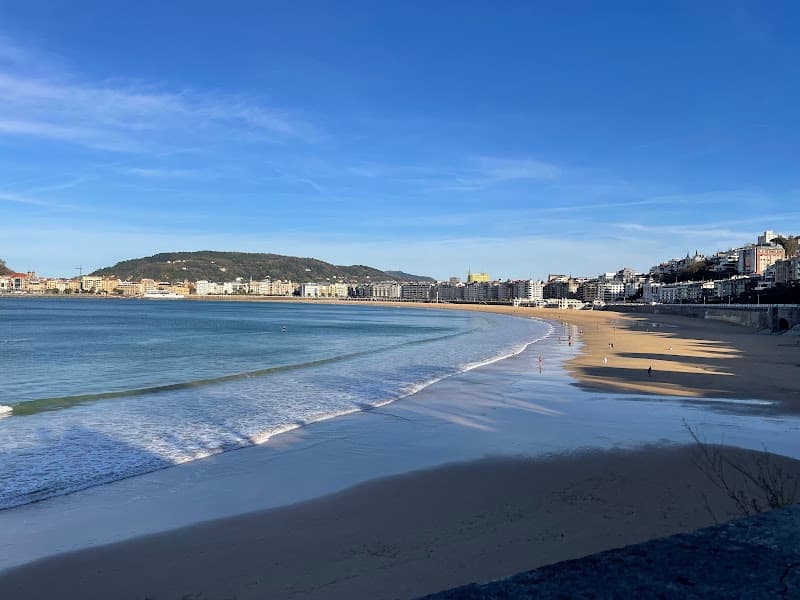
Things to Do in San Sebastián
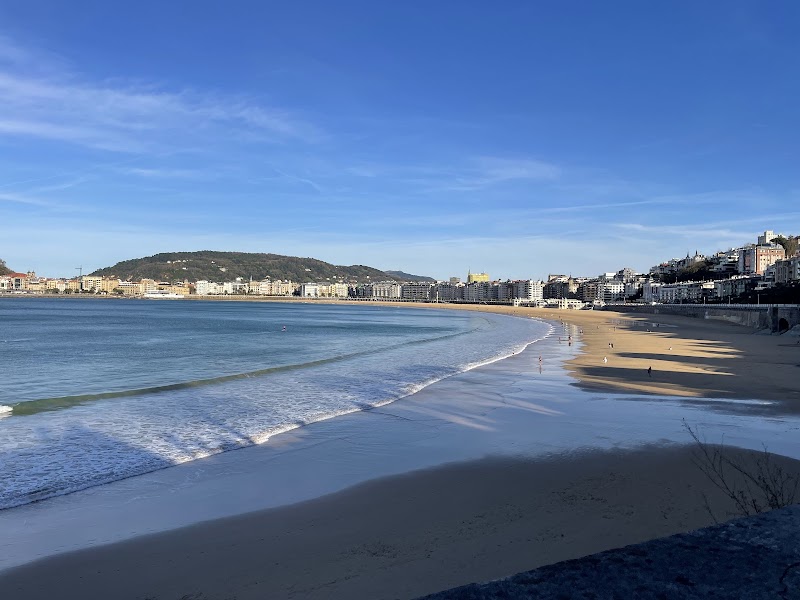
Playa de la Concha
120 min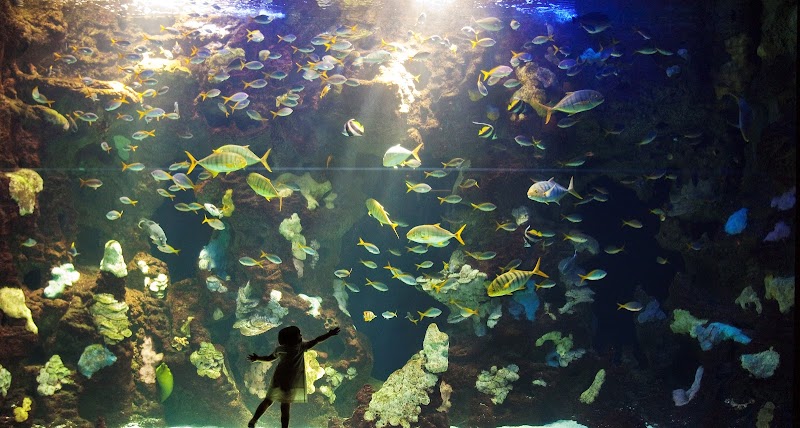
Aquarium San Sebastián
90 min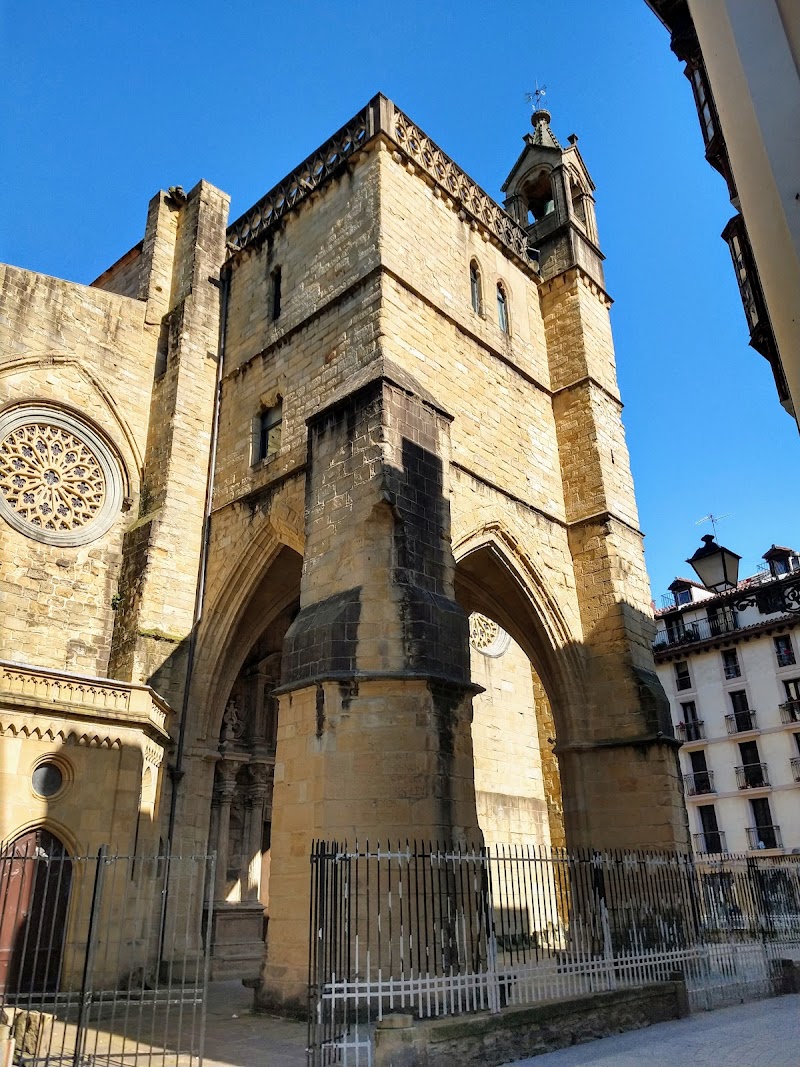
Parte Vieja
90 minMoney-Saving Tips
- 1.Pintxos bars charge by the toothpick - keep yours to show what you ate when paying
- 2.Lunch menus (menú del día) at restaurants cost €15-25 vs €40+ for dinner at the same places
- 3.Buy groceries at Eroski or Carrefour Express rather than tourist shops near the beach
- 4.Municipal beaches are free - avoid private beach clubs that charge €15+ for a lounger
- 5.Happy hour at many bars runs 6-8pm with €2 pintxos instead of regular €3-4 prices
- 6.DBus day passes cost €4.70 and include airport transfers - better than individual tickets
- 7.Book accommodations in Gros neighborhood for 30-50% savings over beachfront hotels
- 8.Wednesday markets in Boulevard offer local produce at half the restaurant prices
Travel Tips
- •Learn basic pintxos etiquette - grab a small plate, serve yourself, keep toothpicks for counting
- •Pack layers even in summer - Atlantic weather changes quickly and evenings get cool
- •Download the DBus app for real-time bus tracking and mobile tickets
- •Book restaurant reservations 2-3 days ahead, especially for Michelin-starred places
- •Carry cash - many pintxos bars don't accept cards for small purchases under €10
- •Time beach visits for early morning or late afternoon to avoid midday crowds
- •Learn a few Basque phrases - locals appreciate the effort even if they speak Spanish
- •Bring comfortable walking shoes - old town streets are cobblestone and can be slippery when wet
Frequently Asked Questions
Explore San Sebastián
BUILD YOUR
SAN SEBASTIÁN PLAN
Insider picks, smart timing, and a plan ready when you are.
Start Planning