
Santiago de Compostela
Sacred pilgrimage destination with medieval charm and spiritual energy
Santiago de Compostela sits at the end of the world's most famous pilgrimage route, and the city carries that weight beautifully. Stone streets worn smooth by millions of footsteps lead to one of Christianity's holiest sites, but don't let the religious significance fool you into thinking this is all solemn ceremony. The Galician capital pulses with student energy, serves some of Spain's best seafood, and maintains a laid-back charm that makes even non-pilgrims feel like they've found something sacred. Here's the thing: you don't need to walk 800 kilometers to appreciate what makes this place special.
Best Months
MAY – OCT
~23°C · moderate crowds
Culture & Context
PILGRIMAGE MEETS STUDENT LIFE
Santiago de Compostela is the capital of Galicia, a region with its own language, its own music tradition (bagpipes, not just in a novelty sense), and a distinct identity from the rest of Spain. The city has about 100,000 permanent residents plus nearly 40,000 university students during the academic year. Nearly 500,000 pilgrims received their Compostela certificate in 2024 alone.
That volume shapes everything — prices, crowds, the character of the Old Town. But the student presence keeps things from turning into a pure pilgrimage theme park. The cathedral dominates the skyline and the psychology of the place.
Saint James (Santiago in Spanish, Xacobe in Galician) is believed to be buried beneath it, which is why people have been walking here for over a thousand years. The city takes that seriously without being solemn about it. Galician culture also shows up in the food — octopus cooked over wood fire, Albariño wine, empanada, tarta de Santiago (an almond cake with a powdered-sugar cross on top).
The region's Atlantic climate means it rains a lot. Pack accordingly. A waterproof jacket is not optional.
Local Customs
FREE TAPAS WITH DRINKS
Free tapas with drinks is standard in many bars away from the main tourist strip. Order a beer or glass of wine and a small snack arrives automatically — croquettes, tortilla, peppers. On Rúa do Franco, bars actively compete for your business this way.
It's not a gimmick. It's how things work here.. The Queimada ritual is worth finding.
A flaming drink made with orujo (a grape-marc spirit), sugar, lemon, and coffee beans, prepared with an incantation to ward off evil spirits. A handful of places in the Old Town offer it, not every night, so check ahead and book. Even if you skip the alcohol, the ceremony itself is worth watching..
Pilgrim Mass at the Cathedral runs daily at noon. You don't need to be religious or a pilgrim to attend — but you should be respectful and quiet. The Botafumeiro (the massive incense burner swung across the nave) only runs on certain feast days, not every mass.
Don't show up expecting it and feel cheated.. Galician and Spanish are both in daily use. Street signs are in Galician.
Menus in the Old Town lean toward Spanish and English. But away from the cathedral, Galician is what you'll hear in the market and among locals in bars.. The Mercado de Abastos is both a working market and an experience.
You can buy raw seafood from the vendors, then take it to the restaurant stalls and pay a fee to have them cook it. It sounds like a tourist trick but locals actually do this too. Go before 10am to see it at its most authentic..
Overtourism is a live issue here. A neighborhood association has published a multi-language guide to good manners for visitors. Keep noise down in residential streets at night, use plastic tips on hiking poles to protect cobblestones, and be aware that behind the postcard, this is a city of 100,000 people trying to afford rent.
Safety
VERY SAFE, WATCH PICKPOCKETS
Santiago de Compostela is genuinely one of the safer cities in Europe. Residents report feeling safe day and night. Violent crime is rare.
That said, the areas around the Cathedral and Praza do Obradoiro attract pickpockets targeting distracted tourists and tired pilgrims. Keep your bag closed and in front of you in crowded squares. Watch out for a small number of restaurant overcharging incidents near the main tourist drag — check your bill.
Some taxi drivers take scenic routes from the airport; the legitimate fare should be around €30. Fake pilgrim certificates get sold near the cathedral — worthless documents dressed up to look official. The actual Compostela is free and issued at the Pilgrim Office.
The city's main hospital is Hospital Clínico Universitario de Santiago (CHUS) at Travesía da Choupana — call +34 981 950 000. Emergency number: 112.
Getting Around
WALKABLE OLD TOWN
The Old Town is compact and almost entirely walkable. Most visitors never need a bus. For the rest of the city, over 20 bus routes cover everything.
The train station connects to Madrid in just over 3 hours on high-speed rail, with departures every hour or two via Segovia, Zamora, and Ourense. From the airport, a taxi takes around 15 minutes and costs about €30. There's also a Flixbus direct from Porto airport.
The O Son do Camiño festival happens at Monte do Gozo, which is walkable from the city center (about 5km) — pilgrims doing the Camino Francés pass right by it. Santiago airport is currently undergoing expansion, with new seasonal and year-round flights being added from 2026, which should improve availability and potentially stabilize prices in peak season.
Useful Phrases
Santiago de Compostela Itineraries
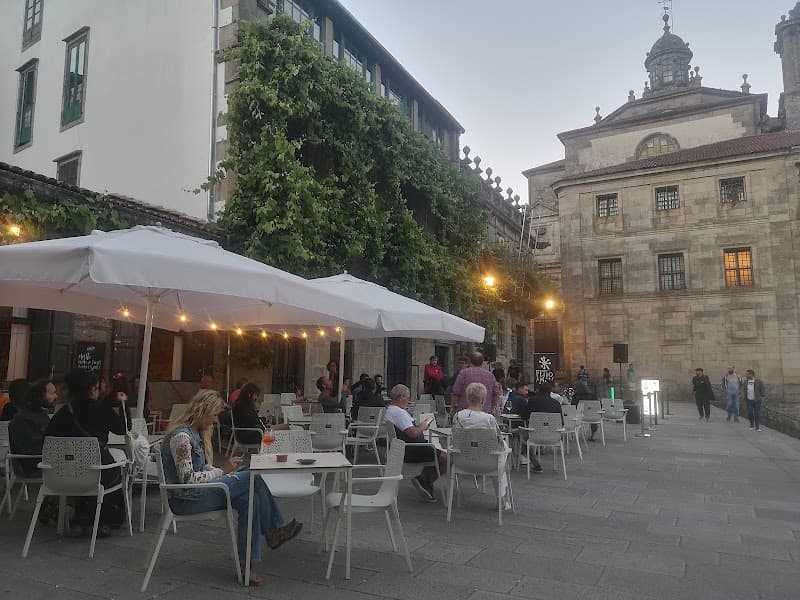
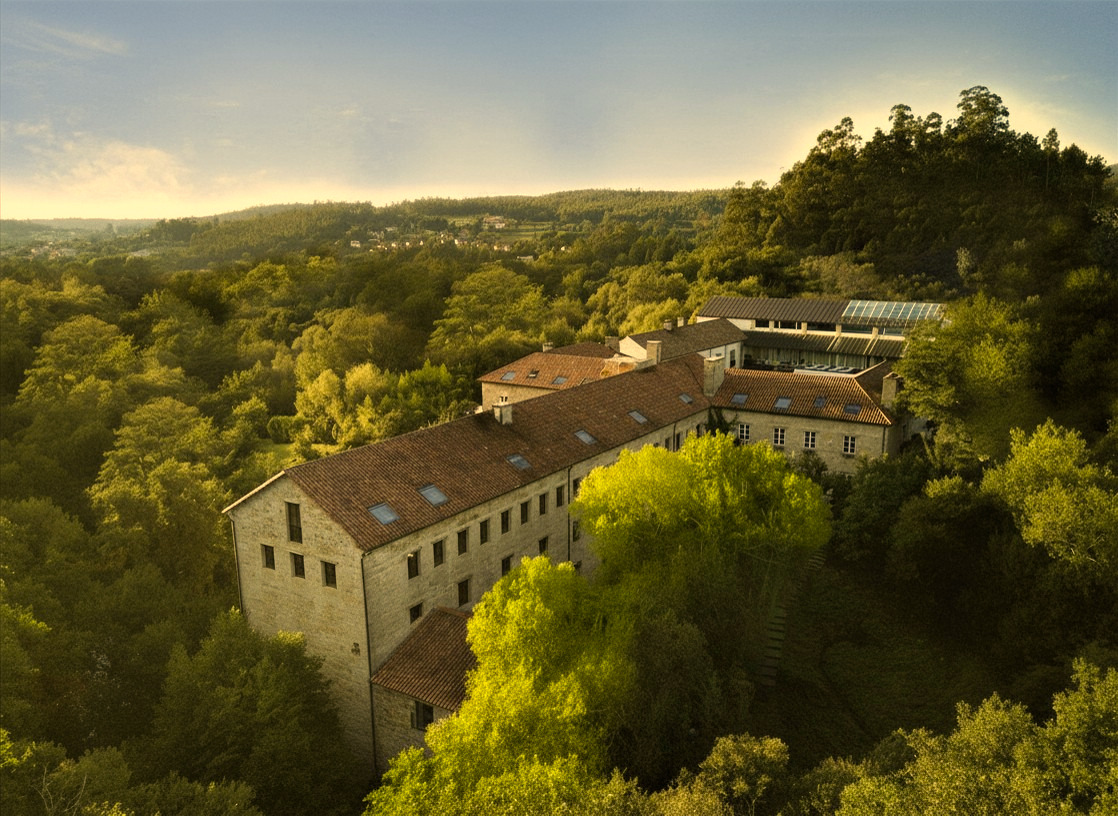
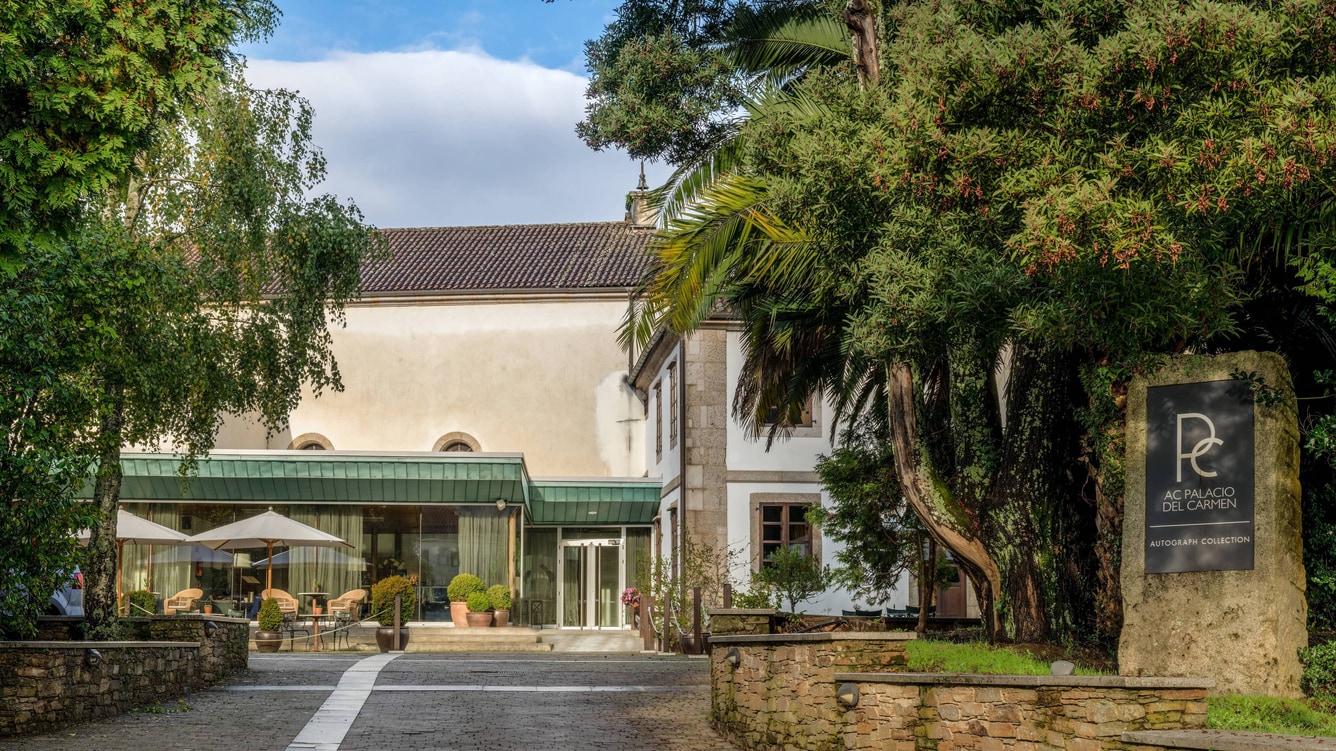
Where to Stay in Santiago de Compostela
2 recommended properties
Things to Do in Santiago de Compostela
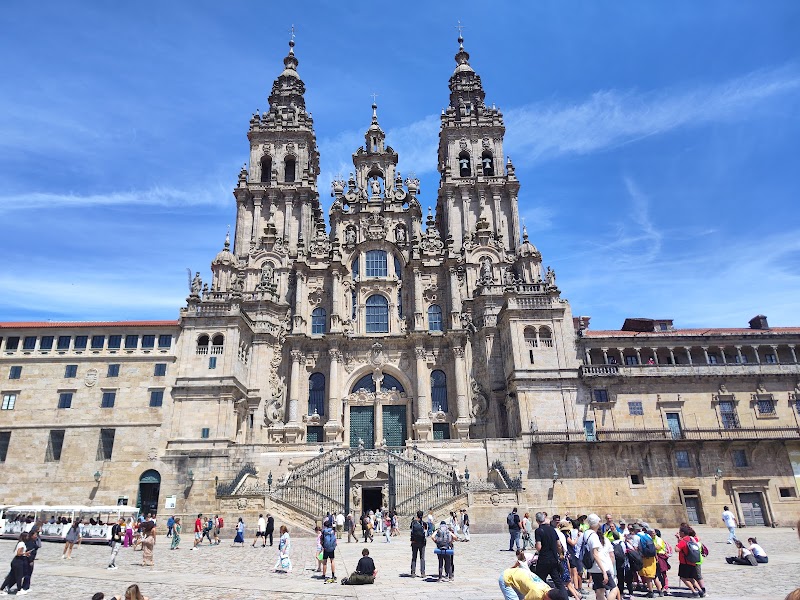
Cathedral of Santiago de Compostela & Praza do Obradoiro
Old Town (Cathedral core) · 120 min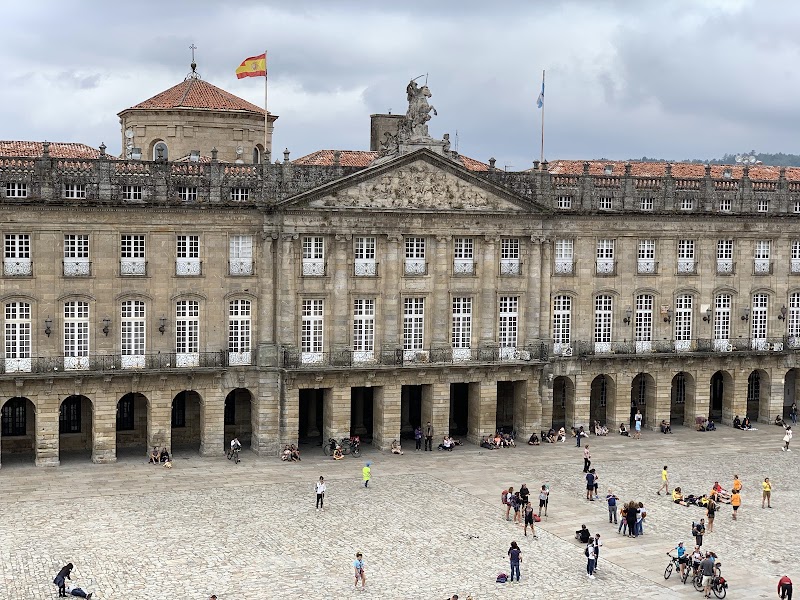
Cathedral Museum (Museo da Catedral)
Old Town (Cathedral complex) · 90 min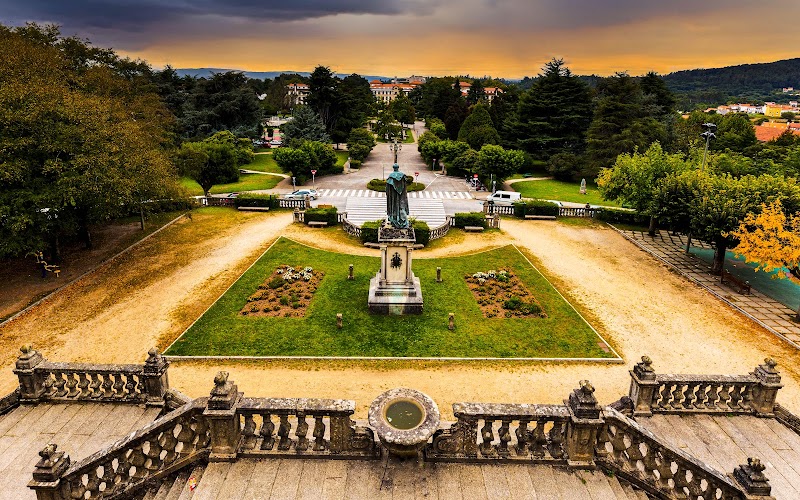
Alameda Park (Parque da Alameda)
Alameda / South of Old Town · 60 minMoney-Saving Tips
- 1.Pilgrim menus at restaurants cost €10-15 and include generous portions – you don't need to walk the Camino to order them
- 2.Buy groceries at Mercadona or Carrefour Express rather than tourist shops near the cathedral to save 30-40%
- 3.Many churches and museums offer free admission on Sunday mornings for locals – some extend this to all visitors
- 4.Galician wines cost half the price in local bars compared to hotel restaurants
- 5.The tourist bus costs €8 but Santiago's compact size makes walking free and more rewarding
- 6.Book accommodations outside peak pilgrimage season (July-August) for rates up to 50% lower
Travel Tips
- •Download the Santiago Tourism app for offline maps and audio guides to major sights
- •Carry an umbrella year-round – Galicia's weather changes quickly and rain is common
- •Learn basic Galician phrases like 'ola' (hello) – locals appreciate the effort over standard Spanish
- •Visit the cathedral's rooftop tours in advance – they sell out quickly and offer the best city views
- •Pack layers even in summer – Atlantic winds can make evenings surprisingly cool
- •Respect pilgrims at the cathedral – they've often walked hundreds of miles to reach this moment
- •Try to attend the daily Pilgrim Mass at noon for the full spiritual experience, even if you're not religious
- •Book restaurants in advance during festival periods, especially around Saint James Day (July 25)
Frequently Asked Questions
Explore Santiago de Compostela
BUILD YOUR
SANTIAGO DE COMPOSTELA PLAN
Insider picks, smart timing, and a plan ready when you are.
Start Planning