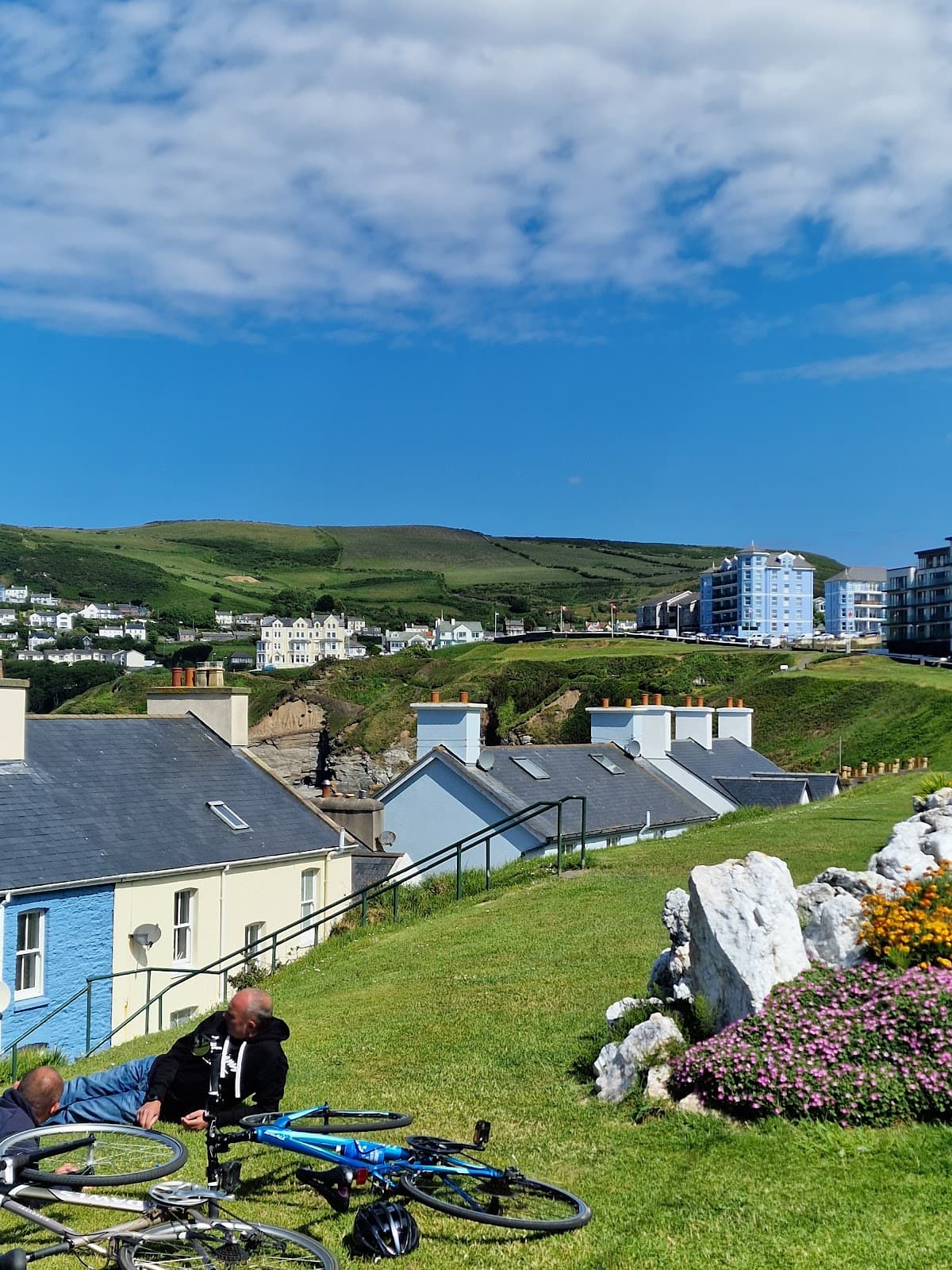
Isle of Man
Celtic island nation with legendary motorcycle racing heritage
The Isle of Man sits in the Irish Sea like a Celtic time capsule with a serious need for speed. This isn't your typical British Isles getaway. Here, ancient stone circles share space with the world's most dangerous motorcycle race, and you'll hear Manx Gaelic spoken in pubs that have been pouring pints since before America was a country.
The island runs on its own schedule. Three-legged Manx cats patrol fishing villages that look frozen in the 1950s. Steam trains still chug across moorlands where Vikings once ruled. And every May, the entire island transforms into a 37-mile racetrack for the Isle of Man TT, drawing speed demons from around the globe.
But strip away the racing heritage and you've got something rarer: a place that feels genuinely untouched by mass tourism. The Isle of Man keeps its own currency, makes its own laws, and maintains a stubborn independence that's both charming and refreshing. It's like discovering a secret country that everyone forgot to put on the tourist trail.
Best Months
MAY – SEP
~17°C · moderate crowds
Culture & Context
ANCIENT PARLIAMENT, VIKING SOUL
The Isle of Man sits in the middle of the Irish Sea, roughly equidistant from England, Ireland, Scotland, and Wales. It's a self-governing British Crown Dependency with its own parliament, the Tynwald, which has been meeting continuously for over 1,000 years. That's older than Westminster.
The island is also the world's first UNESCO Biosphere Nation. Not a region or a park. The whole island.
That tells you something about how seriously they take looking after it. Most people know it for the TT motorcycle races, which is fair enough, since 50,000 people descend on a population of 84,000 for two weeks every May/June. But outside that fortnight, you'll find a genuinely quiet, Celtic-flavoured island with Viking place names, ancient keeills (small early Christian chapels) scattered in the glens, and a language revival that's actually working.
Manx (Gaelg) is a Goidelic Celtic language closely related to Irish and Scottish Gaelic. It was nearly extinct by the 1970s. Now it's taught in schools, on the radio, and on road signs.
The island even has its own breed of tailless cat. Look, this place has layers.
Local Customs
TRAA DY LIOOAR TIME
Don't say the word 'rat'. Seriously. It's an old fishing superstition that the word is unlucky at sea, and even non-superstitious locals sometimes avoid it out of habit.
Use 'longtail' instead. You'll get knowing nods.. Traa dy liooar (time enough) is the unofficial island motto.
Life runs at a slower pace here and that's a feature, not a bug. Don't rush people.. Tipping isn't expected the way it is in the US.
Rounding up or leaving 10% in restaurants is generous and appreciated, but nobody will chase you out if you don't.. TT races in late May/June are a point of genuine community pride. Discussions about the dangers of the race are fine, but approach it with respect rather than judgment.
Locals know the risks and love it anyway.. Book accommodation for TT season at least a year in advance. Hotels are booked out sometimes within hours of bookings opening.
Don't leave it.. During TT fortnight, some mountain roads (the A18 from Ramsey) go one-way. Road closures during practice and race days are significant.
Plan your island movements carefully.. Tynwald Day on July 6 is the national day. The open-air parliament at St John's is a proper cultural event, not a tourist re-enactment..
Hop tu Naa is the Manx version of Halloween, celebrated October 31, and it pre-dates the commercialised version most visitors know. It's taken more seriously here.. The island runs its own mobile networks (Manx Telecom and Sure) which are separate from UK operators.
Your UK SIM may roam at additional cost. Pick up a local SIM at the airport for better rates.
Safety
REMARKABLY SAFE ISLAND
The Isle of Man is genuinely one of the safest places in the world. It ranks sixth-lowest for crime globally in Numbeo's data, below Iceland and South Korea. The crime severity rate is 40% lower than even the lowest-scoring police areas in England and Wales.
Petty crime is minimal. Locals are notably welcoming to visitors. Solo female travellers consistently rate it highly.
Biggest practical safety issue is the roads during TT. During practice and race days, the Mountain Course (a 37-mile loop of public roads) is closed to regular traffic, with controlled access. Outside of closures, the course itself is open and some visitors drive it, which is legal but demands full attention.
The roads are narrow, the average speeds of everyday drivers are fine, but the island has very few motorway-style carriageways. Take your time. Road conditions in winter can include fog on the mountain.
Standard travel insurance is recommended. Visitors from outside the UK should not assume free NHS healthcare applies — it does for UK residents but others may face charges. Take out travel insurance before you go.
Getting Around
FERRIES, FLIGHTS & STEAM
Getting there: The Isle of Man Steam Packet Company runs ferries from Liverpool, Heysham (near Lancaster), Belfast, and Dublin to Douglas Harbour. The Heysham crossing takes about 2.5 hours; Liverpool is around 2.
75 hours on the fast craft. Flights connect from London Gatwick, London Luton, Manchester, Liverpool, Birmingham, Edinburgh, and Belfast via easyJet and Loganair. Ronaldsway Airport is about 20 minutes by bus or car from Douglas.
Getting around: Bus Vannin runs the main island bus network, radiating out from Lord Street bus station in Douglas. A single ticket is £2.20.
The Go Explore card gives unlimited travel across buses, heritage railways, and trams. The steam railway runs Douglas to Port Erin (via Castletown) from mid-March to October. The Manx Electric Railway runs Douglas to Ramsey (via Laxey) over the same season.
Both are slow but genuinely scenic. The Snaefell Mountain Railway branches off at Laxey and climbs to the island's only summit. Horse trams run along Douglas Promenade from April to October.
These are all tourist-paced, so if you actually need to get somewhere, take the bus or a taxi. During TT, the A18 mountain road goes one-way (southbound from Ramsey) and complete road closures happen on race and practice days. Plan ahead.
Useful Phrases
Isle of Man Itineraries
View all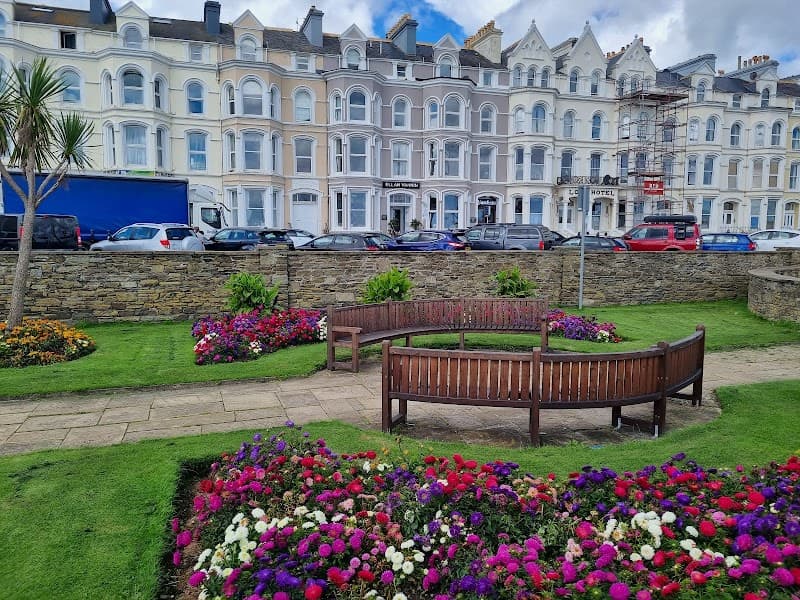
Wild Isle of Man: Coasts, Castles & Green Ways
Week · $$$
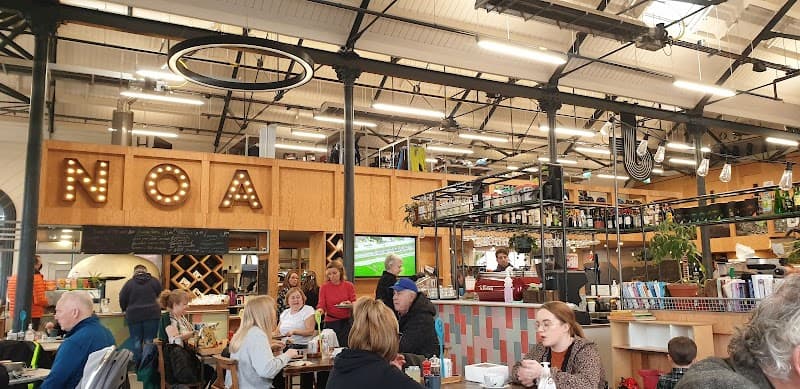
Wild Coasts & Celtic Trails: 3 Days on the Isle of Man
Weekend · $$$
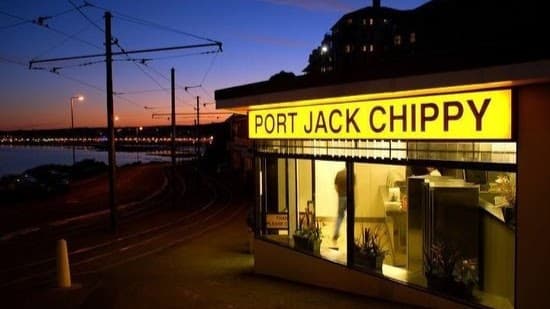
Wild Glens & Coastal Castles: 7 Days on the Isle of Man
Week · $$$
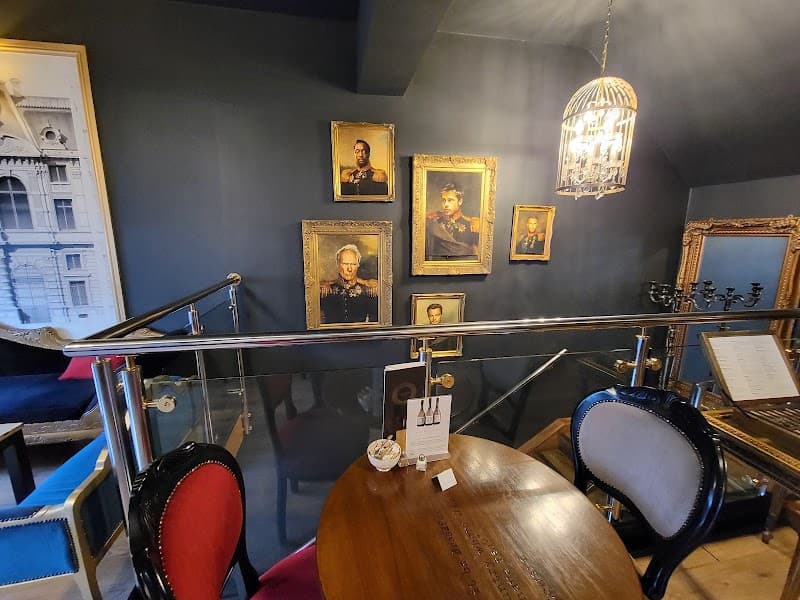
Romantic Isle of Man: Coastal Castles, Glens, and Quiet Views
Weekend · $$$
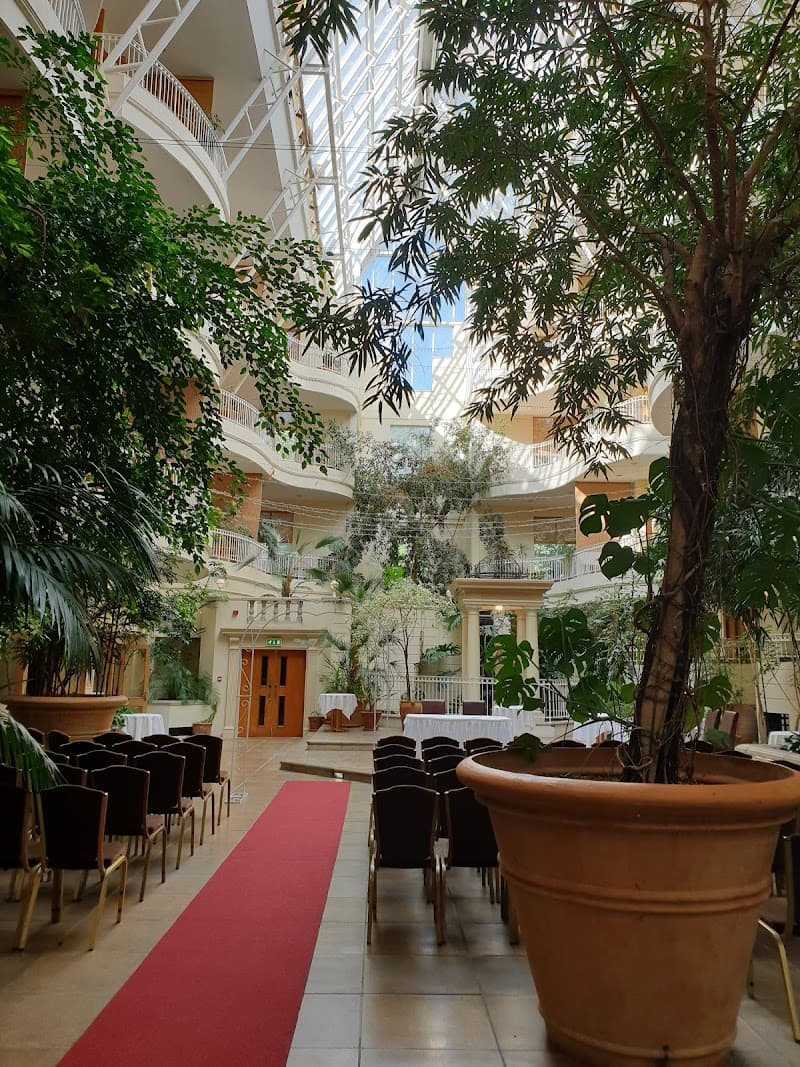
7 Wild Days on the Isle of Man with Kids
Week · $$$
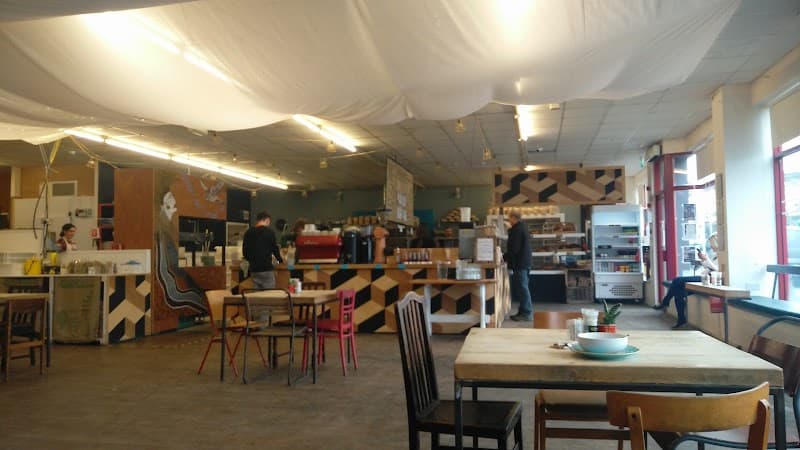
Isle of Man Wild Coasts & Castles Family Weekend
Weekend · $$$
Things to Do in Isle of Man
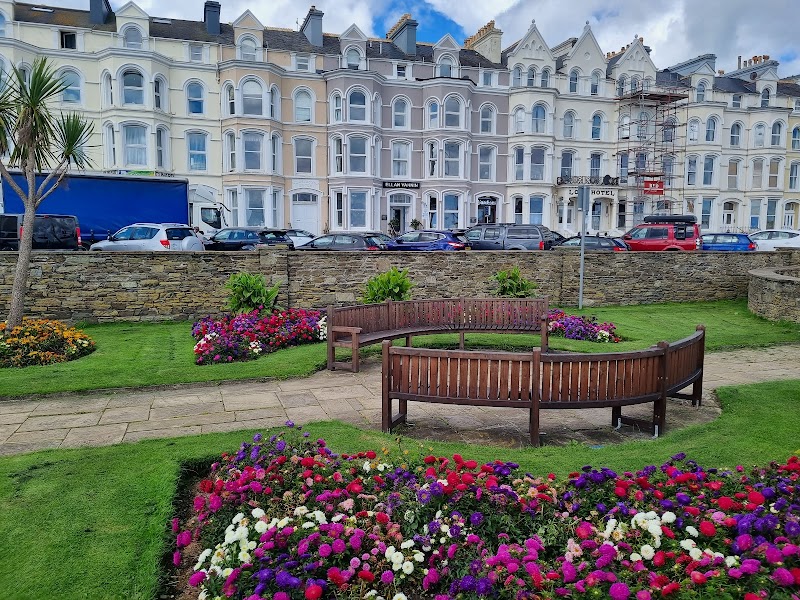
Douglas Promenade Stroll
Douglas Promenade · 90 min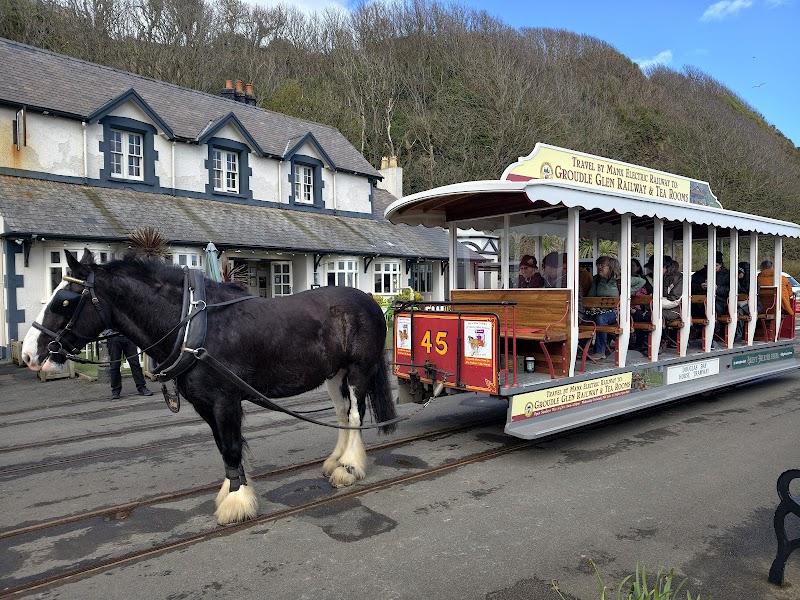
Douglas Bay Horse Tram (Seasonal)
Douglas Promenade · 30 min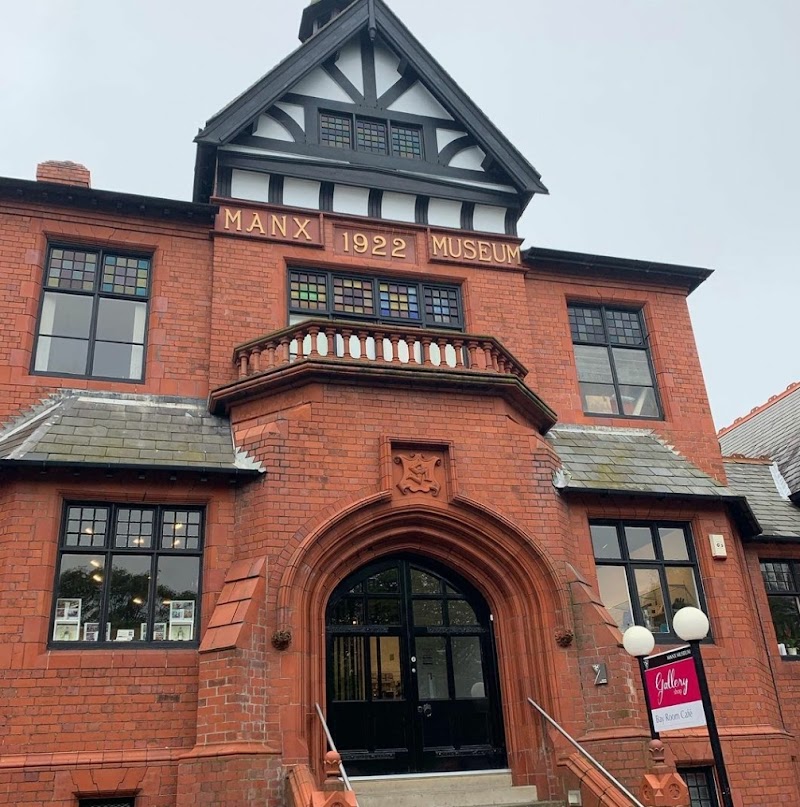
Manx Museum
Douglas Town Centre · 90 minMoney-Saving Tips
- 1.The Isle of Man uses its own currency (Manx pounds) equal to British pounds, but British money is accepted everywhere
- 2.Fuel costs about 10p per liter more than mainland UK due to import costs
- 3.Many attractions offer combined tickets - the Island Explorer pass covers trains, buses, and major sights for £35
- 4.Pubs are cheaper than restaurants for meals, with most serving decent food for £8-12
- 5.Wild camping is free and legal on most of the island if you follow leave-no-trace principles
- 6.TT race week sees accommodation prices triple - book early or consider camping
- 7.Ferry foot passenger tickets are often cheaper than flights, especially if booked in advance
Travel Tips
- •Download offline maps - mobile coverage can be patchy in the island's interior
- •Pack layers and waterproofs regardless of season - weather changes quickly
- •Learn a few Manx Gaelic phrases - locals appreciate the effort even if they speak English
- •The three-legged Manx symbol appears everywhere but don't expect to see tailless cats - they're quite rare
- •Respect TT course roads year-round - locals drive them fast and know every corner
- •Many shops close on Sundays and Wednesday afternoons - plan accordingly
- •Tipping isn't expected but is appreciated for good service
- •The island has no speed limit on some rural roads, but that doesn't mean drive recklessly