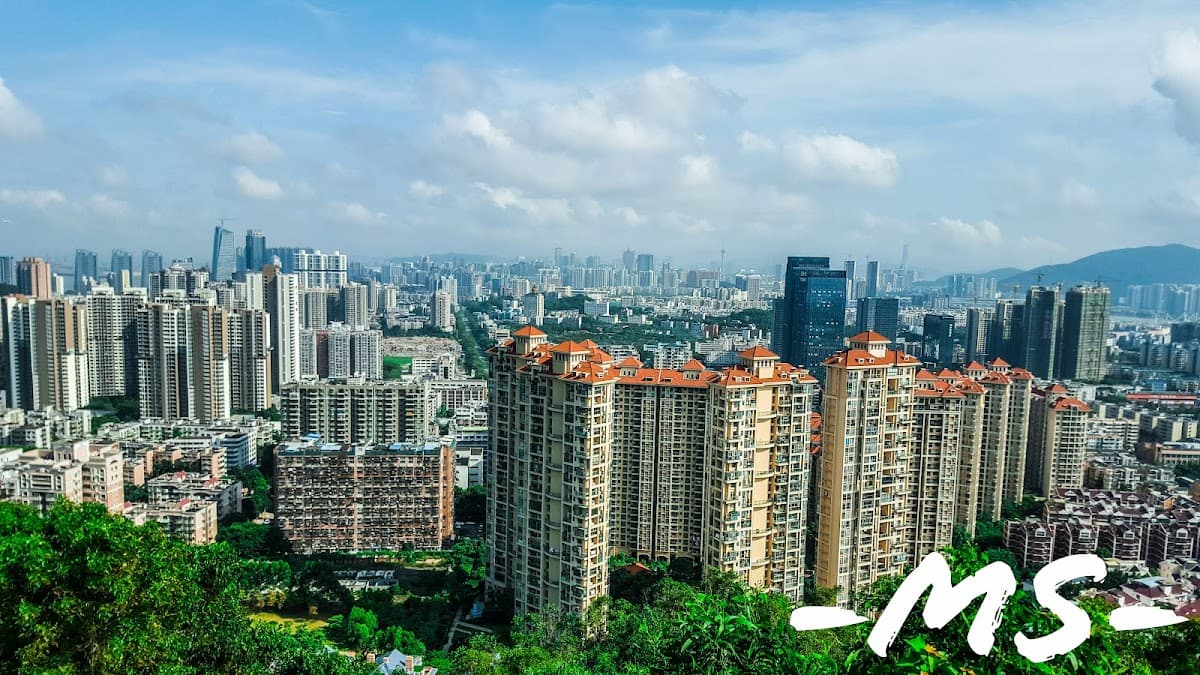
Guangdong
Economic powerhouse where Cantonese culture meets global commerce
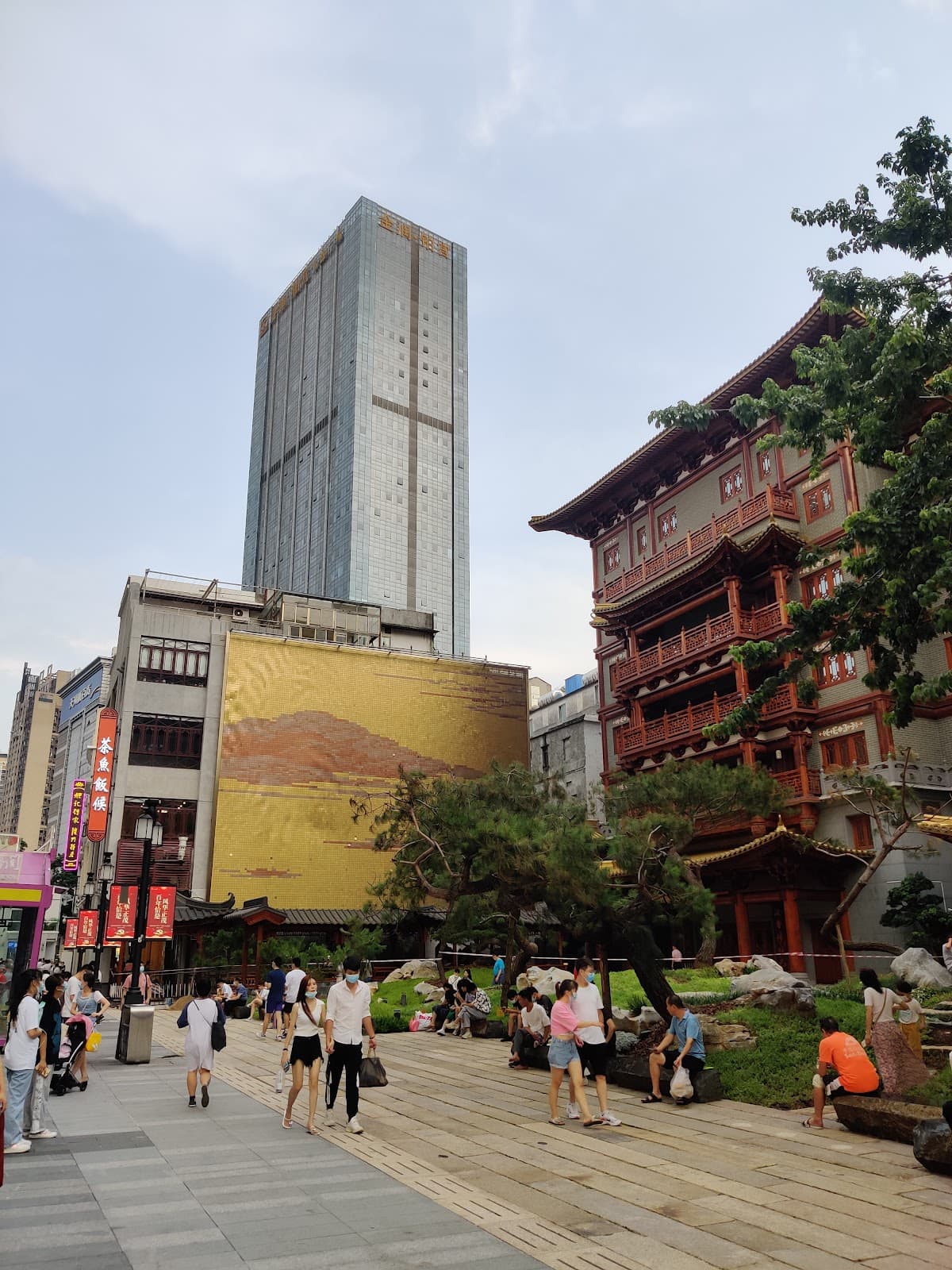
Guangdong doesn't mess around. This is China's economic engine, where ancient tea houses sit next to gleaming skyscrapers and where you'll eat the best dim sum of your life while watching billion-dollar deals get made over lunch. The birthplace of Cantonese cuisine and culture also happens to be one of the most connected regions in Asia — you can hop from Guangzhou's historic temples to Shenzhen's tech districts to Macau's casinos all in the same day. But here's what most travelers miss: beyond the business hotels and factory tours lies a province packed with authentic food markets, traditional architecture, and some surprisingly affordable experiences. The Pearl River Delta might be all about commerce, but the culture runs deep.
Explore Cities
Explore the Region

Guangdong Itineraries
Money-Saving Tips
- 1.Download Alipay or WeChat Pay before arriving — cash is becoming rare in major cities
- 2.Eat at restaurants with no English menus — they're usually cheaper and more authentic
- 3.Metro day passes (¥20 in Guangzhou, ¥25 in Shenzhen) beat individual tickets if you're sightseeing
- 4.Book high-speed rail tickets in advance online for 10-15% discounts
- 5.Street food costs ¥10-20 per meal versus ¥80-150 at sit-down restaurants
- 6.Many temples and parks are free — save entrance fees for the big attractions
- 7.Stay in business hotels Sunday-Thursday for weekend rates without weekend crowds
- 8.Bargain at markets but not in malls — fixed prices are clearly marked
Travel Tips
- •Download a VPN before arriving if you need access to Google, Facebook, or Instagram
- •Learn basic Mandarin phrases — Cantonese is local but Mandarin works everywhere
- •Carry tissues and hand sanitizer — public restrooms vary wildly in quality
- •Book restaurant reservations through Dianping (China's Yelp) for popular spots
- •Taxis don't always accept foreign cards — have cash or mobile payment ready
- •Air pollution can be heavy — check AQI levels and pack a mask for bad days
- •Business cards matter here — have some printed even if you're just traveling
- •Download offline maps before exploring — GPS can be spotty in some areas
- •Electrical outlets use Type A, C, and I plugs — bring a universal adapter
Frequently Asked Questions
Explore Guangdong
Ready to explore Guangdong?
Get a personalized itinerary in seconds with Takeoff.
Free on iOS. No credit card required.