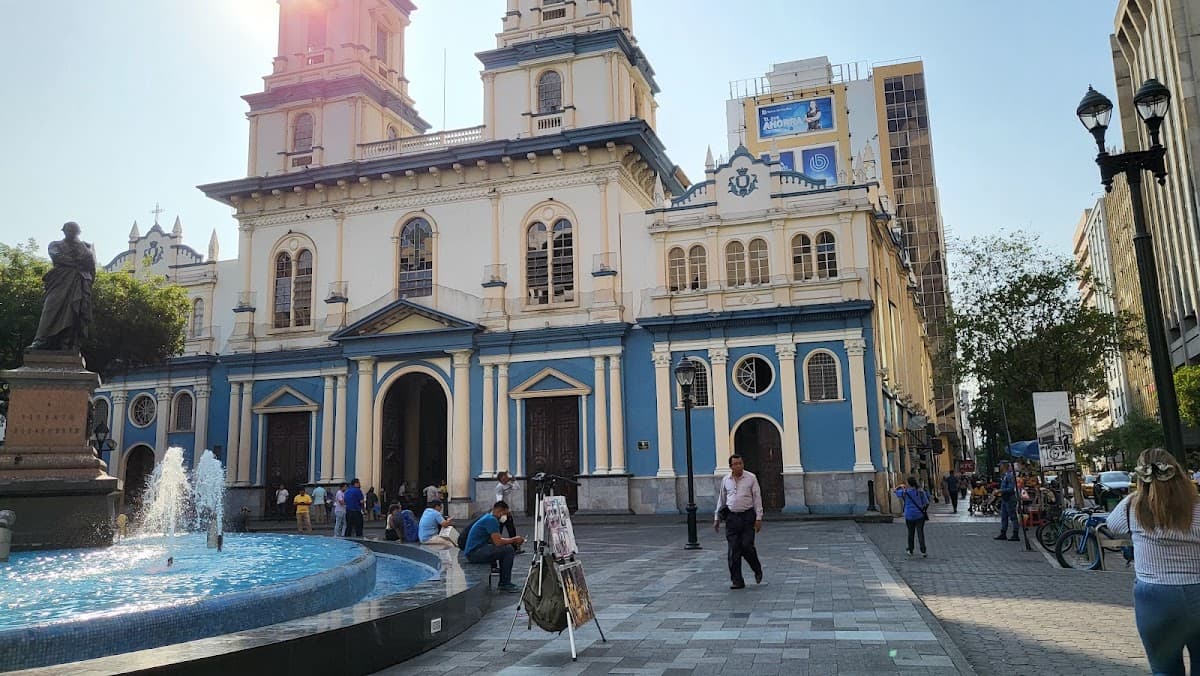
Guayaquil
Ecuador's vibrant port city with regenerated waterfront charm
Guayaquil surprises visitors who expect just another gritty port city. Ecuador's largest metropolis has transformed its once-neglected Malecón into a stunning riverside promenade that rivals any in South America. The city pulses with authentic Ecuadorian energy — street vendors hawk fresh ceviche at dawn, families gather in regenerated parks by evening, and salsa music spills from corner bars past midnight. You'll find excellent museums, diverse neighborhoods, and food that costs a fraction of what you'd pay in Quito. Sure, it gets hot and humid, but that's part of the tropical charm that makes this Pacific coast gateway feel genuinely South American.
Best Months
JUN – NOV
~29°C · high crowds
Culture & Context
GALÁPAGOS GATEWAY CITY
Guayaquil is Ecuador's largest city (around 2.7-3 million in the metro area), its main Pacific port, and its economic engine. Quito is the capital, but Guayaquil is where the money moves. The city sits on the western bank of the Guayas River and has been Ecuador's commercial heart for centuries.
Most international visitors are here because Guayaquil is the primary gateway to the Galápagos Islands — flights leave daily with LATAM and Avianca. A lot of people blow through without really seeing the city, which is both a shame and partly understandable given the safety context. But Malecón 2000, the Las Peñas neighborhood, and Parque Seminario (where dozens of free-roaming iguanas hang out in the middle of the business district) are legitimately worth a proper half-day or full day.
The food culture here is coastal and proud of it. Encebollado (albacore tuna and yuca soup with pickled onions) is eaten for breakfast by a significant portion of the population. Ecuadorian ceviche is different from Peruvian — it includes tomato sauce, is served at room temperature, and comes with chifles (plantain chips) or popcorn. Fresh tropical fruit juices, naranjilla, maracuyá, and guanábana are everywhere and excellent. The national beer is Pilsener. Football allegiances split hard between Barcelona SC and Emelec, and that rivalry is as much a part of the city's identity as the river views.
Local Customs
GREET, KISS, BUENOS DÍAS
Greet everyone when you walk in — entering a shop, taxi, or small restaurant without saying 'buenos días' or 'buenas tardes' reads as rude. It takes three seconds and changes how people treat you.. A handshake for new acquaintances, a single cheek kiss for people you already know.
Follow the other person's lead on this. If you're unsure, start with a handshake.. Say 'buen provecho' to your table before eating.
If you're walking past other diners in a restaurant, it's polite to say it to them too.. La Hora Ecuatoriana is real. If someone says they'll meet you at 7 PM, mentally schedule it for 7:30.
Bring something to read, don't bring your frustration.. At markets (mercados), gentle haggling is expected. Lead with a smile, ask the price, offer slightly less, work from there.
Don't be aggressive — a polite 'gracias' and a smile is a fine way to walk away without buying.. 10% service charge is often included in restaurant bills at upscale spots — check your bill before adding more. At cheaper local places, tipping is welcome but not expected..
Never have your phone out while walking on the street. Step into a shop or building if you need to check a map. This is one of the most consistent pieces of advice from everyone who lives in this city..
Football is serious here. Guayaquil has two major clubs — Barcelona SC and Emelec — and rivalry between their fans runs deep. Know which one your new friends support before you open your mouth..
Formality in address matters. Use 'Señor' or 'Señora' until you're explicitly invited to use first names, especially with older people or in business contexts.
Safety
STAY SOUTH & DAYLIGHT
The honest picture: Guayaquil carries a genuinely elevated risk level compared to most South American tourist cities. The US State Department rates it Level 2 overall, but specifically recommends reconsidering travel to areas north of Portete de Tarqui Avenue due to gang-related crime tied to narcotrafficking. South of Portete de Tarqui Avenue also warrants extra caution or avoidance. The violence is primarily gang-on-gang, but tourists can find themselves in the wrong place. That said, millions of visitors pass through each year without incident.
For tourists: stick to the Malecón 2000, Las Peñas, Urdesa, and Samborondón. Do all of this during daylight hours. Don't walk anywhere alone after dark. Use Uber or Cabify rather than hailing taxis off the street — the US Embassy specifically advises its own staff against public buses entirely due to armed robbery risk. The Metrovía BRT is safer than regular city buses but still requires vigilance against pickpockets.
At the airport, arrange a pre-booked ride rather than accepting offers from drivers approaching you without official ID. Phone snatching by people on motorcycles is a documented pattern — do not check your phone while standing on a sidewalk. Keep electronics in a bag, not in your hand.
As of May 2026, a curfew is in effect in parts of the Guayas province from 11 PM to 5 AM (Canadian government advisory). The curfew does not affect travel to and from Guayaquil airport if you have a boarding pass or ticket. The security environment can change quickly — check your government's travel advisory before departure and again 48 hours before flying in.
Getting Around
UBER & METROVÍA ONLY
Guayaquil's José Joaquín de Olmedo International Airport sits close to the city center. An Uber from the airport to the historic center runs $4-6 depending on which service tier you pick. Licensed yellow taxis to the northern suburbs cost around $3; downtown is about $5. The official taxi cooperative is Cooperativa de Taxis Aeropuerto (+593 9 6015 5142), available 24 hours at the ground floor arrivals exit.
Uber and Cabify both operate in Guayaquil and are your best bets for getting around safely. Note: Uber is not officially registered in Ecuador, so drivers sometimes ask you to sit in the front seat to avoid attention. That's normal — just go with it. The Metrovía BRT system covers the city on dedicated bus lanes from south to north and east to west, running 5 AM to 11:45 PM with a $0.30 fare. It's air-conditioned and more reliable than regular city buses, but pickpocketing occurs, especially at crowded stops and during rush hour.
Regular public buses are cheap but genuinely risky — the US Embassy bars its own staff from using them. Taxis are widely available (look for the yellow ones) but most drivers will refuse to use their meter. Always agree on a price before you get in, or insist the meter runs. Hiring a taxi for the day costs from around $60. For longer trips — say, to Cuenca (about 4 hours) — intercity buses run from the Terminal Terrestre and cost around $4-5. Luxury buses on major routes are air-conditioned and worth the slight premium.
Useful Phrases
Money-Saving Tips
- 1.Eat at local markets like Mercado Central where meals cost $3-5 instead of tourist restaurants charging $15-20
- 2.Take the Metrovía bus system ($0.35) rather than taxis for short distances around the city center
- 3.Visit free attractions like the Malecón 2000 boardwalk and Las Peñas neighborhood during the day
- 4.Buy snacks and drinks at corner stores rather than hotel minibars — prices are 3-4 times higher
- 5.Negotiate taxi fares before getting in since meters are rarely used and drivers often overcharge tourists
- 6.Stay in Centro or Urdesa rather than Las Peñas where boutique hotels charge premium prices for location
Travel Tips
- •Pack light cotton clothing and a rain jacket — the city stays hot and humid year-round with sudden downpours
- •Learn basic Spanish phrases as English isn't widely spoken outside tourist areas and upscale hotels
- •Keep copies of your passport as police occasionally conduct document checks, especially near the port area
- •Avoid displaying expensive jewelry or electronics while walking around, particularly in Centro after dark
- •Drink bottled water and avoid ice in drinks from street vendors to prevent stomach issues
- •Exchange money at banks or official cambios rather than street dealers who often shortchange tourists
- •Book accommodations in advance during dry season (June-November) when demand peaks from domestic travelers