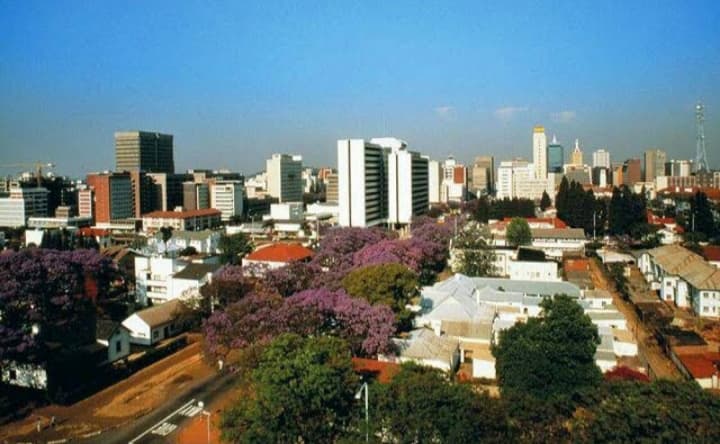
Harare
Zimbabwe's vibrant cultural heart amid economic resilience
Harare doesn't make it onto many bucket lists. But Zimbabwe's capital is quietly becoming one of Africa's most interesting cultural destinations. The city pulses with contemporary art galleries, live music venues, and a food scene that's finally getting the recognition it deserves. Sure, the infrastructure can be challenging and the economy unpredictable. But that's exactly what keeps the crowds away and the prices low. Here's the thing — Harare rewards curious travelers who look beyond the headlines. You'll find world-class sculpture parks, buzzing craft beer breweries, and some of the friendliest locals on the continent.
Best Months
APR – SEP
~25°C · moderate crowds
Culture & Context
WARMTH WITH SUBSTANCE
Harare sits at 1,490 meters above sea level, which gives it a milder climate than its latitude suggests — temperatures swing from about 15°C in July to 26°C in November, with a rainy season running roughly November through March. The altitude also means stronger UV exposure than visitors typically expect. Sunscreen matters here even on overcast days.
The city is almost entirely Shona-speaking at street level, though English is official and widely used in business, education, and tourist-facing contexts. Shona is a Bantu language with tonal qualities and over 10 million native speakers across Zimbabwe and parts of Mozambique. Getting even a few words right earns immediate goodwill.
Zimbabweans are famously warm toward visitors, and that reputation is earned. But the warmth comes with a social contract: greet people properly, show patience, and don't mistake friendliness for a lack of opinion. The country has been through enormous economic and political turbulence over the past two decades, and most people you meet have navigated more uncertainty than most visitors can imagine. That context is worth carrying with you.
The arts scene is genuinely strong for a city of this size. The National Gallery of Zimbabwe on Park Lane (established 1957, housing over 6,000 works) is worth two hours of anyone's time. Zimbabwe's music scene — spanning sungura, mbira, Afrobeats, and homegrown hip-hop — is having a creative moment right now, and the proliferation of local festivals in 2026 is proof of it.
Local Customs
GREET FIRST, ALWAYS
Always greet before speaking. In Shona culture, launching straight into a question or request without a greeting first is genuinely rude — not just awkward. A 'Mhoro' and a smile costs you nothing and opens every door..
Handshakes are standard and often extended. A soft handshake, sometimes accompanied by a light clap, signals respect and friendliness. Don't rush it..
Don't use your left hand for greetings, eating, or handing things to people. The left hand is considered unclean across many Zimbabwean cultures — this isn't a guidebook cliché, people actually notice.. Tipping is appreciated but not automatic.
Around 10% in restaurants is standard, and service staff genuinely depend on it to supplement wages. Hotel staff appreciate small tips for genuine assistance.. Don't photograph government buildings, military installations, or police stations.
This is illegal, not just frowned upon. Authorities can and do detain people for it.. Always ask before photographing people — especially at markets and places of worship.
Most people say yes if you ask politely in Shona (or even in English). Just don't assume.. Avoid political conversations unless you know someone well.
Zimbabwe's political landscape is complex and the safest general stance is to listen more than you talk.. US dollars are the functional currency. Carry small bills ($1s and $5s).
Change is genuinely hard to come by and many vendors simply can't make change for a $20.. Power outages (load shedding) happen. A portable power bank is not optional — it's practical.
Better hotels and guesthouses have backup generators but don't assume.. The pace is slower than what many Western visitors expect, especially in queues and during transactions. Patience is valued here.
Visibly rushing or showing frustration won't speed anything up and will likely slow things down.
Safety
STREET SMART ESSENTIAL
Harare is manageable with reasonable precautions, and violent crime against tourists is genuinely rare. The bigger practical concerns are petty theft, pickpocketing in the CBD, and smash-and-grab incidents at traffic lights. Don't leave anything visible on car seats. Keep windows up and doors locked when driving through the city center.
Don't walk in the CBD after dark. Full stop. After 9 PM, ask your hotel to call you a registered taxi rather than hailing one on the street. Mbare is fine during the day with company, but not a solo late-afternoon wander.
ATMs are targets. Be aware of who's around when you withdraw cash, and don't flash large amounts in public. Carry only what you need for the day and leave the rest in your hotel safe along with your actual passport (carry a certified copy).
Stay completely clear of political demonstrations and rallies. These can turn unpredictable fast, and foreigners get extra scrutiny. The US State Department advises "increased caution" and specifically flags official harassment of US citizens as a risk.
Health: malaria risk is lower in Harare due to altitude, but prophylaxis is still recommended from October to May. Avenues Clinic in Harare runs a 24-hour casualty unit and has air-ambulance links to Johannesburg — save the number. Public hospitals are under-resourced; go private if something goes wrong. Travel insurance with medical evacuation coverage is non-negotiable here.
Scams to know: fake "tour guides" selling non-existent excursions, inflated prices for trinkets aimed at obvious visitors, and card skimmers at isolated ATMs. Withdraw cash only at bank-connected ATMs.
Getting Around
UBER & APPS ADVISED
Getting around Harare takes some strategy. Here's the honest breakdown.
Kombis are minibus taxis that function as the city's public transport backbone. They're cheap and they go everywhere, but they're often overcrowded and run on informal schedules. If you're on a tight budget and have time to figure out the routes, they work. If you're new to the city, the learning curve is steep.
Uber and Bolt both operate in Harare and are the recommended option for most visitors. Fixed prices, no haggling, driver accountability. Use these, especially at night. Always check the plate matches the app before getting in.
Metered taxis exist but many cabs don't run meters in practice. Agree on a price before you get in, or use the apps.
Driving yourself is possible but not recommended. Road conditions vary significantly, signage is limited, livestock appear on roads without warning, and driving at night carries real risk. Hire a local driver if you need a car for longer distances.
Robert Gabriel Mugabe International Airport is 15 km from the city center. Budget around $10–15 for an app-based ride in. Don't accept unsolicited ride offers from people waiting at arrivals.
The city is walkable in central areas and parts of Avondale during daylight hours. Once the sun goes down, use a car. Full stop.
Useful Phrases
Money-Saving Tips
- 1.ATMs frequently run out of cash — bring USD and exchange at official bureaus for better rates
- 2.Many businesses accept US dollars directly, often at favorable rates compared to banks
- 3.Negotiate prices at markets but don't be overly aggressive — vendors' margins are already thin
- 4.Local transport (kombis) costs under $1 per ride, making it the cheapest way to get around
- 5.Street food offers filling meals for $2-3, while restaurant mains typically cost $8-15
- 6.Book accommodation in advance during festival seasons to avoid price surges
- 7.Fuel costs fluctuate wildly — factor this into car rental or driver hire budgets
Travel Tips
- •Download offline maps before arriving — internet can be spotty in some areas
- •Pack layers for winter months (May-August) when temperatures drop significantly at night
- •Learn basic Shona greetings — locals appreciate the effort and it opens doors
- •Carry small denomination bills — change can be hard to come by for large notes
- •Visit markets early in the morning for the best selection and freshest produce
- •Respect photography restrictions around government buildings and military installations
- •Power outages happen regularly — pack a portable charger and small flashlight
- •Tap water isn't always reliable — stick to bottled water, especially during rainy season