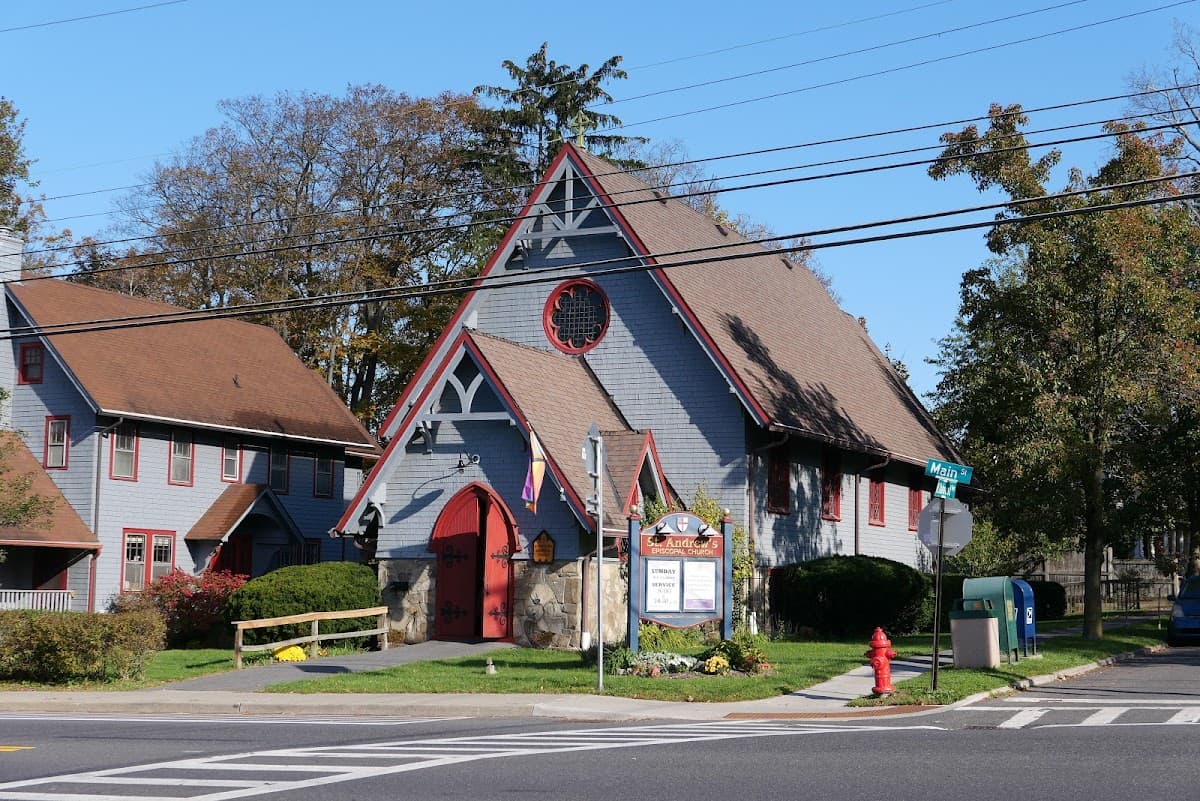
Hudson Valley
Historic river valley where autumn leaves meet artistic heritage
The Hudson Valley stretches north from New York City like a living postcard, where the Hudson River carves through rolling hills dotted with historic mansions and farm-to-table restaurants. This is where Manhattan's creative class escapes on weekends, where autumn turns the landscape into something that belongs in a museum, and where you can taste wine at a vineyard that was making bottles before your great-grandparents were born. Just 90 minutes from Grand Central, you'll find towns that feel like they've been plucked from a different century — but with WiFi and really good coffee.
Culture & Context
The Hudson Valley is a genuine crossroads of American history and culture.
The Dutch colonized it in the 1600s and many communities spoke Dutch for 200 years after the English takeover — George Washington literally called it "The Dutch Belt." That heritage survives in place names (every "-kill" is a creek from Dutch "kil"), in food culture, and in the strong community identity of older valley towns.
The region played a decisive role in the American Revolution and the 19th-century American landscape painting movement — the Hudson River School — was born here. Frederic Church, Thomas Cole, and others defined American visual culture from these hills. Today, the valley has a second identity as New York City's pressure valve.
Most residents are former New Yorkers who consciously chose slower lives — and they're protective of what they built. The food culture is genuinely exceptional: Culinary Institute of America graduates set up farm-to-table restaurants here, supplied by some of the best farmland in the Northeast. The valley is also New York's wine and hard cider country, with serious producers across Dutchess, Ulster, and Columbia counties.
The region supports a large creative class — artists, writers, musicians — and the live music and arts scene per capita is remarkable for an area this size. Tourism is a $5.5 billion economy in 2026, and the valley has evolved from a seasonal escape into a year-round destination.
Local Customs
Farm-to-table is not a marketing term here — it's how people actually eat.
Locals check where their food comes from. Menus listing farms by name is standard, not trendy..
Farmers markets are a Saturday morning ritual in most towns, not just a tourist activity. Rhinebeck, Kingston, and Beacon all have strong markets. Show up early for the good stuff..
Fall foliage season (mid-October) is treated like a major event. People book accommodations months out. Cold Spring and the Catskills get absolutely mobbed.
If you're not into crowds, avoid peak weekends.. Most Hudson Valley residents are former New Yorkers who left the city intentionally. There's a shared culture of slowing down, supporting local businesses, and being outdoors.
Don't rush people.. The region has a long Dutch colonial heritage — names, waterway terms, and some food culture (think waffles, coleslaw, cookies) trace back to New Netherland. It's woven into everyday life without anyone making a big deal of it..
The Hudson Valley is widely recognized as one of the most LGBTQ+-welcoming regions in the US. New Paltz Pride and Woodstock Pride are genuine community events, not just spectacles.. Hiking etiquette matters.
Breakneck Ridge and other Catskills trails get extremely crowded on fall weekends. Yield to uphill hikers, pack out your trash, and don't block trailhead parking.. Tipping is expected at the same rates as any New York destination: 20% at restaurants is the norm, not a nice surprise..
Dia:Beacon offers free admission for Hudson Valley county residents on the last Sunday of each month — locals know this and use it regularly.. Brotherhood Winery in Washingtonville is America's oldest winery and a point of local pride. Wine and hard cider culture is serious in the valley — ask locals for their current favorites rather than defaulting to the tourist-facing options.
Safety
The Hudson Valley is generally a safe, low-stress destination.
The most real risks are environmental and traffic-related. The Taconic State Parkway is notoriously twisty and narrow — avoid it at night, in heavy rain, or in winter ice/snow conditions; locals actively warn against it.
Winter hiking in the Catskills can be genuinely dangerous: icy trails, sudden weather changes, and poor cell signal in remote areas. Check DEC trail condition reports before heading out, tell someone your plans, and pack layers regardless of the forecast. Fall foliage weekends bring extreme congestion on rural roads, especially around Cold Spring and the Catskills — parking near trailheads like Breakneck Ridge requires arriving before 8am or you'll find nothing.
Cold Spring village itself gets overwhelmed with visitors on peak October weekends; the village infrastructure simply wasn't designed for it. Occasional air quality health advisories are issued for the Lower Hudson Valley in summer, largely tied to ozone from vehicle emissions — limit outdoor exertion on those days. The region is notably LGBTQ+-welcoming and known for inclusive communities.
Emergency: call 911. For backcountry hiking emergencies: NY Forest Rangers at 1-833-NYS-RANGERS.
Getting Around
Metro-North is the easiest entry from New York City.
The Hudson Line runs from Grand Central Terminal up the east bank with stops at Yonkers, Tarrytown, Ossining, Croton, Cold Spring, Garrison, Beacon, and Poughkeepsie. The ride hugs the river — genuinely one of the most scenic commuter rail trips in the country.
Amtrak serves the west bank and further north, with stops at Rhinecliff (for Rhinebeck), Hudson (Columbia County), and Albany/Rensselaer. The trip from Penn Station to Hudson is about 2 hours. For the west side of the river — Kingston, New Paltz, Woodstock — Shortline and New York Trailways buses are your public transit options, with service from Port Authority Bus Terminal.
Local county buses exist (Dutchess County Public Transit, Columbia County Transit) but are designed for residents, not visitors. Realistically, a car is almost essential if you want to explore freely. The main north-south roads are I-87 (NY Thruway) and Route 9W on the west bank, and Route 9 and the Taconic Parkway on the east.
Rent a car at Stewart Airport (SWF, Orange County) or Albany Airport (ALB), both of which have major agencies. On-street and lot parking is generally easy outside of peak fall weekends. Hudson is the notable exception — walkable enough that many visitors skip a car entirely for a Hudson-based weekend.
Useful Phrases
Explore Cities
Explore the Region
Money-Saving Tips
- 1.Visit during shoulder seasons (late spring/early summer) for 30-40% lower hotel rates compared to peak fall foliage
- 2.Many wineries offer free tastings if you buy a bottle - better value than paying tasting fees
- 3.Pack lunches for hiking days - trail snacks at tourist spots cost 3x grocery store prices
- 4.Metro-North weekend passes cost $7 and include unlimited local bus rides in participating counties
- 5.Farm stands offer better prices on local produce than grocery stores, plus you're supporting farmers directly
- 6.Book restaurants for early dinner (5-6pm) - many offer prix fixe menus that cost less than à la carte
- 7.State parks charge $8 parking but annual Empire Pass costs $80 and covers all NY state parks
Travel Tips
- •Download offline maps before heading into the Catskills - cell coverage gets patchy in mountain areas
- •Make dinner reservations at least a week ahead during fall foliage season, especially for weekend evenings
- •Bring layers even in summer - river valleys create microclimates that can shift 15 degrees in a few miles
- •Check winery and attraction hours before driving out - many close early or have limited winter schedules
- •Gas stations become scarce in rural areas - fill up in larger towns like Kingston or Poughkeepsie
- •Farmers markets typically run Saturday mornings year-round but Sunday markets are seasonal
- •Antique shopping works best on weekdays when dealers offer better prices and selection isn't picked over
Frequently Asked Questions
Explore Hudson Valley
BUILD YOUR
HUDSON VALLEY PLAN
Insider picks, smart timing, and a plan ready when you are.
Start Planning