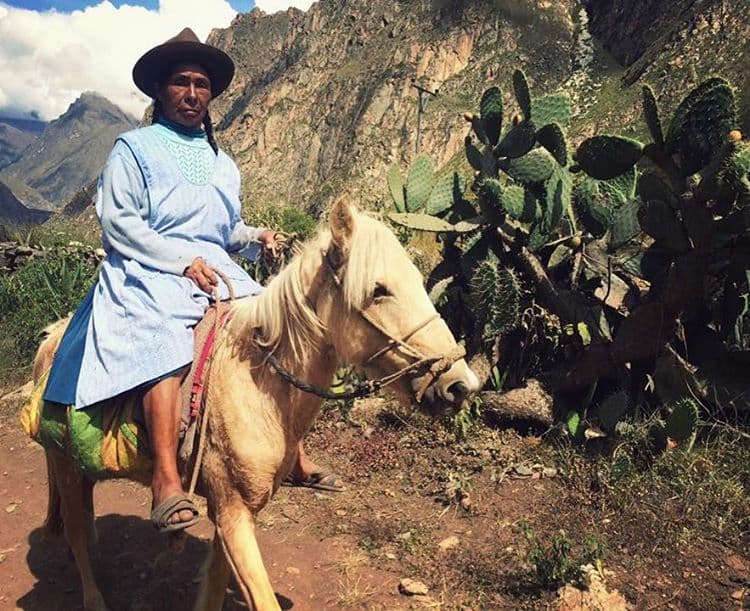
Inca Trail
Sacred path to Machu Picchu through ancient Andean wilderness
The Inca Trail isn't just a hike — it's a pilgrimage through 500-year-old stone pathways that end at one of the world's most iconic ruins. This 26-mile trek through cloud forest and alpine passes tests your legs and rewards your soul. You'll camp under Southern Hemisphere stars, cross 13,800-foot Dead Woman's Pass, and walk the same stones that Inca messengers once ran. But here's what the guidebooks won't tell you: permits sell out in January for the entire year, your knees will hate you by day three, and that sunrise over Machu Picchu makes every blister worth it.
Itineraries coming soon
We're working on adding amazing itineraries for Inca Trail. In the meantime, try the app to create your own!
Money-Saving Tips
- 1.Book your trek 6-12 months in advance when permits go on sale January 2nd to avoid inflated last-minute prices
- 2.Group tours cost $600-800 while private treks can reach $1,500+ per person — join a group to save serious cash
- 3.Rent gear in Cusco rather than buying — sleeping bags, trekking poles, and rain gear cost $5-10 per day
- 4.Skip the expensive gear shops in San Blas and head to Mercado San Pedro for cheaper hiking supplies
- 5.Tip your porters and guides in cash — bring small bills as they carry your gear up those brutal mountain passes
- 6.Stay in Aguas Calientes the night before your Machu Picchu visit rather than rushing the same day
Travel Tips
- •Arrive in Cusco 2-3 days early to acclimatize — altitude sickness at 11,000+ feet is no joke
- •Pack layers for extreme temperature swings — freezing mornings to hot afternoons are common
- •Bring your own water purification tablets as backup even though tour companies provide boiled water
- •Download offline maps to your phone — GPS still works even without cell service on the trail
- •Pack toilet paper and hand sanitizer — bathroom facilities are basic pit toilets with no supplies
- •Wear broken-in hiking boots only — new boots will destroy your feet on those ancient stone steps
- •Bring a headlamp with extra batteries for pre-dawn starts and navigating camp after dark
- •Pack diamox for altitude sickness prevention but consult your doctor first about proper dosage
Frequently Asked Questions
Explore Inca Trail
Ready to explore Inca Trail?
Get a personalized itinerary in seconds with Takeoff.
Free on iOS. No credit card required.