Ireland
Emerald landscapes meet warm hearts and ancient Celtic spirit
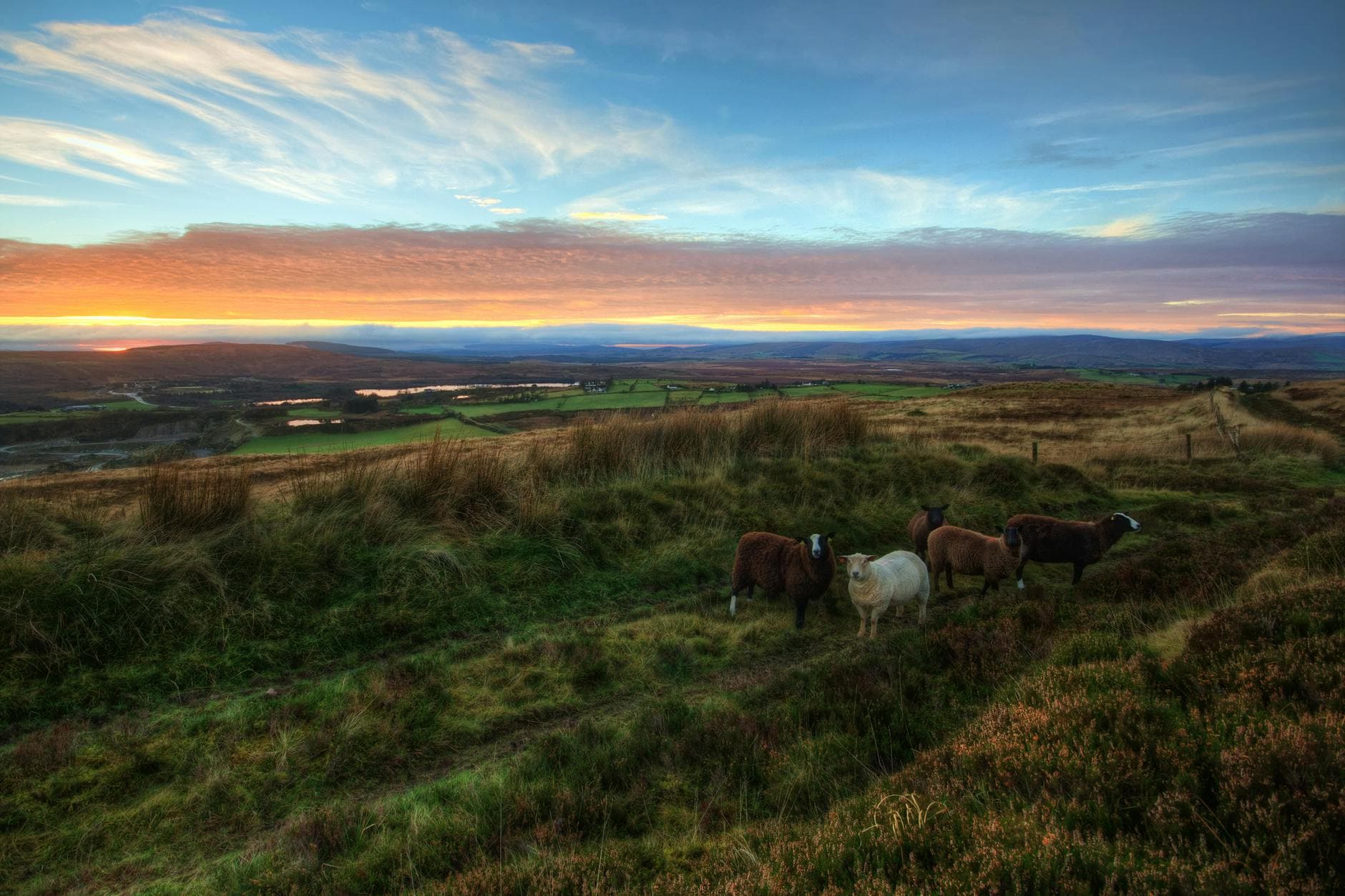
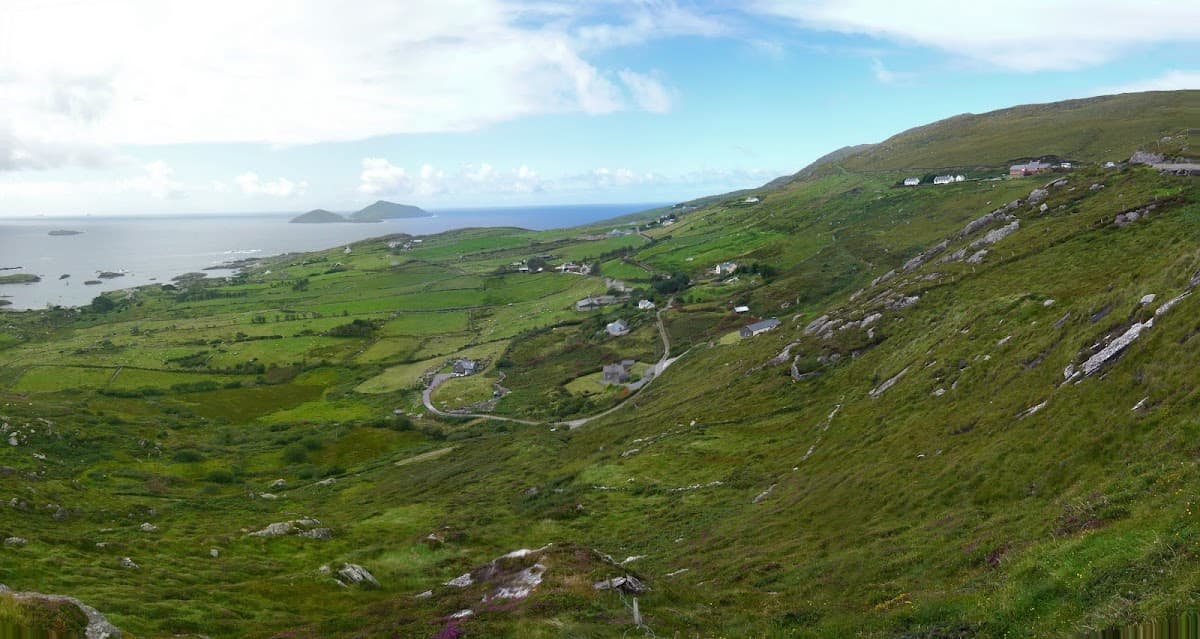
Ireland hits different than anywhere else in Europe. Sure, the countryside looks like someone cranked up the saturation on green, but it's the people who make this place special. Strangers become storytellers in pubs. Shopkeepers remember your name after one visit. And yes, it rains—but that's what makes everything so impossibly green.
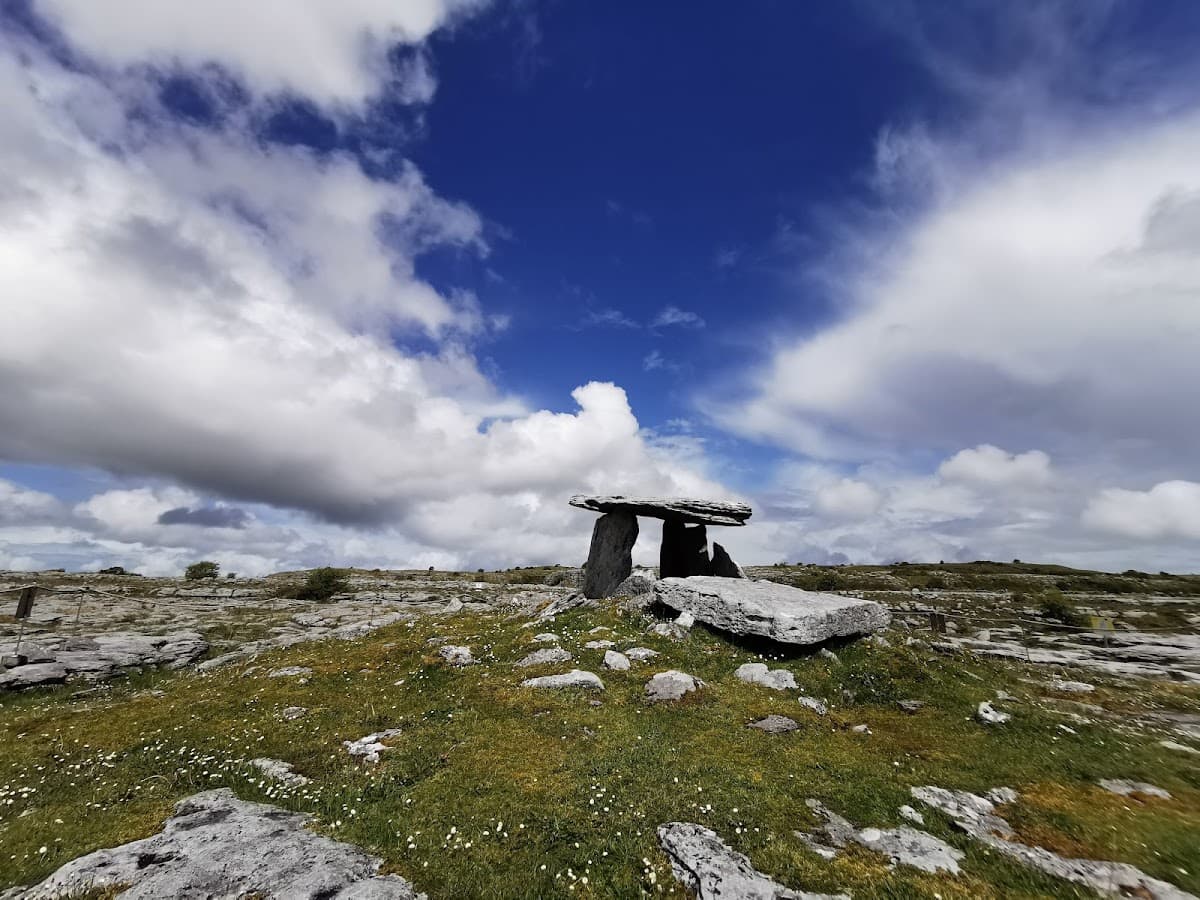
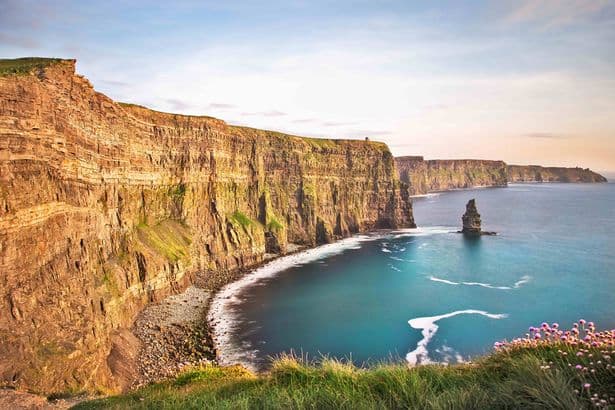
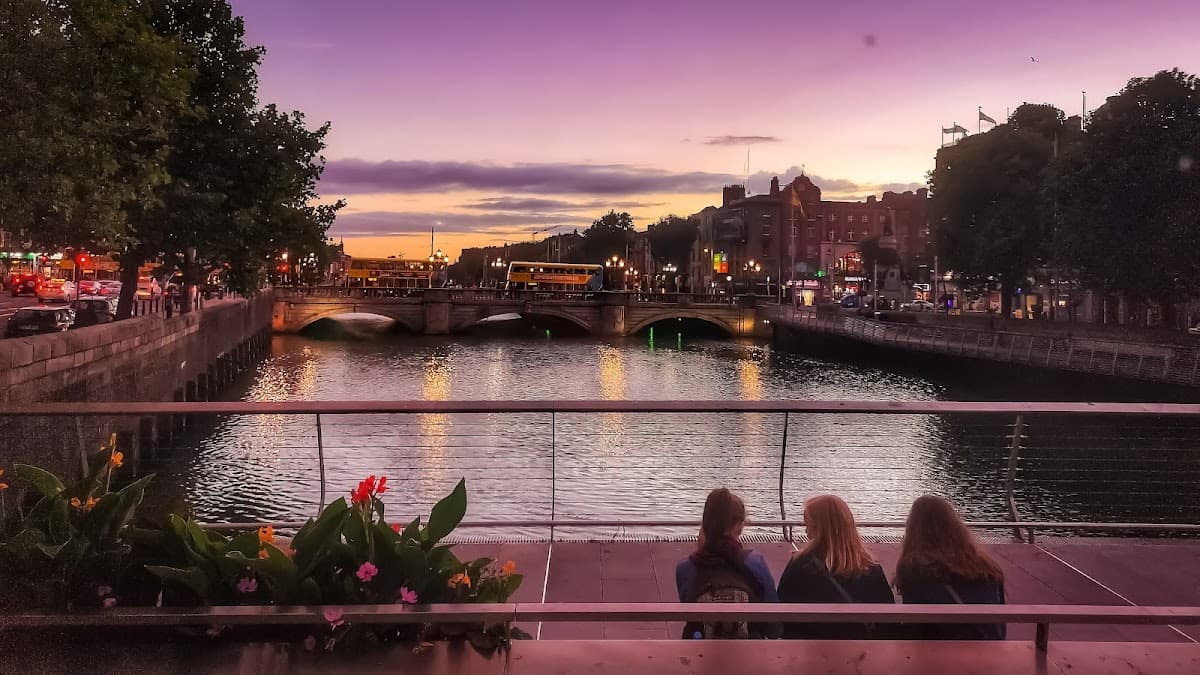
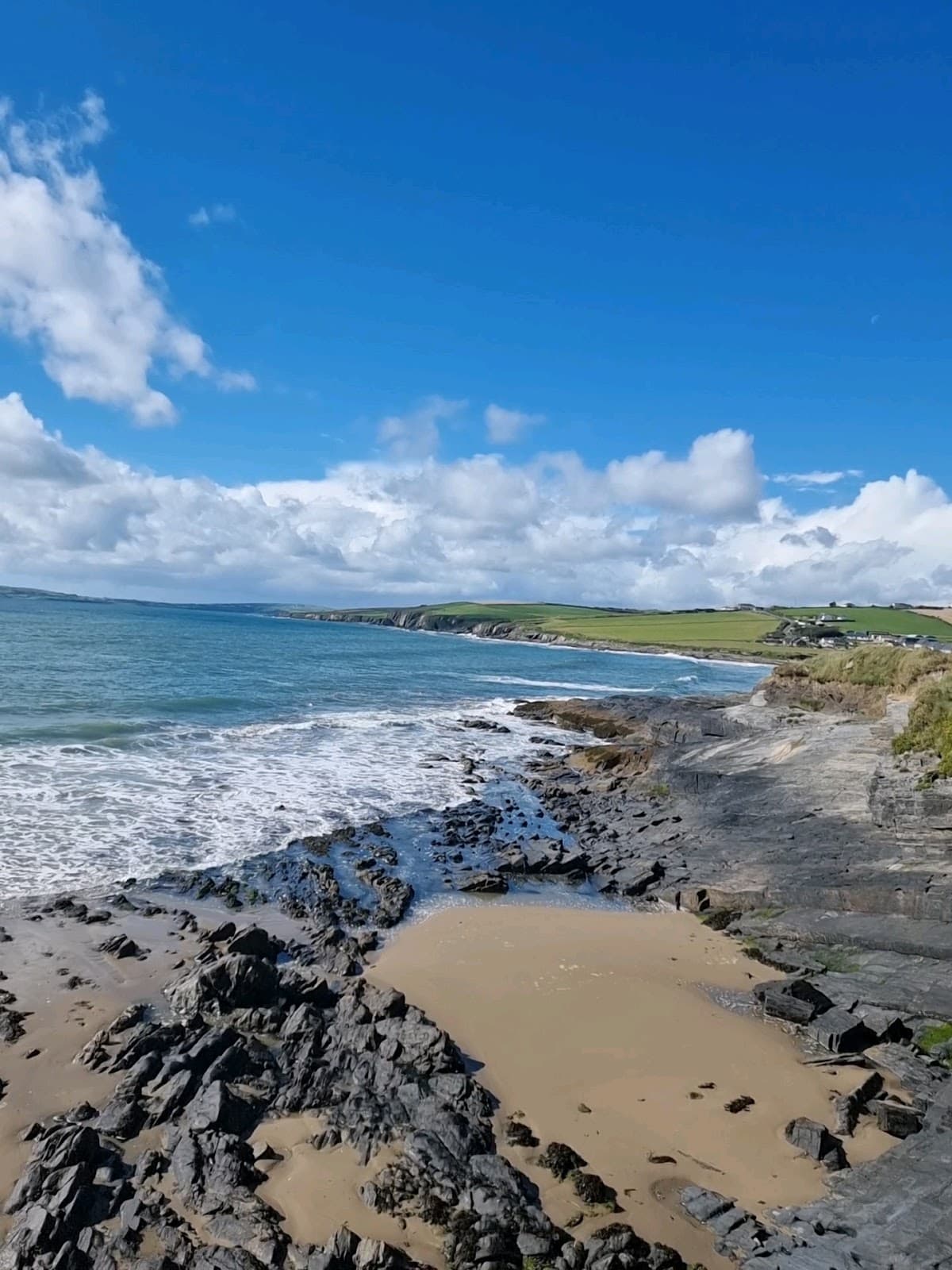
The island packs serious variety into a small space. Dublin pulses with tech energy and traditional music. The Wild Atlantic Way serves up dramatic cliffs and fishing villages. Ancient stone circles dot the landscape like scattered thoughts from another time.
Here's what works: Ireland rewards slow travel. Rush between counties and you'll miss the magic—those spontaneous conversations, the perfect pint of Guinness, the moment when fog lifts off the Cliffs of Moher and you understand why people write songs about this place.
Explore the Region
Ireland Itineraries
View all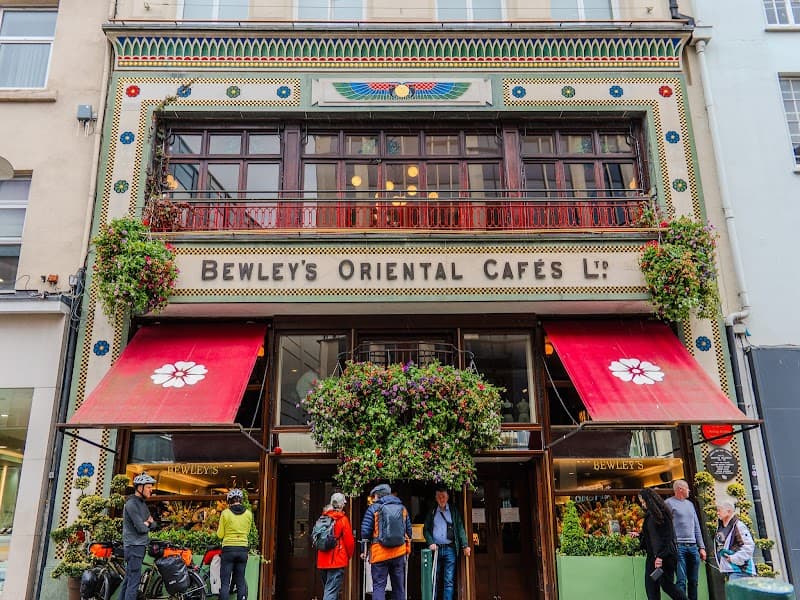
Cozy Dublin Culture: History, Pubs & Hidden Corners
Weekend · $$

Dublin Celebration Weekend: History, Flavor & Irish Spirit
Weekend · $$
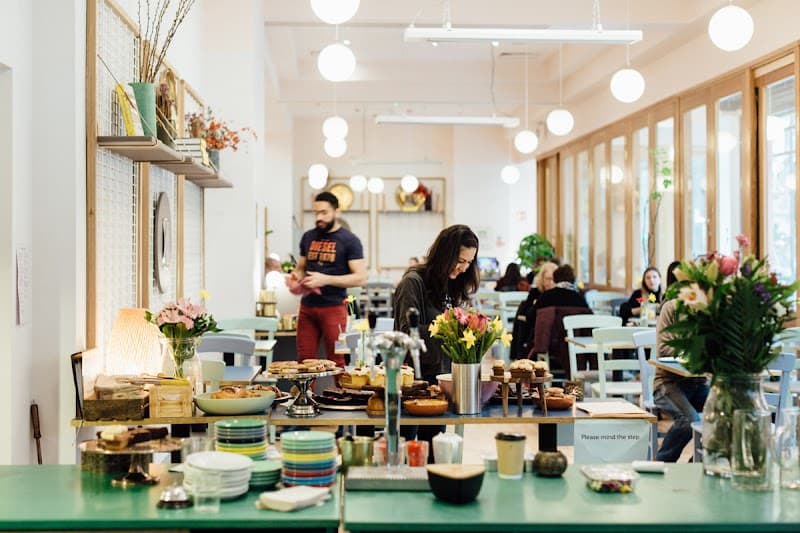
Relaxed Dublin: Emerald Isles for Couples
Week · $$
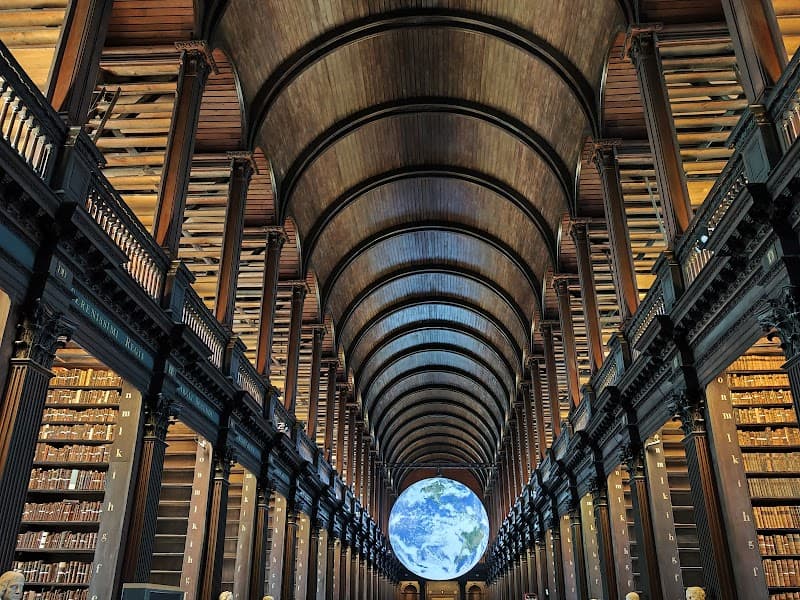
Dublin Celebration Weekend: Literary Charm & Lively Nights
Weekend · $$$
Relaxed Dublin: Emerald Coasts, Gardens & Pubs
Week · $$$
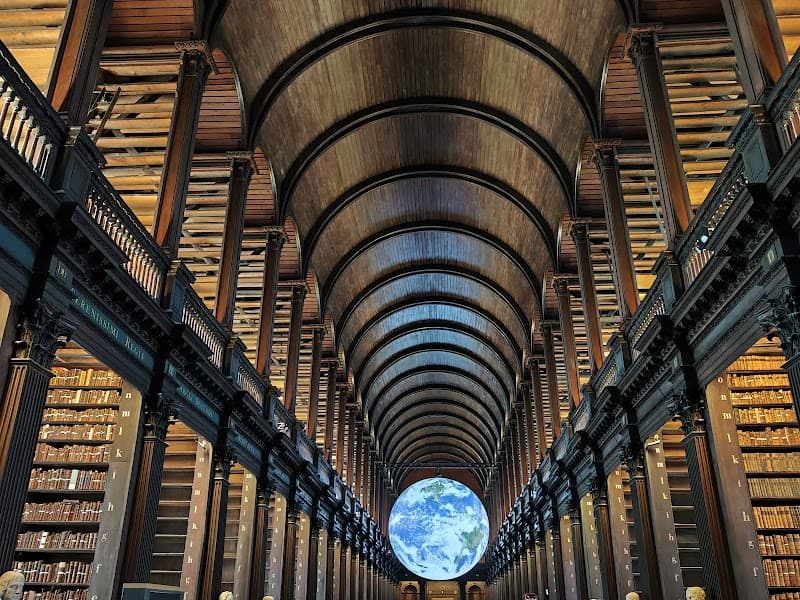
Dublin Romance & Nature Escape: A 3-Day Coastal Retreat
Weekend · $$$$
Money-Saving Tips
- 1.Book accommodations early—Ireland has fewer hotel rooms than demand, especially in summer
- 2.Eat lunch at gastropubs instead of dinner—same quality, half the price
- 3.Buy a Heritage Card (€40) if visiting multiple castles and historic sites
- 4.Grocery shop at Lidl or Aldi—Tesco and SuperValu charge tourist prices
- 5.Skip car rental insurance if your credit card covers it—saves €15-20 daily
- 6.Drink where locals drink—tourist pubs charge €6+ for pints that cost €4.50 elsewhere
- 7.Take advantage of free museums in Dublin—National Gallery and Natural History Museum cost nothing
- 8.Book flights to Dublin, not Cork—better international connections mean cheaper fares
Travel Tips
- •Pack layers and waterproofs—weather changes every 20 minutes year-round
- •Learn basic pub etiquette—buy rounds, don't rush conversations, tip isn't expected
- •Carry cash—many small businesses still don't take cards, especially in rural areas
- •Download offline maps—cell service gets spotty in the countryside
- •Book restaurant reservations—good spots fill up, especially weekends
- •Respect private property—those stone walls mark boundaries, don't climb them
- •Allow extra travel time—Irish distances are deceptive on narrow, winding roads
- •Bring a universal adapter—Ireland uses Type G plugs
Frequently Asked Questions
Explore Ireland
Ready to explore Ireland?
Get a personalized itinerary in seconds with Takeoff.
Free on iOS. No credit card required.