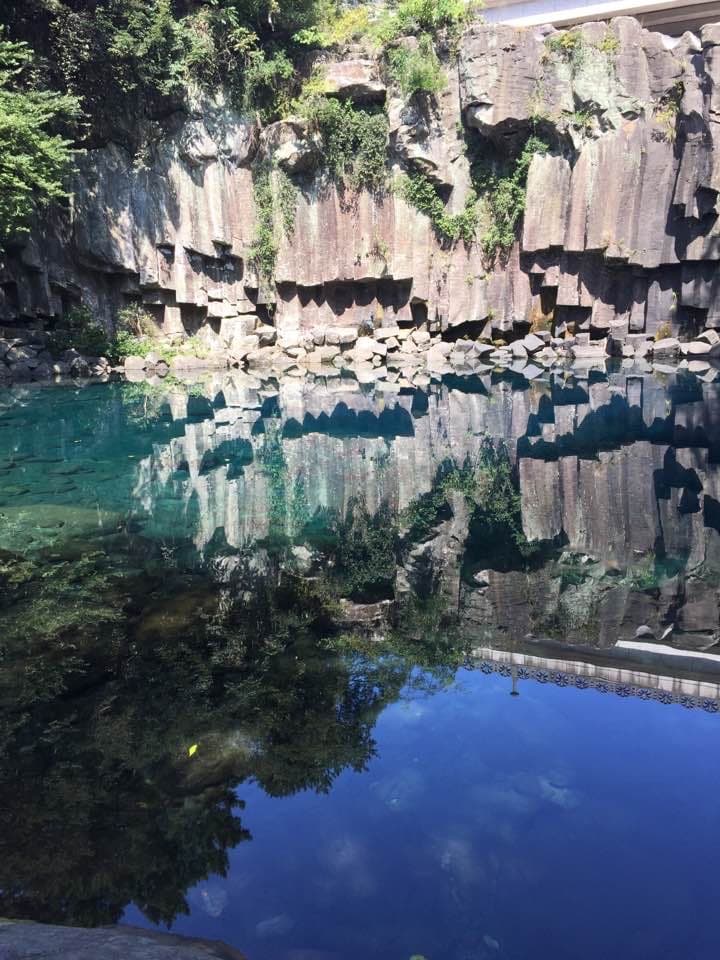
Jeju Island
Jordan's Best Preserved Roman City of Antiquity
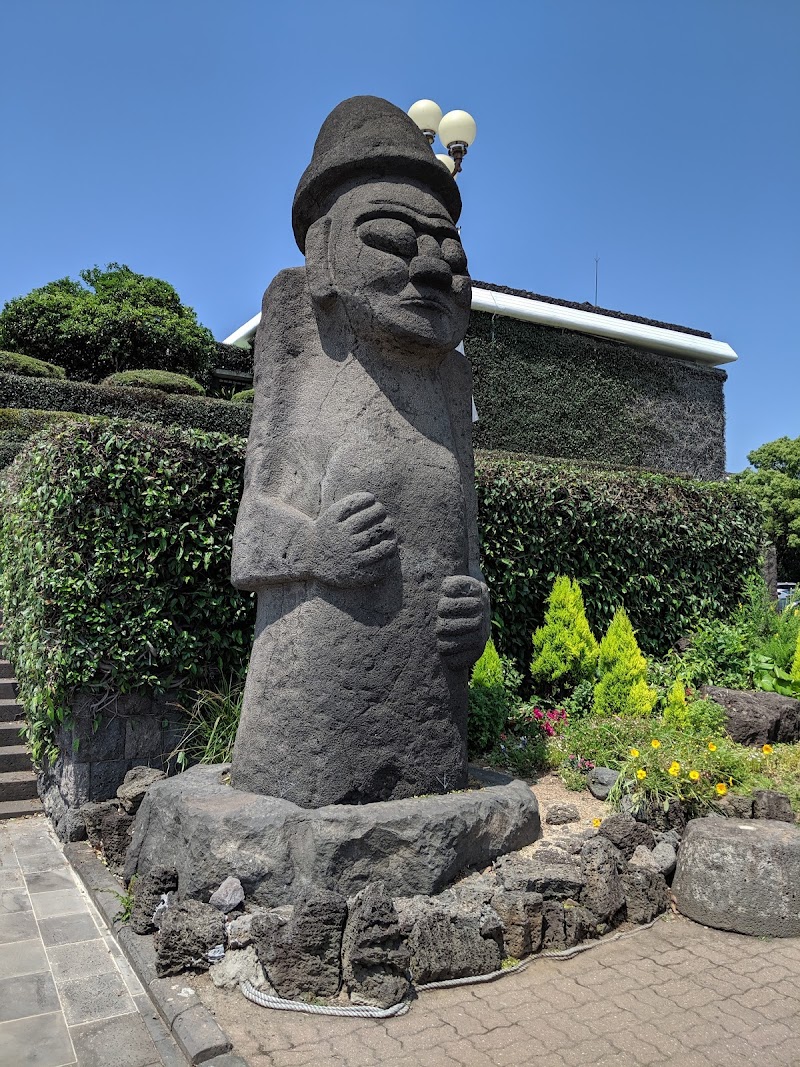
Jeju Island sits 85 kilometers off South Korea's southern coast like a volcanic emerald in the Korea Strait. This UNESCO World Heritage site trades Seoul's neon chaos for lava tube caves, black sand beaches, and tangerine groves that stretch toward Hallasan mountain. The island's 600,000 residents speak their own dialect and maintain traditions you won't find on the mainland. Women divers called haenyeo still free-dive for abalone at 70 years old. Stone grandfather statues called dol hareubang guard village entrances. And the island's volcanic landscape creates microclimates where subtropical plants grow alongside temperate forests. But here's what travel guides don't tell you: Jeju can feel touristy in summer, especially around Seongsan Ilchulbong crater. The real magic happens in spring when cherry blossoms bloom, or autumn when the crowds thin and hiking weather peaks.
Best Months
MAR · APR · MAY · SEP · OCT · NOV
~19°C · high crowds
Culture & Context
TRIPLE UNESCO CROWN
Jeju was an independent kingdom called Tamna until the 12th century, and that history of isolation shapes everything about how the island feels today — the dialect, the food, the social pace. UNESCO awarded it a rare triple crown: Biosphere Reserve in 2002, World Natural Heritage Site in 2007, and Global Geopark in 2010. It's the first place in the world to get all three.
Life here moves slower than Seoul. The island's culture is deeply tied to the sea and to Hallasan Mountain — a dormant 1,950-meter volcano that dominates the interior and influences everything from the weather to local spirituality. The haenyeo tradition of female free-diving has been practiced for generations. Those divers — gathering abalone, sea urchin, and seaweed without oxygen tanks — built a semi-matriarchal culture that's genuinely unusual in the broader Korean context. Fewer than 3,500 active haenyeo remain today, and most are over 60. The tradition is fading, and locals know it.
Food here is its own thing. Rice barely grows on Jeju's volcanic soil, so the traditional diet leaned on barley, millet, buckwheat, and saltwater fish. Black pork (from a specific native pig breed) is the island's signature protein, and black pork BBQ strips eaten with meljeot — salted anchovy paste that cuts the fat — is how you eat it properly. Galchi jorim (hairtail fish stew) and abalone porridge are the other things locals actually eat, not just sell to tourists.
Overtourism is a real and growing tension. Over 7 million visitors came in 2025. The island is beautiful and the locals are warm, but the warmth has conditions — and the conditions are increasingly being spelled out in multilingual etiquette guides distributed at airports. Respect for the environment and for local customs is not optional here.
Local Customs
RESPECT THE HAENYEO
The haenyeo — Jeju's famous female free-divers, most now in their 60s, 70s, or older — are cultural treasures, not a tourist performance. If you see them working the water near Seogwipo or Seongsan, observe from a respectful distance. Don't approach, photograph without asking, or treat them like a photo prop..
Littering is taken more seriously here than almost anywhere in Korea. Locals see keeping Jeju clean as a shared community responsibility. The Jeju Provincial Police now actively distribute multilingual etiquette notices and fine repeat offenders up to ₩200,000 (~$143).
Carry your trash until you find a bin.. Remove shoes before entering Korean homes, some traditional guesthouses, and places of worship. Many pension-style accommodations follow this rule — you'll see the cue at the entrance..
Tipping is not customary and can actually create awkward situations. Skip it at restaurants, taxis, and most hotels.. To beckon someone over, use a downward palm-facing hand gesture, not an upward pointing finger.
The upward-finger beckoning gesture reads as rude.. Don't plan a beach drinking session expecting a free-for-all. Moderate drinking is fine; causing a public disturbance is not, and police do patrol beaches, especially in summer..
Smoke only in designated smoking zones. Enforcement is active and fines apply.. If you have a Korean number (from a local SIM), Naver Maps works far better than Google Maps for navigation — especially on foot or by bus.
Google Maps walking directions are unreliable in Korea due to local data restrictions.. The Dolharubang — those squat, wide-nosed volcanic rock grandfather statues — are symbolic guardians of the island. There are only 45 original statues remaining across Jeju.
Don't climb them or use them as selfie props.. Jeju has its own dialect, Jejueo, which is distinct enough from standard Korean to be considered a separate language by UNESCO. It's endangered, and older locals are its keepers.
Even an attempt at a single Jejueo phrase goes a long way.
Safety
GENUINELY VERY SAFE
Jeju is genuinely safe. Crime rates are exceptionally low, even by South Korean standards. Solo female travelers report feeling comfortable here at any time of day or night. The main risks are practical, not criminal.
Hiking Hallasan deserves real preparation. Rangers close the upper trail sections by early afternoon — if you miss the cutoff, you don't reach the summit crater. Start Seongpanak or Gwaneumsa trails very early. Weather changes fast on the mountain, and the crater rim at Seongsan Ilchulbong gets cold and windy even in mild months. Pack layers regardless of what the forecast says.
Traffic is the other thing. Korean road safety is taken seriously, and jaywalking gets you a notice from police. Cross at pedestrian crossings.
For any medical or logistical emergency, dial 064-120 — the Jeju Integrated Call Center. They have interpreters and will connect you to medical services, tourism assistance, or whatever you need. An ENT visit at a local clinic recently cost one visitor $15, no insurance. Emergency care (119) is fast and impressively inexpensive.
ATMs are plentiful in Jeju City and Seogwipo. Go sparse in rural areas and on hiking trails. Woori and Citi ATMs at Jeju Airport work reliably with foreign cards.
Public WiFi is everywhere but use a VPN if you're doing any banking or work logins on open networks. On Hallasan's inland trails, expect signal to drop.
Getting Around
RENT A CAR
Look, the blunt truth: Jeju's public bus network exists, but it's a source of genuine frustration. Buses are color-coded (blue runs most frequently but stops everywhere; red is faster with fewer stops but comes once every one to two hours; green is local). English signage is thin outside the airport, Google Maps walking directions are unreliable in Korea, and waits can be long. The T-money card keeps fares down to $0.76/₩1,149 per ride.
A rental car is the actual answer. Budget ~$35/day. You need a booklet-style international driving permit obtained before leaving your home country, your passport, and your home country license. Book ahead, especially during Korean holidays and summer peak. Car rental desks are right at Jeju Airport.
Taxis work for shorter hops but get expensive fast on longer distances. Shared taxis are affordable for groups.
Flights to Jeju: The Seoul (Gimpo)-Jeju route is one of the busiest air corridors in the world — flights run constantly, and one-way domestic fares from Seoul average around $42. From Busan, expect ~$33. There's also a ferry from Busan (12 hours, ~$45) but no real reason to take it when flights are this cheap and frequent.
The Jeju Olle Trail (a network of coastal and inland walking routes) is best navigated by car between trailheads, then walking the sections. Don't try to bus between Olle trailheads — the logistics will eat your day.
Useful Phrases
Jeju Island Itineraries
View all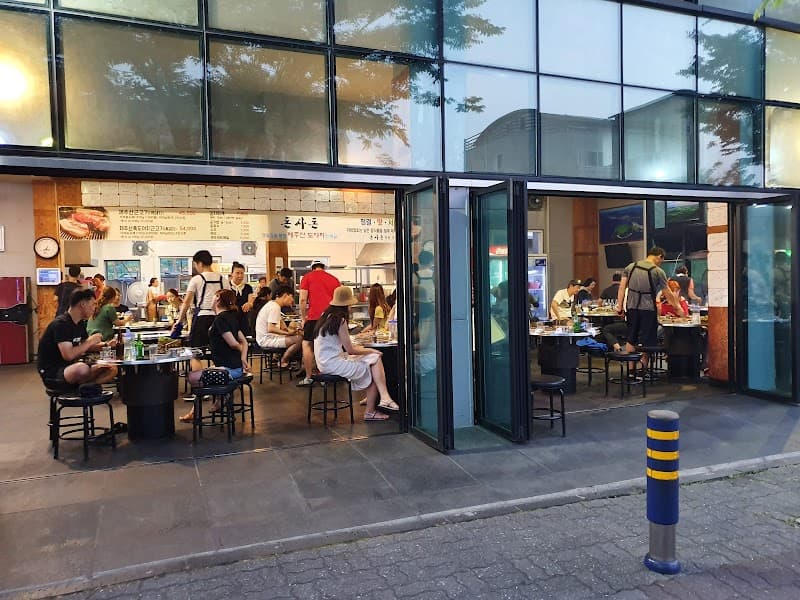
3 Days Eating and Exploring Jeju’s Coasts and Culture
Weekend · $$$
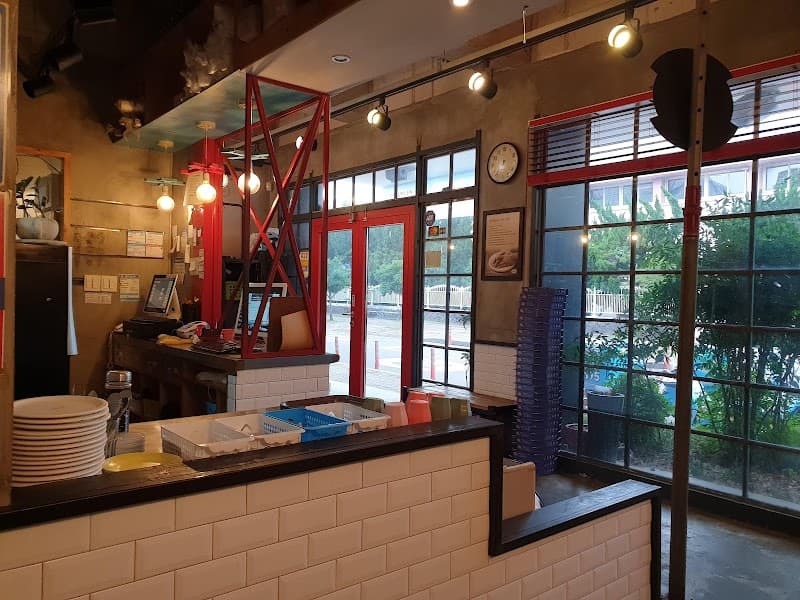
Jeju Island: Wild Coasts, Volcanic Trails, Easy Halal Picks
Week · $$$
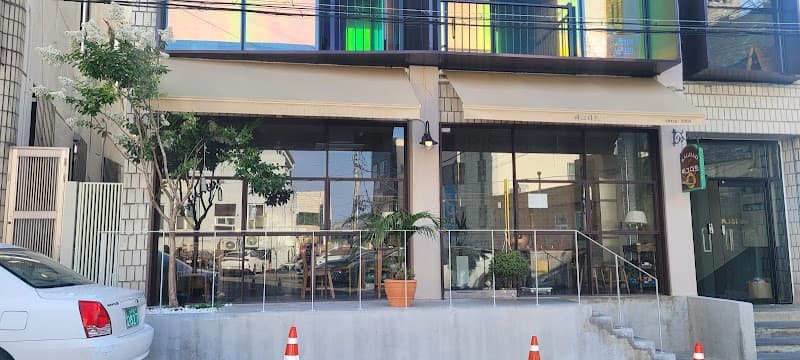
Jungle Wild Weekender: Three Days in Jeju Island
Weekend · $$$
Jeju Jungle Shores: A Relaxed 3-Day Island Escape
Day Trip · $$$
7 Days of Wild Romance on Jeju’s Jungle Coastlines
Week · $$$
Jeju Jungle Romance: 3 Days of Wild & Dreamy Coasts
Weekend · $$$
Things to Do in Jeju Island
Jeju Folklore & Natural History Museum
Jeju City · 90 min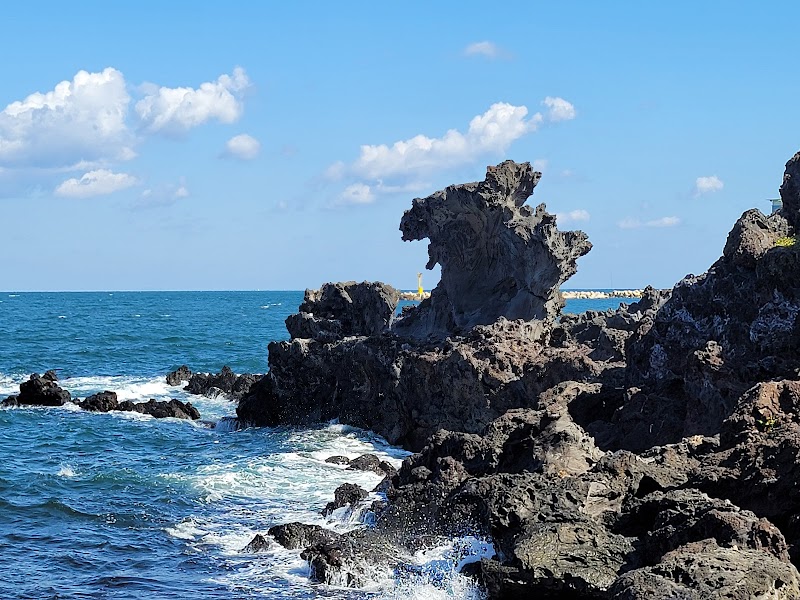
Yongduam Rock and Coastal Walk
Jeju City waterfront · 75 min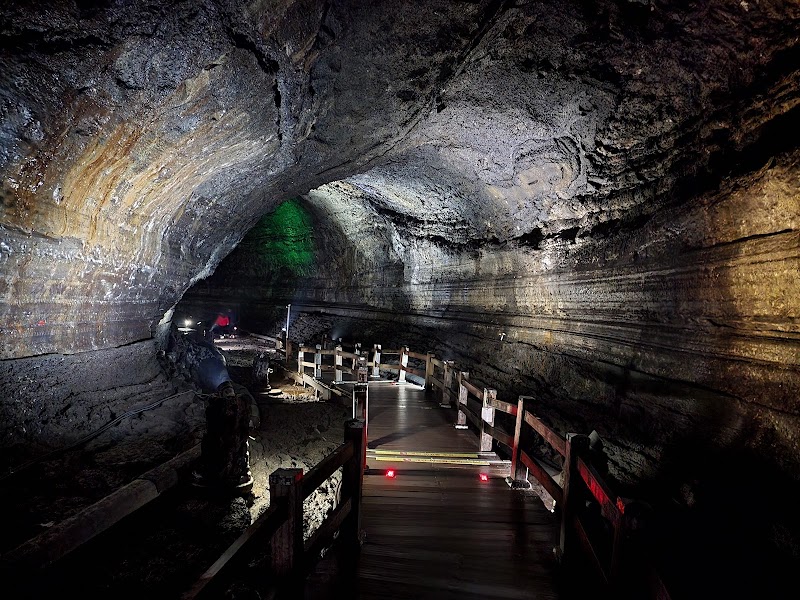
Manjanggul Lava Tube
East Jeju · 90 minMoney-Saving Tips
- 1.Book flights 2-3 months ahead for 30-40% savings, especially during peak seasons
- 2.Rent cars at the airport rather than downtown locations to save 20,000 won per day
- 3.Buy a Jeju Pass for 15,000 won - includes public transport and discounts at 50+ attractions
- 4.Shop at Dongmun Traditional Market instead of tourist areas for authentic prices on local products
- 5.Pack snacks and water for hiking - convenience stores near trailheads charge double
- 6.Book accommodations in Jeju City or Seogwipo rather than resort areas to cut lodging costs by half
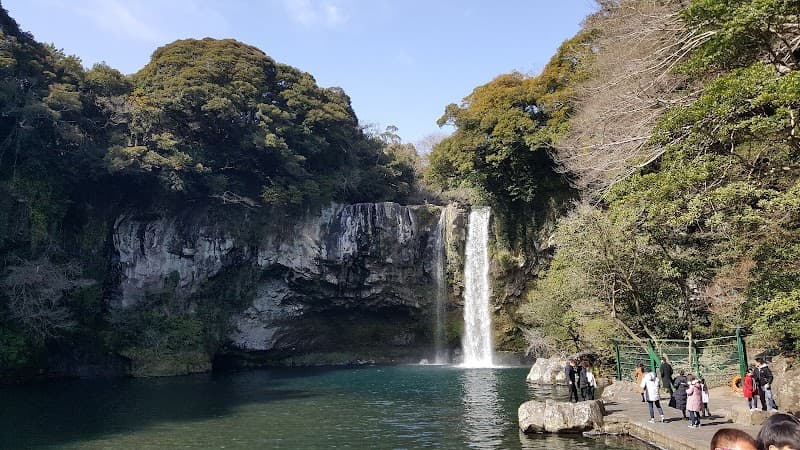
- 7.Visit free attractions like Yongduam Rock and Cheonjeyeon Falls instead of paid theme parks
- 8.Eat at local restaurants away from main tourist strips - meals cost 8,000-12,000 won vs 20,000+ at tourist spots
Travel Tips
- •Download Papago translation app - many signs and menus are Korean-only outside tourist areas
- •Bring layers year-round - coastal areas can be 10°C warmer than Hallasan mountain
- •Book popular restaurants in advance, especially for black pork and seafood spots
- •Start hiking Hallasan early (7am) to avoid afternoon clouds that block summit views
- •Rent a car with GPS - public transport to remote beaches and hiking trails is limited
- •Learn basic Korean phrases - locals appreciate the effort and are more helpful
- •Check weather before booking lava tube tours - some close during heavy rain
- •Bring reef-safe sunscreen - regular sunscreen damages Jeju's coral reefs around diving spots