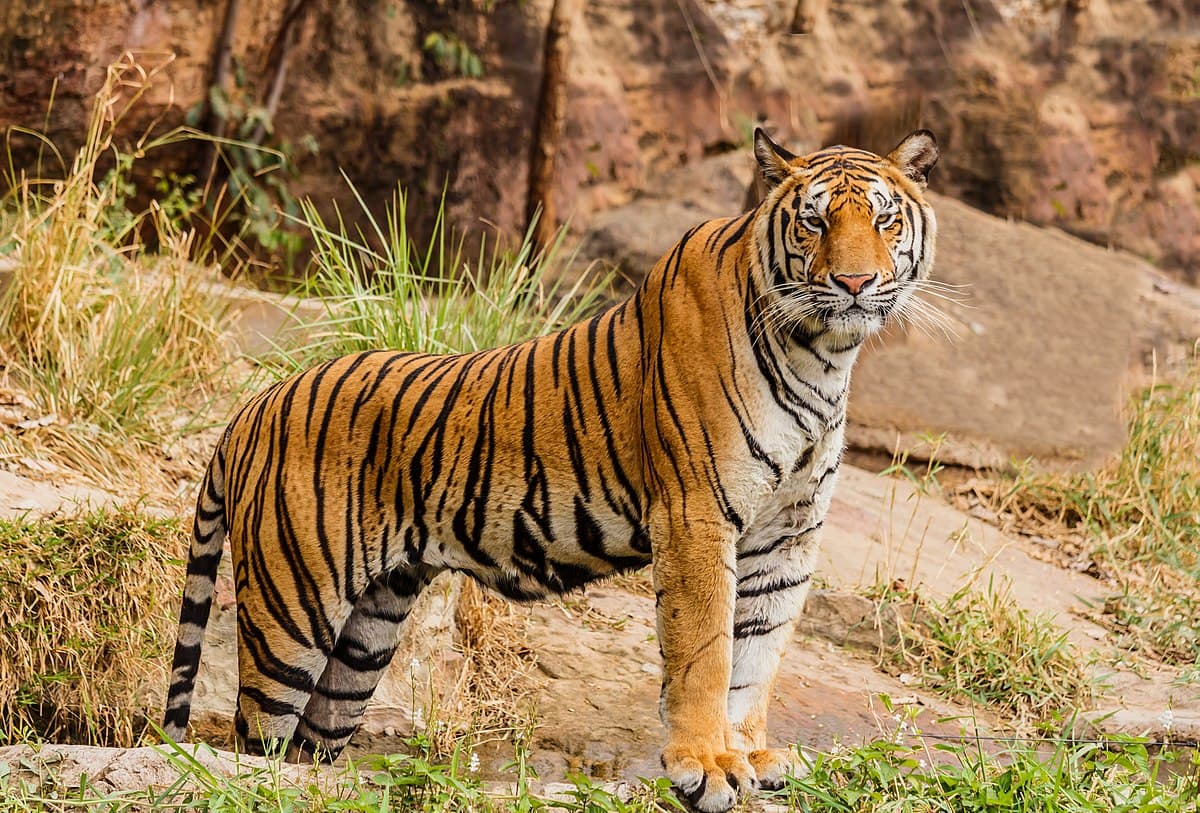
Jim Corbett National Park
India's oldest national park and premier tiger sanctuary
Jim Corbett National Park isn't just India's oldest national park — it's where Project Tiger began back in 1973. Named after the legendary hunter-turned-conservationist Jim Corbett, this 520-square-kilometer wilderness in Uttarakhand is your best shot at spotting Bengal tigers in their natural habitat. But here's the thing: it's not just about tigers. You'll find over 600 bird species, wild elephants, and leopards roaming through sal forests and grasslands. The park spans across the foothills of the Himalayas, where the Ramganga River cuts through creating diverse ecosystems. Look, it gets crowded during peak season, and tiger sightings aren't guaranteed. But when you're sitting in an open jeep at dawn, listening to langur alarm calls echo through the forest, you'll understand why this place has captivated wildlife enthusiasts for decades.
Itineraries coming soon
We're working on adding amazing itineraries for Jim Corbett National Park. In the meantime, try the app to create your own!
Money-Saving Tips
- 1.Book safari permits online yourself rather than through tour operators to save ₹500-1,000 per person in commission fees
- 2.Share a Gypsy with other travelers to split the ₹4,500 vehicle cost — most hotels can help arrange this
- 3.Pack your own snacks and water for safaris instead of buying overpriced items at park canteens
- 4.Stay in Ramnagar rather than luxury resorts outside the park to save ₹5,000-10,000 per night
- 5.Visit during shoulder season (November or April) when accommodation rates are 30-40% lower than peak winter months
- 6.Bring your own binoculars instead of renting park equipment for ₹200 per safari
- 7.Book multiple safaris in less popular zones like Sonanadi or Durga Devi for better availability and lower crowds
Travel Tips
- •Download offline maps before entering the park as mobile network coverage is spotty in most zones
- •Carry a portable phone charger since safari vehicles don't have charging ports and you'll be taking lots of photos
- •Book morning safaris over evening ones for better wildlife sighting chances — animals are more active at dawn
- •Learn basic animal tracking signs from your guide to spot pugmarks, scratch marks, and scat for better wildlife encounters
- •Respect the 20-meter distance rule from all animals — getting closer can result in immediate safari termination
- •Bring a dust mask or bandana as safari routes can be extremely dusty, especially during dry season
- •Check the park's official website for zone closures before traveling as sections close periodically for maintenance
Frequently Asked Questions
Explore Jim Corbett National Park
Ready to explore Jim Corbett National Park?
Get a personalized itinerary in seconds with Takeoff.
Free on iOS. No credit card required.