Kansai
Japan's cultural powerhouse blending ancient traditions with modern innovation
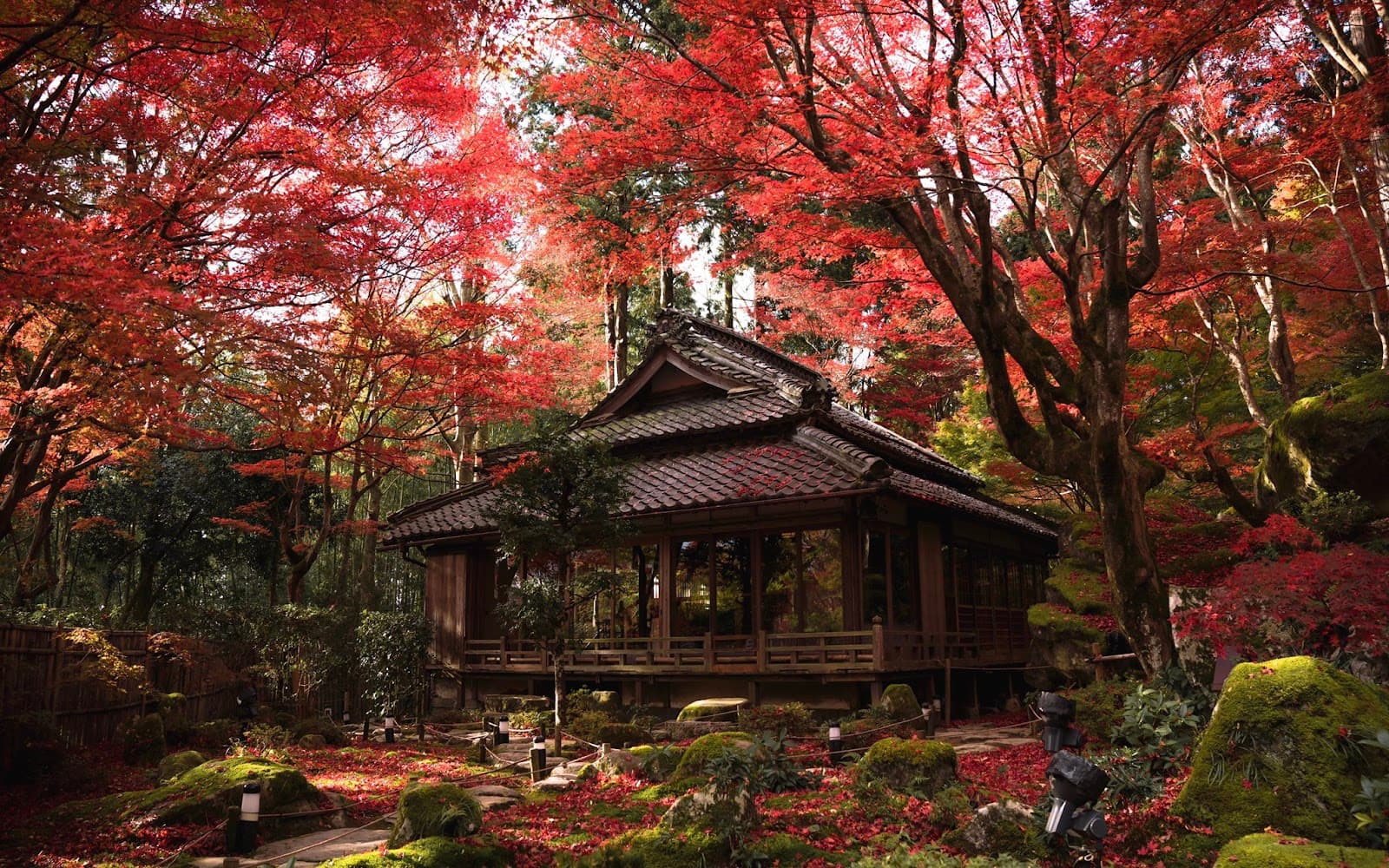
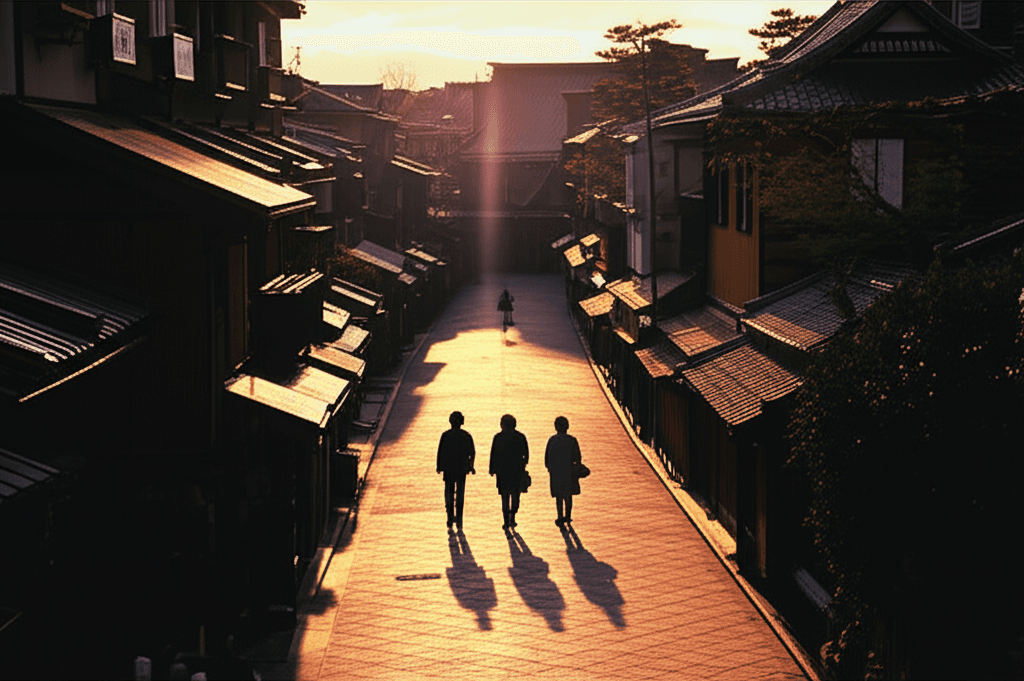
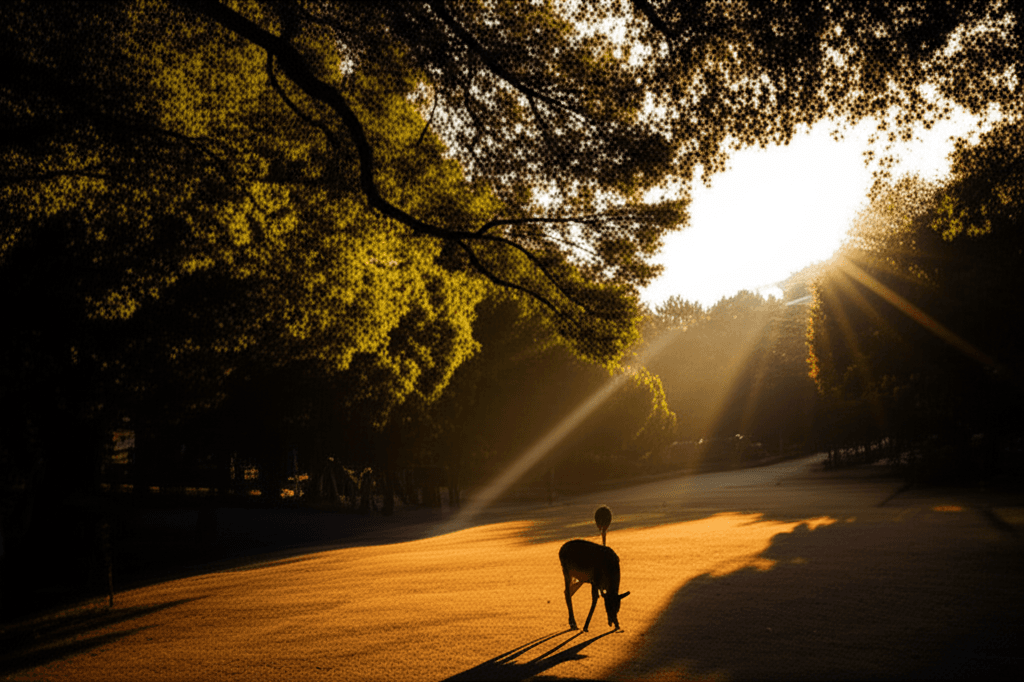
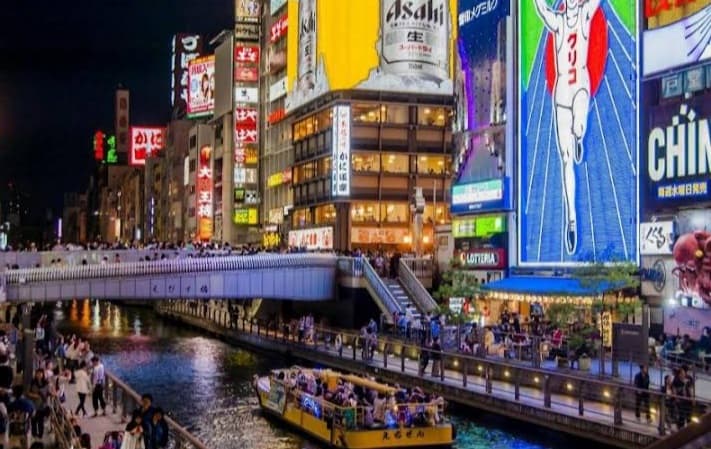
Kansai isn't just another region in Japan - it's where the country's soul lives. This is where you'll find Kyoto's 2,000 temples sitting next to Osaka's neon-lit food stalls, where thousand-year-old shrines share neighborhoods with cutting-edge art galleries. The region stretches across six prefectures, but most travelers focus on the golden triangle: Kyoto, Osaka, and Nara. Each city brings something different to the table. Kyoto serves up tradition with a side of Instagram-worthy bamboo groves. Osaka delivers the best street food in Japan (fight me). And Nara? Well, Nara has deer that bow for crackers. But here's what guidebooks won't tell you: Kansai moves at its own pace. People here take time to chat with shopkeepers, linger over meals, and actually stop to appreciate cherry blossoms instead of just photographing them. The Kansai dialect even sounds more relaxed than Tokyo's rapid-fire Japanese. Sure, you could hit the major temples and call it done. But spend a week here, and you'll understand why many travelers never want to leave.
Explore the Region
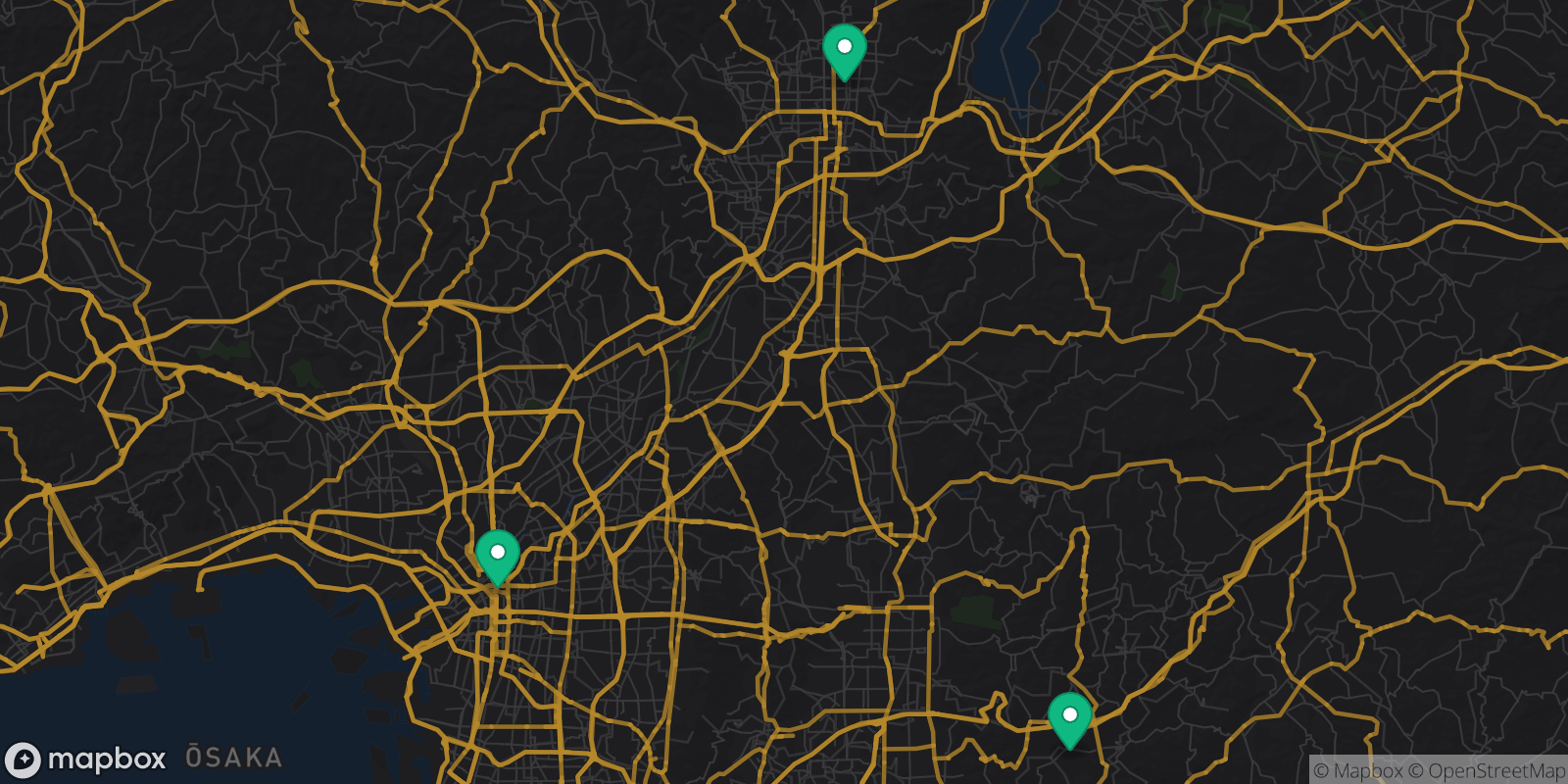
Kansai Itineraries
View all
Kyoto Culture Quest: Temples, Art & Flavors
Weekend · $$$
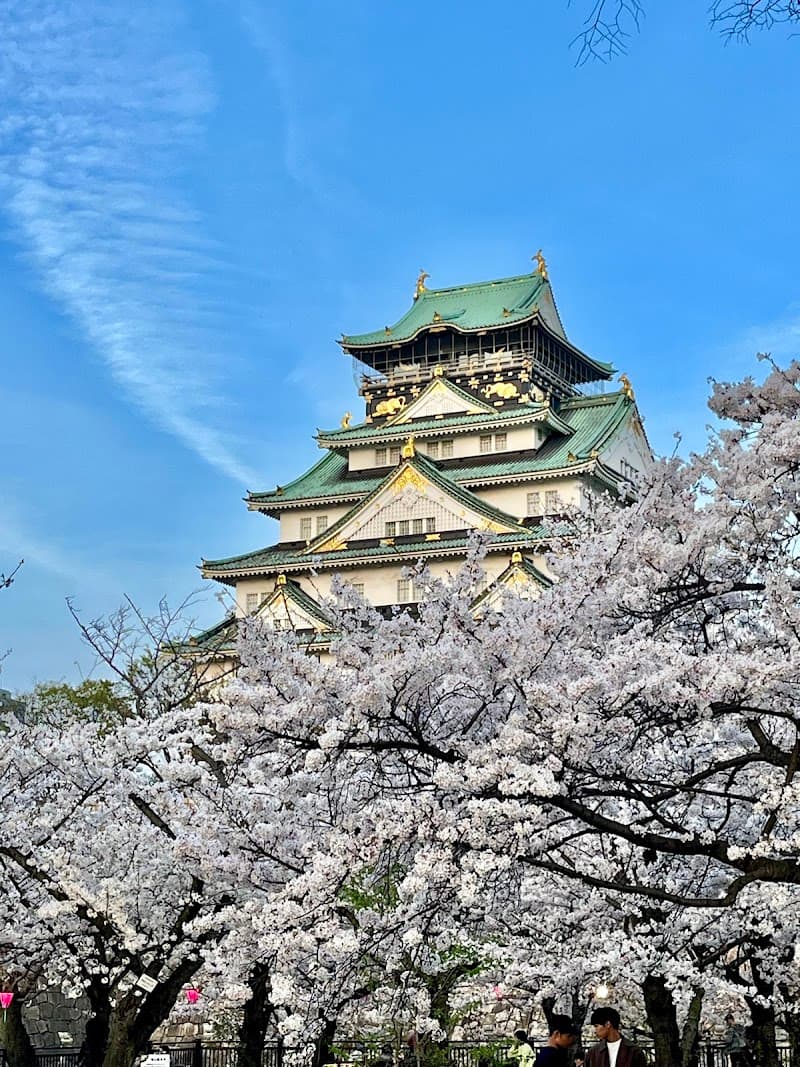
Osaka Slow Adventure: Temples, Takoyaki & Tranquil Trails
Week · $$$
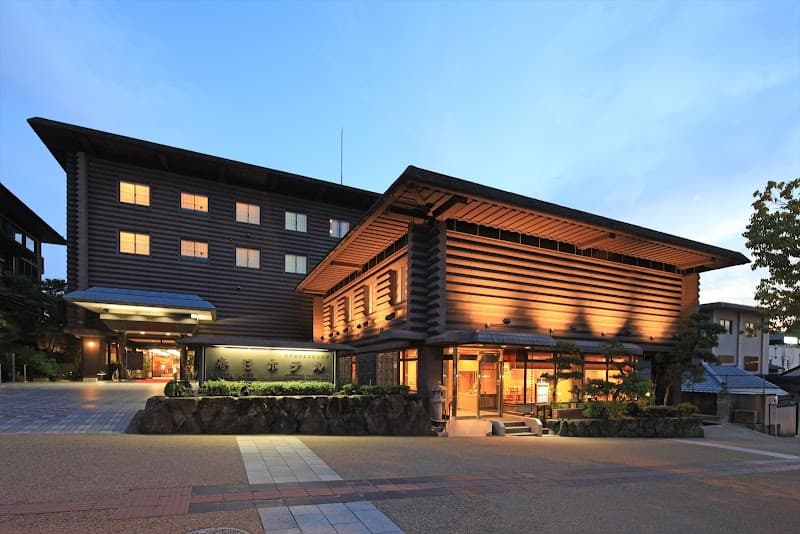
Nara Romantic Escape: Ancient Temples & Kaiseki Dreams
Weekend · $$$$
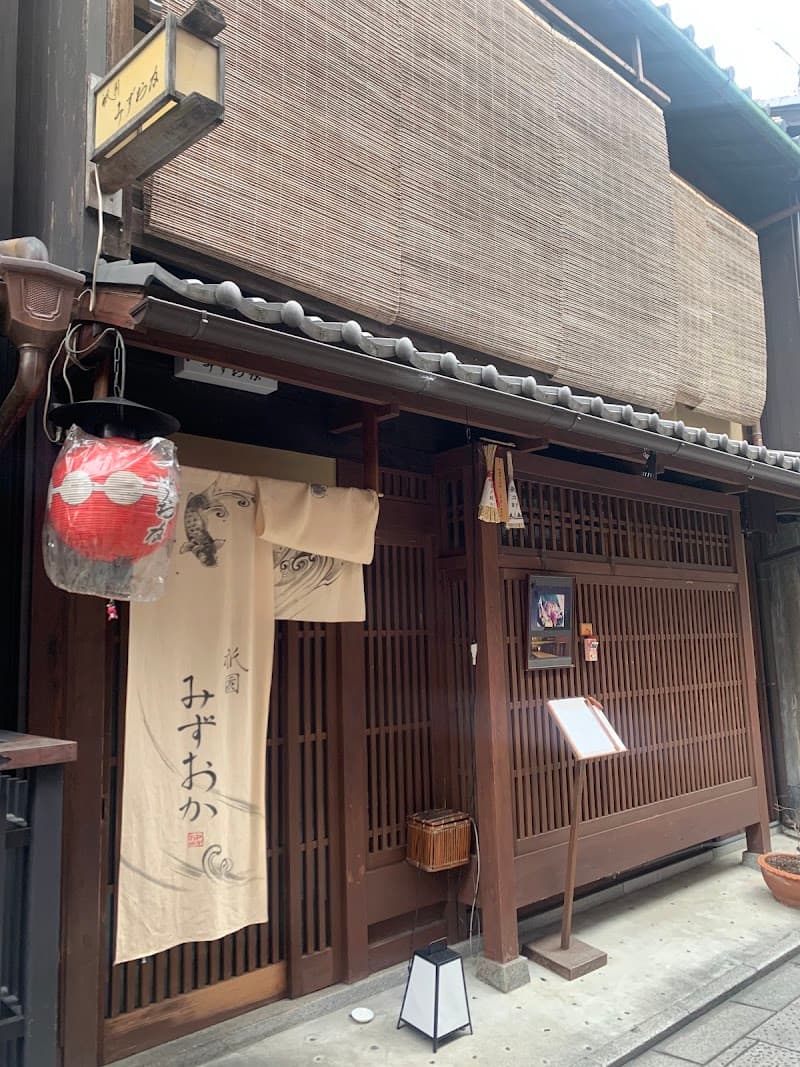
Kyoto Family Heritage: A Perfect Blend of Culture and Cuisine
Weekend · $$$$
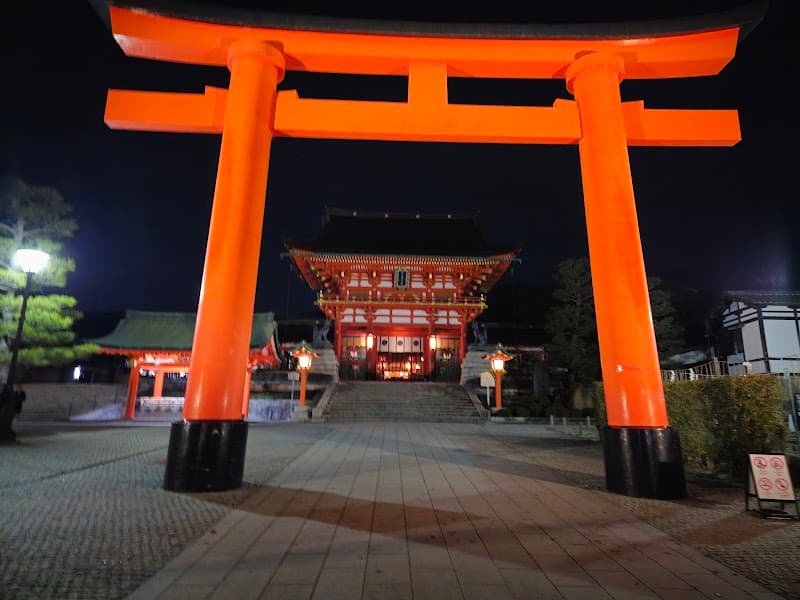
Luxurious Family Weekend in Kyoto: Temples, Traditions & Treasures
Weekend · $$$$$
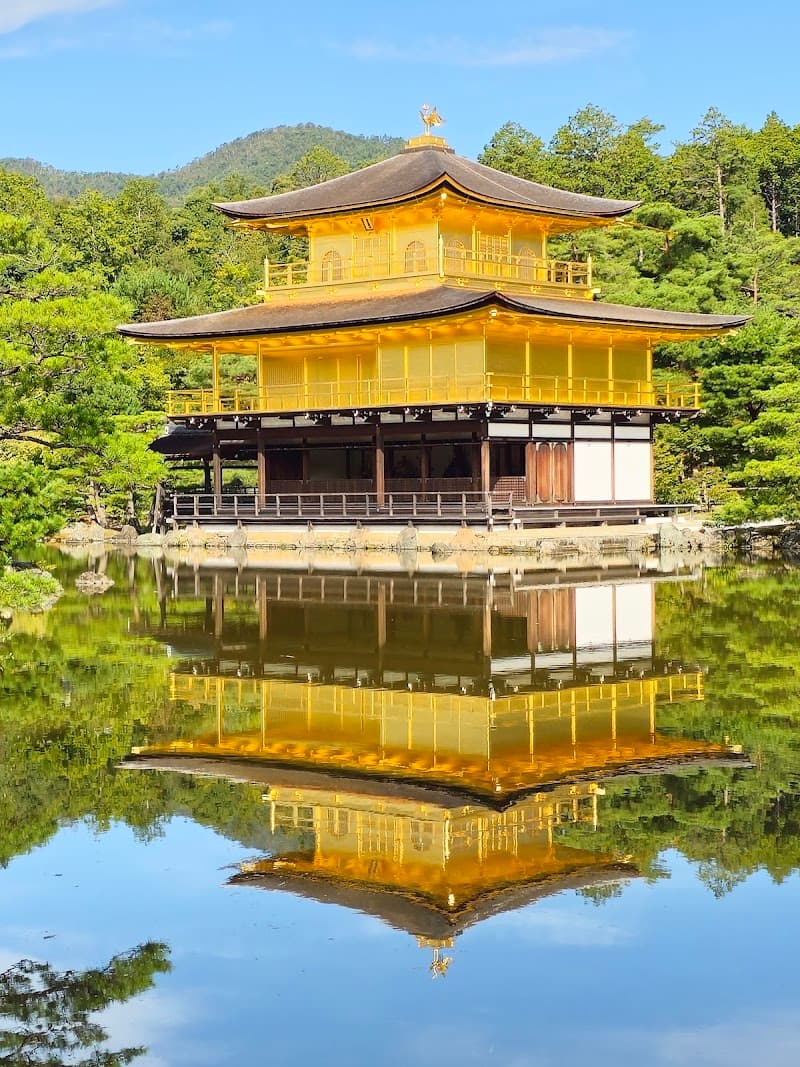
Luxurious Kyoto Weekend: Temples, Kaiseki & Serenity
Weekend · $$$$
Money-Saving Tips
- 1.Buy a Kansai Thru Pass (¥4,380 for 2 days) instead of individual train tickets - it covers all private railways and saves ¥2,000+ on a typical itinerary
- 2.Eat lunch at department store restaurant floors (8-14F) for high-quality meals at half the dinner price - sets start at ¥1,200
- 3.Temple admission fees add up fast (¥300-600 each) - prioritize 3-4 must-sees over temple-hopping everything
- 4.Stay in Osaka and day-trip to Kyoto/Nara - Osaka hotels cost 30% less than Kyoto with better food options nearby
- 5.Download the Hyperdia app for train schedules and prices - helps you choose the cheapest route between multiple railway companies
- 6.Many temples offer free areas outside the paid sections - you can see Kinkaku-ji's golden pavilion from the free viewing area
- 7.Convenience store meals (¥300-500) beat tourist restaurant prices without sacrificing quality - 7-Eleven's karaage chicken rivals many restaurants
Travel Tips
- •Learn basic bowing etiquette for Nara's deer - they expect it before giving you crackers and can get pushy if you don't follow protocol
- •Carry cash everywhere - many temples, local restaurants, and even some train stations don't accept cards
- •Download Google Translate's camera feature - point it at Japanese menus for instant translation
- •Remove shoes at temple buildings and some restaurants - wear slip-on shoes and decent socks to avoid embarrassment
- •Book popular restaurants in advance through your hotel - many don't take walk-ins, especially kaiseki places in Kyoto
- •Avoid rush hours (7-9 AM, 5-7 PM) on trains - carriages get packed beyond comfort, especially on the Osaka-Kyoto route
- •Bring a portable phone charger - you'll use maps, translation apps, and camera constantly, draining battery fast
- •Learn the difference between temples (Buddhist) and shrines (Shinto) - different etiquette applies at each
Frequently Asked Questions
Explore Kansai
Ready to explore Kansai?
Get a personalized itinerary in seconds with Takeoff.
Free on iOS. No credit card required.