Kepler Track
New Zealand's spectacular alpine lake and ridge walk
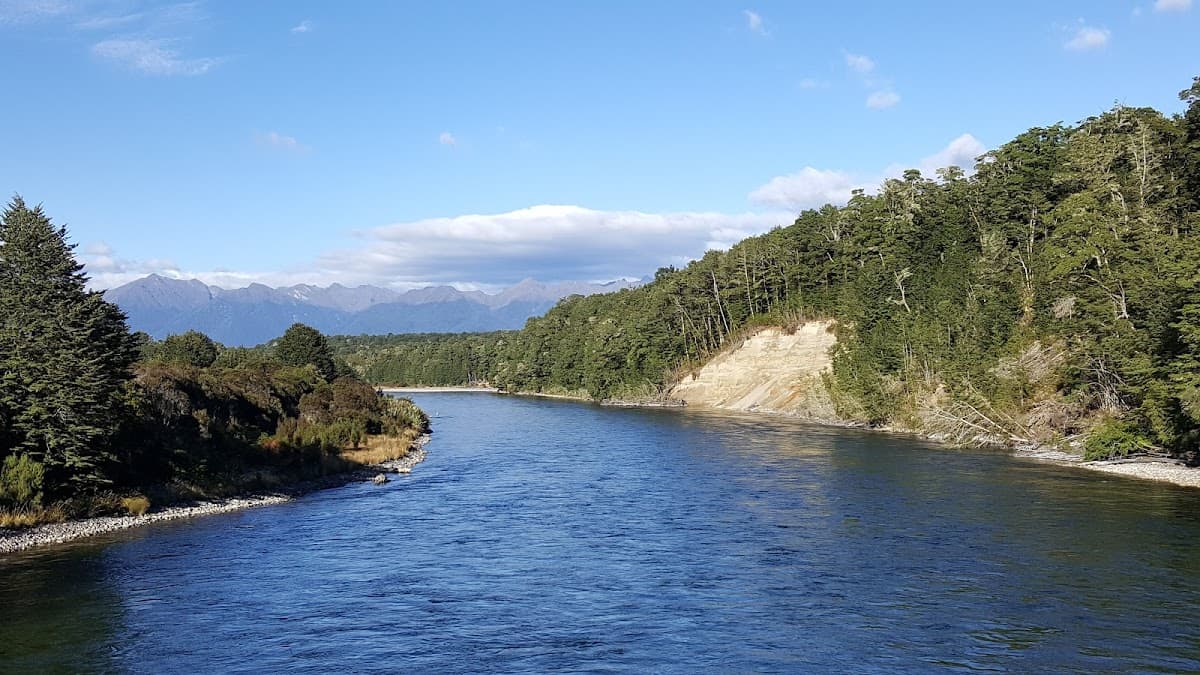
The Kepler Track cuts a 60-kilometer loop through some of New Zealand's most dramatic terrain. You'll cross alpine ridges with views that stretch to the Southern Alps, walk beside the mirror-still waters of Lake Te Anau, and spend nights in mountain huts perched above the treeline. This isn't your average day hike. It's a four-day commitment that rewards you with golden tussock grasslands, native bird calls echoing through beech forests, and that particular kind of silence you only find in Fiordland. The track can be brutal - weather changes in minutes up on Luxmore Ridge, and your legs will feel every one of those 1,400 meters of elevation gain. But here's what makes it special: unlike the more famous Milford Track, you can actually book this one without selling a kidney or planning two years ahead.
Culture & Context
The Kepler Track sits entirely within Te Wāhipounamu, the South West New Zealand World Heritage Area.
Unlike most of New Zealand's other Great Walks, which evolved from Māori greenstone trails or early European explorer routes, the Kepler was purpose-built. It opened in February 1988 as part of New Zealand's national park centennial celebrations, carefully designed to showcase the full variety of Fiordland: moss-draped beech forest, alpine ridgelines, limestone formations, and glacial lakes.
The Kepler Mountains were named after 17th-century German astronomer Johannes Kepler by surveyor James McKerrow. The region holds deep significance for Māori, who traveled through Fiordland harvesting tītī (muttonbirds), kākāpō, and kea, and collecting pounamu (greenstone) from remote valleys. Today the area is co-governed and the use of Te Reo Māori place names is growing.
The conservation work here is serious: DOC actively manages predator trapping networks to protect species like the takahē (declared extinct for almost 50 years before being rediscovered in 1948) and the Fiordland kiwi (tokoeka). Hut fees go directly to DOC's conservation budget. Kea — New Zealand's cheeky, highly intelligent alpine parrot — are endangered and frequently encountered at Luxmore Hut.
Never feed them. They will try to dismantle your tent, pack, and anything colorful.
Local Customs
Call it 'tramping', not hiking.
Every New Zealander will correct you if you say hiking, and they won't let it go.. Hut etiquette is real.
Noise after 9–10pm gets you serious side-eye. Everyone's up early and your fellow trampers will not find it funny.. Sign the hut book when you arrive.
It's part safety protocol, part social tradition — wardens use it to check everyone's accounted for.. Never feed kea, the cheeky alpine parrots at Luxmore Hut. They're endangered and they're smart enough to rip holes in your pack if you leave it unattended.
Keep all food, bright objects, and gear secured.. Carry your rubbish out. There are no bins on the track.
Zero.. Check, Clean, Dry your gear before entering waterways. Didymo (an invasive alga) is present in Lake Te Anau, Lake Manapouri, and the Waiau River.
DOC takes this seriously.. Always check in at the Fiordland National Park Visitor Centre in Te Anau before you start, especially out of season. Let someone know your plan..
Tipping is not expected or customary in New Zealand restaurants, bars, or transport. If the service is genuinely exceptional, a small tip is appreciated but never required.. The local supermarket, FreshChoice, is the main place to stock up on supplies.
It's on the main street in Te Anau and open 7am to 9pm, seven days. Don't leave it to the morning of your start.
Safety
The Kepler Track demands genuine respect.
Fiordland gets up to 9,000mm of rainfall per year in the mountains and the weather can flip from calm to dangerous in under an hour — even in summer. The alpine section (Luxmore Hut to Iris Burn Hut) sits above 1,400m for a considerable distance along fully exposed ridgelines.
Wind strong enough to knock people over is not unusual. In winter (May–October), the track is in a different category entirely: there are 9 documented avalanche paths crossing the track, most with potential to reach the trail. The alpine section is unmarked under snow.
Outside of Great Walks season, only experienced alpine trampers with avalanche transceivers, probes, shovels, river-crossing skills, and solid navigation ability should attempt the full route. Always check in at the Fiordland National Park Visitor Centre before departure and register your intentions. Carry a PLB (Personal Locator Beacon) — rentable in Te Anau.
Hut wardens during Great Walks season are an excellent real-time weather resource: ask them before crossing the ridge. Camping is only permitted at designated campsites (Brod Bay and Iris Burn). Kea will destroy unattended tents and gear.
Car break-ins at the Control Gates car park do occasionally happen — leave valuables at your accommodation in Te Anau. The track is not recommended for children under 10 due to the exposed alpine environment.
Getting Around
The track starts and ends near Te Anau, which is a 2-hour drive from Queenstown Airport (172km).
Rental cars available at Queenstown — book early in peak season. There is no airport in Te Anau.
By bus: InterCity and other operators run Queenstown–Te Anau daily services. Once in Te Anau, the Kepler Track car park is 5km away (5-minute drive or a 50-minute walk along the lakefront). During Great Walks season (late October–late April), shuttle buses run daily between Te Anau and both track entry/exit points (Control Gates and Rainbow Reach).
Shuttle fares start from around NZ$60. Water taxi: Fiordland Outdoors runs a daily scheduled service across Lake Te Anau to Brod Bay (NZ$30–50 one-way per adult, ~NZ$30 per child). The journey takes 10 minutes and cuts 5.
6km of flat lakeside walking off the start of the track. You can book one-way in or out, or use it as a return trip on a day hike. Outside Great Walks season, transport options reduce significantly and some operators stop running entirely if minimum passenger numbers aren't reached.
Self-driving is the most reliable option in shoulder and winter seasons.
Useful Phrases
Itineraries coming soon
We're working on adding amazing itineraries for Kepler Track. In the meantime, try the app to create your own!
Money-Saving Tips
- 1.Book huts directly through DOC website to avoid booking fees from third-party sites
- 2.Buy groceries in Te Anau before starting - hut shops are limited and expensive
- 3.Consider the Real Journeys water taxi to skip the first lakeside section and save a day
- 4.Pack your own lunch foods rather than buying expensive trail meals
- 5.Rent gear in Te Anau if flying in - shipping hiking boots internationally gets costly
- 6.Book accommodation in Te Anau well ahead during summer - prices spike when rooms get scarce
Travel Tips
- •Download offline maps to your phone - GPS works even without cell service
- •Start early on ridge day to beat afternoon weather and get the best photos
- •Pack toilet paper and hand sanitizer - hut supplies run out frequently
- •Bring a deck of cards for rainy hut evenings - makes instant friends
- •Check the weather forecast at every hut and be flexible with rest days
- •Wear gaiters to keep stones and mud out of your boots
- •Carry emergency shelter even though it's a hut track - ridge weather changes fast
- •Book your return transport from Te Anau before you leave - buses fill up
Frequently Asked Questions
Explore Kepler Track
BUILD YOUR
KEPLER TRACK PLAN
Insider picks, smart timing, and a plan ready when you are.
Start Planning