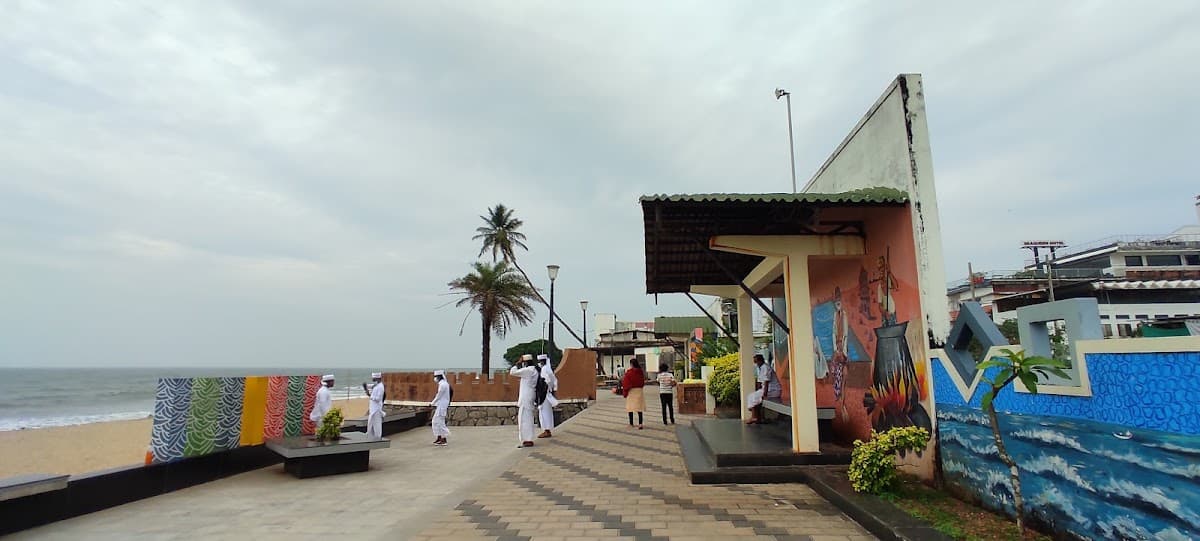
Kerala
God's Own Country of backwaters and spice gardens
Kerala earns its nickname "God's Own Country" honestly. This sliver of southwestern India delivers coconut-fringed backwaters, mist-covered tea plantations, and spice gardens that smell like your grandmother's kitchen cabinet exploded in the best possible way. You'll drift through Alleppey's canals on a converted rice barge, wake up to monkeys chattering outside your treehouse in Thekkady, and get pummeled by expert hands during an Ayurvedic massage in Kovalam. The food hits different here too - fish curry that makes your eyes water, appam bread that's crispy on the edges and pillowy in the center, and coconut everything. But here's what surprised me: Kerala moves at its own pace. Buses run on "Kerala time" (add 30 minutes to any schedule), and that's exactly what makes it magical.
Itineraries coming soon
We're working on adding amazing itineraries for Kerala. In the meantime, try the app to create your own!
Money-Saving Tips
- 1.Book houseboats directly with operators in Alleppey's boat jetty area - you'll pay 3000-4000 rupees instead of 8000+ through hotels
- 2.Eat at local homes offering 'meals' (thali-style lunches) for 80-150 rupees instead of tourist restaurants charging 400+ for the same dishes
- 3.Take state buses between cities - a 4-hour journey costs 200 rupees vs 2000+ for private taxis
- 4.Buy spices directly from plantations in Thekkady or Munnar - cardamom costs 1500 rupees per kg vs 3000+ in Kochi's tourist shops
- 5.Stay in homestays over resorts - family-run places charge 1500-2500 rupees with meals included and better local insights
Travel Tips
- •Pack light cotton clothes and a good rain jacket - Kerala's humidity makes synthetic fabrics unbearable
- •Download offline maps before heading to backwater villages - cell service gets spotty away from main towns
- •Book Ayurvedic treatments at government-certified centers to avoid tourist trap 'spas' with questionable practices
- •Carry cash - many local boats, buses, and small restaurants don't accept cards, and ATMs can be scarce in remote areas
- •Learn basic Malayalam greetings like 'namaskaram' - locals appreciate the effort and become much more helpful
- •Bring mosquito repellent and long sleeves for evening boat rides - backwater mosquitoes are relentless after sunset
Frequently Asked Questions
Explore Kerala
Ready to explore Kerala?
Get a personalized itinerary in seconds with Takeoff.
Free on iOS. No credit card required.