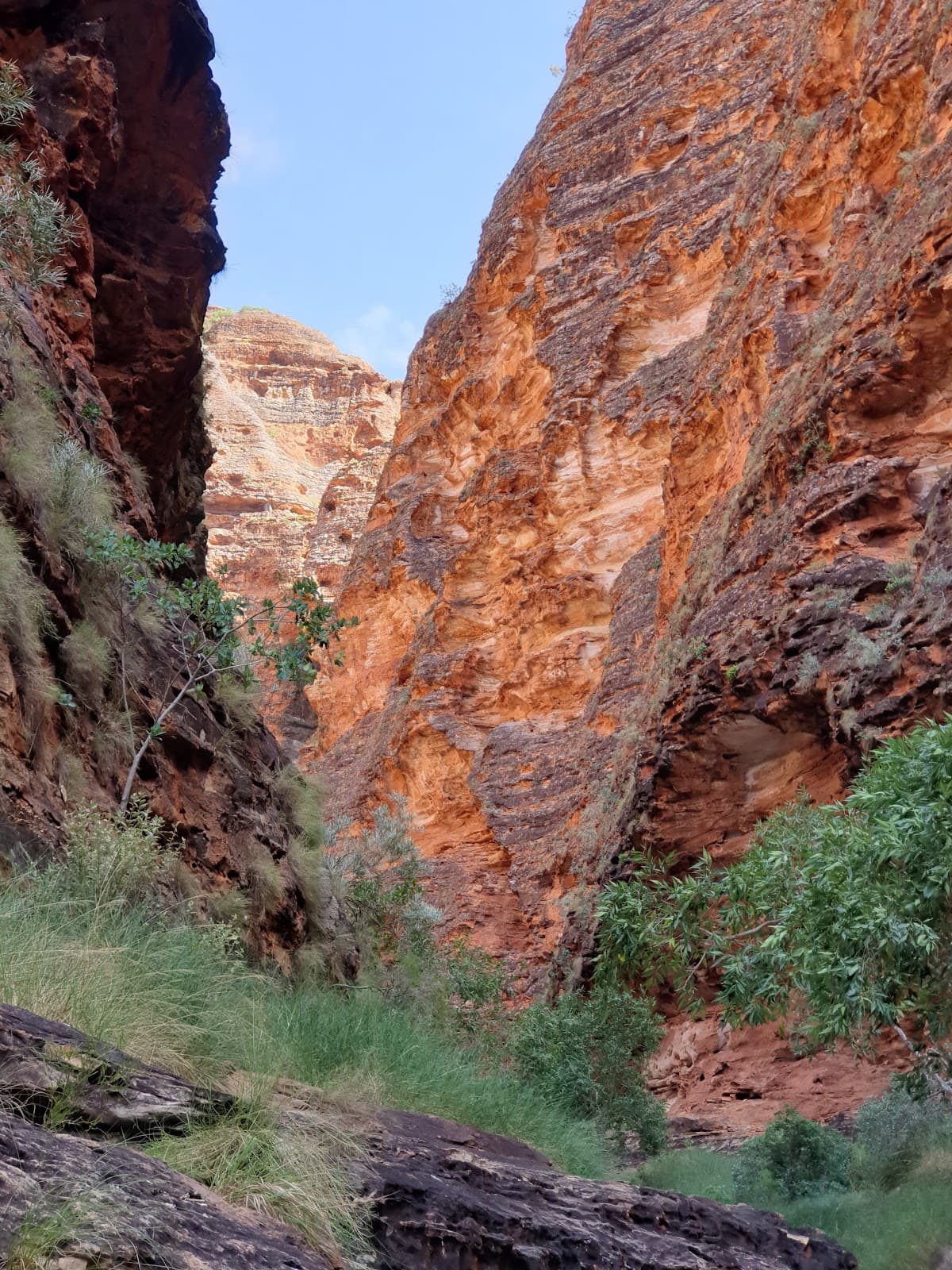
Kimberley
Australia's last frontier of rugged wilderness beauty
The Kimberley isn't just remote—it's a different planet. This northwestern chunk of Australia covers 400,000 square kilometers of red earth, ancient gorges, and landscapes that look like Mars had a baby with Jurassic Park. You'll drive for hours without seeing another soul, then stumble upon 40,000-year-old rock art that makes the pyramids look modern.
Here's the thing: the Kimberley doesn't do easy. Roads flood out for months. Towns run out of fuel. Your phone becomes a paperweight. But that's exactly why it matters. This is Australia before tourism boards and Instagram filters—raw, honest, and completely indifferent to your comfort zone.
Itineraries coming soon
We're working on adding amazing itineraries for Kimberley. In the meantime, try the app to create your own!
Money-Saving Tips
- 1.Fuel costs 20-30% more than city prices - fill up in major towns like Broome and Kununurra
- 2.Camping saves huge money - many gorges have basic campsites for $10-15 per night
- 3.Shop for groceries in Broome or Kununurra before heading into remote areas - small town prices are brutal
- 4.Book accommodation 6 months ahead for dry season to avoid premium last-minute rates
- 5.Consider scenic flights over Bungle Bungles ($400) instead of expensive multi-day 4WD tours ($2000+)
- 6.Pack your own snacks and water - roadhouse prices will shock you
- 7.Choose self-drive over guided tours - rental 4WD for a week costs less than 3-day tour
- 8.Visit in shoulder season (April-May, September) for 30-40% lower accommodation rates
Travel Tips
- •Carry 4 liters of water per person per day minimum - dehydration happens fast in the outback
- •Download offline maps before leaving major towns - phone coverage is patchy to nonexistent
- •Pack a first aid kit and know basic bush medicine - nearest hospital might be 500km away
- •Tell someone your exact route and expected return - search and rescue needs details
- •Bring spare tires (2 minimum) and know how to change them on rocky terrain
- •Respect Aboriginal sacred sites - many areas are off-limits and penalties are severe
- •Check road conditions daily during wet season - rivers can rise meters in hours
- •Pack warm clothes for winter nights - temperatures drop to 5°C in the desert
- •Bring cash - many remote fuel stops don't accept cards
- •Start drives early morning to avoid afternoon heat and better wildlife spotting
Frequently Asked Questions
Explore Kimberley
Ready to explore Kimberley?
Get a personalized itinerary in seconds with Takeoff.
Free on iOS. No credit card required.