SUBREGION GUIDE
Lake Titicaca
Sacred waters of the Inca at breathtaking Andean altitude
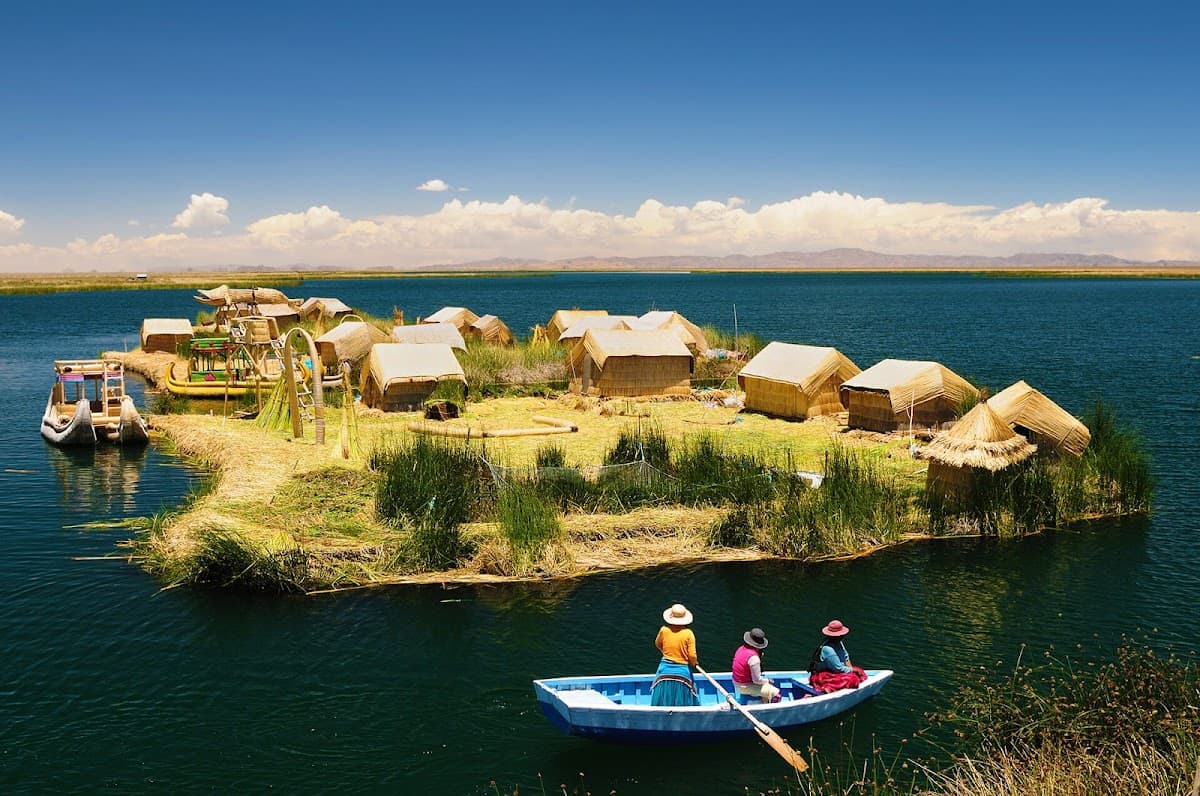
At 12,507 feet above sea level, Lake Titicaca sits like a blue mirror between Bolivia and Peru, reflecting snow-capped peaks and centuries of indigenous culture. This isn't your typical lake getaway. Here, the Uros people have lived on floating reed islands for over 500 years, and every sunrise feels sacred in the thin mountain air. The water is so clear you can see 30 feet down, and the silence so profound it makes you whisper.
Lake Titicaca sprawls across 3,200 square miles of high-altitude plateau, straddling the Bolivia-Peru border like a massive puddle left by the gods. At nearly 13,000 feet elevation, it's the world's highest navigable lake, and your lungs will remind you of that fact every step you take.
The lake splits into two main sections connected by the Strait of Tiquina. The larger northern basin holds most of the famous islands - Isla del Sol, Isla de la Luna, and the floating Uros islands. The southern basin stays quieter, perfect if crowds aren't your thing.
But here's what guidebooks don't tell you: the lake's elevation means weather changes fast. One minute you're basking in intense Andean sun, the next you're scrambling for a jacket as clouds roll in. The air is so thin that a simple walk feels like a workout, and altitude sickness hits about 40% of visitors in their first day.
Money-Saving Tips
- 1.Bring small bills - many island vendors can't break anything larger than 20 soles
- 2.Bolivian side is consistently 30-40% cheaper for food and accommodation
- 3.Negotiate boat tours in Puno - initial prices are always 50% higher than you'll actually pay
- 4.ATMs in Copacabana often run out of cash on weekends - stock up on Friday
- 5.Entry fees to Isla del Sol are collected in cash only - 30 bolivianos per person
Travel Tips
- •Arrive 2-3 days early to acclimatize - altitude sickness is real and ruins trips
- •Pack sun protection religiously - UV rays are 25% stronger at this elevation
- •Bring a good headlamp - most island accommodations have limited electricity
- •Download offline maps - cell service is spotty on most islands
- •Learn basic Spanish or Quechua phrases - English is rare outside main tourist areas
- •Pack warm layers for evening - temperatures drop 40+ degrees after sunset
Frequently Asked Questions
Most nationalities get free entry to both Peru and Bolivia for tourism. Americans need to pay $160 for a Bolivian visa on arrival, while Europeans enter free. Check current requirements as they change frequently.
BUILD YOUR
LAKE TITICACA PLAN
Insider picks, smart timing, and a plan ready when you are.
Start Planning