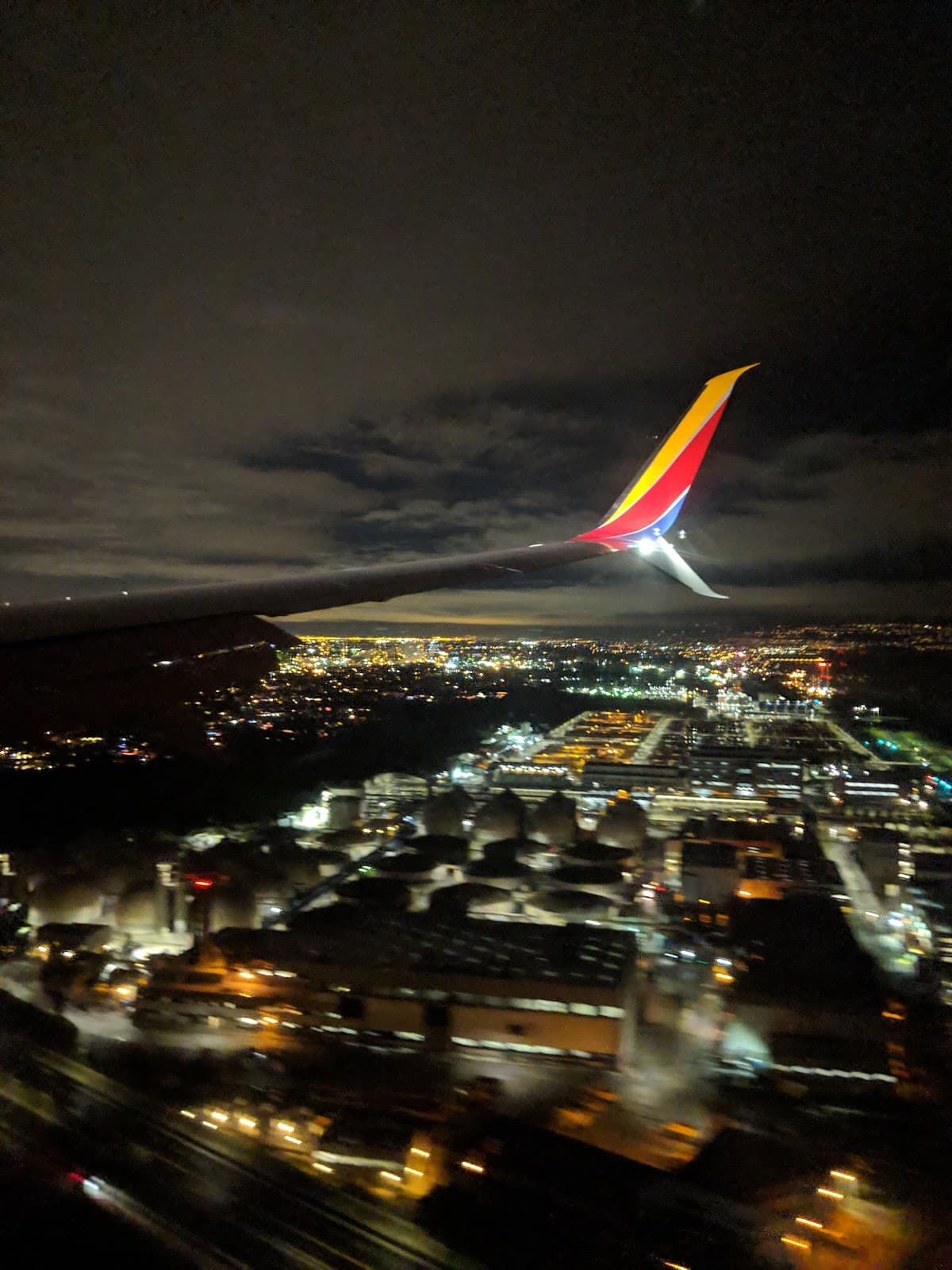
Los Angeles Metropolitan Area
Ancient ruins hidden deep in Colombia's mystical jungle
The Los Angeles Metropolitan Area sprawls across Southern California like a sun-soaked fever dream. Five counties. 88 cities. 13 million people chasing dreams under endless blue skies. This isn't just LA proper - it's the whole magnificent mess that makes up one of the world's great urban regions. You'll find surf breaks in Manhattan Beach, hiking trails in the San Gabriel Mountains, and taco trucks that'll change your life parked outside strip malls in East LA. The weather stays perfect year-round, the traffic stays terrible, and somehow it all works.
Culture & Context
FREEWAY CONFEDERATION THRIVES
Los Angeles is not a city so much as a loose confederation of neighborhoods held together by freeways and shared delusion. About 4 million people live within the city limits, and the wider metro pushes past 13 million. The entertainment industry is the backbone of the economy, but tech, logistics, and healthcare are all massive here too. The culture is genuinely diverse in a way that shapes everyday life: massive Korean, Mexican, Japanese, Armenian, Ethiopian, and Filipino communities each have carved out entire neighborhoods with their own restaurants, markets, and institutions. Street food is serious. Tacos from a truck outside a tire shop will frequently outperform a $30 plate somewhere fancy.
Here's the thing: LA moves on its own clock. People are chronically late. No one takes it personally. "We should hang out" often means nothing. But the flip side is a genuine openness, especially to creative people and outsiders. The city rewards people who show up with a plan and aren't afraid to hustle. The weather is almost aggressively good, with around 284 sunny days per year, and locals absolutely take it for granted. Expect mild winters and hot, dry summers, especially inland. Fire season is a real consideration from late summer through fall.
Local Customs
THE 405, NOT 405
Locals always put 'the' before freeway numbers. It's 'the 405,' not '405.' It's 'the 101,' not '101.
' Dropping the 'the' marks you as a tourist or, worse, someone from Northern California.. Punctuality is loose. If someone says dinner at 7, they mean 7:15 to 7:45.
Factor that in.. Calling California 'Cali' is a fast way to announce you're from out of town. Locals never say it..
Tipping is standard and expected: 18-20% at restaurants, $1-2 per drink at bars, and a few dollars for valets and hotel staff.. Don't leave anything visible in your car. Not a jacket, not a charging cable.
Car break-ins happen at a rate of 80+ per day citywide. The rule is: if it's in the car, it's in the trunk.. Outdoor dining and food trucks are a serious part of local life, not a novelty.
Some of the best food in the city comes from trucks and strip mall spots with no Instagram presence.. Hiking is a major social activity. Runyon Canyon, Griffith Park trails, and Topanga State Park all see heavy weekend traffic.
Go early if you want a parking spot and a quieter trail.. Angelenos are generally car-first by default. If you're trying to walk somewhere, people will look at you like you're doing something unusual, especially in neighborhoods like Beverly Hills or Bel Air.
Safety
CAR BREAK-INS CONSTANT THREAT
LA is safe for tourists who pay attention. The city has real challenges with property crime and homelessness, and pretending otherwise wouldn't help you. Here's the honest breakdown.
Car break-ins are the single biggest threat to visitors. More than 80 happen citywide every day. The rule is absolute: leave nothing visible in your car. Not a phone charger, not a gym bag, not a jacket on the back seat. If it's there, it's gone. Use the trunk.
Pickpockets operate around the Hollywood Walk of Fame and Venice Beach. Keep your phone in a front pocket, not dangling in your hand while you look at a map on the street.
Avoid Skid Row, which sits directly east of the Fashion District in DTLA. The area around 5th and San Pedro is rough by any standard. Similarly, the stretch south of I-10 in South Central requires local knowledge to navigate safely. These aren't areas tourists generally end up in accidentally, but worth knowing.
Hollywood Boulevard itself is touristy and chaotic. The Walk of Fame is worth 20 minutes, not an evening. Crime in that area runs 109% above the national average, and it gets worse after dark.
Areas that are genuinely safe and well-patrolled: Beverly Hills, Santa Monica (Third Street Promenade stays active and monitored), West Hollywood, and the Silver Lake / Los Feliz corridor. The Metro system is generally fine during peak hours. Off-peak, late-night subway rides require more situational awareness. Take a rideshare after midnight rather than waiting on a platform at 1am.
Heat is also a real safety issue. LA hit an unusual heat emergency in early 2026. Summer days inland can push past 100°F. Carry water, wear sunscreen, and don't underestimate the sun at the beach just because there's a sea breeze.
Getting Around
CAR-DEPENDENT, METRO EXPANDING
LA runs on cars. About 84% of locals drive to work, and that tells you everything about how the city is laid out. That said, the Metro system has expanded more in the last few years than in the previous two decades combined.
The Metro runs six rail lines and over 170 bus routes. The base fare is $1.75 per ride on a TAP card (a reloadable smart card, available at any Metro station). The system now uses automatic fare-capping: pay per ride, and once you hit the daily or weekly spending cap, the rest is free. Download the TAP LA app to add a virtual card to your Apple or Google Wallet and skip the $2 card fee. Key lines for visitors: the B Line runs Hollywood to Downtown; the E Line connects Downtown to Santa Monica; the D Line now has new stops at Wilshire/La Brea, Wilshire/Fairfax, and Wilshire/La Cienega (opened May 8, 2026), which is genuinely useful for reaching LACMA and the Fairfax corridor.
Getting from LAX to the city: the LAX/Metro Transit Center opened in 2025, connected to the C and K Lines via a free shuttle that runs every 10 minutes between the station and all airport terminals. The full Automated People Mover (APM) is expected to open sometime in mid-2026, which will replace the shuttle with a direct rail link. Until then, the shuttle works fine. The FlyAway bus ($9.75) runs non-stop to Union Station in DTLA. A rideshare from LAX to most parts of the city runs $30-60 depending on traffic.
Driving is inevitable for many destinations. Gas runs around $4.70/gallon. Waze is essential and frankly a better LA navigation tool than Google Maps. Rush hour on the 405 northbound from the 10 interchange is one of the worst traffic situations in the entire country. If you can avoid it between 4-7pm on weekdays, do so. Parking ranges from $5 at a meter in the Valley to $50 at a valet in Beverly Hills.
For the World Cup (June-July 2026): Metro is running dedicated game-day shuttle service from multiple rail lines directly to SoFi Stadium in Inglewood. Fares are standard Metro rates: $1.75 each way. Service starts four hours before kickoff.
Useful Phrases
Explore Cities
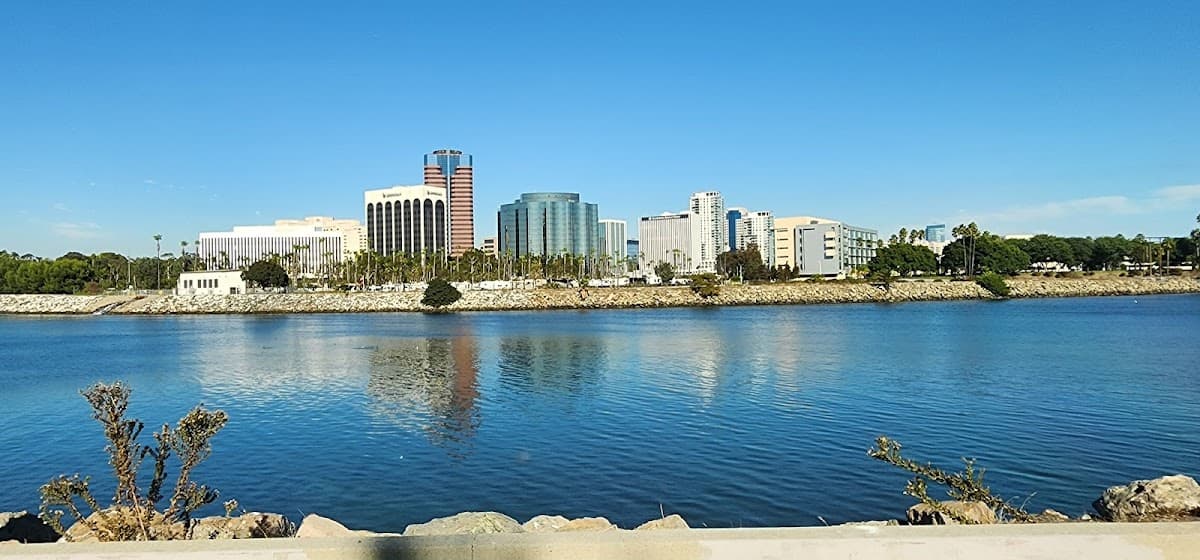
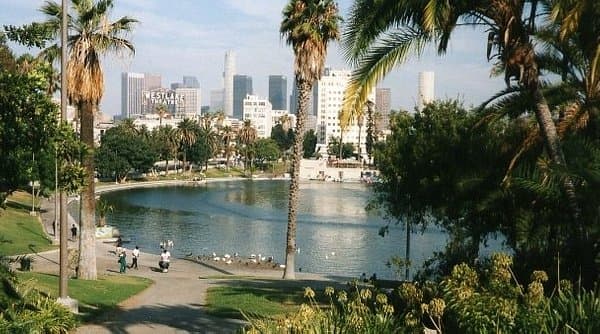
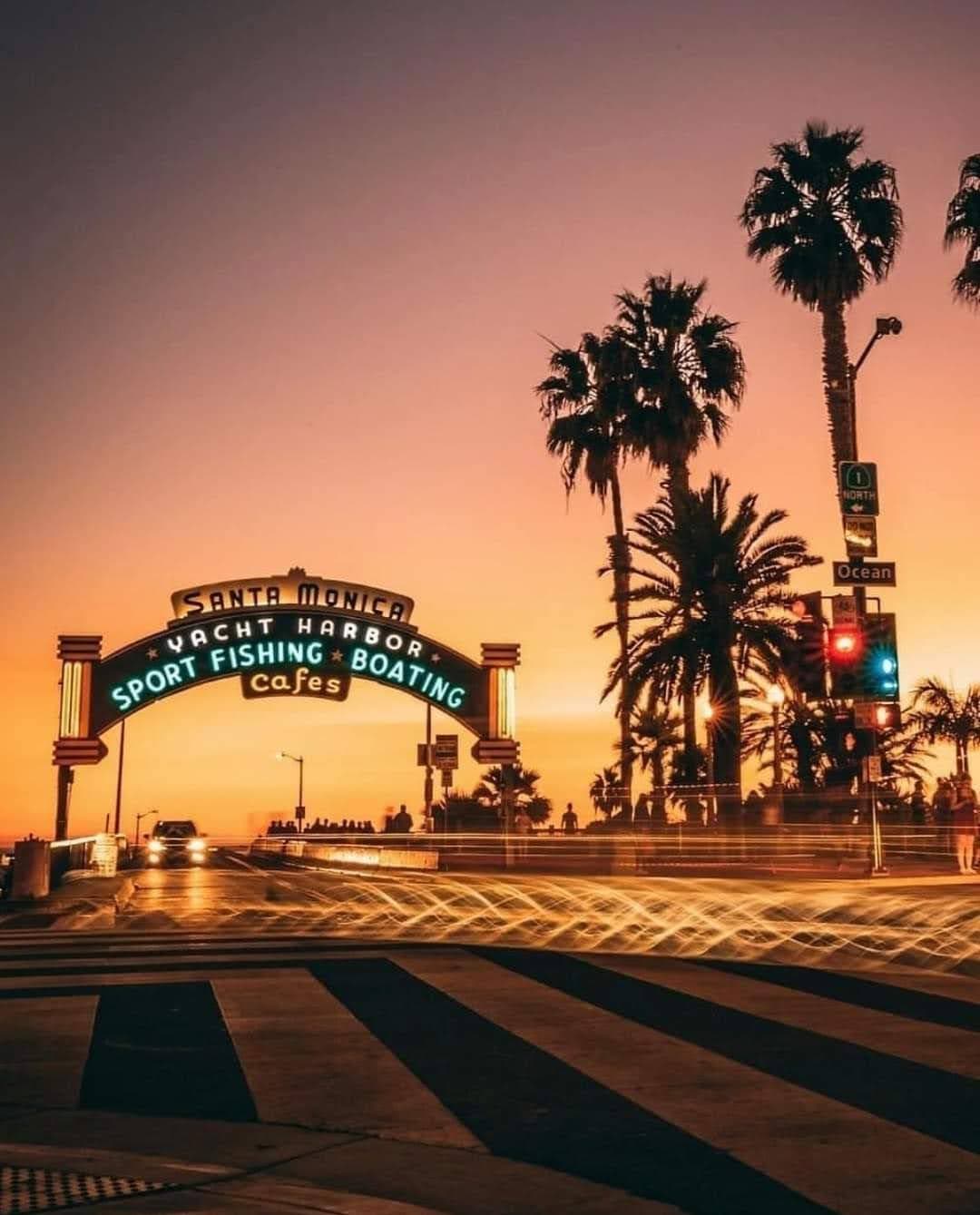
Explore the Region
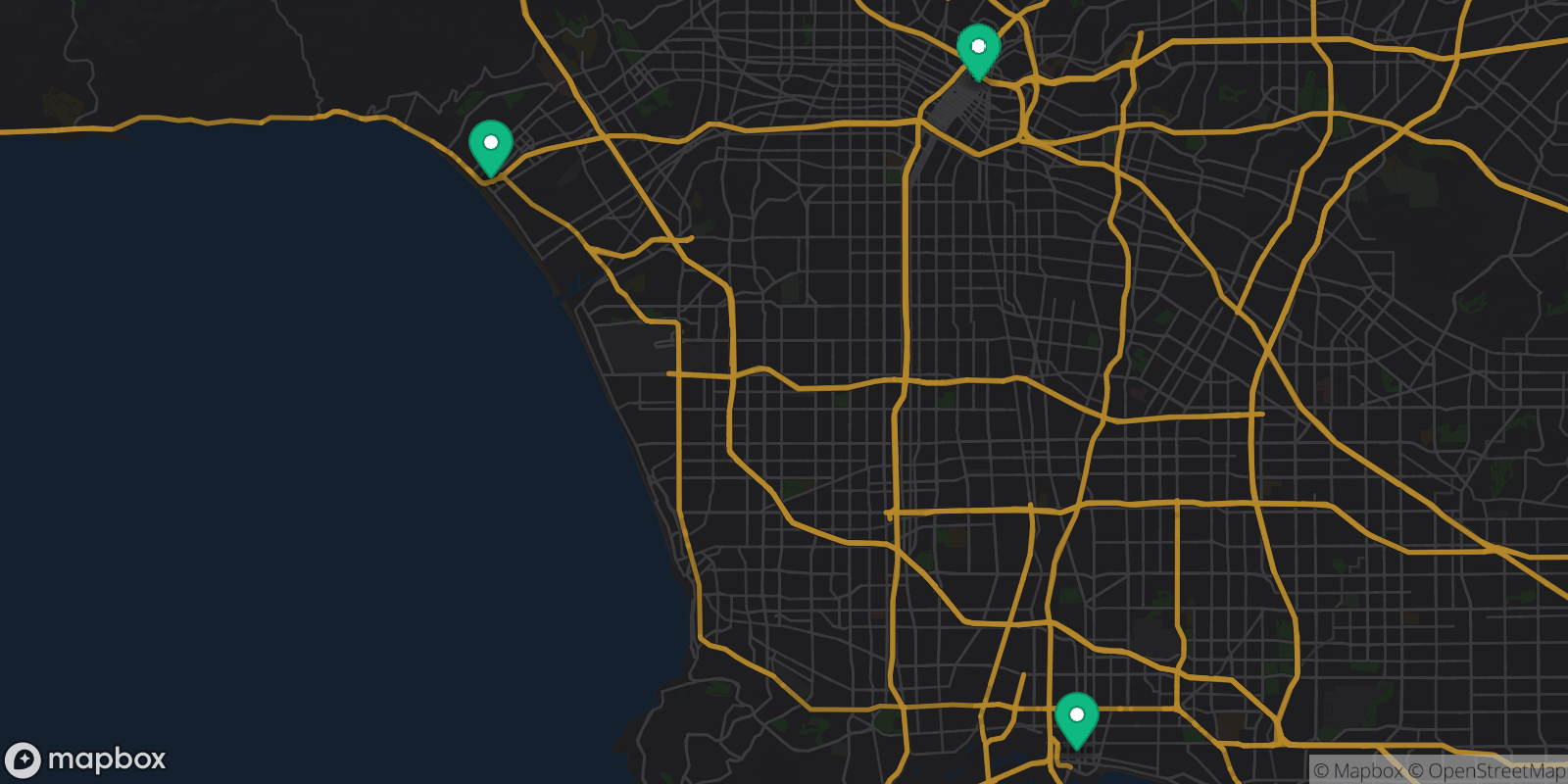
Los Angeles Metropolitan Area Itineraries
View all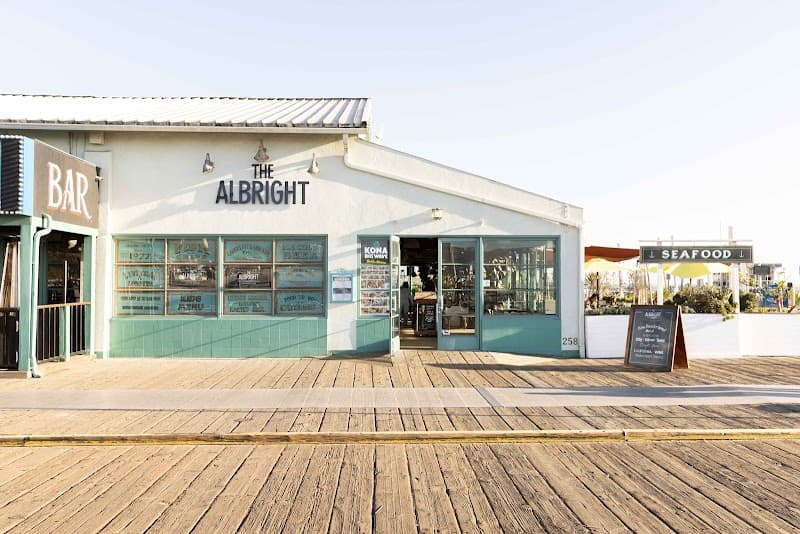
Los Angeles in 7 Days: Family-Friendly, Budget-Smart, Neighborhood by Neighborhood
Week · $$
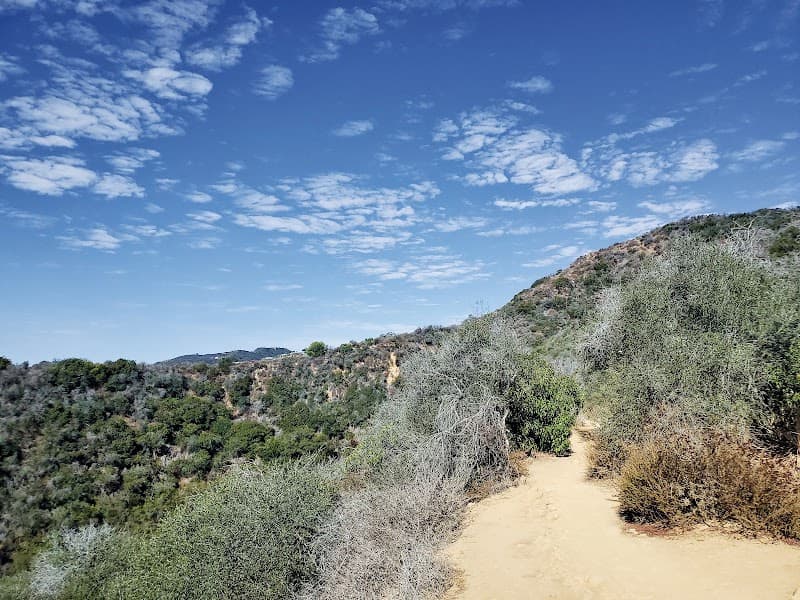
Coastal Trails & Sunset Vibes in Westside LA
Weekend · $$$
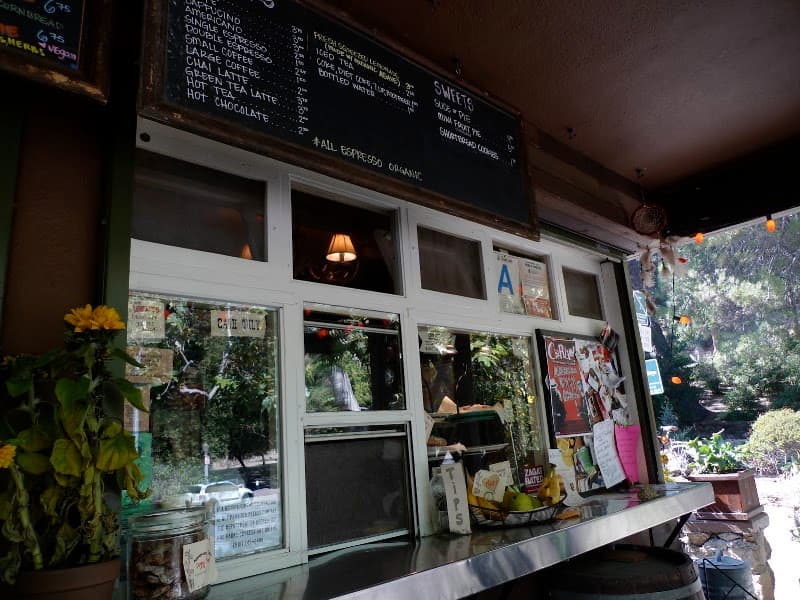
Los Angeles in Four Days: Beaches, Views, and Bold Flavors
Weekend · $$$

LA in 48 Hours: Trails, Tacos & Ocean Views
Weekend · $$
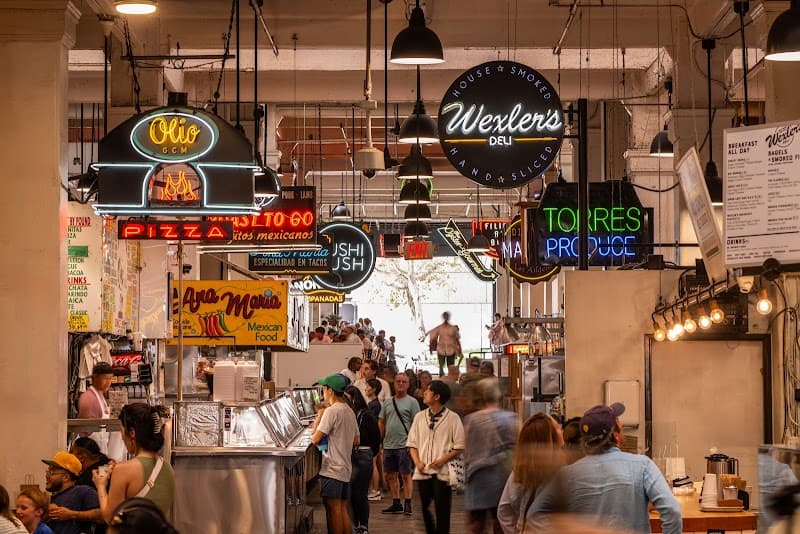
Six Flavors of LA: Neighborhood-by-Neighborhood Food & Fun
Weekend · $$$
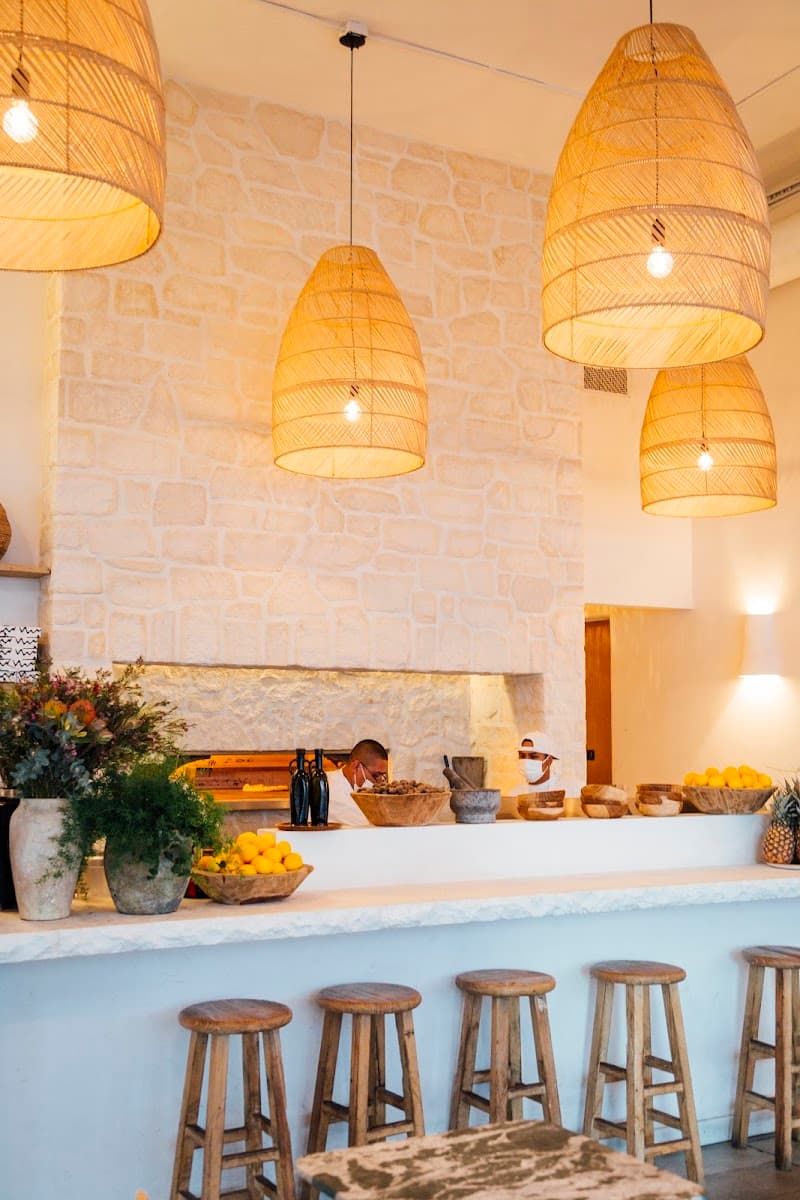
Coastal Cool & City Lights: One Day in LA
Weekend · $$$
Money-Saving Tips
- 1.Happy hour at downtown rooftop bars runs 4-7pm with $8-12 cocktails instead of $18-20
- 2.Many museums offer free admission for LA County residents on certain days
- 3.Parking meters in Santa Monica are free after 6pm and all day Sunday
- 4.Grocery stores like Ralphs and Vons have gas stations with member discounts
- 5.The Getty Center and Getty Villa are always free, just pay $20 for parking
- 6.Beach parking in Manhattan Beach costs $12 all day versus $5 per hour in metered spots
- 7.Food trucks near office buildings serve $8-12 lunch portions that feed two people
- 8.LAX parking costs $40+ per day - use FlyAway bus from Union Station for $10
- 9.Many hiking trails require Adventure Passes ($5 daily, $30 annual) - buy online to avoid lines
Travel Tips
- •Download parking apps like SpotHero and ParkWhiz to reserve spots in advance
- •Carry layers - beach areas stay cool while inland valleys get hot, even in winter
- •The Hollywood Walk of Fame is free but crowded - go early morning for photos
- •Many restaurants don't take reservations - put your name in and explore nearby
- •Beaches have different vibes - Manhattan Beach for families, Venice for people-watching
- •Rush hour traffic extends to weekends - Saturday beach trips take twice as long
- •Tipping valets $2-5 is expected at most restaurants and hotels
- •The Metro TAP card works on buses and trains - load it with $20 to start
- •Wildfire smoke can affect air quality - check AirNow.gov before hiking
- •Many attractions offer discounts for booking online versus walk-up tickets
Frequently Asked Questions
BUILD YOUR
LOS ANGELES METROPOLITAN AREA PLAN
Insider picks, smart timing, and a plan ready when you are.
Start Planning