Malta
Mediterranean jewel where knights' history meets azure seas
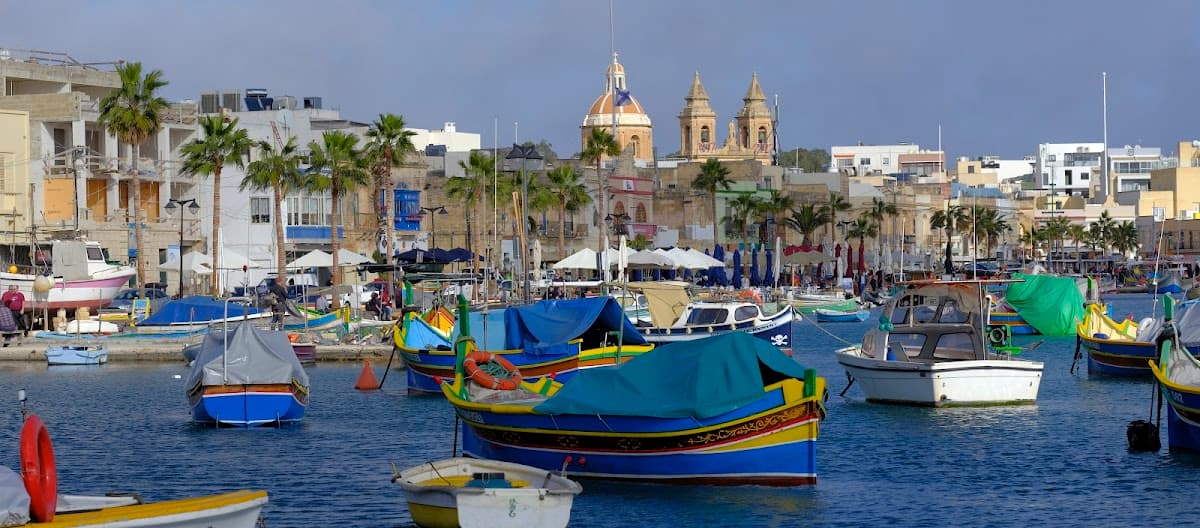
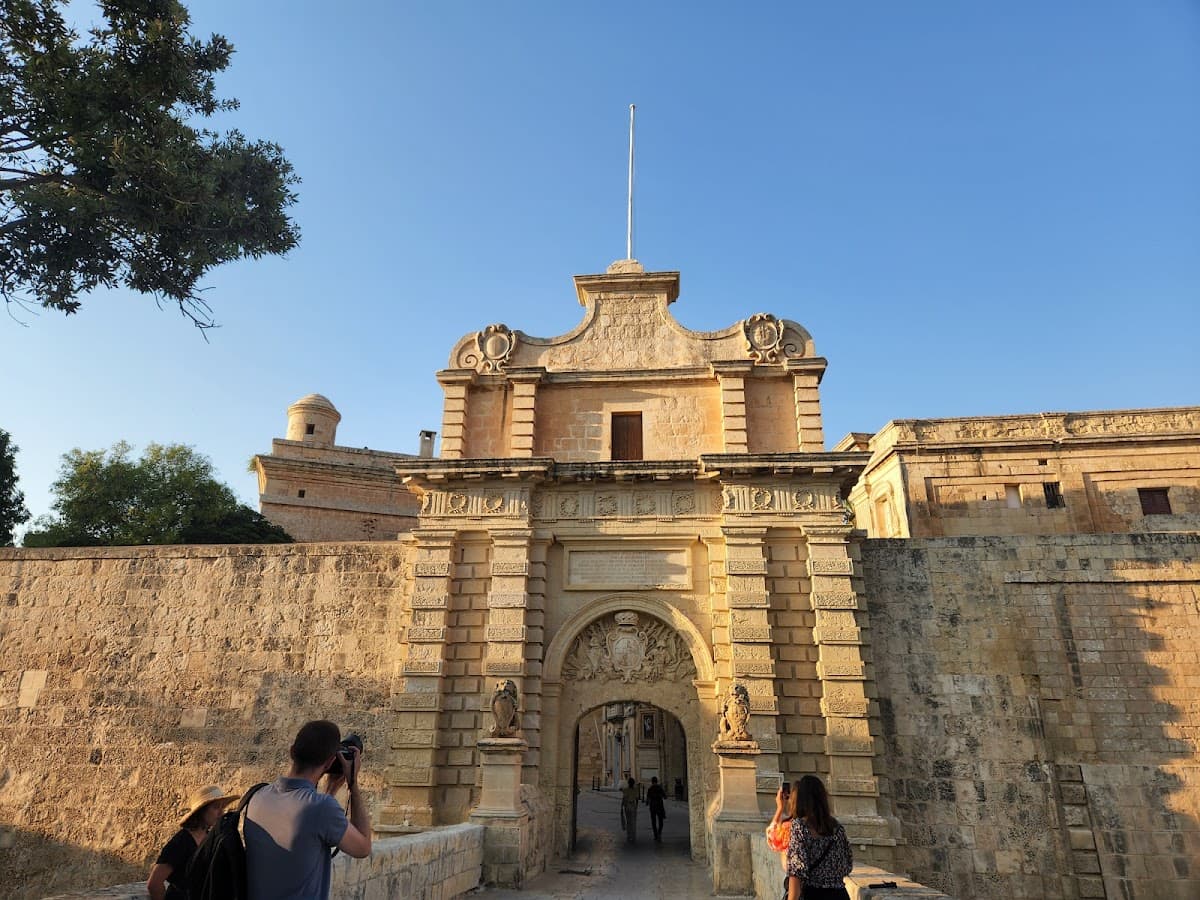
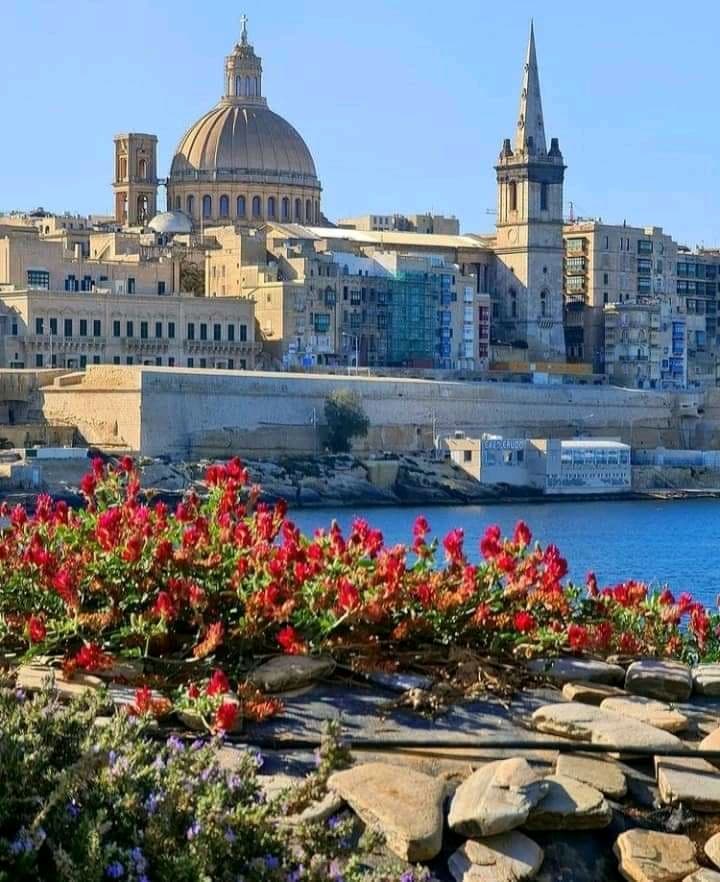
Malta punches way above its weight. This tiny Mediterranean archipelago packs 7,000 years of history into just 316 square kilometers, where Neolithic temples older than Stonehenge sit minutes from crystal-clear swimming spots. The Knights of St. John left behind a UNESCO World Heritage capital in Valletta, while fishing villages like Marsaxlokk still paint their boats in traditional blues and yellows. You can walk across the entire main island in four hours, but you'll want months to explore every hidden cove and limestone church. The locals speak English (thanks to British colonial history), the weather's reliably sunny, and the food blends Italian comfort with Middle Eastern spices. Sure, it gets crowded in summer and some beaches are rocky rather than sandy. But Malta delivers that rare combination of serious history, serious relaxation, and serious value for money.
Explore Cities

Explore the Region
Malta Itineraries
View all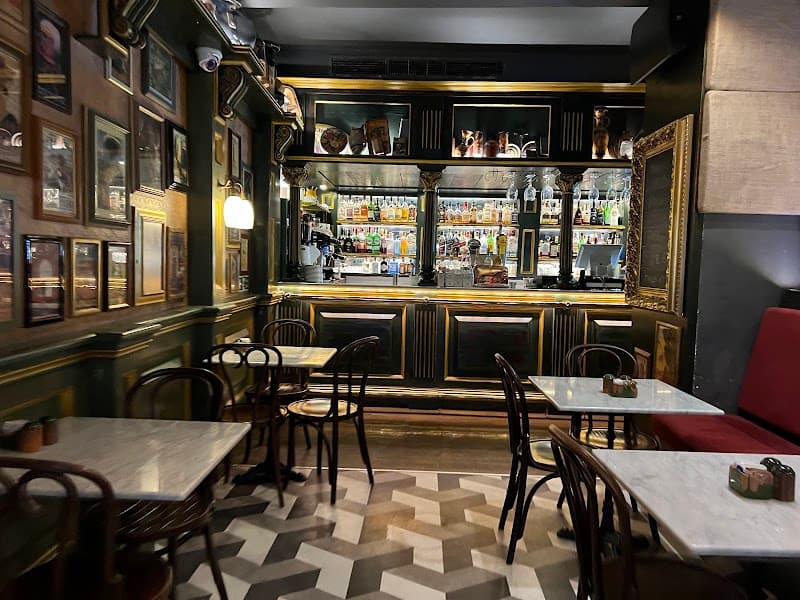
Relaxed Malta Day: Valletta Vibes & Sliema Serenity
Weekend · $$$
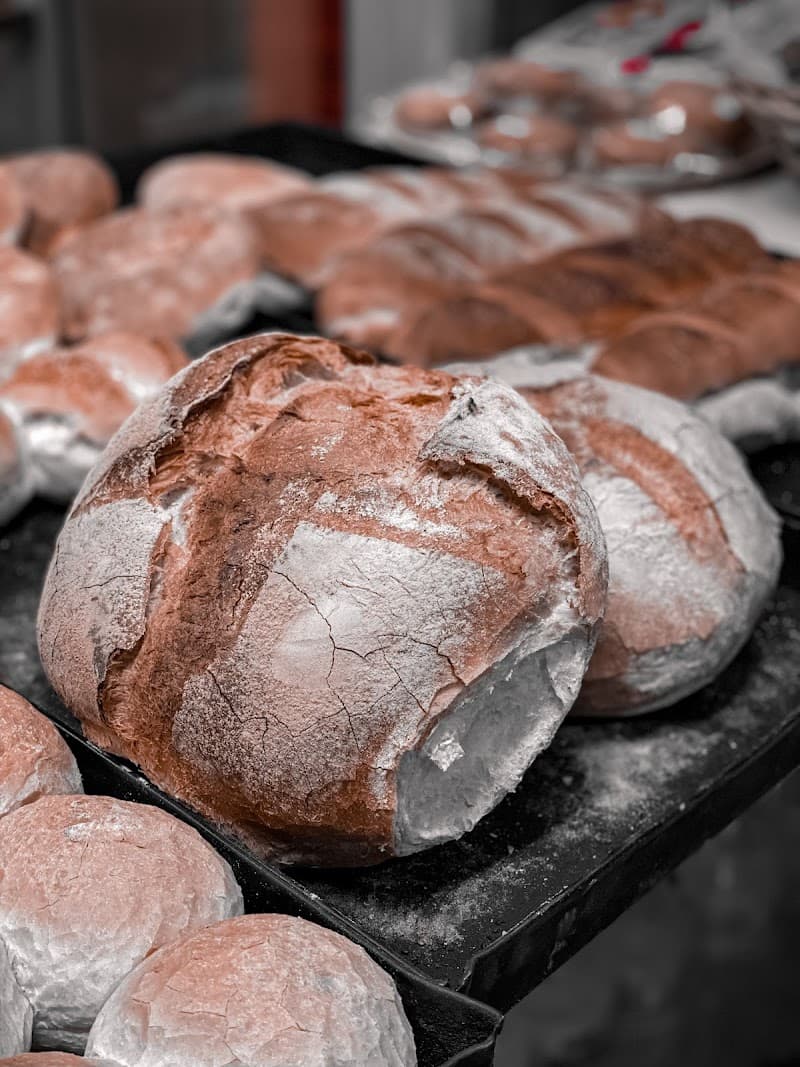
Malta's 7-Day Culinary & Wine Journey: Street Food to Feasts
Week · $
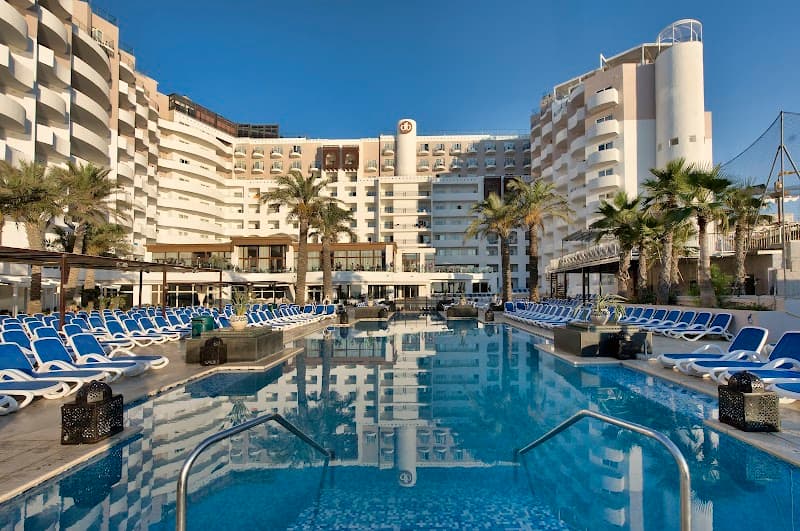
Jungle Wild Malta: Adventure Weekend Escape
Weekend · $$
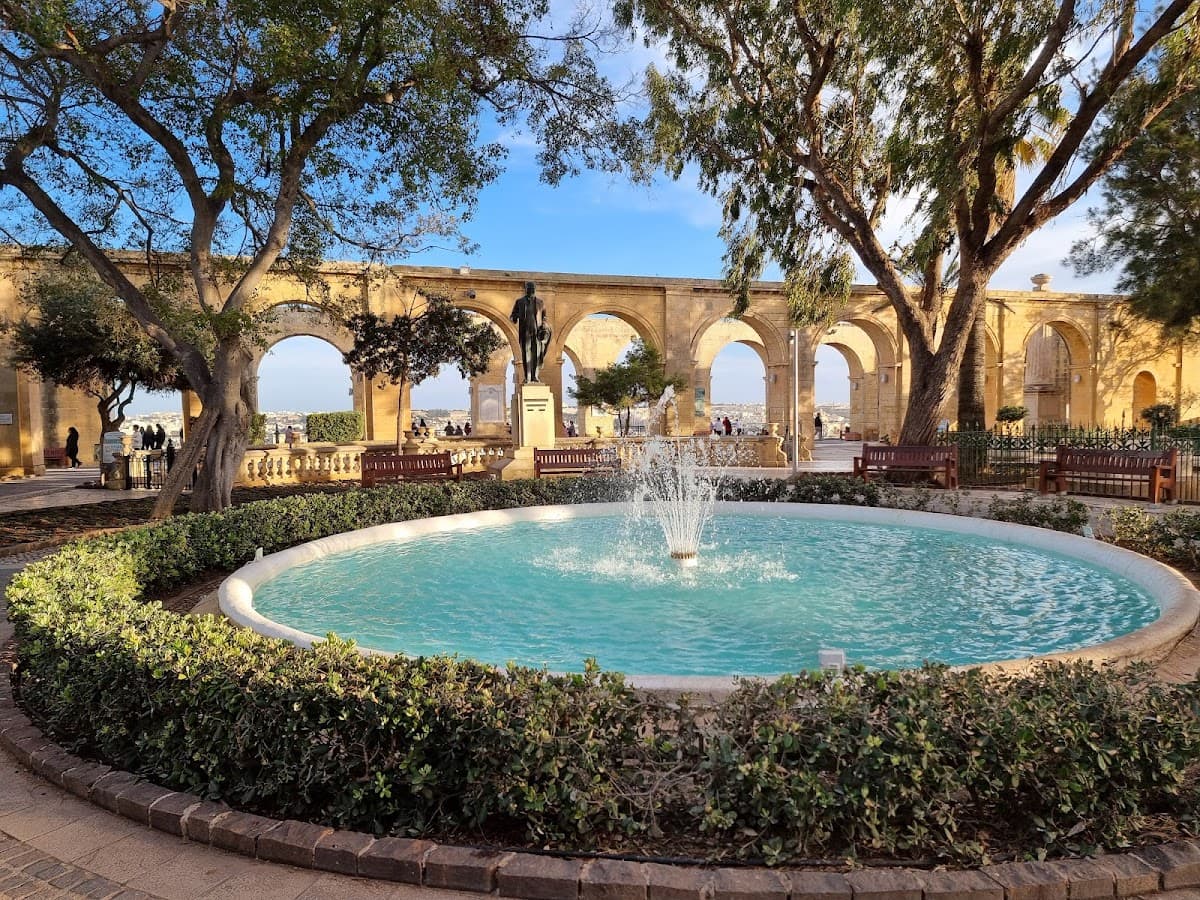
Malta Escape: Turquoise Waters & Mediterranean Tranquility
Weekend · $$$

Minimalist Malta: Relaxed Romance by the Sea
Weekend · $$$$
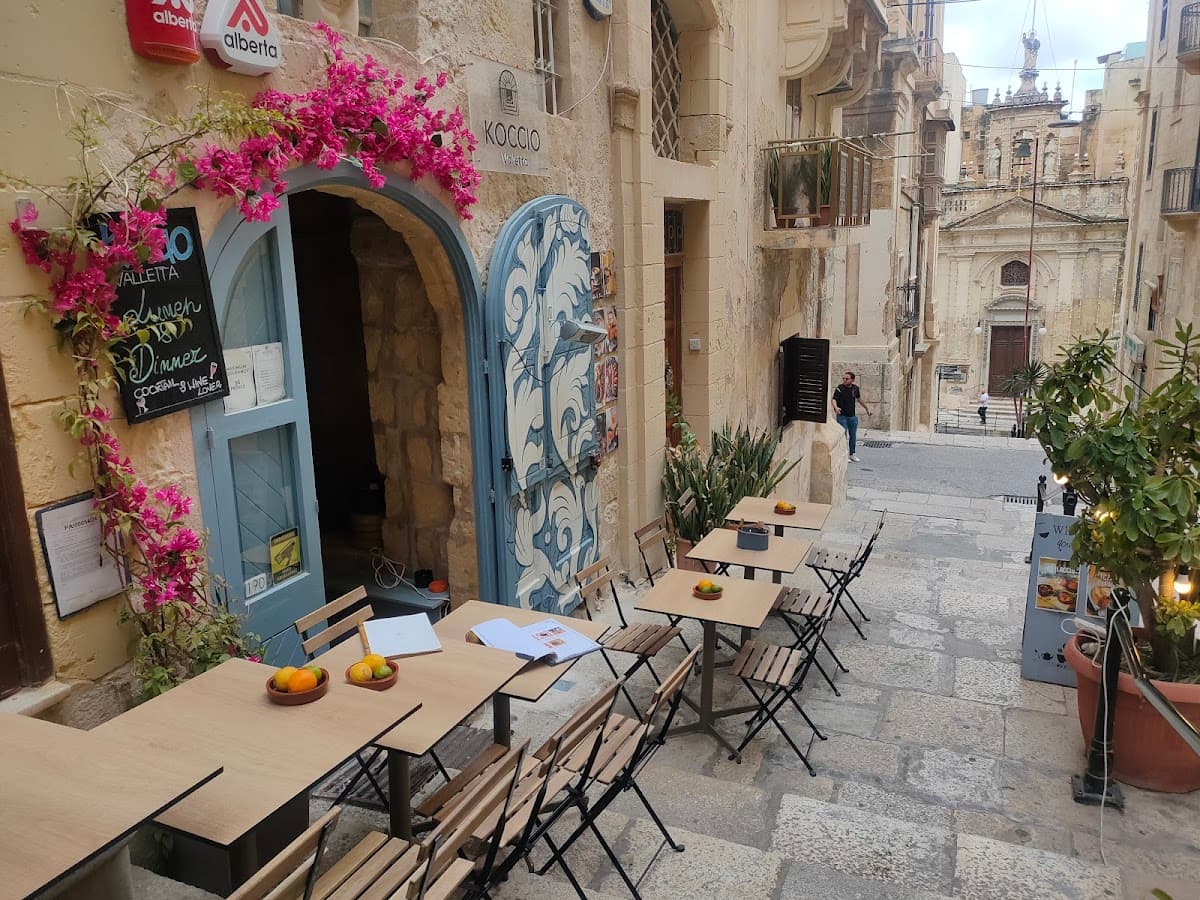
Bohemian Bliss: Malta's Luxe Coastal Escape
Weekend · $$$$$
Money-Saving Tips
- 1.Buy bus day passes for €1.50 instead of paying €2 per ride - they're valid until midnight
- 2.Eat pastizzi from local bakeries (€0.50) instead of hotel breakfast (€15+)
- 3.Visit museums on the first Sunday of each month for free entry to most Heritage Malta sites
- 4.Book ferries to Gozo online for small discounts and guaranteed spots during summer
- 5.Shop at Lidl or Pavi supermarkets rather than tourist-area convenience stores
- 6.Happy hour runs 5-7pm at most bars with 2-for-1 cocktails
- 7.Rent cars from local companies like Europcar Malta for better rates than international chains
- 8.Pack reef-safe sunscreen - it's €20+ in Malta vs €5 at home
Travel Tips
- •Download the Tallinja app for real-time bus tracking - it actually works
- •Bring water shoes for rocky beaches and sea urchin protection
- •Learn basic Maltese greetings - 'bongu' (good morning) opens doors
- •Book restaurants in Valletta ahead - many close unexpectedly for private events
- •Pack a light jacket even in summer - sea breezes can be surprisingly cool
- •Carry cash - many small businesses don't accept cards
- •Respect dress codes at churches - covered shoulders and knees required
- •Check ferry schedules to Gozo before planning day trips - they reduce frequency in winter
Frequently Asked Questions
Explore Malta
Ready to explore Malta?
Get a personalized itinerary in seconds with Takeoff.
Free on iOS. No credit card required.