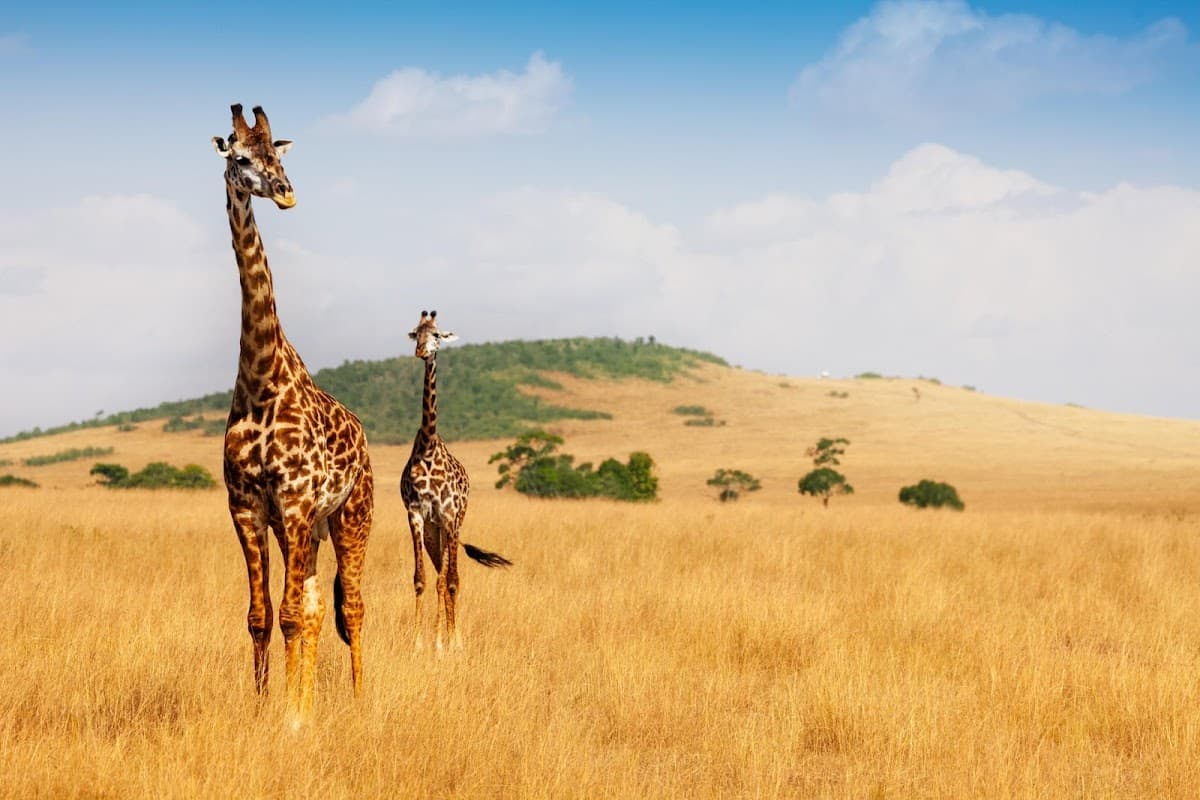
Masai Mara National Reserve
Africa's greatest wildlife theater unfolds here
The Masai Mara isn't just another safari destination — it's where nature puts on its greatest show. Every July through October, over two million wildebeest thunder across these golden grasslands in the Great Migration, turning the reserve into Africa's most dramatic wildlife theater. But here's what the brochures won't tell you: the Mara delivers year-round, not just during migration season. Lions lounge under acacia trees in January. Cheetahs hunt in the early morning mist of March. And the Maasai people, who've shared this land with wildlife for centuries, offer cultural experiences that go far beyond the typical village visit. Yes, it's expensive. Yes, it gets crowded during peak season. But stand in the middle of the Mara Triangle at sunrise, watching elephants silhouetted against the endless sky, and you'll understand why this 1,510-square-kilometer reserve remains the gold standard for African safaris.
Itineraries coming soon
We're working on adding amazing itineraries for Masai Mara National Reserve. In the meantime, try the app to create your own!
Money-Saving Tips
- 1.Visit during shoulder seasons (January-March, November) for 30-50% lower accommodation rates and fewer crowds
- 2.Book directly with camps and lodges to avoid tour operator markups of 15-25%
- 3.Group bookings of 4+ people often qualify for significant discounts at most properties
- 4.All-inclusive packages usually offer better value than paying separately for meals and activities
- 5.Flying between Nairobi and the Mara costs $300-400 but saves 6 hours of rough driving
- 6.Conservancy camps cost more upfront but include exclusive access and night drives worth $100+ elsewhere
- 7.Bring US dollars in small bills for tips and park fees to avoid poor exchange rates
- 8.Self-drive saves money but requires 4WD experience and adds vehicle rental costs of $80-120 daily
Travel Tips
- •Book migration season accommodations 6-9 months in advance as top camps sell out completely
- •Pack neutral-colored clothing (khaki, olive, brown) as bright colors attract tsetse flies and show dust
- •Bring telephoto lens (200mm minimum) since vehicles must maintain 25-meter distance from wildlife
- •Start game drives at 6am when animals are most active and temperatures are cooler
- •Choose Mara Triangle over main reserve for better roads, fewer crowds, and superior management
- •Download offline maps as cell service is spotty throughout most of the reserve
- •Carry cash in small US dollar bills for tips, local purchases, and some park fees
- •Book balloon safaris 24-48 hours ahead during peak season as they fill up quickly
- •Stay flexible with river crossing timing as wildebeest movements are unpredictable
- •Respect Maasai cultural sites and always ask permission before photographing people
Frequently Asked Questions
Explore Masai Mara National Reserve
Ready to explore Masai Mara National Reserve?
Get a personalized itinerary in seconds with Takeoff.
Free on iOS. No credit card required.