Mpumalanga
South Africa's scenic province of waterfalls and wildlife
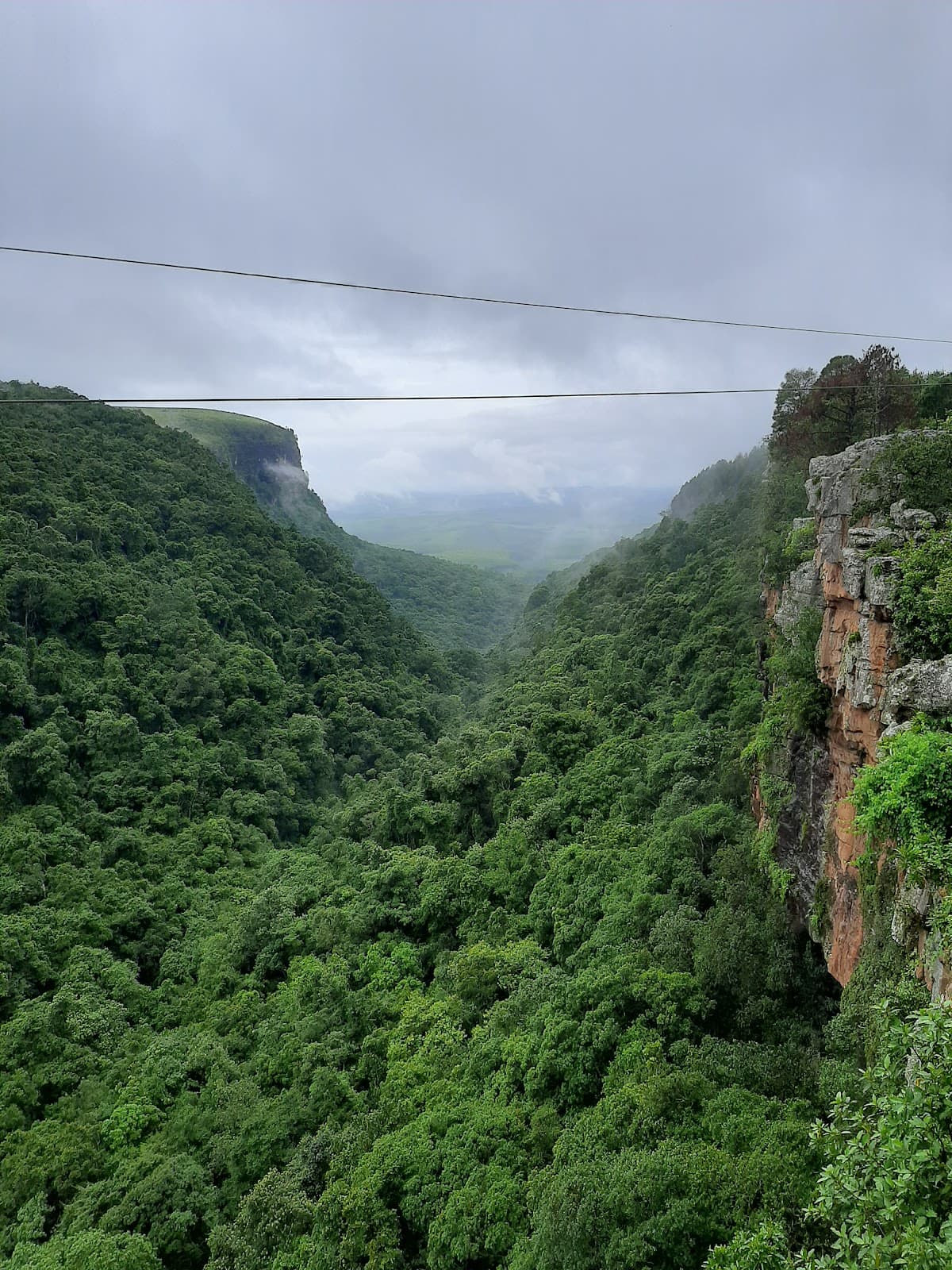
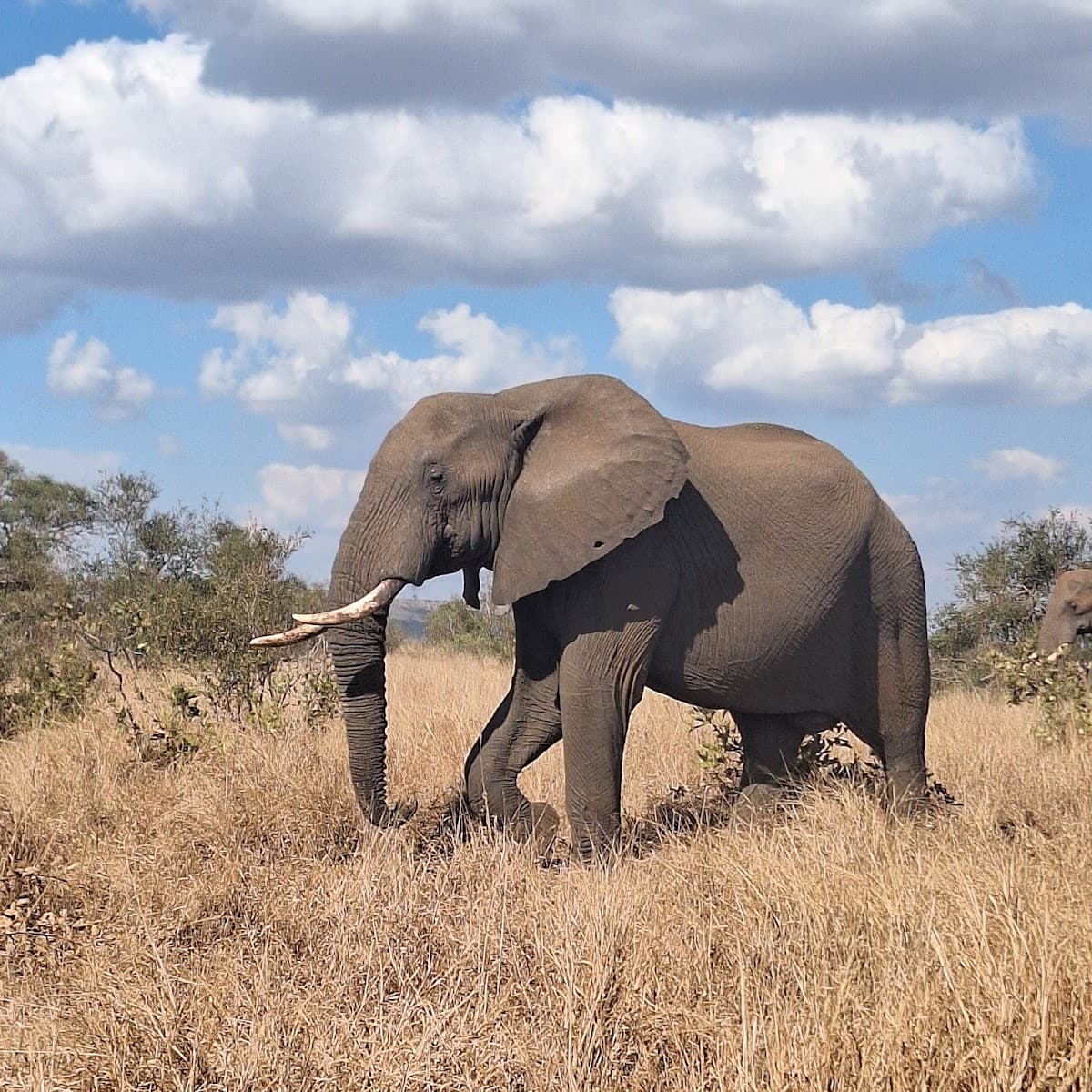
Mpumalanga hits different. While everyone else crowds the Cape, this province in northeast South Africa serves up some of the continent's most jaw-dropping scenery without the tourist buses. Think thundering waterfalls that you can actually hear from your car window, wildlife encounters that don't require a lottery system to book, and mountain views that make the Drakensberg look like foothills. The name means "place where the sun rises" in siSwati, and trust me, you'll want to wake up early here. From the world-famous Kruger National Park to the dramatic Blyde River Canyon, Mpumalanga packs serious visual punch. But here's what the brochures won't tell you: the roads can be rough, the weather unpredictable, and some attractions feel stuck in the 1990s. Still worth it? Absolutely.
Explore Cities
Explore the Region
Money-Saving Tips
- 1.Book Kruger accommodation directly through SANParks website to avoid markup - rest camps cost R800-1200 per night for basic chalets
- 2.Fill up with fuel in major towns like Nelspruit - petrol stations in tourist areas charge 10-15% more per liter
- 3.Pack your own snacks for game drives - Kruger shop prices are inflated and selection is limited
- 4.Visit waterfalls early morning or late afternoon to avoid entrance fees at some private viewpoints
- 5.Choose farm stalls over restaurants along tourist routes - better food at half the price
- 6.Buy the Wild Card if visiting multiple parks - pays for itself after 3 Kruger day visits at R400 each
Travel Tips
- •Download offline maps before heading into mountain areas - cell coverage is spotty around the escarpment
- •Pack layers for elevation changes - temperature can drop 15°C between lowveld and highlands
- •Carry cash for entrance fees at smaller attractions - card machines often don't work
- •Book Kruger accommodation months ahead during peak season (June-August) - popular camps fill up fast
- •Start game drives early (5:30am gate opening) when animals are most active and before tour buses arrive
- •Check road conditions after rain - some gravel roads to waterfalls become impassable
- •Bring binoculars for wildlife viewing - even budget ones make a huge difference for spotting distant animals