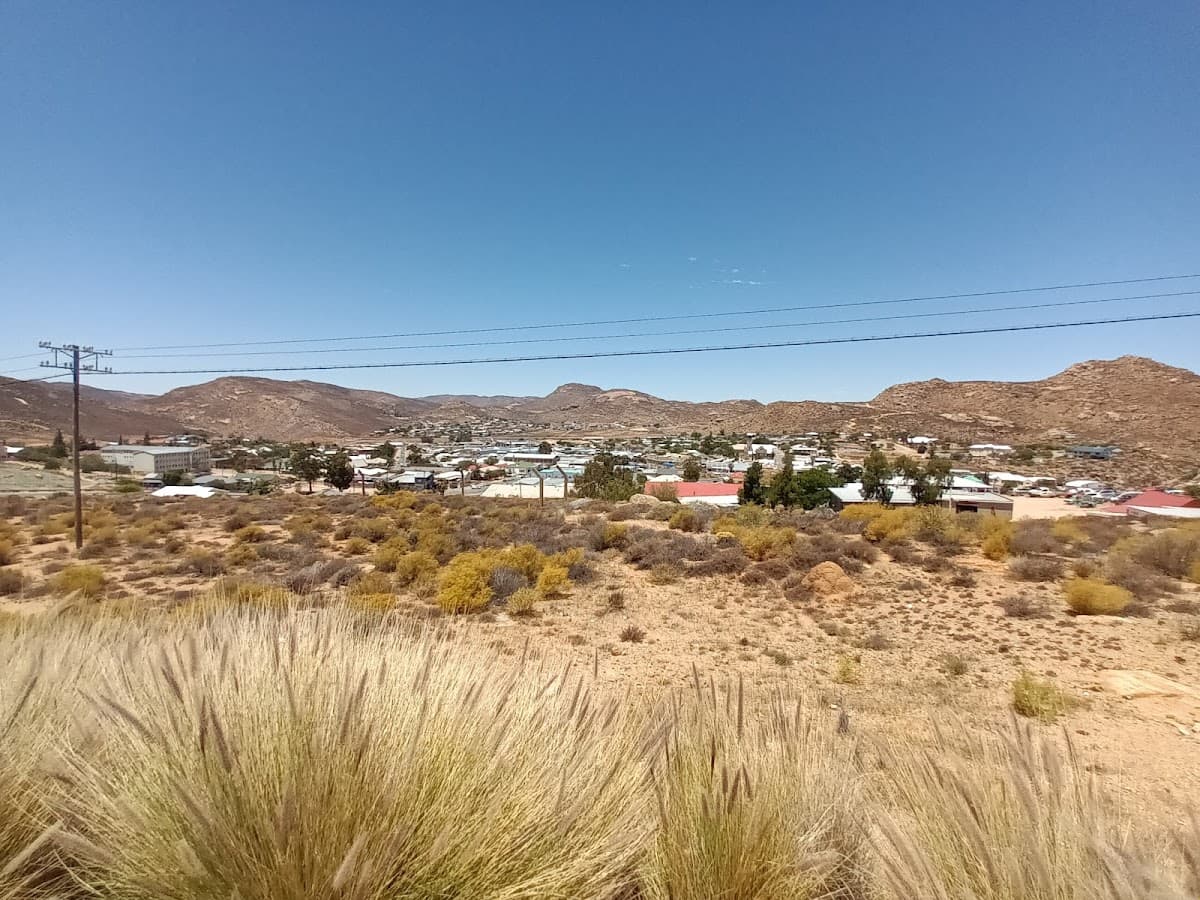
Namib Desert
World's oldest desert of towering dunes and starlit nights
The Namib Desert doesn't mess around. At 55 million years old, it's the planet's most ancient desert, and it shows. Massive red dunes tower 300 meters high at Sossusvlei, shifting and reshaping with every wind. The silence here is profound – the kind that makes your ears ring.
But this isn't just sand and emptiness. Desert elephants roam the northern reaches near the Skeleton Coast. Oryx antelope somehow thrive in temperatures that hit 50°C. And at night? The Milky Way spreads across the sky like someone spilled diamonds on black velvet.
Look, the Namib isn't for everyone. It's harsh, remote, and unforgiving. Water is precious, shade is rare, and the nearest hospital might be hours away. But if you're after something genuinely otherworldly – landscapes that look more like Mars than Earth – this is your place.
Itineraries coming soon
We're working on adding amazing itineraries for Namib Desert. In the meantime, try the app to create your own!
Money-Saving Tips
- 1.Fuel costs add up fast on gravel roads - budget N$2000+ for fuel on a week-long desert circuit
- 2.Camping saves huge money over lodges - many campsites charge N$200-300 per person vs N$3000+ for lodge rooms
- 3.Buy supplies in Windhoek where supermarkets have normal prices - desert shops charge premium rates
- 4.Self-drive costs half what guided tours do, but factor in 4x4 rental at N$800-1200 per day
- 5.Desert lodges often include meals in their rates - check what's covered before booking elsewhere
- 6.Park fees are reasonable at N$80 per person for Sossusvlei, but add up if visiting multiple reserves
Travel Tips
- •Download offline maps before leaving Windhoek - GPS signal disappears in remote areas
- •Carry 4+ liters of water per person per day - dehydration happens fast in desert heat
- •Start Sossusvlei dune climbs before 6am to avoid crowds and heat - Dune 45 gets busy after sunrise
- •Pack warm clothes for desert nights - temperatures can drop 30°C from day to night
- •Tell someone your route and return time when heading into remote areas - cell service is non-existent
- •Bring extra fuel in jerry cans for Skeleton Coast drives - 200km+ between fuel stops
- •Check road conditions after rain - desert washes can become impassable rivers
- •Book Sossusvlei accommodation months ahead during peak season (July-August)
Frequently Asked Questions
Explore Namib Desert
Ready to explore Namib Desert?
Get a personalized itinerary in seconds with Takeoff.
Free on iOS. No credit card required.