New York
Empire State of mind from NYC to Niagara Falls
New York isn't just a state — it's a state of mind. Sure, everyone knows the city that never sleeps, but look beyond the five boroughs and you'll find the Finger Lakes' wine country, the Adirondacks' wilderness, and Niagara Falls thundering on the Canadian border. This is where Broadway meets buffalo wings, where Wall Street traders weekend in the Hamptons, and where you can catch sunrise over Central Park then watch sunset paint the Hudson Valley gold. The Empire State earned its nickname, and after one trip here, you'll understand why.
Local Knowledge
Culture & Context
New York City runs at a pace that will catch most visitors off guard the first day and feel completely normal by day three. People are direct — not rude, just efficient. Nobody has time for extended pleasantries and nobody expects you to. A brief 'thanks' is fine; a long drawn-out goodbye is not how things work here. The city's culture is shaped by wave after wave of immigration. Queens is the most ethnically diverse county on the planet — within a ten-minute walk you can eat authentic Greek, Korean, or Colombian food. The Bronx is the birthplace of hip-hop, with Caribbean and Latin American culture at its core. Brooklyn carries a Jewish cultural legacy alongside its newer waves of gentrification. These aren't tourist talking points; they're the actual texture of daily life in different parts of the city. The 2026 summer is going to be genuinely historic. The FIFA World Cup Final on July 19 at MetLife Stadium is the most-watched sporting event in the world, and New York is hosting it. Coldplay organized a Times Square concert around the Final weekend. Madonna, Shakira, and BTS are headlining the halftime show. This is not a typical summer. Hotel rates, restaurant waits, and general city intensity will all be elevated from June through mid-July. If you're not coming for the World Cup, honestly consider visiting in May or early June before the full circus kicks in — or wait for September, when the weather is still good and the crowds thin out considerably.
Safety
New York is genuinely safe for tourists in 2026 — it consistently ranks among the safest major cities in the United States relative to its population. Violent crime against visitors is rare and almost always involves being in the wrong area late at night. The real threats are petty and predictable: pickpockets in Times Square and Chinatown, aggressive costumed characters near 42nd Street demanding tips, fake ticket sellers outside Broadway theaters, and 'free' CD hustlers who become very not-free. Watch your phone on subway platforms. Keep bags zipped and worn in front in crowded areas. Don't flash expensive cameras or jewelry in less-trafficked spots. Avoid empty subway cars late at night — find one with other people. The South Bronx and Brownsville in Brooklyn have elevated crime rates; they're also not places tourists generally end up. Safest areas for visitors: Midtown around 5th Avenue, the West Village, DUMBO in Brooklyn, and the Upper West Side. Harlem is safe during the day and genuinely worth visiting — the 'avoid Harlem at all costs' advice is decades out of date. Weather is a real safety consideration. Winters are genuinely cold (brick, as locals say) from November through March. Summers are hot and humid, and late August/September can bring tropical storms. Check the National Weather Service before outdoor activities. The city sends emergency alerts to phones in the area during severe weather. Emergency line: 911. NYPD 24-hour tip hotline: (646) 610-7226. Keep your embassy or consulate number saved if traveling internationally.
Getting Around
The subway is the backbone of the city and it runs 24/7 — that part is real. The fare is $3.00 per ride in 2026. MetroCard is dead. Use OMNY: tap any contactless credit card, your phone, or an OMNY card (available at station vending machines for $1). Once you've spent $35 in a 7-day rolling period, rides are free for the rest of that week. Stick to the same payment method for every ride or you'll break your cap progress. The grid system makes navigation straightforward in Manhattan — streets run east-west, avenues run north-south. Uptown means higher street numbers (north); downtown means lower (south). The L train connects Williamsburg to Manhattan in 8 minutes. The F and G trains serve Park Slope. The 7 train goes directly to Flushing Meadows-Corona Park for Gov Ball. For World Cup matches at MetLife Stadium, NJ Transit is the realistic option — no parking at the stadium on match days. A dedicated shuttle train runs from Penn Station. Fares were cut from $150 to $105 after sponsorships were secured. Parking at nearby American Dream Mall is $225 per spot and is already sold out for the Final. Getting from airports: AirTrain JFK connects to the A or E subway lines (cheaper but slower). Newark uses NJ Transit to Penn Station. LaGuardia has no direct rail; take the M60 bus or a rideshare. Taxis from JFK run about $70–$90 flat to Manhattan. Avoid unlicensed cabs at any airport. Central Park is easily walked. For anything beyond immediate neighborhoods, the subway beats Uber every time — unless it's late and the train situation looks sketchy.
Useful Phrases
Seriously, for real. Used to emphasize you're not joking.
Extremely cold. As in the weather. 'It's brick out there tonight.'
A long, tedious, exhausting journey — often used to describe crossing the city. 'I had to schlep all the way to the Bronx.'
Forget about it. Used to dismiss something, express disbelief, or say something is the absolute best. Context determines which one.
The corner convenience store. Not just any store — the one that's open at 2 a.m., sells everything, and makes the best breakfast sandwiches.
Exclusively Manhattan. If a New Yorker says 'I'm going to the city,' they live in one of the other four boroughs.
A lot of, or very. 'That line was mad long.' Not anger — intensity.
Standard greeting. The equivalent of 'how are you?' Don't give a long answer.
Local Customs
- •Tipping is non-negotiable: 20% at restaurants, $1–2 per drink at bars, $5 per night for hotel housekeeping. Anything less and you will be noticed.
- •Do NOT stop in the middle of the sidewalk. If you need to check Google Maps, step to the side. Stopping dead in foot traffic is the fastest way to earn genuine hostility.
- •Walk on the right side of the sidewalk and escalator stairs. The left is for passing. This is enforced by social pressure.
- •Bagel protocol: the correct order is 'a bagel with [filling]' — not 'a bagel sandwich.' The toasting debate is genuine and contentious. Some shops refuse to toast.
- •Avoid Times Square costumed characters unless you want an aggressive tip demand after a photo. The 'free' rap CD on the street isn't free.
- •Never use a street ATM. Use a bank ATM inside a branch. Card skimmers are a real and persistent problem.
- •Avoid Central Park after dark — it officially closes at 1 a.m. and incidents spike significantly at night.
- •If someone on the subway is acting erratic or aggressive, change cars at the next stop. Don't engage.
- •Yellow cabs and green Boro Taxis only. Unlicensed 'gypsy cabs' near airports overcharge tourists routinely.
- •During World Cup matches in June and July, expect subway delays, surge rideshare pricing, and sold-out restaurants near Midtown. Plan accordingly.
Explore Destinations

Explore the Region
New York Itineraries
View all
Seven Packed Days in New York, Done the Easy Way
Weekend · $$$
One Perfect New York Day for Relaxed Romance
Weekend · $$$
Classic Manhattan Day: Parks, Views, and Velvet Nights
Weekend · $$$
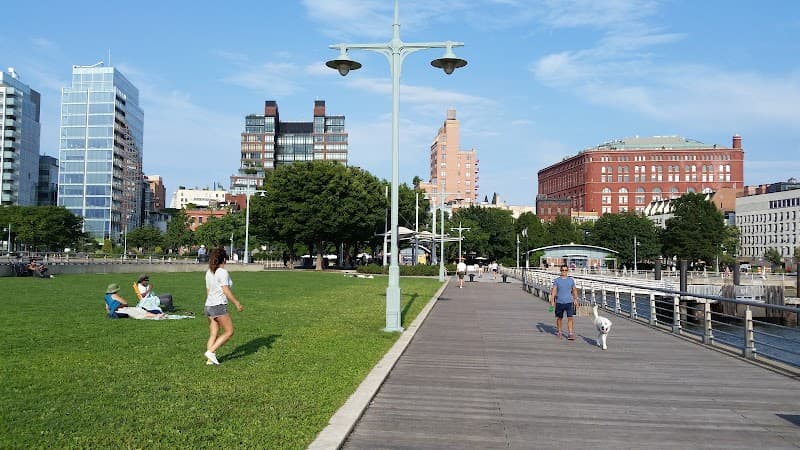
Glam Nights & Coastal Calm: NYC Days 5–6
Weekend · $$$
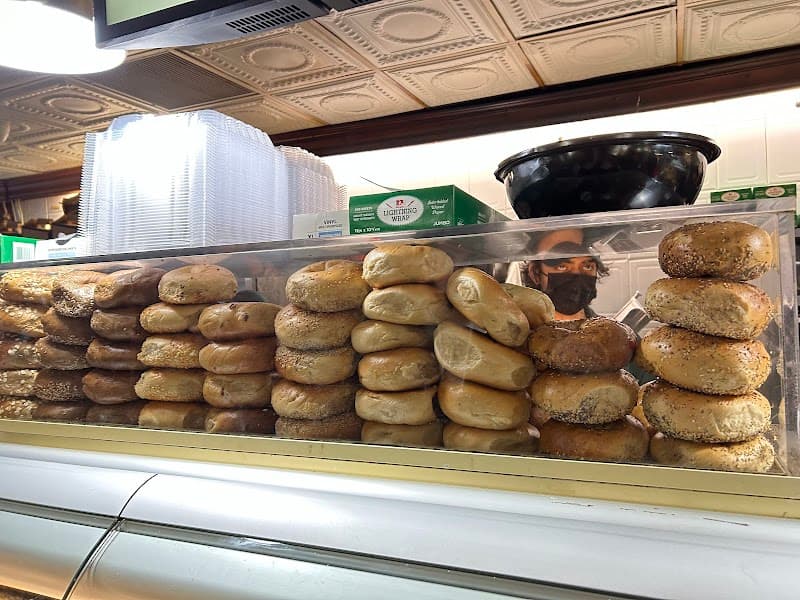
Tropical-Feeling NYC Weekend for Two
Weekend · $$$
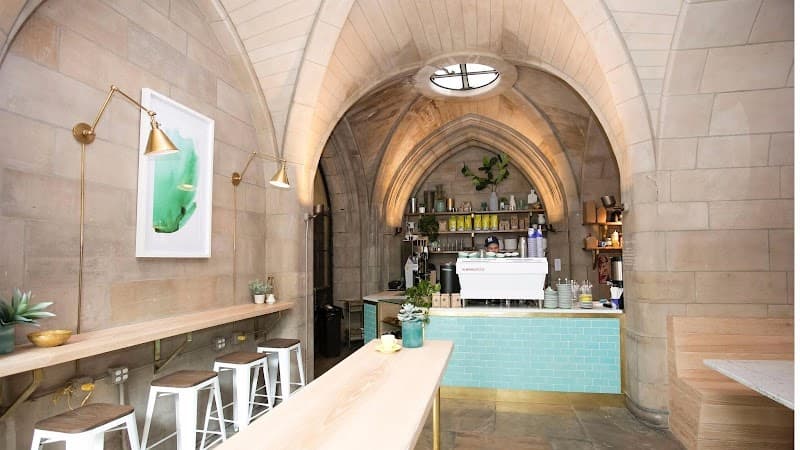
Five Days of Culture & Coastal-Tropical Vibes in New York
Weekend · $$$
Money-Saving Tips
- 1.Buy Broadway show tickets at the TKTS booth in Times Square for 20-50% off same-day performances
- 2.Many NYC museums offer 'pay what you wish' hours — the Met suggests $30 but accepts any amount from NY residents
- 3.Staten Island Ferry is free and offers better Statue of Liberty views than paid tours
- 4.Happy hour in NYC typically runs 4-7 PM with $5-8 drinks and discounted appetizers
- 5.Grocery shop at Trader Joe's or Whole Foods rather than corner delis to save 30-40% on snacks and drinks
- 6.Book upstate accommodations Sunday-Thursday to save $50-100 per night compared to weekends
- 7.Many state parks charge only $8 per vehicle for full-day access to hiking trails and beaches
- 8.LIRR and Metro-North offer weekend getaway packages combining train fare and attraction discounts
Travel Tips
- •Download the Citymapper app for real-time subway updates and the fastest routes between destinations
- •Carry cash for food trucks, street vendors, and some bars that don't accept cards
- •Book restaurant reservations 30 days in advance for popular spots, or try calling day-of for cancellations
- •Avoid Times Square restaurants — walk two blocks in any direction for better food at half the price
- •Pack layers year-round as NYC buildings blast AC in summer and heat in winter
- •The subway runs express and local trains on the same tracks — check signs carefully to avoid going the wrong direction
- •Tipping is 20% at restaurants, $1-2 per drink at bars, and 15-20% for taxis
- •Central Park has free WiFi throughout, making it perfect for remote work breaks
Frequently Asked Questions
Explore New York
Ready to explore New York?
Get a personalized itinerary in seconds with Takeoff.
Free on iOS. No credit card required.