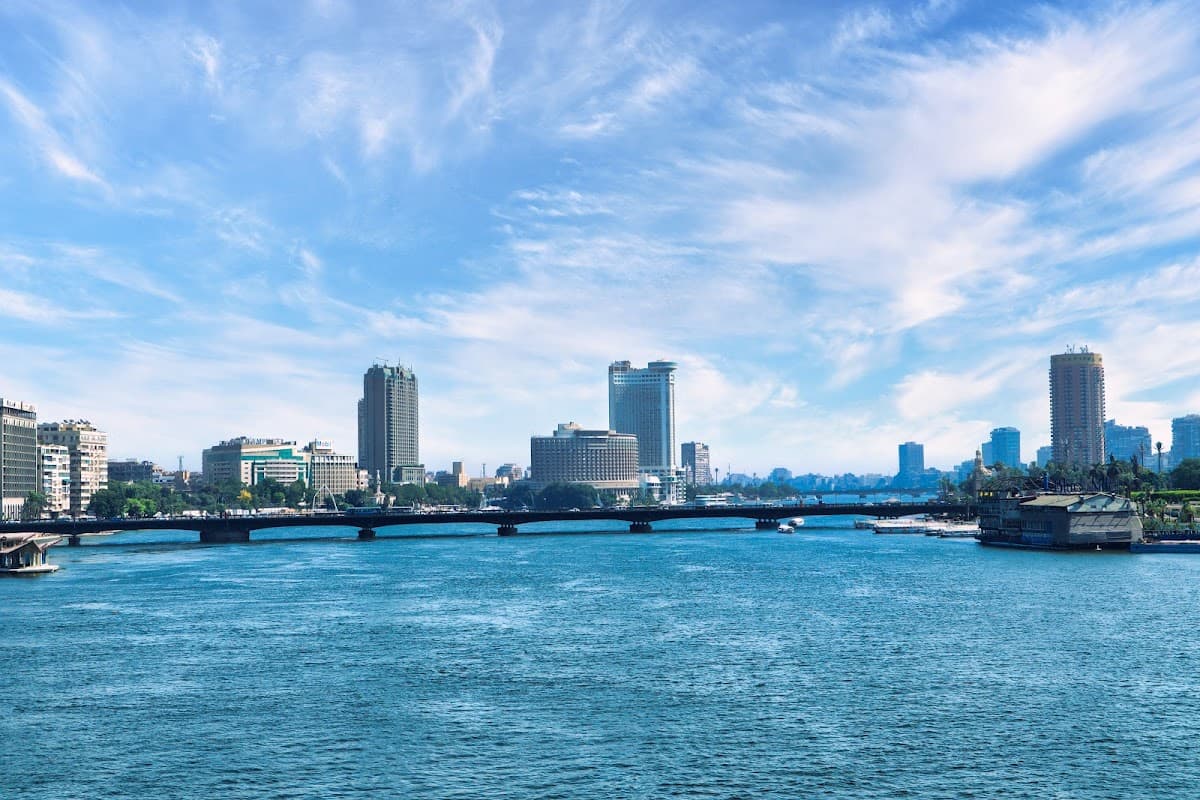
SUBREGION GUIDE
Nile Valley
Cradle of civilization along Africa's great river
The Nile Valley isn't just a river valley. It's where human civilization first learned to build pyramids, write hieroglyphs, and mummify pharaohs. Here, between Aswan and Luxor, ancient temples rise from desert sands while feluccas drift past palm groves that have lined these banks for millennia. But this isn't the tourist-packed Cairo you might expect. The Upper Nile Valley moves at a different pace, where Nubian villages paint their houses in bright blues and yellows, and local farmers still use the same irrigation methods their ancestors perfected 4,000 years ago.
Itineraries coming soon
We're working on adding amazing itineraries for Nile Valley. In the meantime, try the app to create your own!
The Nile Valley stretches roughly 1,000 kilometers from Aswan in the south to Cairo in the north, but the real magic happens in Upper Egypt between Aswan and Luxor. Here the river carves through limestone cliffs and granite outcrops, creating a green ribbon of life in the Sahara Desert. The valley rarely exceeds 20 kilometers in width, hemmed in by the Western and Eastern Deserts. Ancient Egyptians called this region Ta-Shemau, the Land of the South, and it's easy to see why they considered it sacred. The contrast is striking - step 100 meters from the riverbank and you're in pure desert. The Nile's annual flood cycle shaped everything here, though the Aswan High Dam now controls those waters. Traditional feluccas still sail these waters, their white sails catching desert winds that have blown unchanged for centuries.
Money-Saving Tips
- 1.Stay in local guesthouses in villages like Gharb Soheil near Aswan for 150 Egyptian pounds per night instead of luxury hotels
- 2.Buy train tickets at the station rather than online to avoid booking fees - first class costs 50 pounds Aswan to Luxor
- 3.Negotiate felucca trips directly with boat owners at the Aswan corniche, not through hotel concierges who add 50% markup
- 4.Eat at local restaurants away from temple sites - a full meal costs 80 pounds in town vs 300 pounds near tourist attractions
- 5.Visit temples early morning or late afternoon when entrance fees are the same but photography light is better
- 6.Take microbuses between towns for 10-15 pounds instead of private taxis that charge 200+ pounds for the same route
Travel Tips
- •Carry cash in small bills - many valley businesses don't accept cards and ATMs are scarce outside major towns
- •Learn basic Arabic numbers for bargaining in souqs, especially in Aswan where Nubian vendors appreciate the effort
- •Dress modestly when visiting temples and local villages - long pants and covered shoulders show respect
- •Bring a good flashlight for tomb interiors where lighting is poor or non-existent
- •Download offline maps before traveling as mobile coverage is spotty between towns
- •Pack electrolyte tablets - the dry desert air causes dehydration faster than you'd expect
- •Respect photography restrictions at archaeological sites - fines for illegal photos can reach 1000 Egyptian pounds
- •Book Valley of the Kings tickets online in advance during peak season to avoid sold-out disappointment
Frequently Asked Questions
Yes, the Nile Valley is generally safe with low crime rates and helpful locals. Tourist police patrol major sites, and valley communities are tight-knit where strangers are noticed. However, avoid walking alone at night in remote areas and always tell someone your plans when taking felucca trips.