Freeport
Bahamas gateway with duty-free shopping and beaches
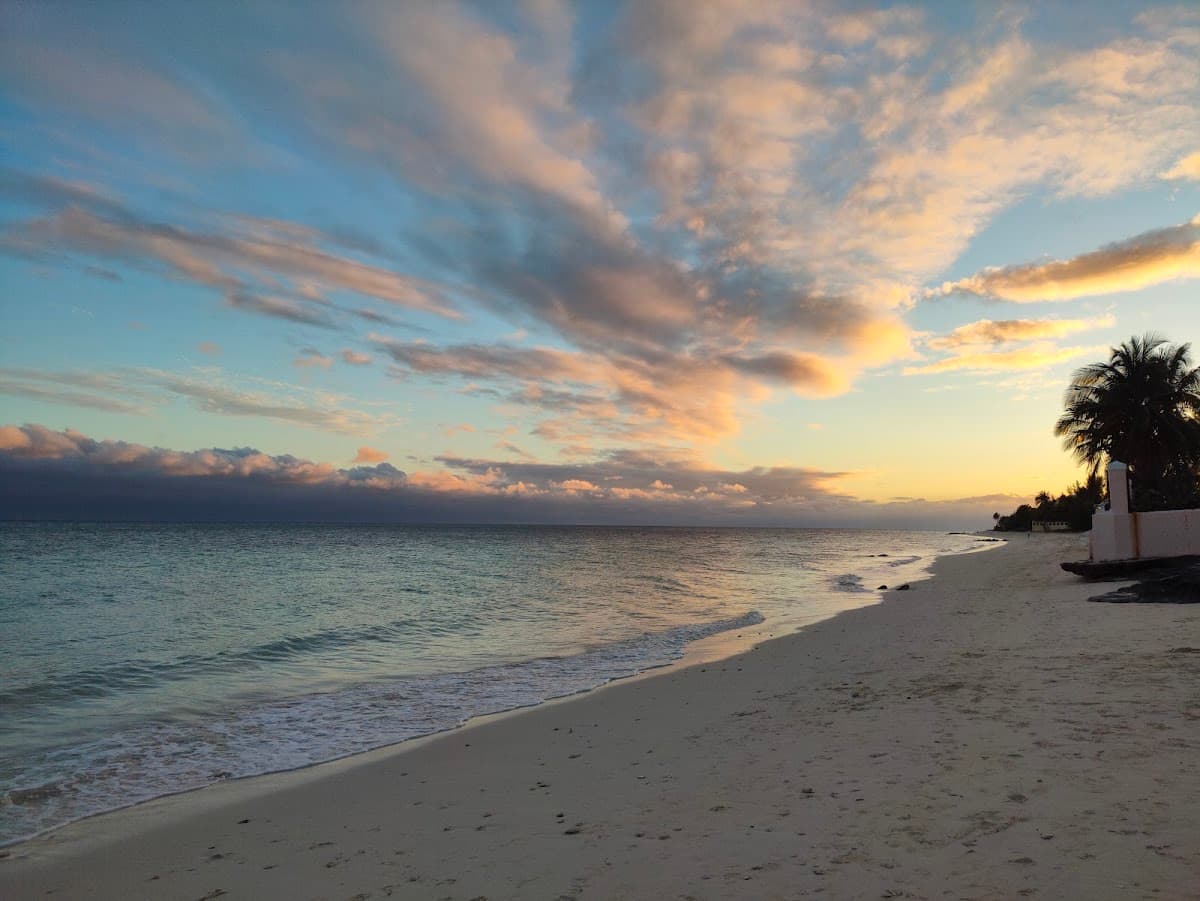
Freeport isn't trying to be Nassau. And that's exactly what makes it perfect. This Grand Bahama hub gives you the Bahamas experience without the cruise ship crowds — at least, not all the time. You get pristine beaches that stretch for miles, duty-free shopping that actually saves you money, and a laid-back vibe that makes three days feel like a week. The Lucayan Beach area serves up postcard-perfect sand, while Port Lucaya Marketplace buzzes with restaurants and shops. Sure, it's not as polished as Paradise Island, but Freeport's rough-around-the-edges charm works in its favor. Plus, flights from Florida take just 30 minutes.
Best Months
JAN · FEB · MAR · APR · DEC
~26°C · high crowds
Culture & Context
JUNKANOO & GOOMBAY
Freeport is the second-largest city in the Bahamas and the only urban center on Grand Bahama Island. It was essentially purpose-built for commerce and tourism, which gives it a different feel than Nassau — more planned, less chaotic, but also less organically Bahamian in places. The Freeport/Lucaya area sits within a designated free trade zone, meaning residents there pay no property taxes.
That's a genuinely unusual perk that attracts expats and long-term investors. The Bahamian dialect mixes British English with African linguistic influences, and locals speak fast. Don't be surprised if a casual conversation sounds like a different language at first.
Junkanoo is the cultural heartbeat — a tradition of elaborate costumed parades with goat-skin drums and cowbells that Bahamian communities prepare for months in advance. The Goombay Summer Festival brings out rake and scrape music (an indigenous Bahamian style using a carpenter's saw as an instrument) and quadrille dancing, which is worth seeing if you're there in July. Grand Bahama's name comes from the Spanish 'gran bajamar,' meaning 'great shallows,' a reference to the flat island terrain and surrounding sea.
Local Customs
TIP 15-20%, NO FISHING PERMIT
Tipping 15-20% is standard at restaurants and for taxis.. Non-Bahamian visitors need a permit to fish — from a boat or the shore. No exceptions, and it is enforced..
Drive on the left side of the road. Seatbelts and helmets (for scooters) are legally required.. Same-sex relations are legal from age 18 but not widely socially accepted.
Avoid public displays of affection to avoid friction.. Bargaining is not the norm in shops or restaurants. At craft markets it's more flexible..
Beware of 'free tour' or 'free gift' offers near cruise terminals — these are almost always timeshare pitches.. Bahamians are warm and social, but code-switching is real. The version of a local you meet working a hotel desk is different from the person hanging out with friends.
Both are genuine — just different contexts.. Bush tea is a traditional herbal drink offered as a remedy and a social gesture. If someone offers it, it's a genuine act of hospitality.
Safety
TOURIST ZONES SAFE, SMART CHOICES REQUIRED
Freeport is generally considered one of the calmer areas of the Bahamas, but the US State Department still rates the Bahamas as Level 2 (Exercise Increased Caution) specifically noting Grand Bahama alongside Nassau. The tourist zones — Port Lucaya Marketplace, Taino Beach, Lucaya Beach, and resort areas — are well-lit, frequently patrolled, and fine during the day. After dark is where common sense matters most.
Don't walk alone from bars and restaurants to your accommodation at night. Don't take unmarked taxis or accept rides from strangers. The Canadian government also notes an increase in break-ins and robberies in Grand Bahama, and Canadian Travel Advice recommends a high degree of caution.
Drink spiking is a documented risk in tourist areas — never leave your drink unattended. Petty theft (bag snatching, pickpocketing) can happen in crowds, especially near the cruise terminal and during festivals. Leave valuables in your hotel safe.
Water sports operators are poorly regulated across the Bahamas — check that whoever you're booking with is licensed, insured, and has safety certifications before getting on a boat or jet ski. Hurricane season runs June to November. Monitor weather forecasts closely during that window.
Getting Around
JITNEYS & LEFT-SIDE DRIVING
Getting around Freeport is manageable but requires a plan. Jitneys — small privately-owned buses — are the main public option. A single ride costs $1.
25 for adults, and they run from around 6am to 7pm. They don't run at night, and there's no real timetable to count on. Routes cover Freeport and Lucaya, but not remote areas of the island.
Taxis are widely available at the airport, hotels, and tourist hotspots, but always agree on a fare before you get in — not all drivers use meters. Starting rate is around $3 with roughly $3 per kilometer on top. For the airport, private transfers in air-conditioned vans can be pre-booked.
Renting a car gives you the most freedom. Key thing to remember: Bahamas drives on the LEFT. Roads in tourist areas are maintained, but rural roads can be rough and may flood after rain.
Scooters and bicycles are available in Freeport as well, though stick to daylight hours and helmets are required by law. There's no Uber, but Nassau has a local app called Bahamas Ride. Grand Bahamas International Airport serves most visitors arriving by air.
Useful Phrases
Freeport Itineraries
View all
Seven Slow Days in Freeport’s Quiet Wild Corners
Week · $$$
Freeport Weekend: Beaches, Gardens, and Easy Island Flow
Weekend · $$$
Tidepools & Tree Canopies: A Freeport Jungle-Wild Weekend
Day Trip · $$$
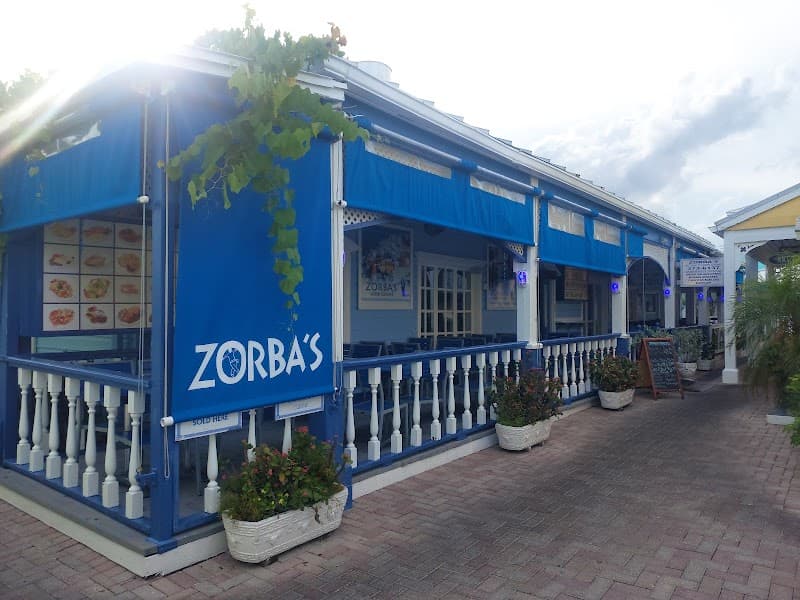
Seven Wild & Romantic Days in Freeport, Grand Bahama
Week · $$$
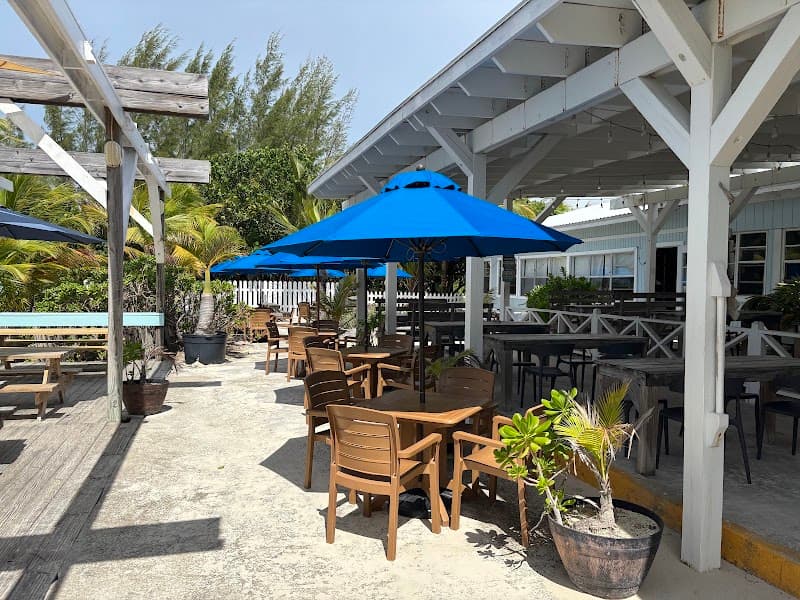
Romantic Jungle-Wild Escape in Freeport, Bahamas
Weekend · $$$
Freeport in Bloom: Romancing the Best of Grand Bahama
Day Trip · $$$
Things to Do in Freeport
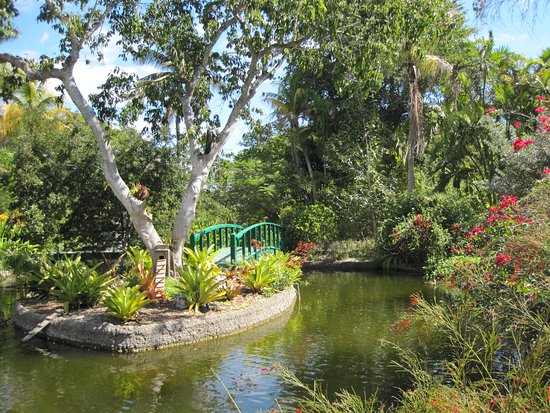
Garden of the Groves
Lucaya East · 120 min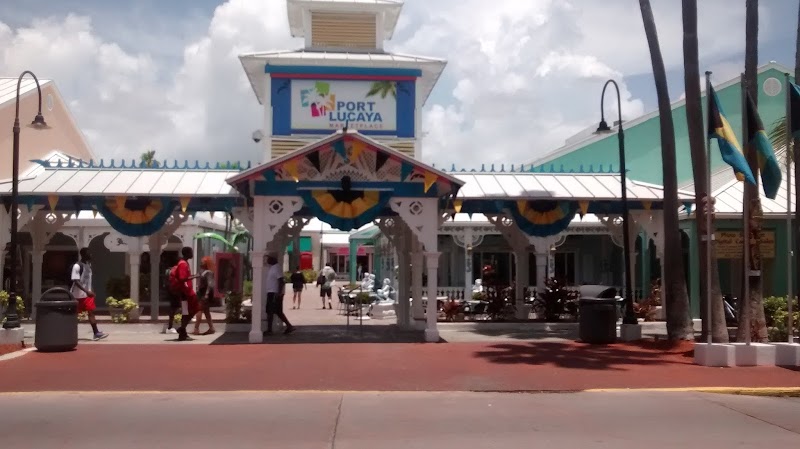
Port Lucaya Marketplace Stroll
Port Lucaya Marketplace · 120 min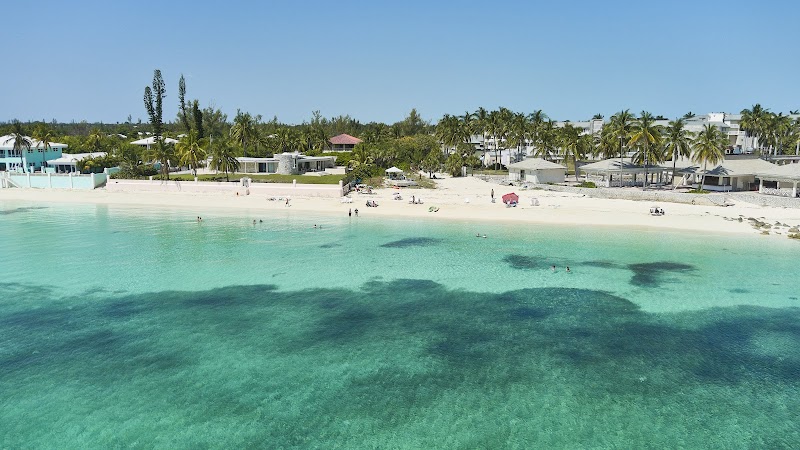
Free Beach Time: Lucaya Beach
Lucaya Beach / Port Lucaya · 150 minMoney-Saving Tips
- 1.Book accommodations outside peak season (May-November) for rates 40-50% lower than winter months
- 2.Rent a car instead of relying on taxis — saves $20-30 per day and opens up remote beaches
- 3.Shop duty-free at Port Lucaya for genuine savings on liquor, perfume, and jewelry — compare prices first
- 4.Eat at local spots like Geneva's Place instead of resort restaurants to cut meal costs by 60%
- 5.Buy groceries at Cost Right for breakfast and snacks — resort convenience stores charge 3x normal prices
- 6.Book fishing charters directly with captains at Port Lucaya marina instead of through hotels
- 7.Visit Peterson Cay on group snorkel trips ($75) rather than private charters ($300+)
- 8.Time visits for shoulder season (April-May) when weather is still good but prices drop significantly
Travel Tips
- •Bring reef-safe sunscreen — Bahamian sun is stronger than you think, even in winter
- •Pack bug spray for nature walks at Lucayan National Park and Garden of the Groves
- •Download offline maps before arrival — cell coverage can be spotty outside main areas
- •Bring cash for local restaurants and jitney buses — many don't accept cards
- •Book restaurant reservations in advance during peak season (December-March)
- •Rent snorkel gear locally ($10/day) instead of buying — saves luggage space and money
- •Check hurricane forecasts if traveling May-November and consider travel insurance
- •Exchange money at banks rather than hotels for better rates on Bahamian dollars
- •Respect local customs — Bahamas is conservative, so cover up when leaving the beach
- •Confirm flight times day before departure — island schedules can change with weather