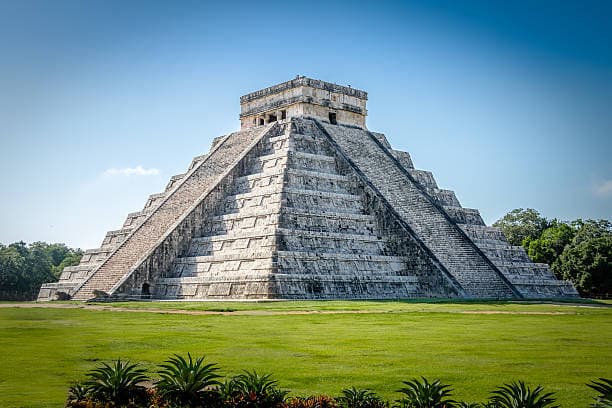
Chichen Itza
Mexico's crown jewel of Maya civilization and astronomy
El Castillo rises from the Yucatan jungle like a stone calendar frozen in time. This isn't just another pyramid — Chichen Itza is where the ancient Maya mapped the stars, played deadly ball games, and built monuments that still make engineers scratch their heads. The site draws two million visitors yearly, but here's the thing: most people see it wrong. They snap selfies with the main pyramid and leave. But stick around. The acoustics at the Great Ball Court will blow your mind. The Observatory shows how the Maya tracked Venus centuries before Galileo. And if you time it right during equinox, you'll watch the shadow of a feathered serpent slither down El Castillo's steps.
Money-Saving Tips
- 1.Entry costs 614 pesos ($30) for foreigners - bring cash as card machines are unreliable
- 2.Parking costs 50 pesos - arrive early for spots closest to the entrance
- 3.Official guides charge 800 pesos for groups up to 8 people - split the cost
- 4.Water inside costs 40 pesos per bottle - bring your own and save 200+ pesos
- 5.Skip overpriced gift shops inside - better deals in Piste town just outside
- 6.ADO bus from Cancun costs 500 pesos round trip vs $50+ for rushed tours
- 7.Stay in Valladolid instead of Cancun - hotels cost half as much and you're 25 minutes away
- 8.Cenote combos near Valladolid cost 150 pesos vs 300+ pesos for Tulum cenotes
Travel Tips
- •Arrive at 8 AM when gates open - by 10 AM tour buses flood the site
- •Bring more water than you think you need - Yucatan heat is no joke
- •Wear comfortable walking shoes with good grip - ancient stones can be slippery
- •Don't attempt to climb El Castillo - it's banned and security will escort you out
- •Visit during equinox (March 20-21 or September 22-23) to see the serpent shadow
- •Clap your hands at the base of El Castillo - the echo sounds like a quetzal bird call
- •Test the acoustics at the Great Ball Court - whisper at one end and be heard at the other
- •Download offline maps - cell service is spotty inside the archaeological zone
- •Bring a hat and sunscreen - there's minimal shade between structures
- •Learn basic Spanish numbers and greetings - vendors and guides appreciate the effort
Frequently Asked Questions
BUILD YOUR
CHICHEN ITZA PLAN
Insider picks, smart timing, and a plan ready when you are.
Start Planning