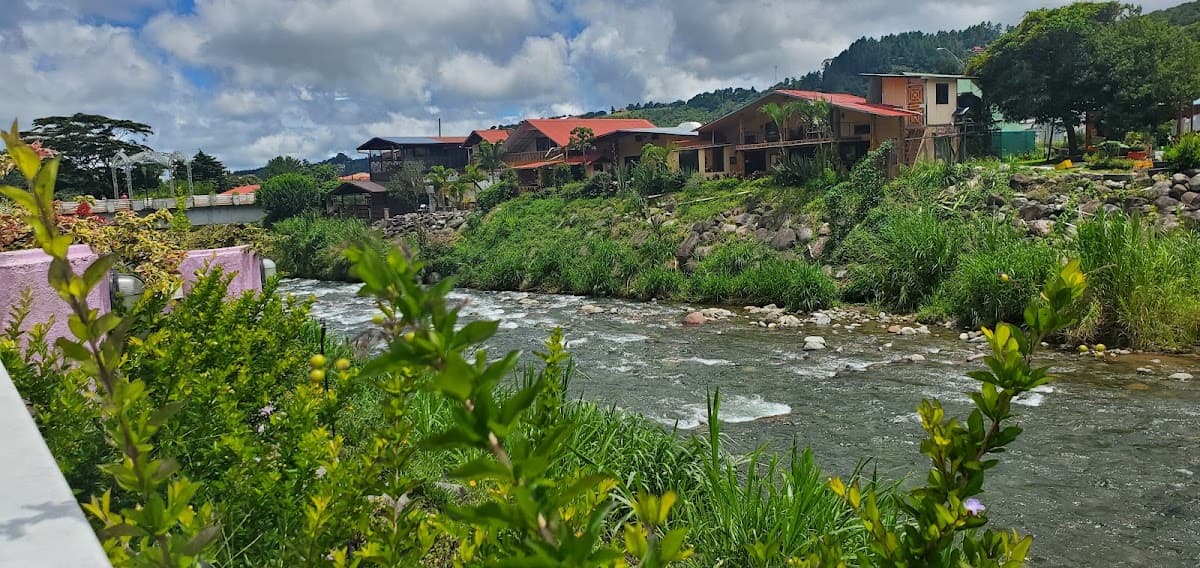
Boquete
Mountain paradise for expats and coffee lovers
Forget the beach crowds. Up in Panama's Chiriquí highlands, Boquete sits at 3,900 feet where the air is crisp and the coffee is world-class. This mountain town of 25,000 has quietly become Central America's expat capital, drawing everyone from retirees to digital nomads with its eternal spring weather and $2 coffee that rivals anything in Seattle.
The Volcán Barú looms over red-tile roofs and flower-filled gardens. Quetzals flash through cloud forests. And yes, you can hike to both the Pacific and Atlantic from here — though you'll probably be too busy sipping geisha coffee on a farm tour to attempt it.
Best Months
JAN · FEB · MAR · APR · DEC
~26°C · peak crowds
Culture & Context
SPRING CLIMATE, SLOW PULSE
Boquete sits at roughly 3,900 feet in Panama's Chiriquí Province, which means the weather is cool and spring-like year-round while the rest of Panama bakes. Around 20% of the population is expat, mostly American and Canadian retirees, which means English is more widely spoken here than almost anywhere else in Panama outside Panama City. But don't let that make you lazy about Spanish.
Panamanians notice when you try, and they appreciate it enormously. The town runs at a genuinely slow pace. Meetings start late.
Shops have irregular hours. The local term "tranquilo" isn't just a word — it's a way of operating. Boquete is famous globally for its Geisha coffee, which has sold at auction for over $1,000 a pound.
Locals are rightfully proud of this. If you're offered a cup, you drink it and you enjoy it. The town has two very distinct sides: the laid-back coffee-town core that longtime residents love, and a growing expat bubble of gated communities and imported comforts.
Both exist simultaneously and somewhat uneasily. The Caldera River runs right through the center of Bajo Boquete, giving the town a natural focal point that's easy to walk along. Eleven distinct microclimates exist within the district alone, so the north end of town can be noticeably cooler and mistier than the south end on any given day.
Local Customs
GREET FIRST, NEGOTIATE ALWAYS
Always greet properly before asking for anything. Walk into a shop, a doctor's office, or a government building and say 'buenos días' (or 'buenas tardes') to the room before getting down to business. Skipping this reads as rude, not efficient..
Taxis in Boquete don't use meters. Negotiate the fare before you get in. A short hop within town should run $1-3.
If a driver tries to charge much more, just find another one.. Don't put your handbag on the floor in a restaurant. Panamanians consider it bad luck — someone will rush over to place it on a chair for you.
Go with it.. Ask permission before photographing people, especially children. A simple 'Puedo tomar una foto?
' goes a long way. Landscapes and public festivals are generally fair game.. Tipping: 10% is customary for good restaurant service.
It's not universal and not always added automatically, so check your bill. Tour guides appreciate $10-20/person per day.. Panamanians generally won't tell you something you don't want to hear — the culture strongly avoids offense.
Don't mistake a vague or non-committal answer for agreement. Follow up.. Sarcasm doesn't translate well at all.
Avoid it until you know someone very well.. The Geisha coffee from this region is world-famous and a source of enormous local pride. Treat it with respect.
You can get a basic cup for 60 cents or a premium one for $20. Both matter to the people who grew it.. Things run late.
If a tour is scheduled for 9am, be ready but don't be surprised if it starts at 9:30. This is not disrespect — it's just how schedules operate here.
Safety
SAFE, WATCH BELONGINGS
Boquete is genuinely one of the safest places in Panama, and Panama is considerably safer than most of its Central American neighbors. The town has a proactive community watch culture and a visible police presence. Walking the streets at night in the main town is generally fine.
That said, a few things worth knowing. Petty theft happens — pickpockets work crowded festival areas, so keep your phone in a front pocket during the Flower Fair. There have been occasional muggings on less-frequented hiking trails, so stick to popular paths and consider hiring a guide for anything remote.
Don't hike solo in the mountains. If you're taking a taxi from David, agree on the fare before getting in — some drivers overcharge tourists. The standard David-to-Boquete taxi fare should not exceed $30.
Avoid driving on rural roads after dark — roads are unlit and livestock sometimes wander onto them. For medical needs, basic clinics in Boquete handle routine care, but anything serious means a trip 40 minutes south to David, which has two good private hospitals. Emergency number in Panama is 911.
Getting Around
FLY TO DAVID, WALK TOWN
Getting here takes some planning. From Panama City, the fastest option is a domestic flight from Tocumen or Albrook airports to Enrique Malek Airport in David. The flight is about 40 minutes and costs $40-120 depending on the carrier (Copa Airlines vs.
budget airline Wingo). From David, buses to Boquete leave from the Terminales David Panamá (the main bus terminal) and cost about $2, taking roughly one hour. If you'd rather drive from Panama City, it's about 6 hours on the Pan-American Highway to David, then another hour up to Boquete.
Once you're in Boquete, the main downtown (Bajo Boquete) is walkable. For anything beyond the center — coffee farms, hiking trailheads, outer neighborhoods — you'll need a car or taxi. Taxis within town are cheap ($1-3 for short hops) but have no meters, so always negotiate the fare first.
A car is strongly recommended if you plan to explore the region properly, including day trips to the Gulf of Chiriquí beaches (about an hour away) or the hot springs at La Caldera.
Useful Phrases
Money-Saving Tips
- 1.Eat at local sodas instead of expat restaurants — meals cost $4-6 versus $12-15
- 2.Buy coffee directly from farms like Finca Dos Jefes for wholesale prices
- 3.Stay in hostels or guesthouses for $15-25 per night instead of hotels
- 4.Take public buses to David ($2.50) rather than private shuttles ($25)
- 5.Shop at the Tuesday and Saturday markets for fresh produce at local prices
- 6.Book accommodations during rainy season (May-November) for 30-40% savings
Travel Tips
- •Bring layers — mornings are cool, afternoons warm, evenings chilly
- •Download offline maps since cell service gets spotty in the mountains
- •Book volcano hikes through established operators for safety and permits
- •Learn basic Spanish — English isn't as common as other expat destinations
- •Rent 4WD vehicles for coffee farm visits and mountain roads
- •Pack rain gear even during dry season — mountain weather changes quickly